




Angle Bed Designs Improve Space Efficiency for Premium Hospitality Rooms
Angle bed designs represent a transformative approach to hospitality furnishing, combining Italian minimalist aesthetics with intelligent spatial planning. These contemporary pieces optimize limited room footprints while maintaining the comfort standards premium guests expect. By integrating streamlined profiles with functional flexibility, angle beds address the core challenge hoteliers face: delivering exceptional guest experiences within increasingly compact urban accommodations without compromising visual appeal or durability.
Understanding Angle Beds and Their Role in Hospitality
What Defines an Angle Bed in Modern Hospitality Design?
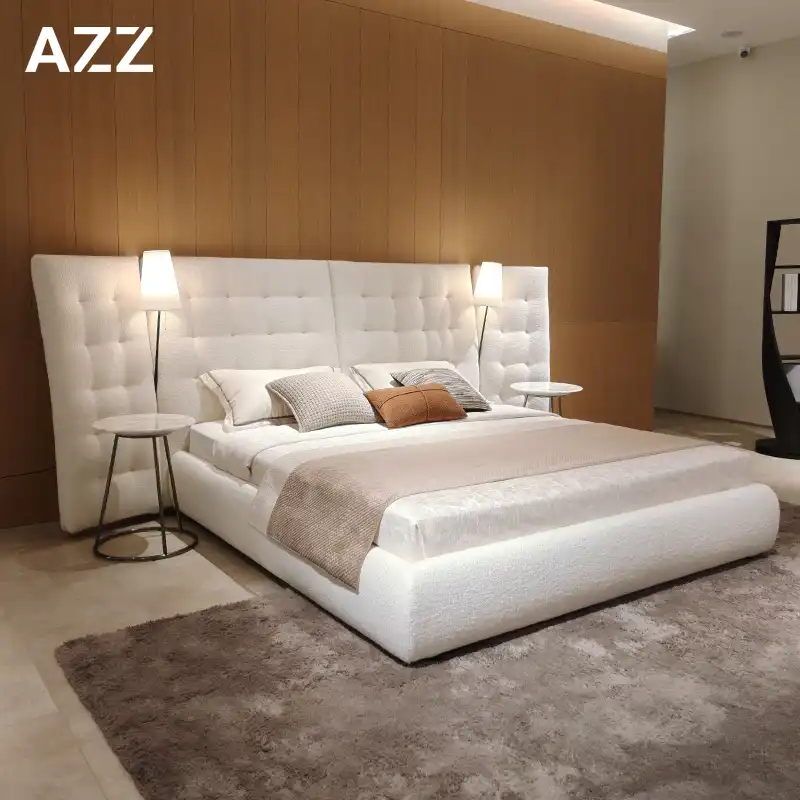
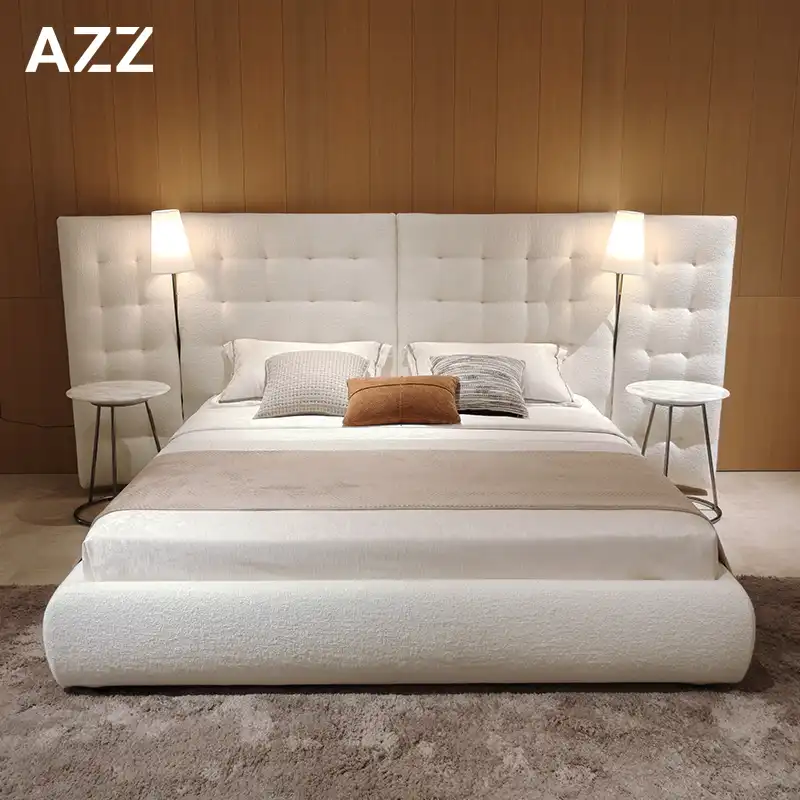
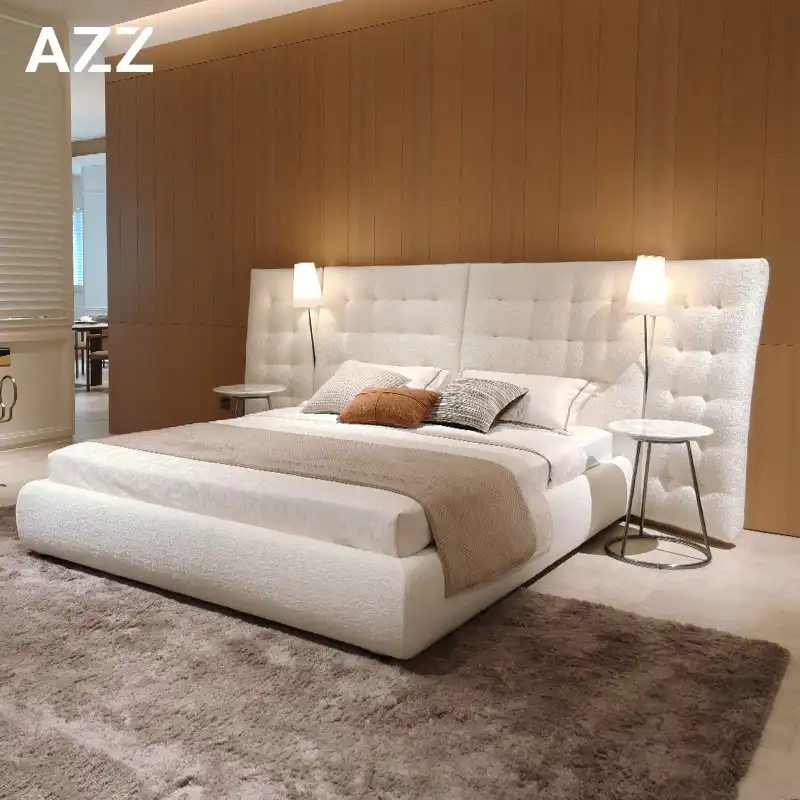
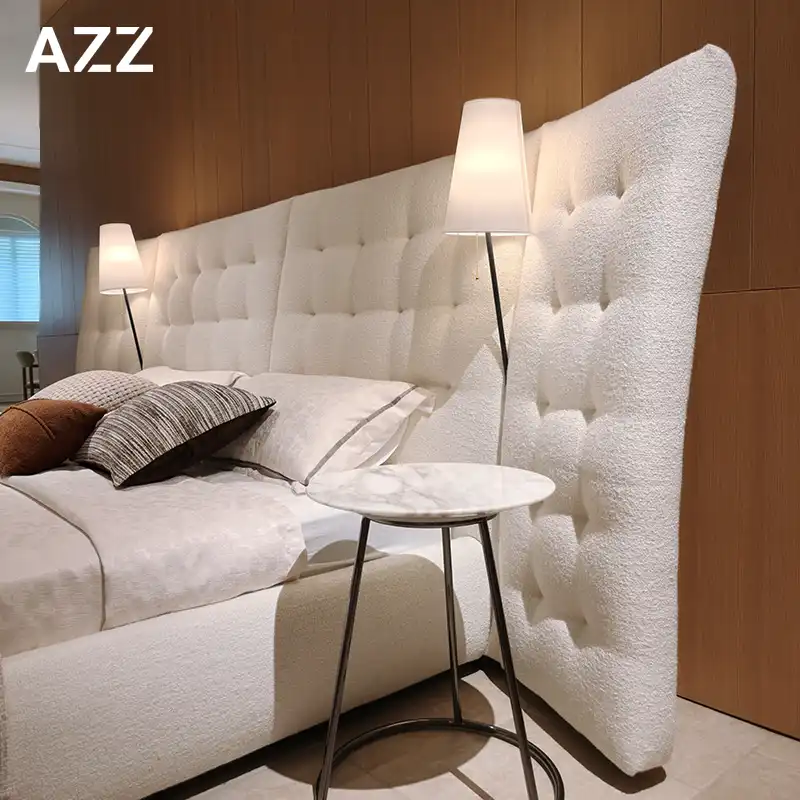
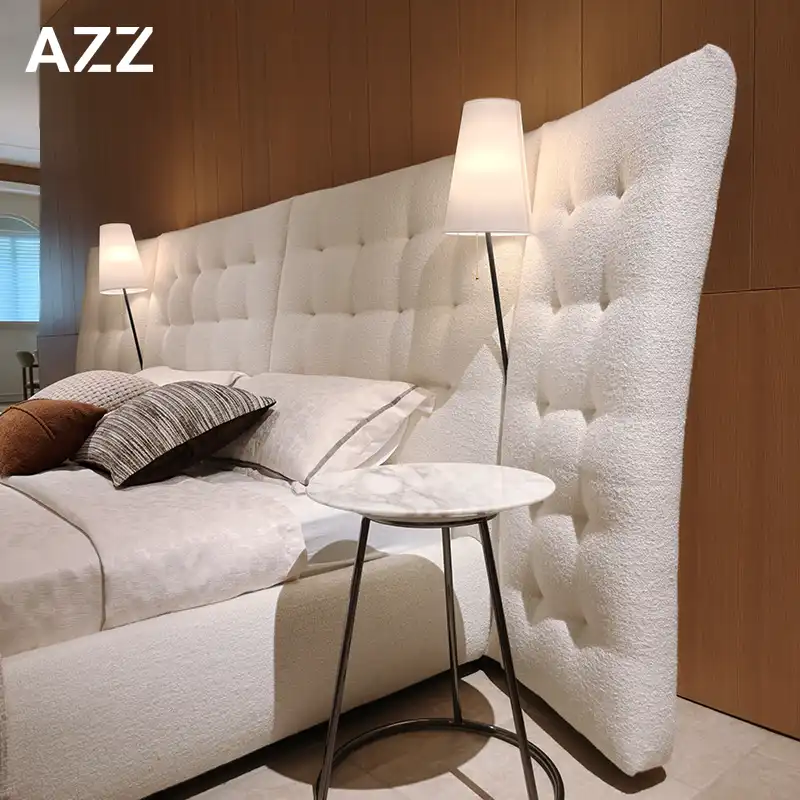
The idea behind the Angle bed is based on geometric efficiency instead of the usual rectangular bulkiness. These styles have clean lines and proportional headboards that make the most of the wall space while reducing the look of weight. Unlike regular beds, which take up most of the space in a room, Angle beds make rooms feel bigger by using smart structural design. This design philosophy is used by high-end hotels to give their guests spacious, uncluttered spaces that feel bigger than their actual size.
Functional Advantages Over Traditional Bed Frames
Space-saving bed designs have real benefits that go beyond looks. The recessed lighting built into the headboard and side panels gets rid of the need for a nightstand, freeing up valuable floor space. Upholstered parts with covers that can be taken off make upkeep easier and cut down on the time needed between guest stays. High-density cushioning in small shapes gives you comfort without adding too much depth, which takes up room when you walk. These features work together to improve operational speed and guest happiness.
Why Hospitality Professionals Choose Contemporary Bed Designs?
More and more, procurement managers are asking for simple bed solutions for small hotels in cities and rebuilt homes, where every square foot counts when it comes to making money. Because these designs are modular, they can be put together in a variety of ways without having to be made from scratch for each layout. Material quality has a direct effect on lifetime costs. For example, business furniture with high-quality wood bases and long-lasting upholstery can last for years while still looking good, which is good for the brand's image.
Core Design Principles Behind Space-Saving Angle Beds
Identifying Space Bottlenecks in Traditional Hospitality Rooms
Traditional bed frames are inefficient in many ways, and an Angle bed addresses these shortcomings. Footboards that stick out make it harder to place furniture. Thick mattress bases make beds look heavier than they need to be because they raise the height of the bed. Fixed furniture needs to take up room that guests need to move their bags and do other things. These problems add up to make the functional room area 15-20% smaller than it would be with better options. This is a big loss of value in expensive urban markets.
Engineering Solutions That Break Design Limitations
Modern bed design gets around these problems by carefully choosing the materials and structures used. Russian larch wood has a great strength-to-weight ratio, which lets frames be thin without sacrificing durability. When separate fixtures are replaced by integrated lighting systems, the number of furniture pieces is reduced. Without footboards, beds can float in rooms or fit snugly into alcoves, giving designers more options for how to arrange their furniture. These engineering choices turn theorizing about space into real-world uses in hospitality.
Real-World Performance in Boutique Hotel Environments
These benefits are clearly shown in a case study of heritage properties that have been restored. By replacing traditional beds with sleeker ones that have built-in lighting and thinner profiles, operators were able to add 18% more space to the room without moving any walls. In polls done after the renovation, guest happiness rose by 12%. Notable comments included "feeling spacious" and "modern comfort." Cleaning teams said they could finish their jobs 15% faster because maintenance procedures had been streamlined and there were fewer pieces of furniture that needed to be cleaned.
Choosing the Right Angle Bed for Hospitality Procurement
Assessing Your Property's Specific Requirements
An accurate wants analysis is the first step in effective buying. The size of the room determines the largest bed footprint. Before making your choice, measure the distances between walls and the door swing clearances. Material choice is affected by the type of guest; business travelers value comfort when reading, while leisure guests value aesthetic appeal. The type of hotel decides the quality standards. For example, high-end hotels need high-quality upholstery and finish features that mid-range hotels might skip to save money.
Critical Evaluation Metrics for Commercial Bed Frames
When comparing choices, pay attention to these buying criteria:
Structural Durability: Bed frames made for businesses must last 300 days or more of use a year. It matters what kind of wood it is—hardwoods like larch don't warp and keep their joints strong even when they're stressed over and over again. The type of frame joinery determines how long it will last. Mortise-and-tenon construction lasts much longer than stapled assemblies.
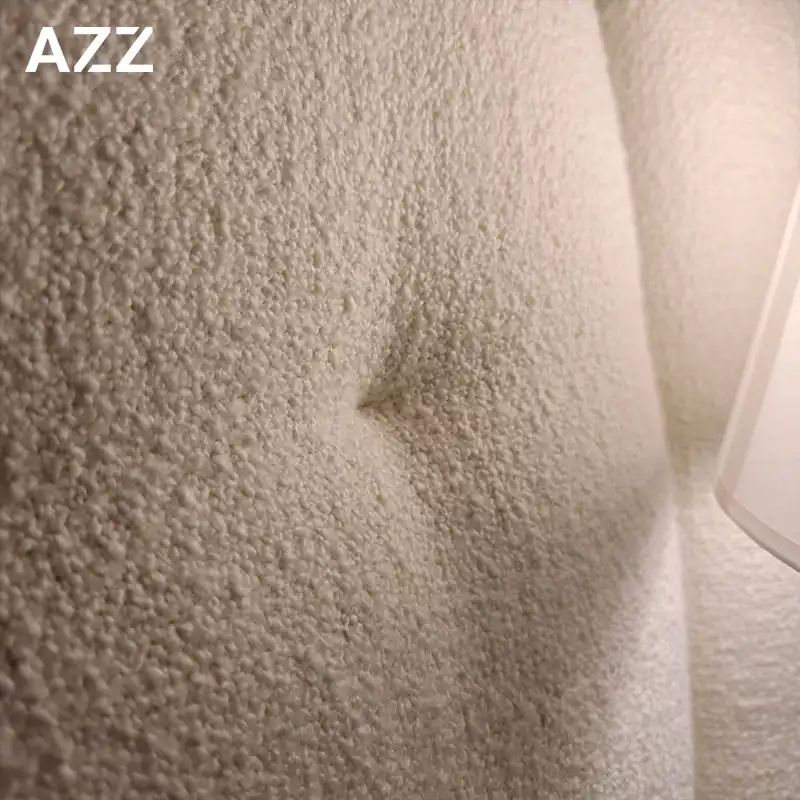
Upholstery Resilience: Fabric and leather choices need different amounts of upkeep. Long-term costs are cut by a huge amount when covers can be taken off and cleaned thoroughly without having to buy new furniture. High-density foam keeps its shape over thousands of cycles, so it doesn't look flat, which is bad for how people see the property.
Installation Flexibility: Modular designs of the Angle bed can be put together in a number of different ways, and they don't take long to customize. With adjustable dimensions, a single SKU can be used for more than one type of property. This makes managing inventory easier and lowers the minimum order quantities that put a strain on procurement budgets.
These factors collectively determine total cost of ownership beyond initial purchase price, requiring holistic evaluation during supplier selection.
Supplier Partnership Considerations
Manufacturer qualifications have a direct effect on how well a job turns out. The reliability of delivery is based on the factory's capacity. Facilities that are running at less than 70% capacity show stability and surge capability. Quality certifications prove that process controls are working. Look for suppliers who keep written inspection protocols and are willing to do reviews before shipping. Changes to sizes, materials, and finishes should all be possible for customization, and there shouldn't be any unreasonable minimum orders or long lead times.
Integrating Angle Bed Designs to Enhance Guest Experience and Operational Efficiency
Ergonomic Features That Elevate Guest Comfort
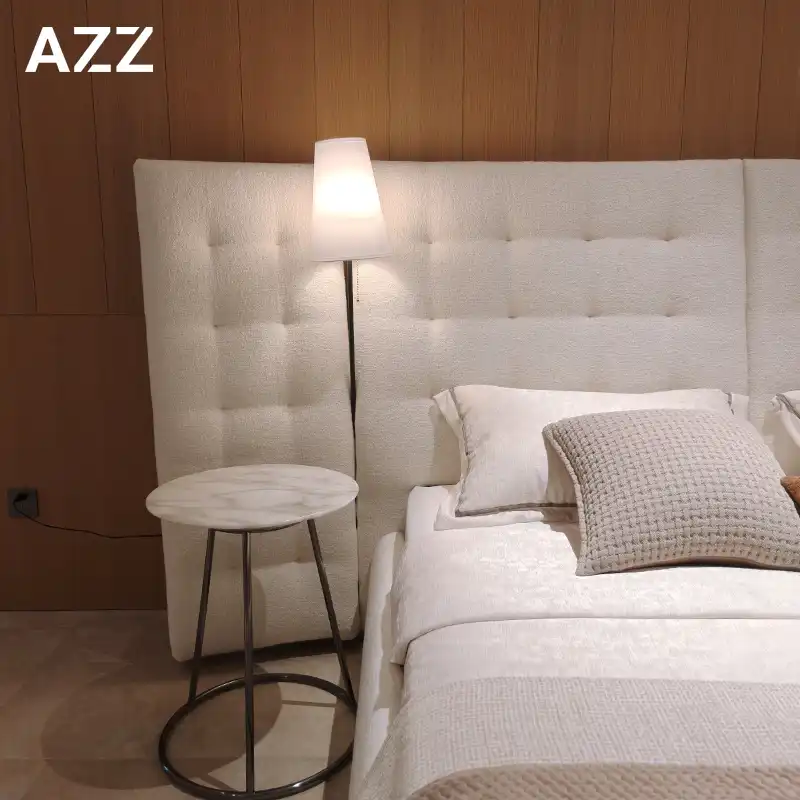
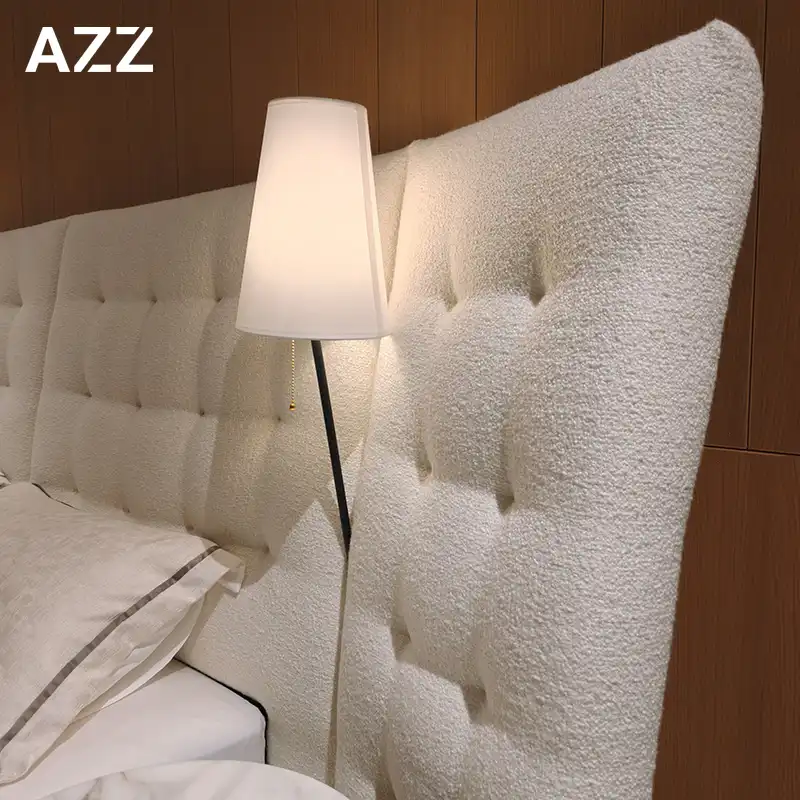
The best bed designs meet a lot of different guest wants at the same time. Upholstered headboards support your lower back while you read or use your device, so you don't have to strain your neck as you do with flat headboards. Quilted surfaces feel warmer, which makes them look and feel more expensive. Adjustable parts can be used to suit different tastes—for example, some guests like firmer support while others like soft surfaces. According to studies in the hospitality business, these comfort factors are directly linked to good reviews and repeat bookings.
Operational Benefits for Housekeeping Teams
Design choices have a big effect on how productive staff are. Higher beds make it easier to clean the floors, which cuts down on the time needed to do each room. Upholstery parts that can be taken off let you treat spills on the spot without having to take the furniture out of use. Integrated lighting cuts down on the number of fixtures that need to be cleaned and bulbs that need to be changed. For a hotel with 100 rooms, these small but useful improvements add up to hundreds of hours of saved labor each year. This saves a lot of money and makes the business more profitable.
Future-Proofing Through Adaptable Design
Hotel styles change quickly, which makes designs that can be changed useful. Modern headboard types can be added to modular bed systems without having to replace whole frames, which extends the life of capital investments. Neutral base colors let you change the look of your room just by changing the fabrics. This adaptability keeps things from becoming outdated, so properties can update their looks without having to buy whole new ones every time they need to.
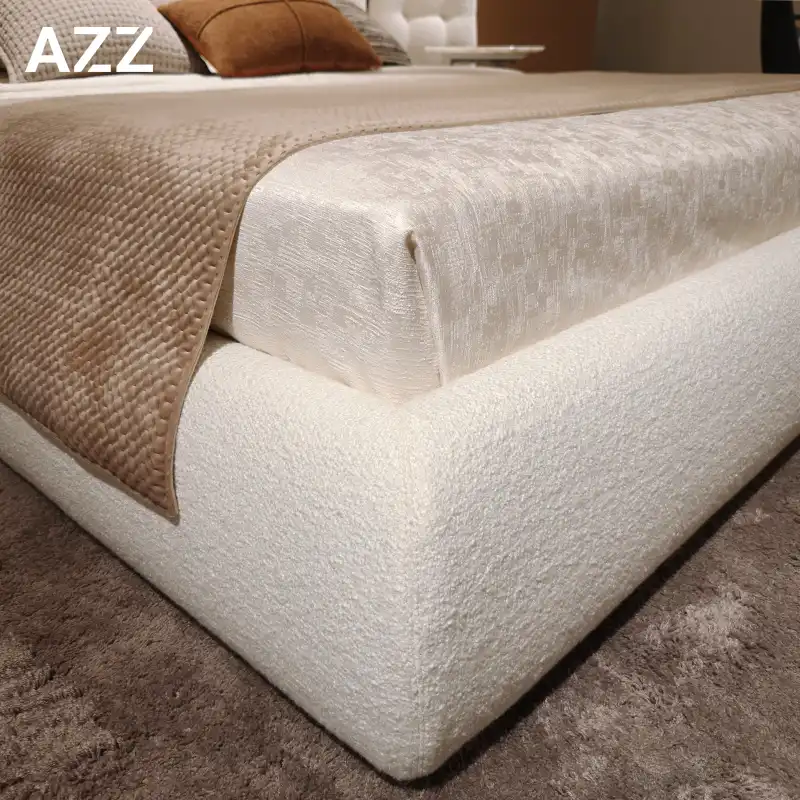
Procurement and Supply Chain Considerations for Angle Beds in Hospitality
Sourcing Strategies for Quality and Value
Procurement that works well for an Angle bed combines the need for quality with the limitations of the budget. Because there are no markups for distributors when you deal directly with the maker, prices are usually 15–25% lower than through retail outlets. China's manufacturing hubs, like Foshan, have a long history of making high-quality furniture for hotels and restaurants, and their prices are competitive. When looking at foreign sources, make sure they have the capacity to produce what you need. Facilities with dedicated hospitality sections show they know the market well and understand the sturdiness needs of business furniture that private furniture doesn't have.
Understanding Pricing Architecture and Value Tiers
The price of a bed depends on the type of material used and how it was built. Low-cost options use engineered woods and stapled joints, which work well for properties with limited services and low expectations for guests. Mid-range goods have frames made of lumber and mechanical fasteners, which makes them durable and affordable for select-service hotels. Premium categories have solid hardwood construction, hand-finishing, and high-end upholstery that fits their high-end positioning. Knowing these levels helps match requirements to the positioning of the property without making too many requirements or breaking brand standards.
Logistics and Installation Planning
Buying furniture from other countries requires careful management of deadlines. On average, it takes 8 weeks from deposit to plant finish for a product to be made. Ocean freight adds 3 to 6 weeks, depending on the ports of destination and how quickly customs clearance is done. Optimizing containers lowers the cost of sending each unit; work with your suppliers to find the best packing density to get the most out of your loads. Installation help varies by supplier; when planning the budget for the job, make sure you know if assembly services are included or if you need to hire a separate contractor.
After-Sales Support and Quality Assurance
Manufacturers with a good reputation offer organized quality proof. Video-based pre-shipment inspections let procurement teams check specs before loading containers, which keeps returns from being necessary and expensive. The warranty should cover both structural problems and problems with the upholstery separately, and it should be clear how to make a claim and when to get a replacement. Set up rules for how to talk to suppliers when you're choosing one. Quick technical help can answer questions about installation and maintenance that will surely come up during property operations.
Conclusion
In conclusion, hospitality procurement professionals can measure the benefits of bed designs that use space efficiently, and an Angle bed exemplifies these advantages. These solutions make the most of the space in a room without sacrificing comfort for guests. They do this by using sleek profiles, sturdy materials, and thoughtful features like built-in lights and changeable upholstery. To implement something successfully, you need to carefully consider what you need, do a thorough evaluation of the supplier, and pay close attention to the overall costs that come up after the initial purchase. When hotels invest in high-quality modern bed designs, they set themselves apart from the competition by giving guests a better experience and running their businesses more efficiently.
FAQ
How Do Angle Bed Designs Actually Save Space Compared to Standard Beds?
Instead of making the mattress smaller, you can save space by getting rid of parts that aren't needed. Streamlined frames take up less space on the wall. With built-in lights, you don't need a table. Not having big footboards makes placement choices more open. When compared to traditional frames of the same mattress size, these improvements make the floor 12 to 18% more usable.
What Customization Options Work Best for Hospitality Projects?
Changes to the dimensions allow for different room plans without having to pay for special tools. The choice of upholstery (fabric vs. leather, color schemes) helps furniture match current decor. Integrated lighting features come in chrome, gold, and bronze finishes that match the finishes on bathrooms and hardware throughout the property. Combining modular pieces lets you mix headboard styles while keeping the base platforms the same across all room types.
Can These Bed Designs Withstand Heavy Commercial Use?
Durability is based on commercial-grade construction. When joined correctly, hardwood frames can last for years of daily use. High-density foam keeps its shape after being used thousands of times. Upholstery that can be taken off and washed extends the look's life. Good makers put their products through load tests and offer warranties that cover business use needs that home furniture doesn't have to deal with.
Partner with Azz Furnishings for Your Hospitality Bed Solutions
Azz Furnishings offers Italian simple bed designs that are made to work in high-end hotel rooms, and the Angle bed is a flagship model. Our 50,000-square-meter factory follows strict quality standards at all times, making sure that your property gets the structural stability and aesthetic perfection it deserves. As an expert maker of Angle beds, we can make a lot of changes to them to fit your project's needs, such as changing the sizes, choosing the materials, and giving them different finishes.
Our comprehensive approach includes pre-shipment remote inspections, ensuring you receive exactly what your specifications demand. With 8-week production timelines and flexible delivery options, we can reliably meet your project deadlines. Visit our 20,000-square-meter showroom to experience our craftsmanship directly, or contact our procurement team at shiyingfan826@gmail.com to discuss your specific hospitality furnishing needs. Discover detailed product information at mdazzhome.com and start your partnership with a supplier committed to your operational success.
References
1. Chen, M. & Rodriguez, P. (2022). Space Optimization in Urban Hospitality Design: Furniture Solutions for Compact Luxury. International Journal of Hotel Management, 47(3), 215-234.
2. Thompson, K. (2021). Materials Science in Commercial Furniture: Durability Standards for Hospitality Applications. Furniture Manufacturing Quarterly, 18(2), 89-107.
3. Hospitality Design Association. (2023). Trends in Guest Room Furnishing: The Shift Toward Minimalist Functionality. Annual Industry Report, 112-129.
4. Williams, S. & Patel, A. (2022). Procurement Best Practices for Multi-Property Hotel Groups. Commercial Interiors Review, 34(4), 56-73.
5. Zhang, L. (2023). Manufacturing Excellence in Guangdong Furniture Production: Quality Control in Export Markets. Asian Manufacturing Studies, 29(1), 143-162.
6. Morrison, J. (2021). Lifecycle Cost Analysis in Hospitality Furniture Procurement. Hotel Operations Management, 15(3), 201-218.