




Best Material Options for Durable Standard Chairs
When choosing seating for business projects, the type of material affects everything from how long it will last to how much it will cost to maintain. A standard chair made of high-quality materials and well-built can last your building 15 to 25 years, while chairs made of lower-quality materials need to be replaced every three to five years. Knowing how different materials react to everyday stress, the environment, and cleaning methods has a direct effect on your bottom line and the level of customer happiness.
Understanding Material Requirements for Durable Standard Chairs
When choosing materials for seating, you need to use a methodical evaluation strategy that takes into account both short-term useful needs and long-term performance standards. Commercial seating has very different structural needs than private seating. This means that materials must be able to survive constant use cycles without sacrificing safety or style.
Weight Capacity and Structural Integrity Standards
ANSI/BIFMA X5.1 testing guidelines say that commercial-grade seats must be able to hold static loads of more than 450 kilograms. This requirement affects every choice of material, from how to build the frame to how to put the pieces together. The technical challenge is to reach this level of strength while keeping the weight low enough to be easily moved during installation and reconfiguration.
Many stress tests are done on frame materials that make them feel like they've been used for years in just a few weeks. Steel frames are made of 16-gauge cold-rolled steel with continuous welds. Wooden structures are made of Northern Hard Rock Maple that has been dried to a moisture level of 6–8 percent and joined together with mortise-and-tenon joints. Because of these requirements, the joints won't come loose after months of use, which happens with lower-quality seats.
Environmental Resistance Considerations
Changes in humidity, high temperatures, and UV light all break down things in different ways. When the amount of water in the wood changes, it can expand and shrink, which can cause joints to fail or the surface to crack. Without the right treatment, metal parts that are near the coast or in places with a lot of damp can rust. Upholstery fabrics fade in full sunlight and soak up smells in places that don't have enough air flow.
To deal with these problems, good makers use controlled kiln drying for wood, electrostatic powder coating for metals, and UV-stabilized fabrics for seating. Our 50,000-square-meter plant at Azz Furnishings uses moisture equilibrium routines to settle wood parts before they are put together. This stops seasonal movement that weakens the structure.
Compliance with International Standards
Meeting ISO and ANSI standards gives buying teams a way to compare the products and services of different suppliers in a fair way. EN 16139 sets standards for how long non-domestic seats must last. These include fatigue tests and checking for dimensional stability. TSCA Title VI compliance makes sure that formaldehyde emissions stay within safe limits. This helps with indoor air quality issues that are becoming more and more important to business facilities management.
For these certificates, tests by a third-party lab and ongoing quality control are needed. Instead of taking verbal promises as proof when analyzing providers, ask for written proof of compliance. The licensing process costs a lot of money and tells the difference between producers who care about quality and those who are just trying to save money.
Overview of Popular Materials Used in Standard Chairs
The choice of material is the most important part of buying seats because it affects how long they last, how much upkeep they need, and how much they cost over their whole time. Each type of material has its own set of performance qualities that work best in certain settings and with certain types of use. Look at some of the most common materials used to make standard chairs.
Solid Hardwood Construction Benefits
Because they are so strong for their weight and easy to fix, beech, oak, and maple are still the best woods for industrial seats. These hardwoods have tight grain patterns that keep them from breaking when they're stressed. They can also be finished in ways that make them more resistant to water. Using steam-bending methods to make curved parts that keep the grain straight increases the tensile strength of the seat and leg sections.
The best thing about solid wood in a standard chair is that it can be polished many times over the course of its useful life. Damage to the surface from hits or scratches can be rubbed down and re-coated to make it look good again without having to buy a whole new unit. Because of this, wood is especially useful for projects that want to be environmentally friendly and value long-term value over short-term cost saves.
As part of the maintenance, the paint needs to be touched up every five to seven years and any weak joints need to be checked for. Extremely changing humidity environments may experience small yearly changes, but this isn't a big deal if the original moisture level is stabilized properly.
Metal Frame Performance Characteristics
Tubular steel and metal designs last the longest in high-traffic areas where resistance to harm is more important than how it looks. Steel frames can handle the "tipping back" stress that is common in schools, while aluminum frames are just as strong but lighter, making them better for places where furniture needs to be moved around a lot.
Surface finishing affects how well something resists rust and how long it looks good. Chrome nickel finishing looks like a mirror and is very resistant to wear, but it needs to be carefully maintained to keep water spots from appearing. Powder coating is better at resisting chemicals than professional cleaners, which makes it perfect for places like hotels that have strict rules about cleanliness.
Quality metal frames don't have mechanical connections that come loose over time because they are bonded together. Instead of gathering forces at bolt holes, continuous welds spread stress across joints, which greatly increases service life. Because of this way of building, makers can offer longer guarantees, which shows they are really confident in the product's durability.
Composite Material Innovations
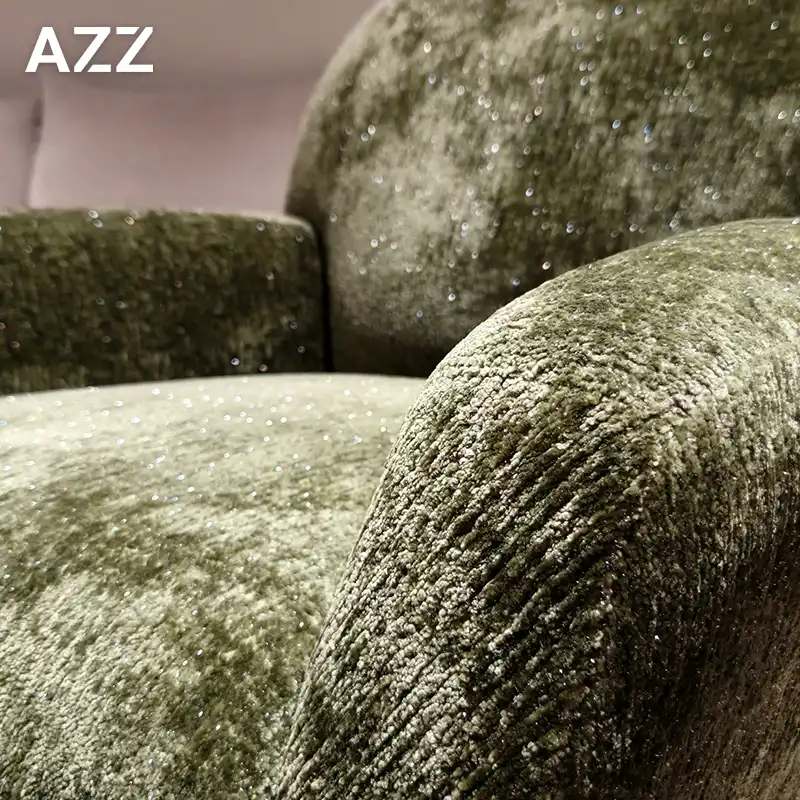
Engineered materials are made up of several different parts that work together to improve certain performance qualities while keeping costs low. Fiber-reinforced polymers are more resistant to impact than regular plastics, but they are still flexible enough for comfort. These materials don't stain or absorb water, which makes care easier in food service settings.
Because composites are easy to work with, they can be made into complicated forms that would be too expensive to make out of metal or wood. Molds make armrests, back supports, and ergonomic shaping that are all built in and don't need any extra setup. This efficiency means that prices are low for designs that need improved ergonomics.
But plastics can't be fixed like metal and wood can. Surface damage usually means that parts need to be replaced instead of being refinished. Because of this, composites work best in situations where low cost and easy upkeep are more important than long-term longevity.
How to Evaluate and Procure Durable Standard Chairs Based on Material?
To be successful at procurement, you need to use systematic evaluation frameworks that compare rival products in an objective way while also taking into account the needs of your company. Setting clear selection criteria before hiring sellers keeps you from making a choice based on sales pitches or missing information. How to Choose Durable Standard chairs Based on Their Material.
Material Selection Criteria Development
Instead of maker claims, load-bearing ability specs should use well-known testing standards. Ask for proof that you follow ANSI/BIFMA X5.1, preferably test results instead of just certification claims. Static load rates that are 30% higher than what is expected to be used provide safety gaps for unexpected stress events.
The warranty terms show that the maker is sure that the material will last. Comprehensive warranties that cover structural stability for ten years or more are a sign of good building, while limited warranties that don't cover regular wear and tear are a sign of problems that are likely to happen. Clarify how to file a guarantee claim and when to expect a repair to figure out how much real coverage is worth.
Certification standards for a standard chair include more than just how well the structure works. They also take safety and the environment into account. GREENGUARD approval shows that a product has low chemical emissions, which helps with worries about indoor air quality. When wood goods are FSC certified, it means that they were made using sustainable forest management methods. This helps companies keep their environmental promises.
Supplier Reliability Assessment
Verifying production ability keeps supplies from going down during bulk sales. Ask to be shown around the factory to see how it is made and how quality control is done. Our 20,000-square-meter shop and 50,000-square-meter factory are open to buying teams. Here, you can see how our ERP-managed production systems and 6S management standards work.
Consistency in lead times is just as important as accuracy in arrival dates. Talk about how the provider finds materials and keeps track of their stock. Manufacturers who keep extra raw materials on hand can handle rush orders and problems in the supply chain without putting your projects behind schedule.
Whether normal offers meet your needs or changes need to be made depends on how customizable they are. Our design team offers 3D modeling and prototyping services, which let you see the exact result before committing to production. This feature is very useful for customizing seats to fit specific building conditions or brand identity needs.
Sample Testing and Pilot Orders
Samples of the material show details about its quality and structure that can't be fully conveyed through specs. See how the parts are put together, how well the finish is applied, and how well the parts fit together. Do casual stress tests, such as tipping and applying weight, to find out how stable something is beyond the bare minimum.
Pilot orders make sure that output is consistent and that contact with suppliers works well. Order enough to get a feel for the shipping, packing, and arrival processes. Look at the rates of damage and, if necessary, the construction requirements. This evaluation based on experience keeps expensive findings from happening after a large-scale commitment.
Protocols for remote checking make sure of quality before a package is accepted. At Azz Furnishings, we do full video checks with our customers, checking the finish, mechanisms, and structural stability of every unit. Products will only be shipped after you give your clear approval, so you can be sure of the quality of the order completion.
Future Trends in Durable Chair Materials for B2B Procurement
As new materials come out for a standard chair, they keep changing the ways that seats can be designed to meet changing needs for environment and ergonomics. Using new trends in procurement methods puts companies in a good situation to get better performance and greater efficiency.
Sustainable Material Adoption
Bio-based polymers made from natural resources are better for the earth without lowering efficiency. These materials are as strong and long-lasting as plastics made from oil, but they leave smaller carbon impacts. Certifications like Cradle to Cradle make it easier to follow green buying policies by letting a third party check the claims of sustainability.
Using recycled content can help change the flow of trash while still meeting business responsibility goals. When handled correctly, post-industrial recycled metals and plastics keep the performance qualities of virgin materials. Supply chain transparency makes sure that promises of recycled material can stand up to auditing.
The circular economy model changes the choice of materials by putting an emphasis on taking things apart and recycling their parts. Permanent gluing methods are replaced by mechanical fasteners, which allow end-of-life removal for recycling of specific materials. This way of thinking about design goes beyond protecting the environment to make fix and upgrading paths that make products last longer.
Smart Materials and Enhanced Durability
Self-healing plastics have tiny pockets inside them that, when surface damage happens, let out bonding agents that fix small scratches and bumps on their own. Even though these materials are very expensive right now, they should be less expensive to maintain in high-visibility areas where repair decisions are based on how they look.
Antimicrobial surface treatments that use copper or silver ions stop germs from growing on areas that people touch a lot. This feature takes into account people's increased knowledge of cleanliness in healthcare and hospitality settings, which could mean longer cleaning intervals and better sanitation results. Tests of effectiveness and EPA approval back up promises of performance.
Phase-change materials that are built into furniture take in and give off heat to keep the surface temperature even, which makes sitting for long periods of time more comfortable. These new ideas show how progress in material science opens up new ways to differentiate products beyond just looking good and lasting a long time.
Conclusion
The choice of material for a standard chair affects whether the money you spend on seats pays off or ends up costing you more in the long run. The way that structure materials, surface finishes, and environmental compatibility work together can cause performance results that range from lasting a very long time to breaking down too soon. It is better for companies and their clients when procurement workers understand these ties and work with manufacturers who are committed to quality. Setting clear standards for review, doing thorough supplier evaluations, and staying up to date on new materials will help your projects be successful in terms of decades, not years of service.
FAQ
What material provides the longest service life in commercial applications?
For the best service life, build something out of solid lumber using the right joinery methods and moisture stabilization. In academic settings, this usually lasts between 15 and 25 years. Because wood can be fixed, it can be used for longer than materials whose parts need to be replaced when they get broken. Metal frames with a good powder treatment last just as long in situations where damage resistance is more important than the ability to be refinished.
How do I verify material quality claims from suppliers?
Instead of taking direct promises at face value, ask for proof of third-party approval for specific standards like ANSI/BIFMA X5.1 and EN 16139. Physical samples let you look at the quality of the workmanship, the finish, and the thickness of the material directly. When you tour a manufacturing plant, you can learn about the quality control procedures and equipment that are used to make sure that big orders are all the same.
Can material selection reduce long-term maintenance costs?
The choice of material has a big effect on how much and how often upkeep needs to be done. Powder-coated metal is better at resisting industrial cleaners than wood treatments that need to be refinished every so often. Upholstery treatments that make it less likely to stain last longer than fabrics that haven't been treated. In the cost-benefit analysis, the higher starting costs of materials should be weighed against the lower costs of labor and replacement over the lifetime of the product.
What customization options exist for bulk orders?
Manufacturers that offer flexible OEM services can change the size, material, finish, and style of an item to fit the needs of a project. Azz Furnishings lets you make a lot of changes to the modular combinations, and our design team will make solutions that are exactly what you want. Minimum order numbers for custom setups depend on how complicated the change is. This means that involving suppliers early on is important for accurate project planning.
Partner with Azz Furnishings for Superior Seating Solutions
Picking the right standard chair provider is what will determine whether your buying investment pays off in the long run or not. Azz Furnishings can make anything and has a lot of experience with design. Our 50,000-square-meter plant uses ERP to handle production and 6S quality standards to back up our work. Our range of materials includes solid hardwoods, high-quality metals, and new blends that all meet strict international standards. We invite buying teams to visit our 20,000-square-meter showroom, where they can see for themselves the quality of the build and the ways it can be customized. With eight-week production schedules and standards for remote inspections that make sure you're happy before shipping, we take the guesswork out of buying things. Contact our team at shiyingfan826@gmail.com to talk about your project needs with experienced standard chair makers who know how to meet the needs of businesses and offer solutions that go above and beyond what is expected.
References
Business and Institutional Furniture Manufacturers Association. "ANSI/BIFMA X5.1-2017: General-Purpose Office Chairs – Tests." BIFMA Standards and Guidelines for Commercial Furniture, 2017.
European Committee for Standardization. "EN 16139:2013 Furniture – Strength, Durability and Safety – Requirements for Non-Domestic Seating." CEN European Standards, 2013.
Smardzewski, Jerzy. "Furniture Design: Innovation and Engineering Approaches to Wood-Based Materials." Springer International Publishing, 2015.
U.S. Environmental Protection Agency. "Formaldehyde Emission Standards for Composite Wood Products." TSCA Title VI Compliance Guidelines, 2020.
Green, William R. "Materials for Architectural Design: Properties, Applications, and Performance Standards." Laurence King Publishing, 2019.
International Organization for Standardization. "ISO 7173:1989 Furniture – Storage Units – Determination of Strength and Durability." ISO Technical Committee on Furniture Standards, 1989.