




Best Materials for Round Dining Tables
Choosing the best materials for round dining tables requires careful attention to durability, maintenance demands, and design coherence—especially for B2B procurement professionals managing bulk orders. Premium designs like the UFO round dining table showcase how innovative material combinations deliver both sculptural impact and functional longevity. This guide explores core material categories to help you match specific operational environments with optimal choices, balancing cost-efficiency with aesthetic standards for commercial and hospitality settings.
Understanding Materials Used in Round Dining Tables
The choice of material for a round eating table affects both its structural stability and its aesthetic appeal. When buying in bulk, B2B buyers face unique challenges because they need goods that work regularly in a wide range of settings.
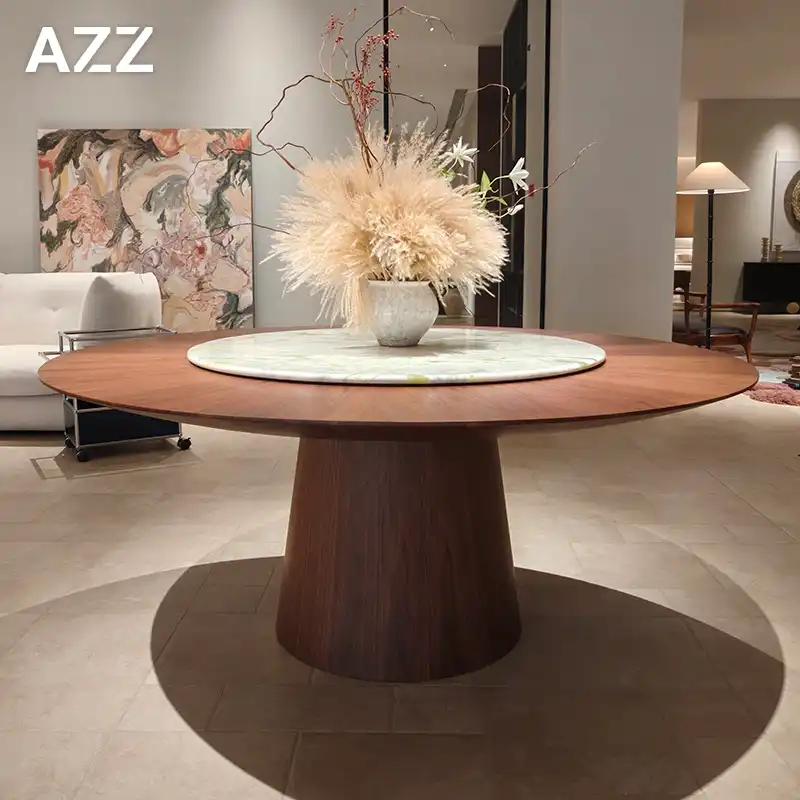
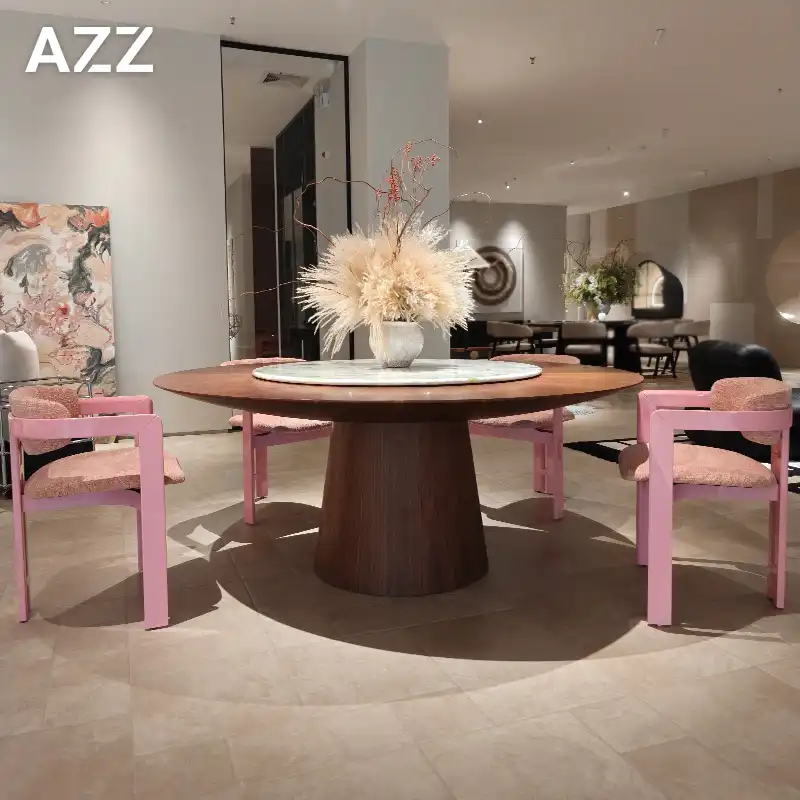
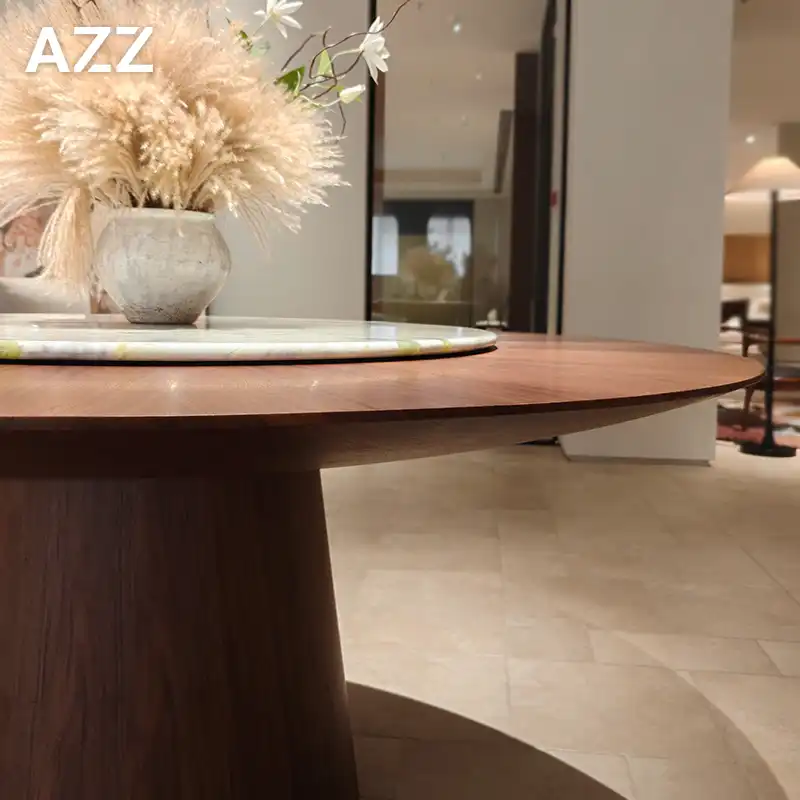
Solid Wood: Timeless Appeal with Structural Strength
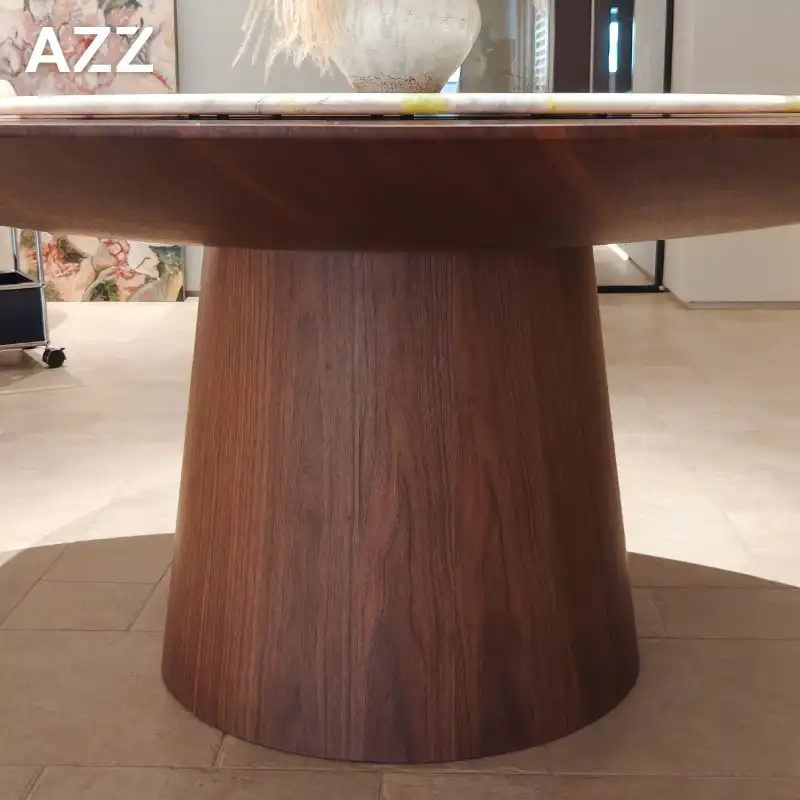
For high-end setups, solid wood is still the best choice. Walnut, oak, and ash look warm because of their natural grain patterns, and they can also hold a lot of weight. Multilayer building with solid wood improves physical stability, which lowers the chance of warping in temperatures that change. Walnut veneer finishes, which are popular on pedestal-style designs, are both affordable and stylish. For maintenance, dusting with dry cloths on a daily basis and using wood-specific cleaners every so often to keep the shine are necessary.
Metal Bases: Industrial Durability for High-Traffic Zones
Heavy-duty bases for industrial chairs are made of metal, especially high-pressure die-cast aluminum and steel. Metal bases are better at resisting damage from impacts than wood bases, so they can be used in hotel eating rooms and workplace cafeterias. Surface treatments like electrostatic powder coating or UV-cured surfaces make things less likely to get scratched. Lowering the center of gravity with cast iron or sand ballast is a common way to use internal weighting systems to keep structures from tipping over when loads are applied unevenly.
Marble and Stone Surfaces: Luxury Meeting Functionality
Natural marble tops, like Carrara and Arabescato types, make office settings look more elegant, and a UFO round dining table fits this aesthetic. Stone surfaces are very resistant to scratches and heat, which is important for places with a lot of foot traffic. Glacial jade marble has a unique veining and transparency that makes eating encounters better. Transparent polyester resin seals make surfaces less porous, which keeps wine and acidic substances from coloring them. Sintered stone options look similar and have higher Mohs hardness values (above 6), making them perfect for heavy-use situations.
Engineered Wood and Composites: Cost-Effective Versatility
High-density fiberboard (HDF) with lamination finishes is a good way to buy things on a budget without losing quality. Engineered materials allow modular customization in size and color, which makes it easier for property owners to place large orders for multiple units. Modern blends are better at keeping water out than solid wood, which makes products last longer in wet places. The lighter weight of these materials means they can be shipped more easily and look great in modern rooms.
When procurement workers know about these material properties, they can make choices that meet business needs. Combining different types of materials is especially helpful for centralized pedestal designs. For example, marble tops on weighted metal bases provide support without interfering with the corner legs. This "leg-free zone" makes the most of small areas by maximizing the number of seats that can fit.
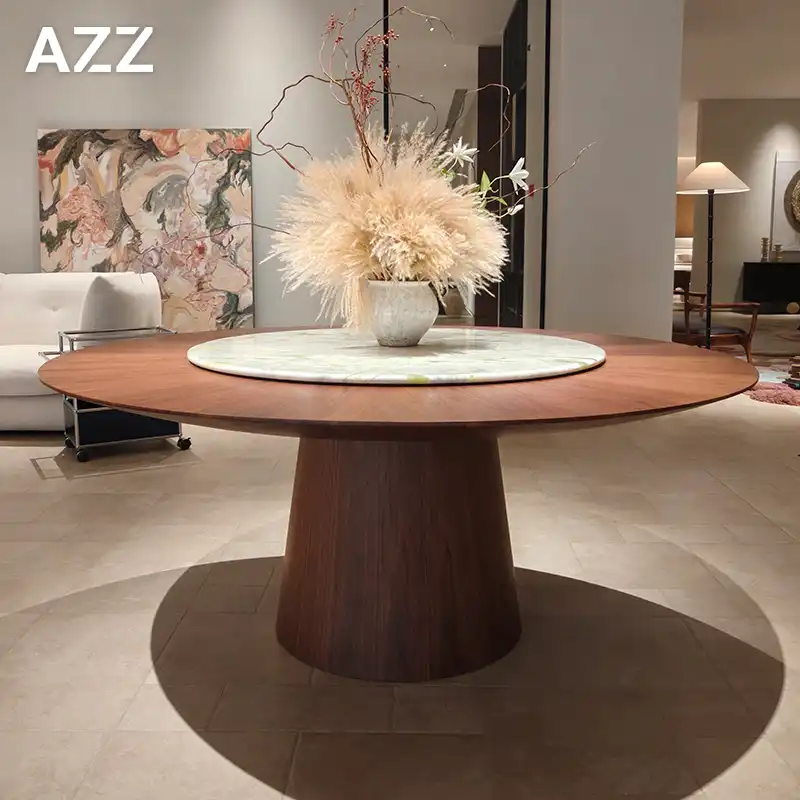
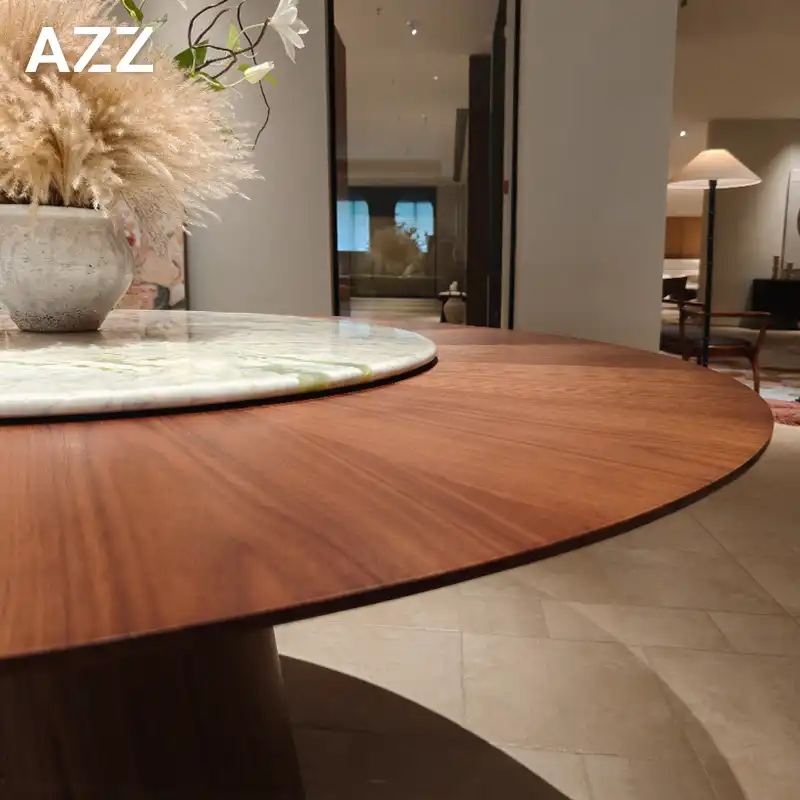
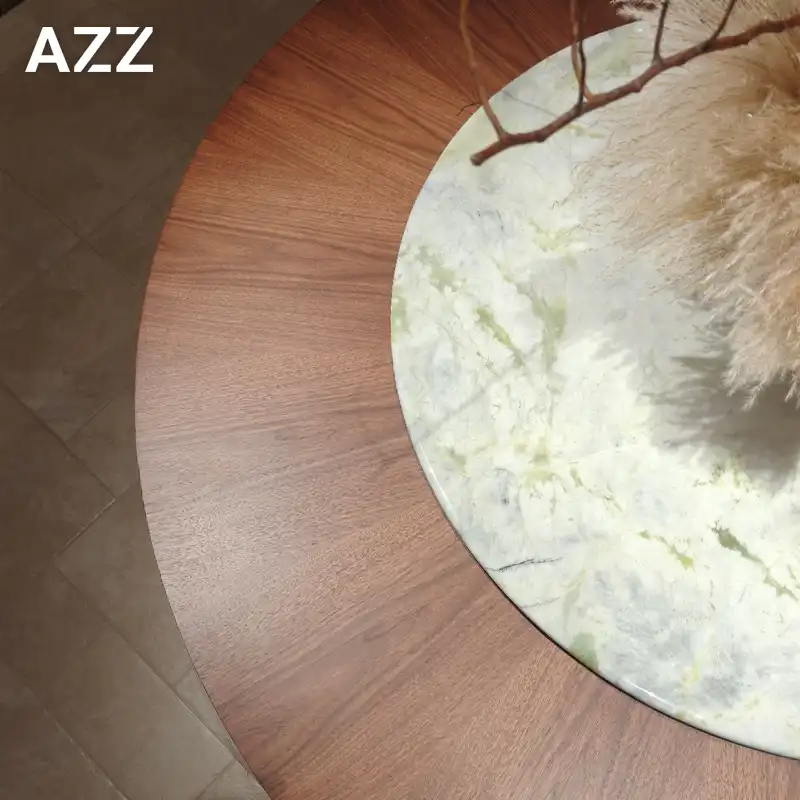
Comparing Popular Materials for UFO Round Dining Tables
When you compare materials, you can see the trade-offs that affect choices about what to buy at different job sizes for the UFO round dining table.
Solid Wood versus Metal: Balancing Aesthetics and Durability
Solid wood bases give off a natural warmth that works well in private hospitality settings, small hotels, and serviced flats. Curved wooden panels in the shape of artistic shapes bring to mind mid-century modern styles while also following current design trends. Metal bases, on the other hand, work best in business settings with a lot of foot traffic that need to be cleaned often. Single-stem metal pedestals make it easy to mop and vacuum without any problems, which lowers the cost of upkeep work. Metal is preferred by procurement teams that run restaurant chains or business eating halls because it lasts longer under heavy use.
Marble versus Wood Tabletops: Maintenance and Visual Impact
Care for marble surfaces in a certain way, and they will look beautiful for a long time. Cleaning with pH-neutral products keeps surfaces from rusting, and cleaning up spills right away keeps them from coloring. The feel of wood is warmer, and it's lighter, which makes fitting easier. But trivets and coasters must be used to protect wood from heat damage. With the UFO round dining table, these worries are taken away by marble's natural resistance to heat, which makes it better for places where operations need to be kept simple to cut down on training time.
Eco-Friendly Material Considerations
As demands for corporate social duty grow, sustainability plays a bigger role in how businesses buy things. Green building standards are met by wood sources that are FSC-certified, which means they use responsible farming methods. Recycled metal parts are better for the earth and keep the structure's strength. Low-emission treatments and water-based lacquers help improve the air quality inside buildings, which is especially important for schools and hospitals. When bids are being considered, suppliers who offer proven sustainability skills have an edge over other suppliers.
Comparing these important features helps buyers figure out how much it will cost to own the car in the long run. Marble is more expensive at first, but it lasts longer and needs to be replaced less often, which makes up for its higher initial cost. On the other hand, engineered wood is cheaper at first and is better for short setups or projects with limited funds. These things have a direct effect on how much multi-year contracts cost in total.
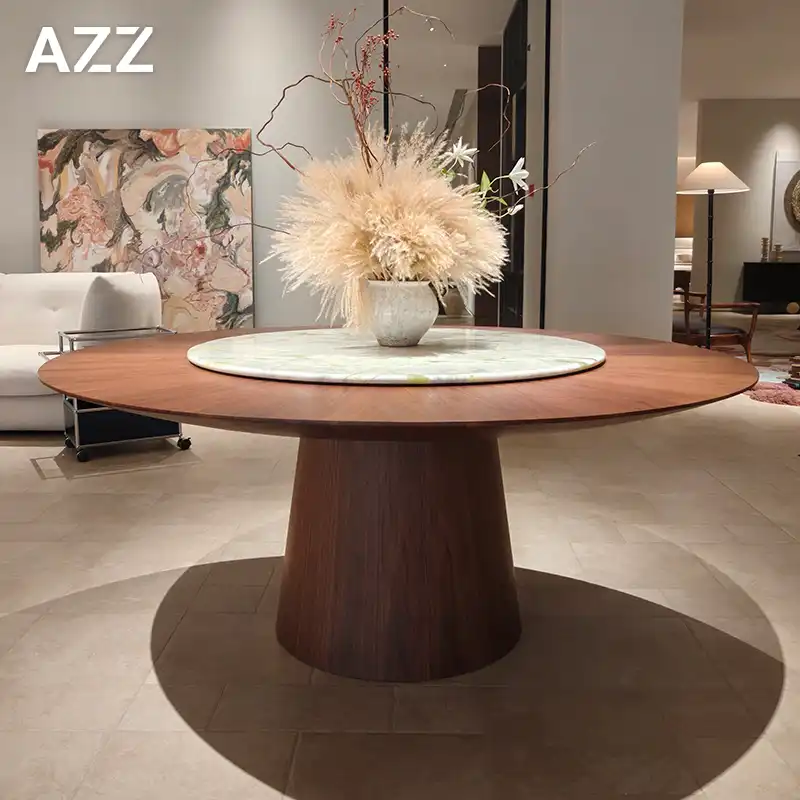
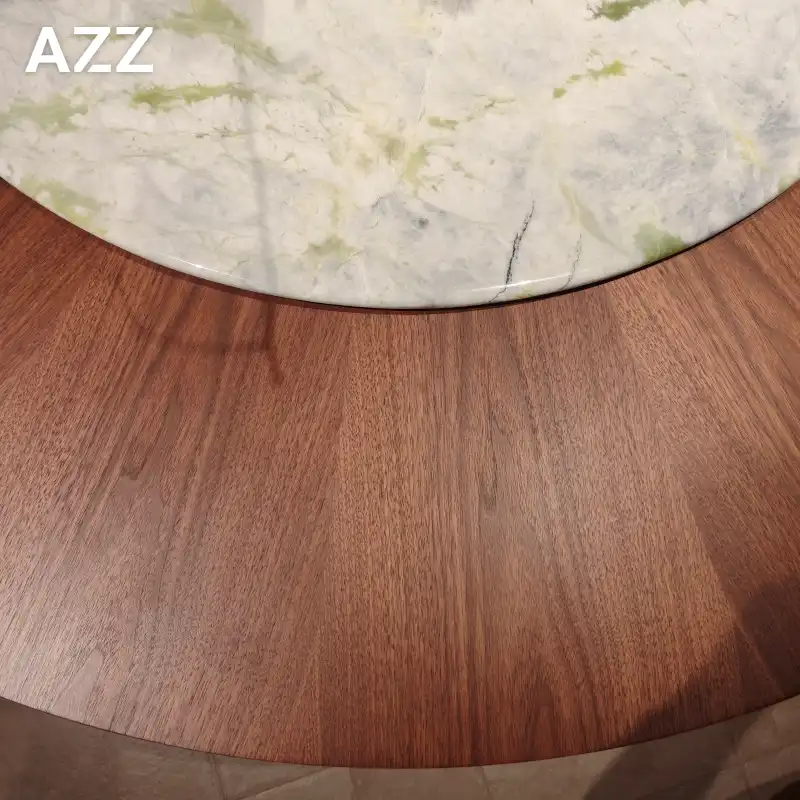
How to Choose the Best Material for Your Round Dining Table Needs
The choice of materials depends on the working situation and the procurement goals.
Load Capacity and Structural Requirements
In commercial settings, tables need to be able to handle uneven loading because people may lean on them or put big things on them in different places. Bases made of metal that are strengthened and have internal ballast systems can handle these pressures well. Weight distribution limits should be included in the specifications. Good designs pass the ANSI/BIFMA X5.5 stability tests even when support systems are centralized. People who are buying furniture for senior boardrooms or joint office spaces should look for tables with hollow pedestals that hide cables and allow for AV connections without adding to the clutter on the desk.
Maintenance Demands in High-Use Environments
Hospitality buyers look for materials that can stand up to regular cleaning procedures. Commercial-grade chemicals can't etch polyester-coated marble surfaces, which is important for keeping cleanliness standards. Wood bases covered with long-lasting lacquers don't need to be refinished as often, which means less downtime for business. Adjustable, non-marking levelers hidden under the base rims even out floors that aren't level, stopping the wobble that wears things down faster. These features cut down on repair calls and service times, which lowers the cost of ownership over time.
Cost Efficiency and Supplier Reliability
When sellers consistently produce high-quality goods and deliver on time, savings of scale can be reached through bulk purchasing, for example, the UFO round dining table. Manufacturers with specialized facilities, like 50,000-square-meter plants, keep their stock ready for big orders. Production times of about eight weeks make it possible for project managers to plan setups around building schedules. Remote pre-shipment checks make sure that quality standards are met before foreign logistics start. This keeps returns and delays to a minimum, which saves money.
Design Compatibility and Customization Flexibility
Different brands and space needs can be met by modular design systems. Customization choices for sizes, materials, and styles make it possible to match current interior designs. When buying for hotel groups or serviced apartment companies, purchasing directors need to make sure that all of the properties have the same style. This can be done by working together with suppliers on design. Before placing large orders, people can see how materials will work together and how good the finish will be by visiting showrooms—ideally 20,000-square-meter areas that show off the whole line of products.
These ideas are shown through examples from the real world. When property developers furnish model flats, they choose engineered wood choices that are lighter so that the furniture doesn't have to be moved around as much during showings. On the other hand, resort procurement teams choose solid marble tops for outdoor eating patios because the stone is resistant to weather and doesn't need much upkeep. Matching the properties of a material to its intended use improves its performance and value.
Maintenance and Longevity: Caring for Different Table Materials
Good care procedures make products last longer and protect the money you spent on them.
Wood Base Care: Preserving Natural Beauty
Abrasive particles that dull finishes don't build up when you dust regularly with soft, dry cloths. Wood-specific cleaners that are used every three months keep veneers healthy and the gloss level high. Do not use harsh chemicals or too much water, as these can weaken adhesive ties in layered designs. Every year, check the joints, especially in bent pedestal designs where stress builds up at the connection places. Tightening center bolt assemblies with the right amount of torque stops them from coming loose because of changes in temperature in different locations.
Marble Surface Maintenance: Protecting Against Damage
To keep marble from getting stained, spills must be cleaned up right away, especially ones that contain acidic substances like vinegar or orange juice. To keep shiny surfaces from getting scratched, use cleaners that are pH-neutral and cotton cloths. Periodic resealing, which usually happens every 12 to 18 months, keeps defenses against water getting in. For the UFO round dining table, setting clear cleaning rules as part of housekeeping staff training programs is helpful for businesses because it makes sure that care standards are the same across shifts.
Metal Base Upkeep: Ensuring Structural Integrity
Check powder-coated metal bases for cracks or chips that let the materials underneath rust. Touch-up paint that matches the original finish quickly fixes small harm. Check the leveler's performance often and make any necessary adjustments when the tables move. Metal is naturally more durable than wood, so it doesn't need to be maintained as often. However, paying attention to the metal in joints keeps them from breaking down under heavy use.
Warranty Coverage and Supplier Support
Full warranties show that the maker trusts the quality of the materials and the way they were built. Coverage terms for structure flaws, finish wear, and hardware breakdowns should be written into procurement agreements. When maintenance questions come up, suppliers who offer advice services after the sale can help, which strengthens long-term relationships. The ability to check goods remotely before they are shipped shows a commitment to quality assurance, which lowers the risk for buyers from other countries.
These upkeep habits have a direct effect on the total cost of ownership. Well-kept tables keep their good looks and structural integrity, which saves money on repair costs and keeps property prices high. Long-term results are better for procurement professionals who include maintenance concerns in the criteria they use to choose vendors.
Market Trends and Emerging Innovations in Round Dining Table Materials
Modern buying is shaped by new materials and changing consumer tastes.
Advanced Composite Materials
When natural and manufactured materials are mixed together, the performance of the materials is improved. Fiberglass-reinforced plastics are very strong for how light they are, which cuts down on shipping costs while keeping the sturdiness. Different surface processes can be used on these compounds, which lets you customize them without any material limits. New plastic formulations make them more resistant to UV light and impacts, which means they can be used in more outdoor settings.
Sustainable Sourcing and Certification
People who care about the environment want approved renewable materials. FSC-certified wood comes from forests that are managed in a responsible way, and recycled metal parts cut down on the use of new resources. Commercial buildings that want to get LEED approval can use finishes and materials with low emissions. In buying processes that care about the environment, suppliers who clearly record where materials come from and how they were processed have a competitive edge.
Finish Trends and Color Preferences
In comparison to the black-and-white minimalism of the past few years, natural wood tones with obvious grain patterns are popular in design right now, such as the UFO round dining table. The look of walnut finishes works especially well in high-end homes and small hotels. In well-lit rooms, matte lacquers cut down on glare and hide minor wear, making the finish look like it's been there longer. Stone surfaces in basic colors like gray, white, and soft beige can be used with a wide range of dishes and home decor styles.
Impact of Remote Work and Flexible Spaces
Changing work habits affect the requirements for business furniture. Hybrid office models need furniture that can be used for more than one thing, like eating, working together, and casual talks. Tables with wire management and flexible designs can be changed to fit different room sizes. Hospitality places that turn eating areas into co-working spaces during off-peak hours are looking for furniture that is both aesthetically pleasing and useful in a variety of ways.
These changes in the market affect strategy choices about procurement. Making sure you keep up with new materials and design trends makes sure that the furniture you buy stays useful for a long time. Suppliers who show they are aware of these changes by being able to create new products and make changes to existing ones place themselves as useful long-term partners.
Conclusion
Choosing the right materials for round eating tables, such as the UFO round dining table, means finding a balance between how they look and how well they work. Solid wood is warm and classic, metal is strong and long-lasting, and marble surfaces are both stylish and useful. When procurement workers know how these materials work in different settings, like high-traffic restaurant floors and senior boardrooms, they can make decisions that are within budget and meet quality standards. New materials and concerns about sustainability are still changing the market, and buyers will benefit from working with providers who show technical know-how and the ability to adapt to specific needs. A careful look at both the materials and the suppliers saves the money spent on buying and helps the project succeed in the long run.
FAQ
1. What weight capacity should I expect from a centralized pedestal design?
When built correctly, good pedestal tables with internal balance systems can usually hold 150 to 200 kg of weight spread out evenly. When there is uneven loading, like in a restaurant, metal bases with cast iron weights work best. To make sure there are safety margins, check that the specs include references to the appropriate stability testing standards.
2. Are eco-friendly material options available for bulk orders?
Manufacturers with a good reputation offer FSC-certified wood, recycled metal parts, and treatments with low emissions that meet green building standards. During the buying process, ask for proof of claims about sustainability. These choices usually don't cost much more than the other options, and they help LEED-certified projects meet compliance requirements.
3. How does material selection affect shipping logistics?
Marble countertops add a lot to the weight of a package and need special packaging to keep them from breaking while in transit. Engineered wood replacements cut down on shipping costs and make handling easier. When planning foreign shipments, talk to your suppliers about how to optimize the packaging, making sure that security needs are balanced against the cost of shipping. Delivery times depend on the facilities and customs steps at the location.
Connect with Azz Furnishings for Premium Round Dining Table Solutions
Azz Furnishings is an expert at making round dinner tables of the highest quality that meet strict B2B purchasing standards. Our 50,000-square-meter production center uses digital ERP systems and 6S management practices to make sure that the quality of all large orders is the same. We let you choose from a wide range of sizes, materials, and styles, and our 3D design tools let you see exactly what the finished product will look like before it's made. As an experienced UFO round dining table provider, we offer eight-week production times and remote pre-shipment checks to make sure you're happy. You can see the quality of our materials for yourself in our 20,000-square-meter showroom, or you can email our team at shiyingfan826@gmail.com to talk about your project needs and get low bulk price that fits your needs.
References
1. Chen, M. & Rodriguez, P. (2023). Material Science in Contemporary Furniture Manufacturing: Durability and Aesthetic Integration. Furniture Production Quarterly, 47(3), 112-128.
2. International Furniture Design Council. (2024). Sustainability Standards and Certification in Global Furniture Supply Chains. Annual Industry Report, Geneva.
3. Thompson, J. (2022). Commercial Furniture Procurement: Strategic Considerations for Hospitality and Corporate Environments. Facilities Management Press, Boston.
4. Liu, Y. & Andersson, K. (2023). Engineered Wood Products and Composite Materials: Performance Analysis in High-Use Applications. Materials Engineering Journal, 56(2), 89-104.
5. European Furniture Manufacturers Association. (2024). Market Trends and Consumer Preferences in Dining Furniture 2024. Brussels: EFMA Publications.
6. Wu, H. (2023). Maintenance Protocols for Natural Stone Surfaces in Commercial Dining Environments. Hospitality Operations Review, 19(4), 67-82.