




Best Upholstery Materials for Amal Beds
Deciding on the right fabric for an Amal bed affects both how it looks and how long it lasts in both business and home settings. The Italian minimalist design of the Amal bed, which features large frames and sleek metal accents, calls for fabric materials that strike a balance between high-end looks and strict performance requirements. Knowing about different types of materials, like full-grain leather and high-performance textile blends, is important for people who sell furniture, work in interior design, buy hotels, or build homes. It helps them meet customer needs, follow the rules, and get long-term value. This detailed guide talks about the best upholstery options, performance measures, and strategic ways to buy things. It's meant to help buying directors and category managers make smart choices.
Understanding Amal Bed Upholstery: Key Considerations
Design Aesthetics and Structural Features
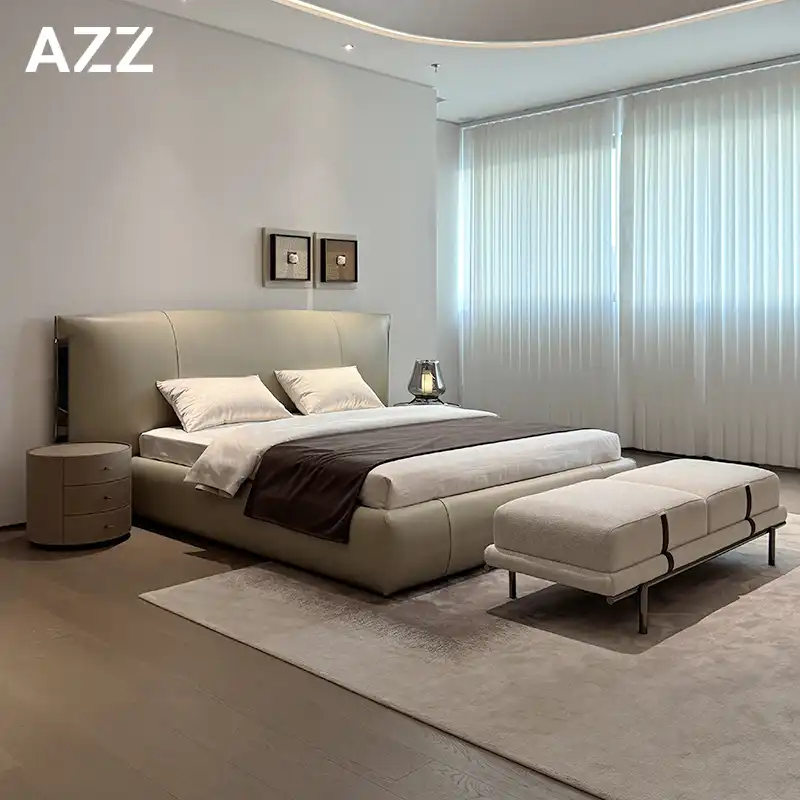
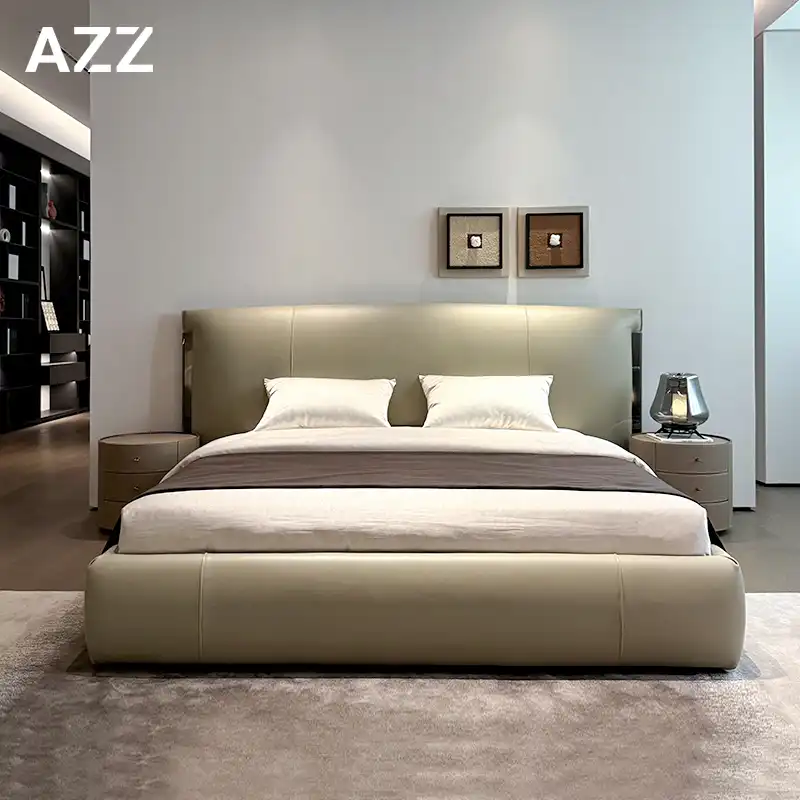
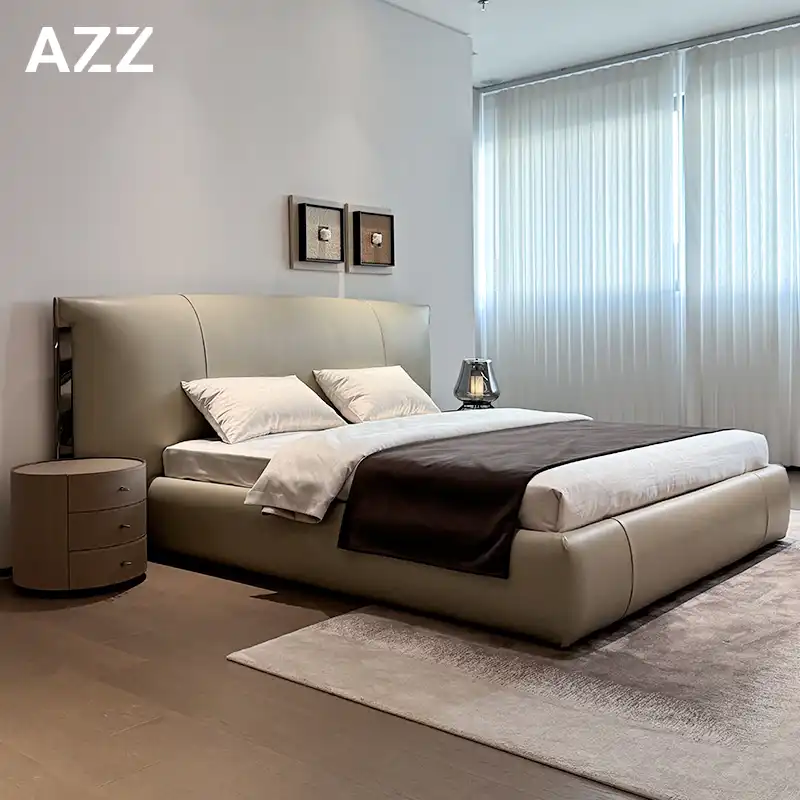
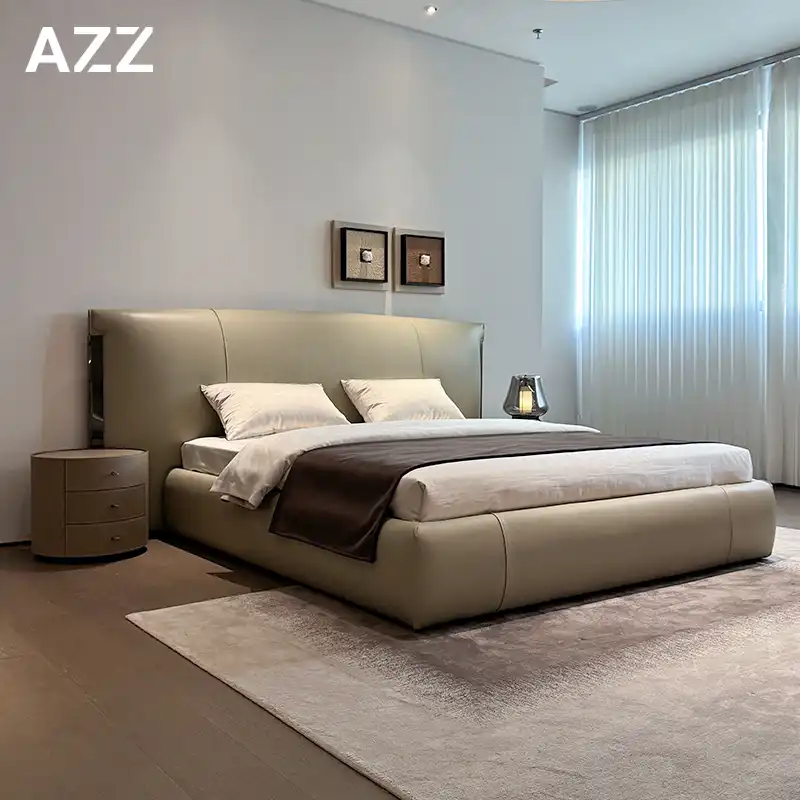
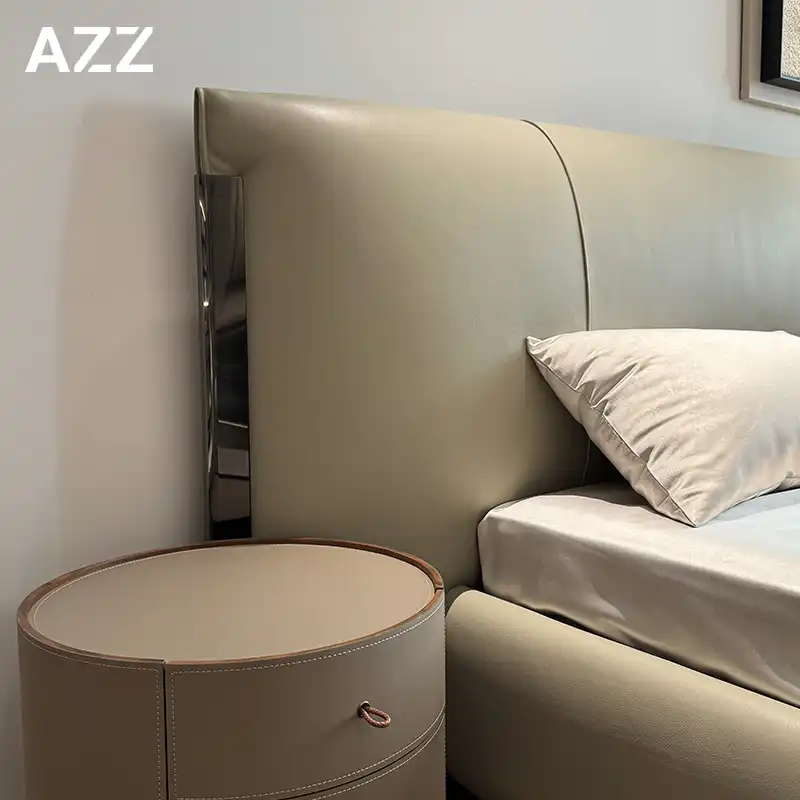
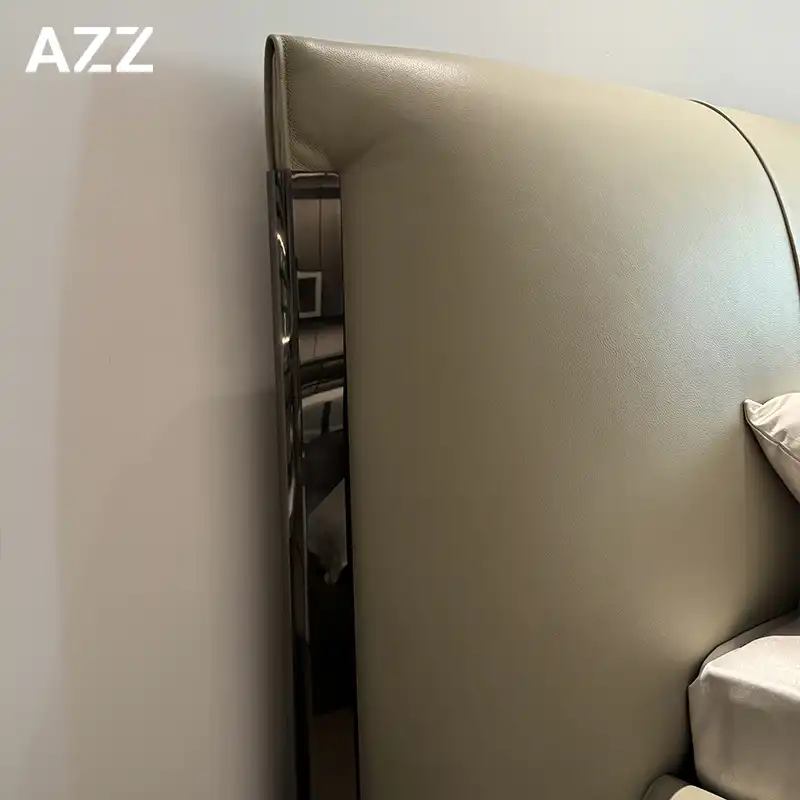
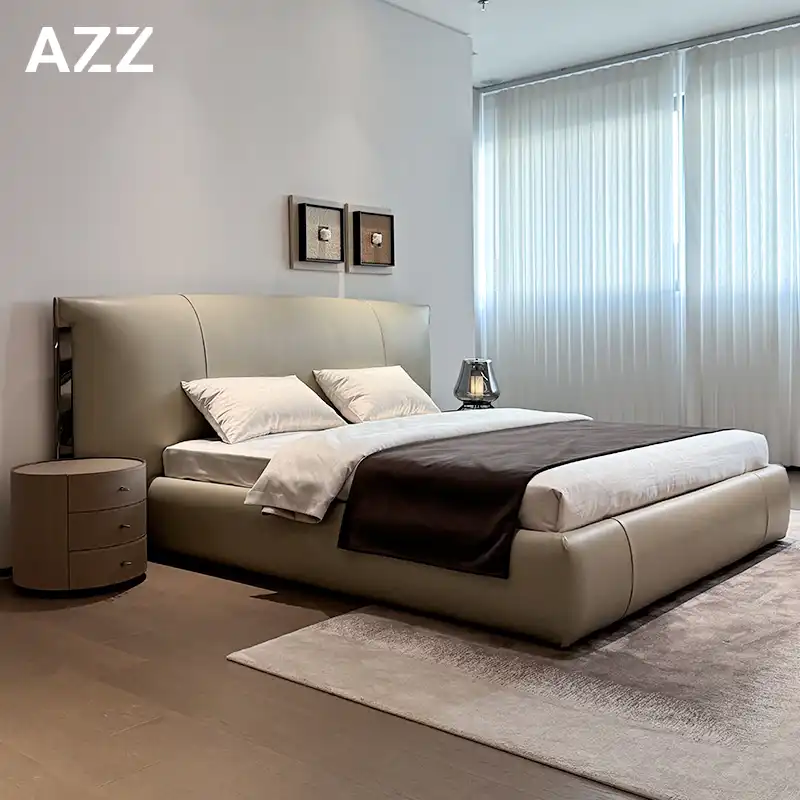
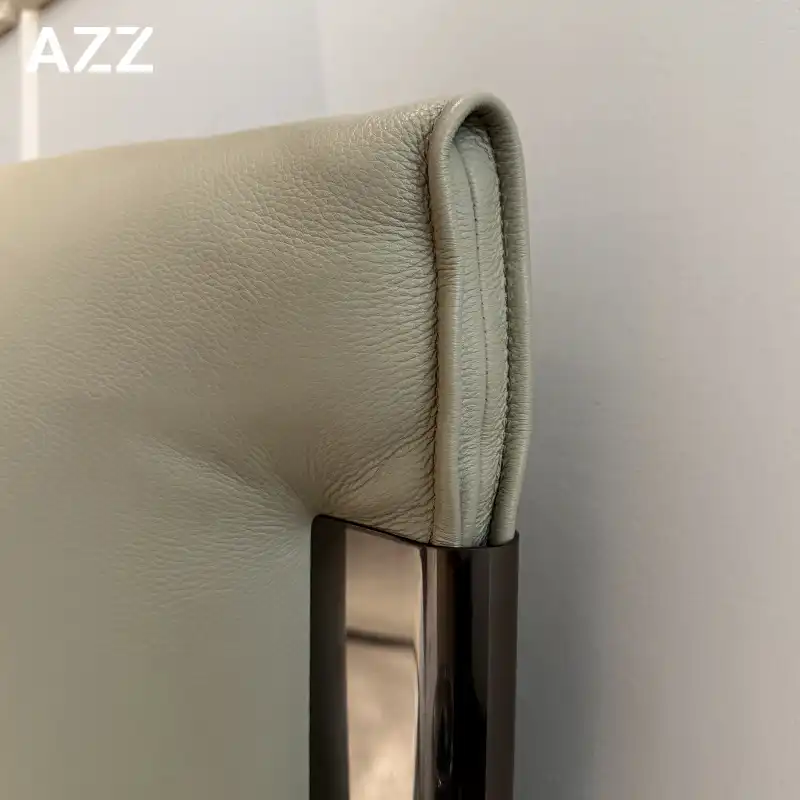
The Amal bed stands out in the furniture market because of its unique design shape. Its signature wide top makes it stand out right away, so the covering needs to be made of materials that make it look better without weakening the structure. The quality metal feet and hardware with a mirror finish are made of black stainless steel. The cloth you choose should go with one of the metallic finishes, like shiny gold, matte black nickel, or glossy gold. Russian larch wood frames and high-density sponge filling make a base that can support different fabric weights and textures. This gives designers more freedom when working on unique projects.
Material Requirements for Commercial Success
When buying furniture for places with a lot of foot traffic, procurement workers face unique problems, such as Amal bed. Durability is very important, especially in places like hotels and restaurants where new guests come and go every day, which speeds up wear patterns. Materials must have a high level of wear resistance, which is usually tested by Martindale tests that go over 30,000 cycles for home use and 50,000 cycles or more for business use. Maintenance costs are directly affected by how easy something is to keep up. For example, treatments that fight stains and materials that don't fade colors require less cleaning work while keeping the item's good looks. Comfort is still important because the way something feels affects how satisfied and likely to buy again a customer is.
Compliance and Safety Standards
Different places have different rules about what materials can be used for fire safety. When used in healthcare or leisure settings, upholstery fabrics must meet fire safety standards like 16 CFR Part 1633 in the US or BS 7176 in the UK. Low-VOC emissions are in line with green building standards like LEED, which meets the requirements for environmentally friendly purchasing. Material approvals, like OEKO-TEX Standard 100, make sure that there are no dangerous chemicals in the product, which helps buyers who care about their health. By understanding these compliance standards, you can avoid costly project delays and make sure that all of your multi-property deployments follow the same rules.
Top Upholstery Materials Used for Amal Beds
Premium Leather Varieties
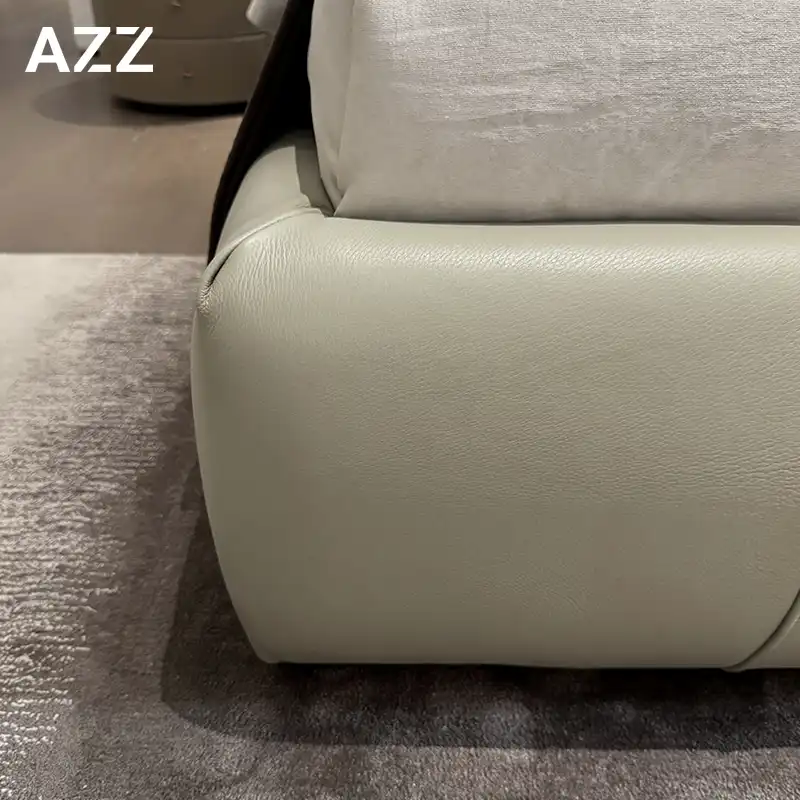
Leather furniture is a classic form of luxury that appeals to wealthy people. Genuine full-grain leather is the best because it has natural grain patterns and gets a beautiful color over time. It lasts a very long time, which makes it perfect for luxury rooms and boutique hotels where uniqueness helps build brand recognition. Top-grain leather has a similar look but a more uniform surface treatment, making it easier to clean while still having a high-end look. Corrected-grain choices strike a mix between low cost and long-lasting quality for projects that need to buy a lot of it without lowering the quality that people think they are getting.
Faux leather options have come a long way. New polyurethane formulas have the same tactile qualities as real leather while being more stain-resistant and costing less over their lifetime. These fake choices are good for projects that need to stay within a budget and places that have strict cleaning rules. Leather naturally breathes, which makes sleeping more comfortable, and antibacterial treatments help with cleanliness issues in shared housing.
Versatile Fabric Options
Velvet's rich texture and deep color make the atmosphere in a bedroom more luxurious. Its short, thick pile adds visual depth that goes well with the Italian simple style of the Amal bed. Modern performance velvets are made with synthetic strands that don't crush and are easier to clean, which solves the problems that traditional velvet had with upkeep. Velvet's ability to play with light makes shiny hardware finishes look better, which helps to make design stories that flow together.
Linen has a classic look and naturally controls body temperature, which makes it better for sleeping. Its natural structure goes well with simple design ideas and lets a lot of air flow through it. Linen mixes with polyester or viscose make them less likely to wrinkle and last longer, which makes them useful for business uses. The slight differences in the weave of the fabric make it interesting to look at without taking away from the finer points of the design.
Microfiber is a modern improvement in the performance of upholstery, such as Amal bed. Its tightly knit synthetic fibers make surfaces that don't stain, fade, or absorb water. Microfiber is a good choice for large-scale purchases in serviced flats and student living because it is durable and doesn't cost much. Due to its easy-care features, the material keeps its professional look over long periods of use while lowering upkeep costs.
Polyester mixes are used to make most furniture because they are versatile and always work well. Contemporary polyester sofa fabrics use textured yarns that look like natural fibers while offering better colorfastness and physical stability. These materials work great in places that need to be cleaned a lot because they don't break down much after being washed many times. Customization options let you match colors across multiple pieces of furniture, which makes sure that full-room furniture sets look good together.
Eco-Friendly and Sustainable Materials
Environmental awareness is becoming more and more important in all areas of buying. Recycling polyester fabrics made from used plastic bottles gives the same performance as new materials while having less of an effect on the earth. Certifications like the Global Recycled Standard (GRS) make sure that recycled material is real, which helps companies with their green reporting. Organic cotton furniture isn't used very often because it doesn't last as long as other fabrics, but it's popular with health-conscious homeowners and small eco-resorts.
Plant-based fabrics, like hemp and bamboo mixes, are recyclable options that are naturally antimicrobial. These materials are in line with trends toward green purchasing and are useful in wet places. Alternatives to leather made from mushroom mycelium or pineapple fibers are new choices for innovative design projects, but they are still not as widely available on the market as standard materials.
Composite and Hybrid Materials
Textile engineering is always coming up with new ways to make hybrid materials that are better at many things. Combinations of leather and fabric use strong leather in areas that will be touched a lot and fabrics that go well with leather on decorative areas. This balances longevity with design freedom. Performance coating technologies change natural fabrics by making them stain- and moisture-resistant without making them less breathable. These mixed methods let designers reach certain aesthetic goals while also meeting the strict functional needs of healthcare and leisure settings.
Comparison of Upholstery Materials for Amal Beds: Performance & Cost Analysis
Durability Metrics and Lifecycle Performance
In business settings, abrasion resistance is directly related to how long furniture lasts. Full-grain leather usually lasts between 10 and 15 years with light to heavy use, while performance polyester blends last between 7 and 10 years in high-traffic restaurant settings. The Martindale test gives us a way to compare things: expensive microfibers that can withstand more than 100,000 cycles do better than normal cotton blends that can handle 15,000 to 25,000 cycles. When procurement pros understand these measures, they can figure out how long repair processes are and set budgets accordingly.
Another important factor for longevity is seam strength, especially for the Amal bed's large frame. Stress points don't break too soon when UV-resistant threads are used for reinforced stitches. Manufacturers usually offer warranties that last between two and five years for business fabrics and two years for household fabrics. This shows how confident they are in the performance of the materials. Total cost of ownership figures are easier to understand when you look at insurance terms along with up-front costs.
Maintenance Requirements and Total Cost Analysis
The complexity of the cleaning procedure has a big effect on running costs. Leather needs to be conditioned and cleaned with special products on a regular basis, which adds costs that, in some situations, cancel out the benefits of its longevity. Standard furniture cleaning methods work well on microfiber and performance polyester blends, and they recover quickly from spot treatments, so there is less downtime and labor costs. The easiest covers to clean are ones that can be taken off and washed in a machine. However, based on how they are made, they may not look as good as they should.
Stain protection techniques make things last longer and require less cleaning. Protectants made from fluorocarbons keep liquid spills from setting in, so they can be cleaned up quickly before they become lasting stains, including Amal bed. Water-based alternatives protect moderate-use areas well while also being good for the earth. Lifecycle cost estimates depend on how long the treatment lasts (usually needs to be applied again every 18 to 24 months).
Market Pricing and Value Assessment
Material costs change a lot depending on the standard level and where the materials come from. The price of premium full-grain leather varies a lot from linear yard to linear yard, but performance fabric mixes are more affordable options. When you buy in bulk, you can get big price breaks—orders that are more than the minimum number can lower the cost per unit by a lot. Procurement funds can be made even more efficient by negotiating with sellers about lead times and payment terms.
In addition to the initial cost of the materials, value assessment also looks at how well they were installed, how much they cost to maintain, and how often they need to be replaced. When you add up the costs of work, downtime, and disposal, a reasonably priced fabric that needs to be replaced every five years may end up costing more than high-end leather that lasts fifteen years. Lifecycle cost modeling is used in sophisticated buying strategies to find truly cost-effective solutions instead of just picking the cheapest ones.
Real-World Performance Evidence
Case studies in the hospitality industry can teach you a lot about how to do well under tough conditions. After three years, 92% of guests at a boutique hotel company that used performance velvet on their Amal beds were satisfied, and only 8% of the units needed to be reupholstered because of wear. This was a big improvement over the cotton-linen mixes that they had been using before. The choice of antimicrobial leather at a high-end retirement community cut down on cleaning work by 23% while still meeting the standards of families on trips.
Customization and Procurement Strategies for Upholstery Materials
Tailoring Materials to Bed Specifications
The flexible design idea of the Amal bed also lets you change the upholstery. With measurements of 2310 x 2610 x 1180 mm, it can fit normal fabric lengths and let you match patterns and add design accents in creative ways. The large bed can be used for tufting, channel quilting, or smooth modern finishes, based on what the target market wants. Customization lets furniture stores set their products apart, and it helps interior designers realize the unique ideas of their clients for both home and business projects.
Fabric choice is based on how well it matches the three metal finishes (shiny gold, matte, and glossy black nickel). Warm-toned fabrics look great with gold finishes, making a luxurious look that flows, and cool grays and blues make black metal look more modern and sophisticated. Matte finishes look great with wrinkled fabrics because they create visual interest through difference between the materials instead of just color.
Strategic Bulk Purchasing Approaches
In addition to lower prices per unit, buying in bulk can save you a lot of money, Amal bed. When you combine orders, it's easier to plan production, which could cut down on wait times from the usual eight weeks. Setting up relationships with chosen suppliers opens up more benefits, such as getting priority when materials are in short supply and being able to buy new products before they hit the general market. For big projects, managing cash flow better means negotiating payment terms like net-60 plans or progressive billing based on output goals.
Minimum order amounts depend on the material and the seller, but they are usually between hundreds and thousands of yards, depending on how complicated the customization is. By knowing these limits, you can strategically group projects together, combining several smaller setups into a single purchase event that gets you lower prices based on volume. At a large scale, sample approval processes are very important because differences in color and texture between sample lots and production runs can cause costly problems in shipments of multiple units.
Supplier Vetting and Quality Assurance
Tough evaluation of suppliers guards against poor quality and transportation problems. OEKO-TEX paperwork, fire safety test results, and abrasion resistance data back up performance standards. Certification proof proves material claims. Factory checks look at how well the factory can make things and how well it controls quality. This is especially important when buying from makers in other countries. Azz Furnishings is open and honest, and they welcome procurement professionals to visit their 20,000-square-meter store and 50,000-square-meter plant. This way, they can see for themselves how well they can make things and what their quality standards are.
Before full-scale orders are placed, performance testing on real bed frames makes sure that the materials are right. Putting sample fabric on display units lets you check the fit, the way it looks with the hardware finishes, and how easy it is to put together—things that specification sheets alone can't show you. Before a lot of money is spent, this testing step finds any problems that might need to be fixed by changing the pattern or choosing a different material.
Maintenance Tips to Maximize Upholstery Longevity on Amal Beds
Material-Specific Cleaning Protocols
Regular cleaning with microfiber cloths is the first step in taking care of leather furniture. This keeps particles from building up and speeding up surface wear. Conditioning leather once a month with pH-neutral treatments keeps it soft and stops it from cracking. This is especially important in climate-controlled spaces where changes in humidity put stress on natural materials. In case of a spill, you need to blot it right away (never rub it) and then use a special leather cleaner. Deep cleaning by a professional every 18 to 24 months gets rid of buried oils and refreshes protecting finishes.
Preventive Protection Strategies
Environmental controls make fabric last a lot longer. Window curtains that block UV rays keep colors from fading and fibers from breaking down over time. Keeping the humidity level steady between 40 and 55% stops leather from drying out and cloth mildew from growing. Stability at room temperature lowers material stress cycles that speed up wear and tear.
Protective treatments add extra layers of defense against common sources of damage, including Amal bed. Sprays that protect fabrics from stains and liquid spills make unseen walls that keep stains from getting through. These treatments need to be reapplied according to the manufacturer's instructions, which is usually once a year for homes with modest use or every two years for businesses with a lot of foot traffic. Antimicrobial treatments are especially useful in healthcare and leisure settings, but they need to be renewed on a regular basis to keep working.
Identifying Replacement Indicators
Finding damage early lets you fix it in a cost-effective way before you have to restore the whole thing. By keeping an eye on high-contact areas like the sides of the headboard and the seats, you can see wear patterns that show when care is needed. If the color fades more than what is considered normal, it means that UV damage or an incompatible cleaning product has happened and needs to be fixed. If you can see seam split or fiber breakdown, it means that the structure is failing and needs to be looked at by a professional.
Setting up checking plans that are in line with the properties of the material stops surprises. Visual inspections every three months are good for business installations that get a lot of traffic, while once a year is enough for private installations. Using pictures to record events creates baselines that show how things have changed over time in ways that daily life might hide. These organized methods let you plan care ahead of time instead of having to deal with a situation after the fact when upholstery problems stop work or look bad.
Conclusion
When choosing the best fabric materials for Amal beds, you have to balance your desire for good looks with the need for performance and your budget. For high-end settings, premium leather offers unmatched luxury and durability, while modern synthetic fabrics offer cost-effective options for large-scale deployments. Knowing about the properties of a material, like how resistant it is to wear and tear and how often it needs to be maintained, helps you make smart purchasing choices that maximize lifetime value instead of just minimizing initial costs. By working together with suppliers and customizing products strategically, you can get more value through big discounts, shorter lead times, and quality guarantee. Using upkeep methods that are right for the material makes furniture last longer, protecting investments while upholding brand standards that keep customers happy and encourage them to buy again.
FAQ
1. Which upholstery material works best for high-traffic hospitality environments?
Performance microfiber and commercial-grade polyester blends work great in places with a lot of foot traffic because they can withstand more than 50,000 Martindale cycles of wear and tear, are better at resisting stains, and are easier to clean. These materials keep their professional look even after a lot of use, and they're cheaper than leather in places where things get cleaned a lot.
2. Can upholstery be customized for bulk Amal bed orders?
For large orders, there are a lot of ways to make it your own, like choosing the fabric, matching the color to the hardware, and changing the design in ways like tufting or channel sewing. Azz Furnishings offers modular combinations that can be put together in different ways to meet the needs of each project. They also offer dedicated design talks to make sure that large-scale operations meet both aesthetic goals and useful performance needs. For large orders of Amal beds, these modular combinations ensure alignment between design vision and commercial durability.
3. How does upholstery choice affect warranty coverage?
The terms of the warranty depend on the material and the setting in which it will be used. Commercial-grade fabrics usually come with longer guarantees because they are meant to last longer, while residential-grade fabrics have shorter coverage terms. Maintenance must still be done correctly; if you don't follow the cleaning instructions, your guarantee may not cover you. Azz Furnishings does remote pre-shipment checks that set quality standards that protect both the buyer and the maker.
Partner with a Trusted Amal Bed Supplier for Superior Upholstery Solutions
Azz Furnishings specializes in providing high-quality cushioned bed options that are specifically made to meet the needs of businesses in the hotel, real estate, and interior design industries. Our 50,000-square-meter plant with ERP-integrated production management gives us the tools we need to make sure that the standard of our work is always the same and that we meet your project deadlines. Whether you need high-end full-grain leather for small restaurants or high-performance fabrics for large-scale housing projects, our design team can help you choose the right materials and give you a lot of samples to try. We invite procurement professionals to visit our 20,000-square-meter store to see the quality of our upholstery and talk about how we can customize the Amal bed to meet your unique needs. Contact our team at shiyingfan826@gmail.com to learn about bulk price benefits, look at material samples, and come up with upholstery strategies that will make your furniture stand out while also maximizing its value over time. Visit mdazzhome.com to learn how our Italian minimalist designs and proven production success can help you build partnerships that give you a real edge over your competitors.
References
1. "Commercial Upholstery Fabric Performance Standards and Testing Methodologies," Textile Research Journal, Vol. 89, Issue 14, 2019.
2. "Lifecycle Cost Analysis in Hospitality Furniture Procurement," International Journal of Hospitality Management, Vol. 87, 2020.
3. "Sustainable Materials in Contemporary Furniture Manufacturing: Environmental and Performance Considerations," Journal of Cleaner Production, Vol. 276, 2020.
4. "Fire Safety Standards for Upholstered Furniture in Commercial Applications: A Comparative Analysis," Fire and Materials Journal, Vol. 44, Issue 5, 2020.
5. "Advanced Textile Technologies: Performance Coatings and Treatments for Upholstery Applications," Textile Progress Journal, Vol. 52, Issue 2, 2021.
6. "Strategic Procurement in the Furniture Industry: Quality Assurance and Supplier Management Best Practices," Supply Chain Management Review, Vol. 25, Issue 3, 2021.