




Coupe Chair vs Accent Chair: Key Differences
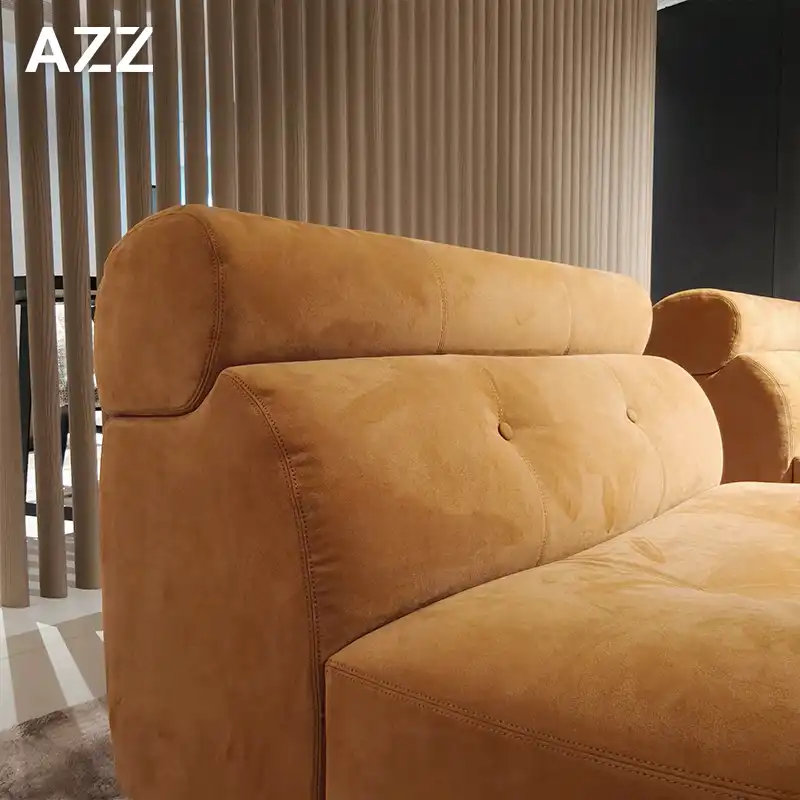
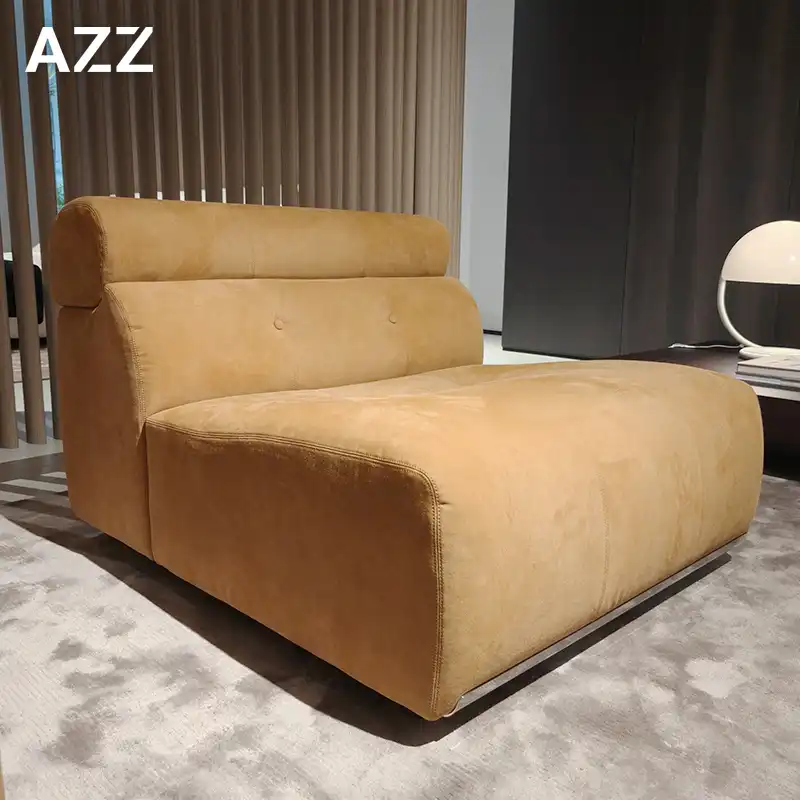
If you need to choose between a coupe chair and an accent chair for a business job, you need to know how their different design styles work. A coupe chair has a shell that goes around the user and provides better ergonomic support through its continuous backrest and built-in arms. It is perfect for eating areas and break-out areas in hotels and businesses where comfort and space economy are important. Accent chairs, on the other hand, focus on aesthetic flexibility and decorative effect, with a range of shapes that can fit into any room without the structural commitment of specialized seating. Depending on the functional needs and style idea of your project, each has its own procurement goals.
Understanding the Basics: What Are Coupe Chairs and Accent Chairs?
The Origin and Design Philosophy of Coupe Chairs
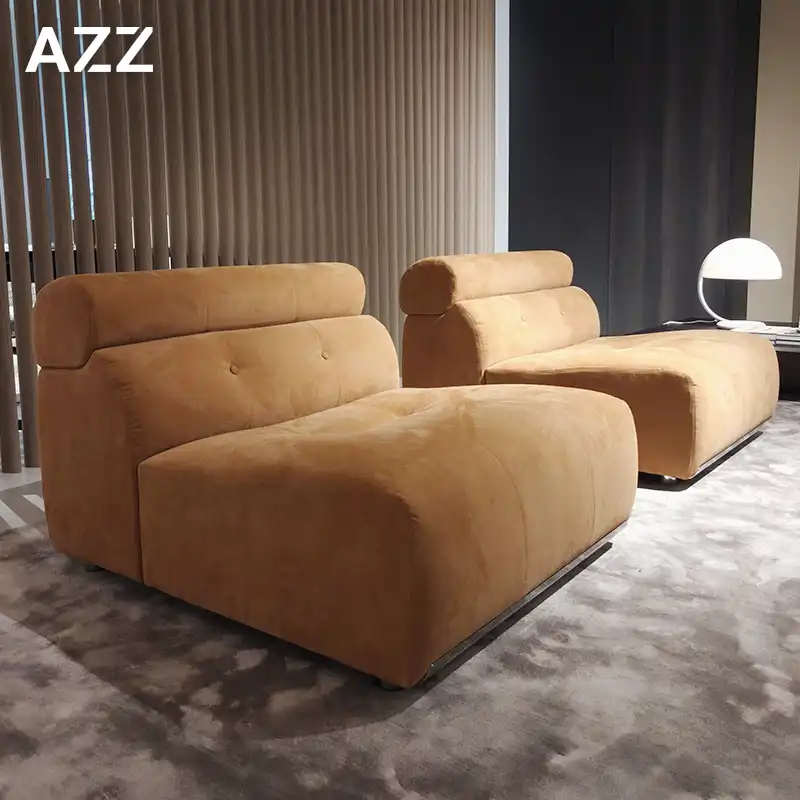
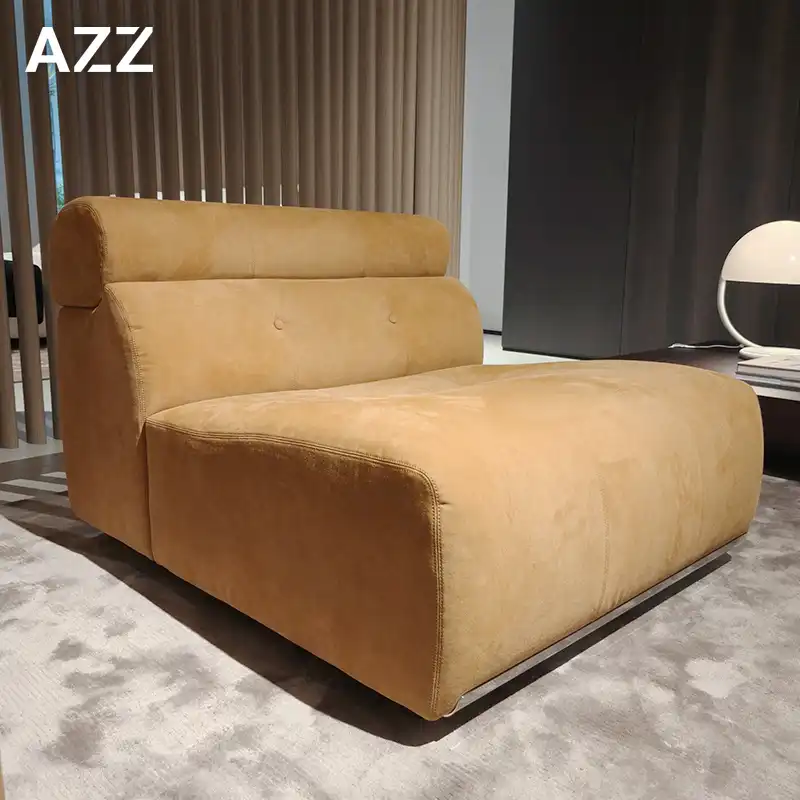
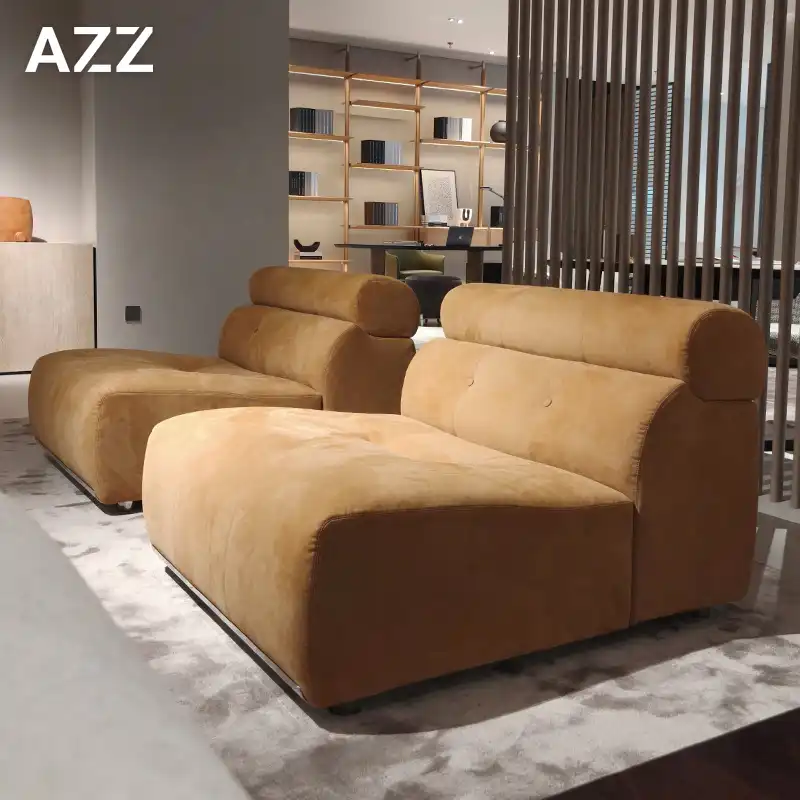
The coupe chair gets its name from the language used in cars, which suggests a sleek, closed shape that is both stylish and useful. This type of sitting came about during the modernist movements of the 1960s and 1970s, when designers tried to combine the beauty of sculpture with the comfort of people. The unique feature is its molded shell construction, which makes it "hugging" and lessens spine pain when you sit for long amounts of time. Premium models use bent plywood or fiberglass-reinforced materials along with high-resilience foam densities ranging from 45 kg/m³ to 60 kg/m³, which makes sure that the form stays the same over time when used in a business setting. The curved metal frames and custom upholstery give them both a retro look and modern practicality, making them perfect for high-end settings where comfort doesn't have to come at the cost of efficiency.

Accent Chairs: Decorative Versatility in Interior Design
Accent chairs are mostly used as visual points in both home and business settings. They come in a variety of styles that help bring the whole look together. There are a lot of different types of these chairs, from wingback and Coupe Chair vs Accent Chair: Key Differences to barrel and spool designs. This means that interior designers can add color, texture, and pattern to rooms without having to change the plan of the whole room. Accent chairs are more flexible than structurally specialized seating, so they can be used in hallways, waiting rooms, private stage areas, and store consultation zones. The frame is made of a lot of different things, from kiln-dried hardwoods to metal bases. The seating comes in leather, performance fabrics, and plush. Because there are so many options, buying teams can choose pieces that fit with the brand's style while still staying within their budgets for different stages of the project.
Key Applications Across Commercial Sectors
In B2B settings, each type of chair meets a different set of practical needs. Coupe chairs are great for high-traffic hospitality settings where longevity and a sense of luxury are both important. For example, restaurants can keep standard dining footprints while giving armchair-level comfort, and hotel hallways can benefit from the enclosed back design, which reduces noise. Accent chairs work best in places that need a quick visual update without having to make any changes to the structure. Accent chairs are popular with real estate developers who are setting up sample homes because they make conversation areas and bedroom corners stand out. More and more, hospitality procurement teams ask for coupe designs for breakfast areas and business centers. Accent chairs, on the other hand, are used in guest rooms and executive lounges where style variety is more important than strict ergonomic requirements.
Coupe Chair vs Accent Chair: Detailed Comparative Analysis
Frame Construction and Material Durability
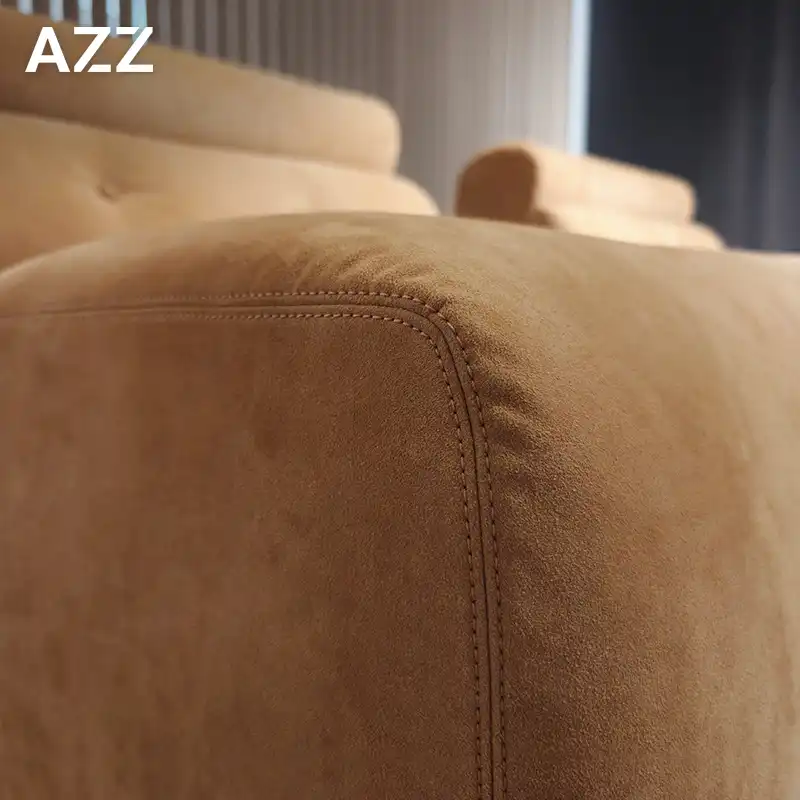
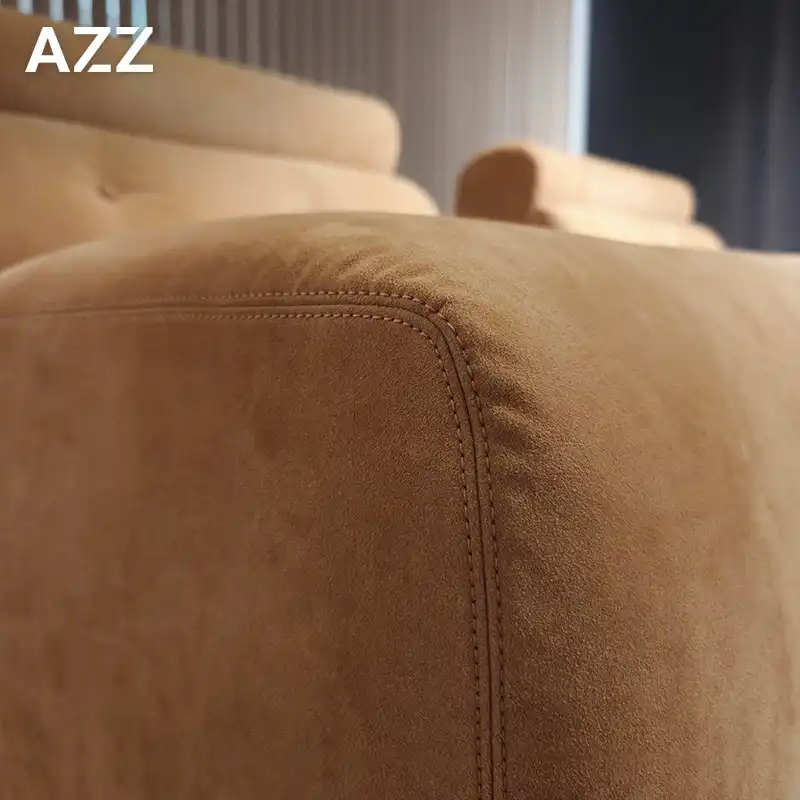
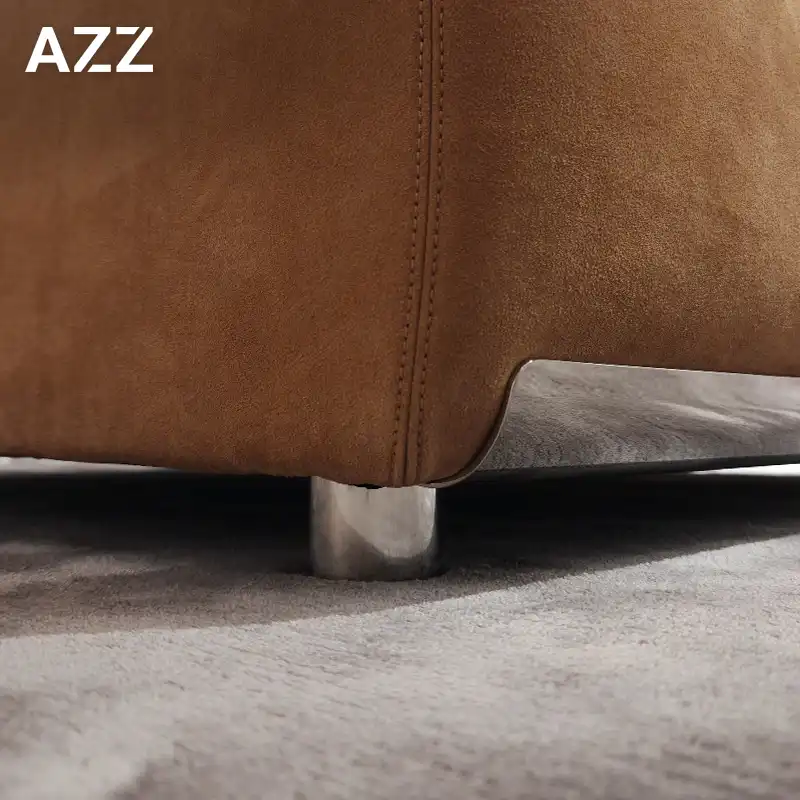
Structural stability makes a big difference between these two groups. Most coupe chairs have a strong frame inside made of quality springs, wire, and multiple layers of solid wood sheets. For extra sturdiness, the internal skeleton is made of Russian-imported larch and birch, and normal models can hold up to 250 to 300 pounds. High-quality, high-resilience sponge and memory foam are used to fill the seat and backrest. This creates a unique filling system that molds to the shape of the body while still keeping its shape after years of industrial use. Parts made of stainless steel with mirror finishes keep things stable and look great with the simple style.
Dimensional Considerations and Spatial Efficiency
A lot of choices about what to buy are based on space planning, and the dimensions of these chair types are very different. Coupe chairs usually have a width of 900 to 1000 mm and a depth of 680 to 750 mm. This makes them comfortable to sit in while still taking up a small amount of space. The form of the continuous shell gets rid of the visual bulk of separate armrests, which lets more units fit more closely together in waiting rooms or eating areas. When arms and backs are the same height, which is usually between 1000 and 1120 mm, there are clear sight lines in open-plan spaces.
Accent chairs come in a huge range of sizes, from small slipper chairs (600 mm wide, no arms) to huge club chairs that are over 1000 mm wide, including coupe chair. When decorating rooms with limited architecture options or strange floor plans, this versatility comes in handy. Hotels that are fixing up old buildings can ask for narrow accent chairs for hallway alcoves, while hotels that are building new hotels might choose statement pieces with big sizes for double-height lobbies, such as Coupe Chair. Because the sizes aren't all the same, designers have to be very specific, but they are rewarded with unmatched freedom in how they use room and handle traffic flow.
Customization Capabilities and Brand Alignment
The ability to customize has a big effect on the long-term consistency of a business and the ease of operations. The way we make things lets us make a lot of changes to the flexible combos, sizes, colors, and materials. The purchasing teams can choose from varnished or polished metal frame finishes, performance fabrics to high-end leathers for the upholstery, and changes to the sizes to fit different table heights or space needs. The soft shapes and carefully tailored details make seating that combines vintage inspiration with modern ideas. This lets hospitality groups keep the design consistent across multiple properties while also changing to local tastes in style.
Accent chairs usually come in a wider range of styles but can't be changed much in terms of their structure. Standard factory models have set sizes and can only be made from a few different materials. For custom orders, the minimum amounts are often too high for smaller projects or mixed-use sites to afford. This limitation is a problem for producers who need furniture that perfectly matches building millwork or brand color schemes. There is a gap between mass-market accent chairs and fully custom upholstery. This gives makers the chance to offer mid-level personalization, where customers can choose leg finishes, fabric grades, and small size changes without needing full custom equipment.
How to Choose Between a Coupe Chair and an Accent Chair for Your Business Needs
Evaluating Functional Requirements by Industry Context
When buying furniture for a hospitality business, buyers need to think about how long it will last, how well it works, and how nice it looks. The closed shell form of coupe seating gives better support for longer dinner experiences, keeping guests from getting tired during multi-course meals or breakfast buffet seating. The continuous cushion gets rid of cracks where food can gather, making cleaning easier and lowering the cost of long-term upkeep. Hotels that choose coupe designs for their business centers or club rooms get a professional look and comfortable seating that makes guests want to stay longer and leave good reviews.
Interior Design Companies that Work on Both Private and Commercial Projects
Interior design companies that work on both private and commercial projects need to be able to adapt to changing client tastes and limited space. Accent chairs are flexible in this way, so designers can use them to follow seasonal color trends or update tired rooms without having to buy new furniture sets. Accent chairs are useful for separating areas that are used for different things. For example, a pair of statement chairs can turn an open-plan living room into a talk area right away, and bedroom accent sitting can make the room feel more luxurious without taking up too much space. Because the cost per unit is lower than for specialized seats, producers can put more money into finishes and fittings that make a statement.
Budget Allocation and Total Cost of Ownership
Directors of procurement must weigh up-front costs against long-term costs. Because of the complicated production methods, high-quality materials, and specialized skills needed for shell molding and frame integration, coupe chairs cost more at first. Because it is made with high-resilience foam, wooden structure parts, and precise upholstery work, a good coupe chair made for business use usually costs a lot per unit. This investment pays off because the units last longer—properly kept units in restaurant settings usually last 8–12 years before they need to be reupholstered, compared to 3–5 years for cheap accent chairs.
Sustainability and the Supply Chain
Along with standard cost and quality measures, environmental effect is becoming a bigger part of modern procurement. The ways that both types of chairs are made create different levels of sustainability. Our factory uses smart ERP systems that allow digital management from start to finish and accurate tracking of materials. The factory uses 6S standards for production management for all types of leather goods. This makes sure that the details are of high quality and that waste is kept to a minimum by using the best cutting patterns and materials. Better joining techniques, like mortise-and-tenon structure, high-precision stitching control, and eco-friendly coloring technology, lower chemical pollution and make products last longer.
Reliability in the supply chain is just as important for big tasks with strict due dates. With an average production time of 8 weeks, you need to plan ahead, especially for unique specs that need finding materials or developing finishes. Delivery times depend on the country of location, the closeness of the port, and compliance with regulations. This means that early involvement with suppliers is needed to plan transport routes and find possible problems. Established makers with specific export teams are better able to handle these issues than smaller workshops. They lower project risk by having clear communication methods and documented quality systems.
Practical Considerations: Maintenance, Care, and Assembly Insights
Material-Specific Maintenance Protocols
Maintenance plans that are specifically made for each material are very important for keeping things looking good and working well over time. Upholstered coupe chairs need to be dusted with soft, dry cloths on a daily basis and vacuumed with the right attachments every so often to keep dust from building up in the seams and cracks. The continuous shell design reduces the number of places where dirt can gather, but the seam between the seat and back still needs extra care during deep cleaning processes. By rotating the pillows every so often, you can make sure that they wear evenly, which extends the time before you have to replace the fabric.
Leather furniture needs special cleaning products that don't remove natural oils or damage protection finishes. Before using cleaning solutions on obvious surfaces, facility managers should try them on areas that won't be seen. They should also write down successful procedures for housekeeping staff to use as a guide. For tough stains or once a year deep cleaning, it's best to hire a professional cleaner. This is especially important in hotel settings where look directly affects how guests feel. To keep mirror finishes on stainless steel parts, you should clean them with the right metal cleaners and polish them every so often. Be careful not to use rough materials that scratch artistic surfaces or damage protective coats.
Assembly Logistics and Installation Planning
Installation needs are very different depending on the type of chair and the size of the job. Fully upholstered coupe chairs usually come already put together; all that needs to be done to place them is connect the legs and take off the protective packing. This makes installation easier for big catering projects, which cuts down on on-site work costs and speeds up project timelines. The solid construction and combined parts mean that you don't have to keep as many parts on hand and there is less chance of making mistakes during setup that could damage the structure or void the manufacturer's warranty.
Coordinated shipping schedules for bulk orders that work with building goals and phased openings are a big plus. As part of our process, we do remote inspections with clients before shipments to make sure that goods meet quality standards and specs before they are packed up and sent. This check before shipping cuts down on expensive returns or disagreements that happen because of misunderstandings. It also gives buying teams trust that the goods they receive match approved samples and technical drawings.
Warranty Terms and After-Sales Support
To lower your risk, you need to know what the manufacturer's guarantee covers and what kind of service they offer after the sale. Full guarantees that cover structural flaws, frame integrity, and system failures for certain amounts of time protect you financially against products that break down too soon. Contracts for buying things should spell out what they don't cover, like stains on the fabric, regular wear and tear, or damage from improper use, so that everyone knows what to expect and who is responsible for upkeep. Suppliers that offer strong after-sales support show that they care about their customers by providing quick technical support, new parts, and reupholstery services that make products last longer than their original guarantee periods.
The quality control procedures we use at our site make sure that every piece is carefully checked before it leaves the production area. When customers come to our 20,000-square-meter furniture store, they can see and feel the design and craftsmanship for themselves. They can build trust by knowing exactly how the furniture is made and where the materials come from. This honest method builds trust, which is important for long-term relationships. It's especially helpful for real estate companies and hospitality groups that are working on several projects at once and need to make sure that all of them meet the same quality standards and are delivered on time.
Leading Brands and Suppliers: Sourcing Strategy for Procurement Professionals
Evaluating Manufacturer Capabilities and Certifications
Choice of supplier affects project success by ensuring consistent quality, allowing for easy customization, and ensuring the supply chain is reliable. Well-known companies have design teams that can take rough ideas and turn them into production-ready specs. These teams use 3D design and modeling tools to show effects quickly and accurately. This technical skill comes in very handy when buying things needs to be done quickly or when projects need furniture that fits in with custom building elements or branded surroundings.
Scale in manufacturing affects how much can be made and how much it costs to make a lot of items. Our 50,000-square-meter plant has modern production tools and works on projects at the same time in the business, private, and hospitality sectors. The building can quickly sample, customize small batches, and keep a steady supply of large quantities to meet the needs of a wide range of clients, from small hotels that only need a few unique pieces to national chains that standardize furniture sets across dozens of properties. By combining suppliers and making it easier to coordinate transportation across complicated, multi-phase projects, this organizational flexibility lowers the risk of buying things.
Comparing Lead Times and Pricing Structures
Managing lead times has a direct effect on project schedules and filling goals. Standard production processes of about 8 weeks give planners a good idea of when things will happen, but unique orders like the coupe chair that need special materials or finishes may cause delays. Procurement managers should set up clear ways to communicate with the production teams of suppliers and get specific schedules that include getting materials, making things, checking for quality, and getting ready to ship. Transparent scheduling lets you plan for what might go wrong and stops expensive project delays that hurt revenue estimates or contractual responsibilities.
Prices are based on how hard the product is to make, how much the materials cost, and how much customization is possible. Volume savings are available for large orders, which makes buying in bulk appealing for developers who need to outfit multiple units or hotel groups who want to standardize across properties. Due to the cost of tools, specialized labor, and less efficient production compared to standard models, custom specs usually come with higher prices. Smart procurement negotiates framework agreements that set baseline prices for standard setups and lay out adjustment formulas for custom work. This makes multi-year partnerships more predictable and protects budgets from market instability.
Sustainability Credentials and Corporate Responsibility
As companies' commitments to sustainability grow and consumers become more aware of the issue, environmental concerns become more important when choosing a seller. Companies that use eco-friendly painting methods and materials that come from responsible sources show that they care about the environment, which is in line with green building standards and business responsibility goals. Documentation that backs up environmentally friendly practices, like using FSC-certified wood, low-VOC finishes, and reusable packing, makes it easier to justify purchases and supports marketing stories about environmentally friendly development.
Different special cleaning methods for leather and cloth are used in high-end manufacturing to make materials last longer and need to be replaced less often, which helps meet goals for reducing waste. Fine hand cutting and polishing methods based on traditional workmanship protect cultural heritage while making unique furniture that can't be made in large quantities. This mix of sustainability and craftsmanship draws to high-end buyers who value originality and caring for the environment, setting properties apart in the competitive hotel and home markets.
Conclusion
In conclusion, when choosing between coupe chairs and accent chairs, you have to think about how the chairs will work, how they will look, and how much money you have. Coupe chairs offer better ergonomics and better use of space, making them perfect for dining rooms in hotels, business break rooms, and high-traffic commercial areas where sturdiness is worth the extra cost. Accent chairs offer unmatched design versatility and cost variability, making them ideal for strategic furniture placement in mixed-use developments and domestic projects that need visual variety without structural specialty. Understanding these basic differences, carefully assessing a supplier's skills, and choosing furniture that fits business needs and brand positioning are all important parts of successful procurement. If you carefully choose the furniture you buy and have open lines of communication with your suppliers, you can be sure that your investment will last. This is because the furniture will last longer, your users will enjoy it, and it will help your company meet its sustainability goals.
FAQ
1. What ergonomic advantages do coupe chairs offer compared to accent chairs?
The continuous shell design of coupe chairs gives uniform back support and lateral stability that you can't get with most accent chair designs. The semi-enclosed shape spreads body weight across more contact areas, which lowers pressure points during long times of sitting. This is especially helpful in restaurants where meals last longer than 90 minutes or in business settings where casual talks need comfortable seats without the formality of a conference room.
2. How do the steps for customizing large orders work?
Custom specs start with in-depth talks to figure out the size needs, material choices, and finish choices. Before making production tools, our design team makes detailed drawings and 3D models for clients to approve. Sample pieces are looked at by the client, who can make changes before full production starts. The 8-week production schedule includes getting the materials and following quality control procedures. Before the goods are shipped, they are inspected remotely to make sure they meet all the requirements.
3. What factors affect how long it takes for foreign orders to arrive?
Delivery times depend on the logistics system at the location, the steps needed to clear customs, and the rules and regulations that each country has. The cost and time of interior delivery are greatly affected by how close a port is. Also, national rules about importing furniture may require specific paperwork or testing certifications. By working with experienced export teams early on, you can find out about these factors, set realistic output goals, and avoid costly delays.
Partner with Azz Furnishings for Your Next Seating Solution
Azz Furnishings combines Italian simple design ideas with strong production skills to make coupe chairs that change the look of both business and home spaces. In our 20,000-square-meter store in Foshan, Guangdong, procurement pros can see the craftsmanship for themselves by looking at the quality of the materials and the building methods that make premium seating different from cheaper options. ERP intelligent systems and 6S production management are used in the 50,000-square-meter factory to make sure that the standard is the same for both small custom orders and big hospitality orders. No matter if your project calls for custom coupe chair designs for restaurants or flexible accent seating for residential buildings, our team is here to help you make choices that are in line with your budget and functional needs. Get in touch with our experts at shiyingfan826@gmail.com to talk about your needs and find out how our coupe chair maker can help you save money by letting you make changes, being open about the quality process, and delivering on time.
References
1. Johnson, M. & Williams, R. (2021). Commercial Furniture Specification: A Procurement Guide for Hospitality and Corporate Environments. Design Press International.
2. Chen, L. (2020). "Ergonomic Seating in High-Traffic Commercial Applications: Comparative Analysis of Shell-Based and Traditional Chair Designs." Journal of Interior Architecture and Product Design, 15(3), 234-251.
3. Rodriguez, S. (2022). Sustainable Manufacturing in the Global Furniture Industry: Materials, Processes, and Lifecycle Management. Environmental Design Publishing.
4. Thompson, A. & Lee, K. (2019). "Strategic Furniture Procurement for Multi-Property Hospitality Groups: Balancing Customization, Cost, and Supply Chain Reliability." International Journal of Hotel Management, 42(2), 178-195.
5. Davidson, P. (2023). The Modern Accent Chair: Design Evolution and Application in Contemporary Interiors. Architectural Furnishings Quarterly.
6. Zhang, W. & Martinez, C. (2021). "Total Cost of Ownership Analysis for Commercial Seating: Comparing Initial Investment Against Lifecycle Maintenance and Replacement." Facilities Management Review, 28(4), 412-429.