




How Does Bezier Sofa Enhance Flexible Layouts in Luxury Hospitality Spaces?
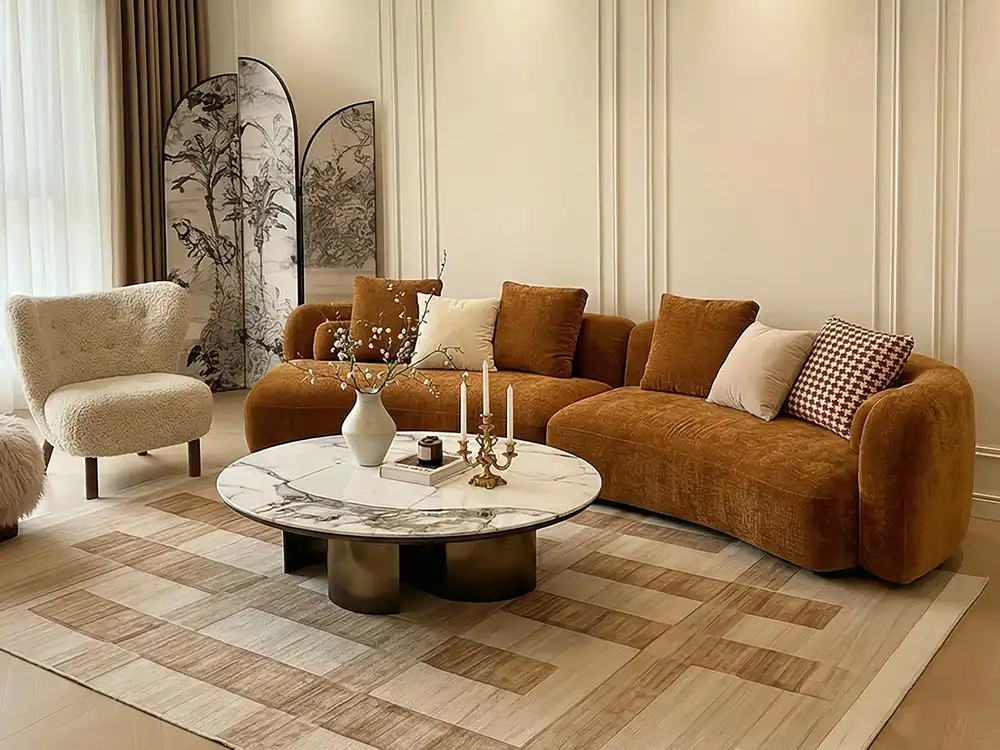
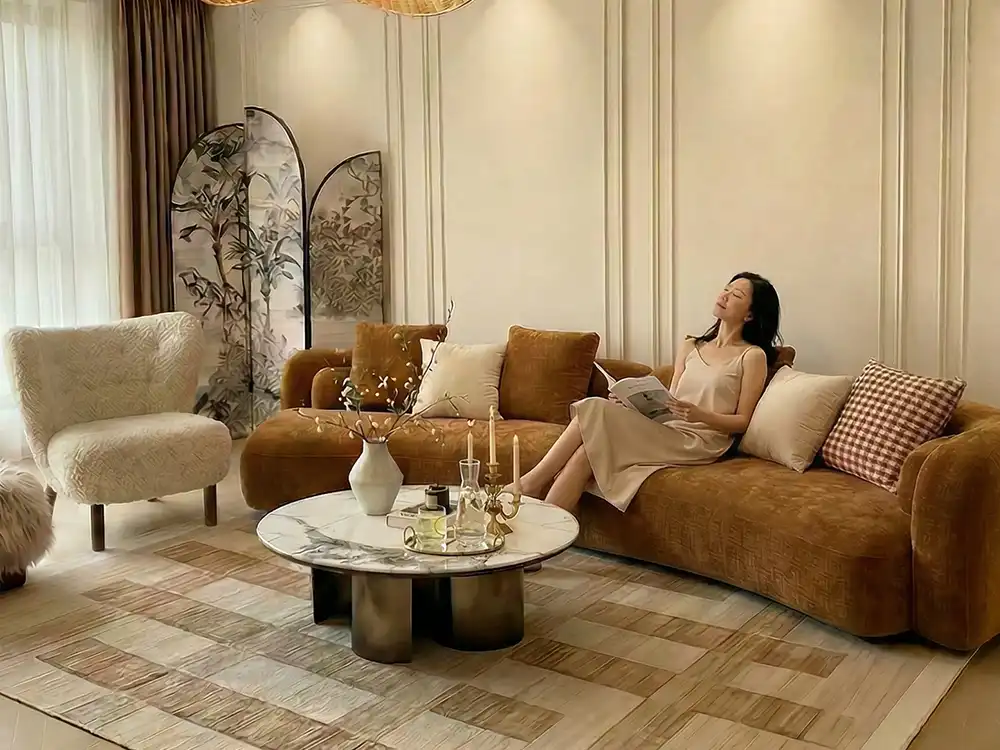
A bezier sofa improves flexible plans in high-end hospitality spaces by swapping out rigid, straight-edged modular seating for organic, curve-based shapes that can be rearranged to fit an uneven room's shape instead of forcing it to fit into a set rectangular footprint. This type of seating is named after the math behind Bezier curves, which shaped the design of cars and fonts. It uses fluid, sculptural volumes to create social areas in lobbies, penthouses, and design hotels without the rigid look of traditional sectional sofas. It's not just about looks for interior design firms and hospitality procurement teams. A well-designed bezier sofa system can actually change the number of modules, their shape, and the fabric used to fit the space available. This is something that regular modular seating has trouble doing well. This guide breaks down how that flexibility works, where it's most useful, and what you should look for before adding one to a project.
If you buy this highly difficult piece from the wrong shop, the shapes or module fit will probably not be uniform when the furniture gets to the site. In a 50,000-square-meter plant in Foshan, Azz Furnishings makes its bezier sofa line, which includes the S7117 modular system. The process includes 3D modeling and fast sampling. Before finishing specs, project teams looking for a bezier sofa source for a new building can email the team directly at shiyingfan826@gmail.com.
What Is a Bezier Sofa and Why Is It Used in Luxury Hospitality?
Defining the Bezier curve behind the design
A Bezier curve is a mathematically defined curve made up of control points that give it its shape. It was created by French engineer Pierre Bezier at Renault in the 1960s to make sure that car body panels were smooth and accurate [1]. The basic math that engineers use to digitally model a car's curved surface also shapes furniture forms in ways that are hard to achieve with traditional fabric construction based on straight panels.
Why did organic curves replace angular minimalism?
For decades, clean, geometric lines have been at the heart of Italian minimalist design. Reports on hospitality design trends for 2025 say that bent and organic shapes are replacing rigid simplicity in lobby and guest room furniture. This is because guests want warmer, friendlier social areas [2]. At the point where these two movements meet, there is a bezier sofa that keeps the materials simple while adding fluid, sculptural volume.
How does this differ from a standard curved sectional?
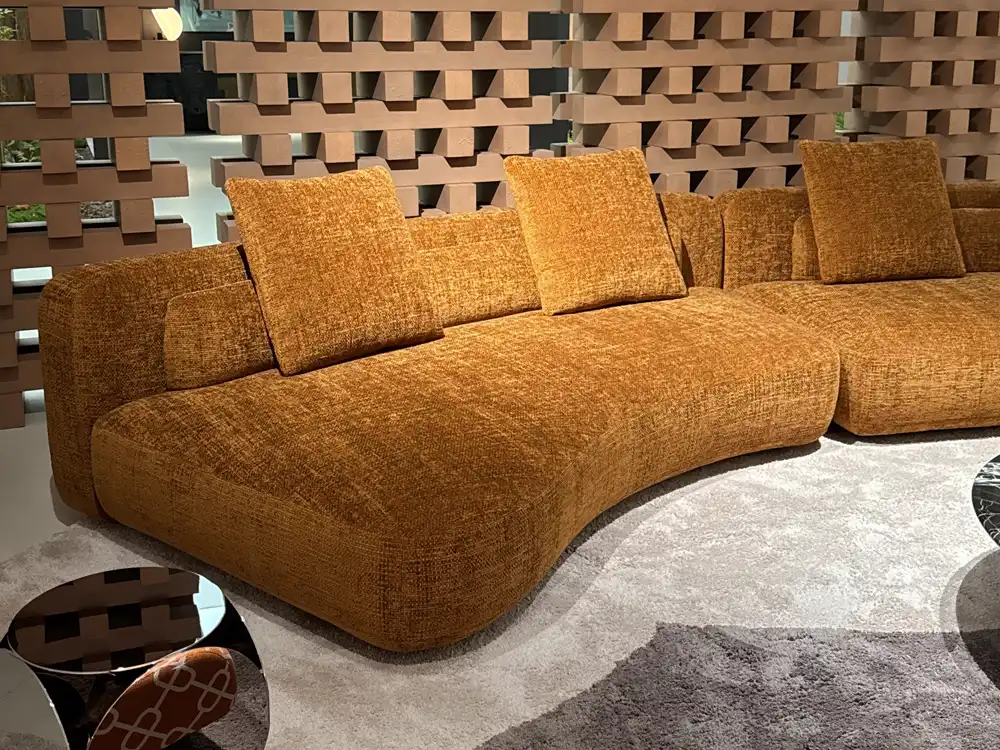
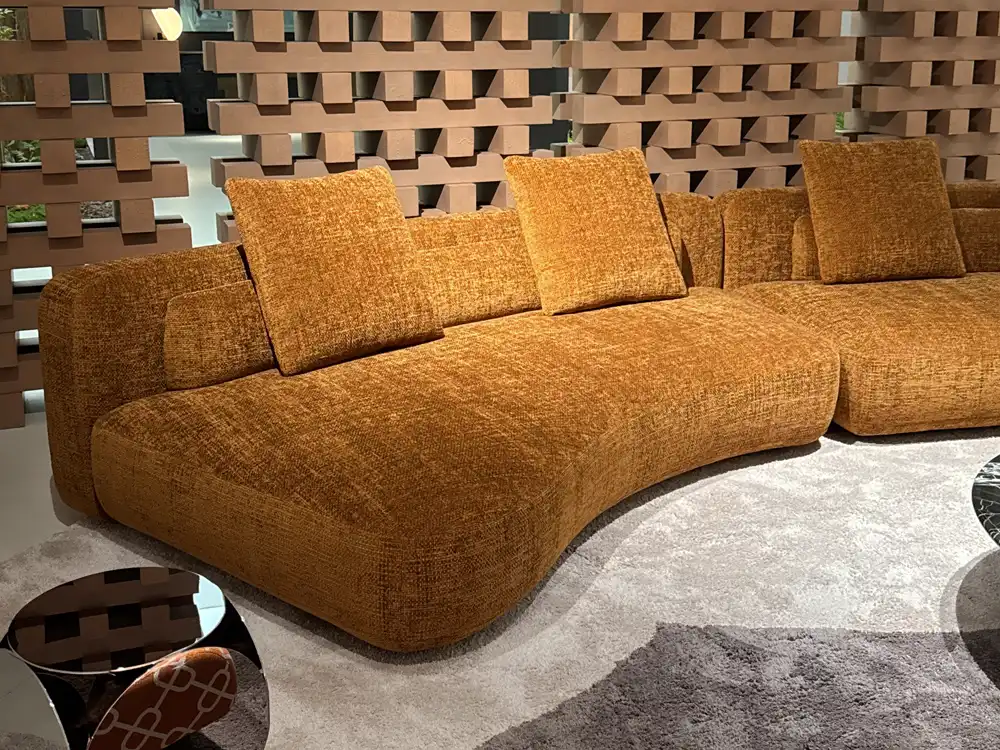
A simple radius, or a single curve that is applied evenly across the piece, is used on many "curved" chairs on the market. A real bezier sofa has many control points that let you change the curve's tightness and direction in different parts of the same piece. This makes irregular, asymmetric volumes instead of one repeating arc. That difference is more important than it sounds because it makes the piece look sculpture-like instead of just "rounded."
How do irregular volumes shape the finished silhouette?
Instead of showing the same curve from every angle, this design language is based on uneven volumes and flexible shapes that shape and embrace both the space and the people who live or work in it. Each part of a well-designed piece has a slightly different shape when seen from different rooms. This is one of the things that makes it sculpture-like, which a simple radius curve can't do.
How Does Bezier Sofa Support Flexible Space Layouts?
Modular reconfiguration without visual seams
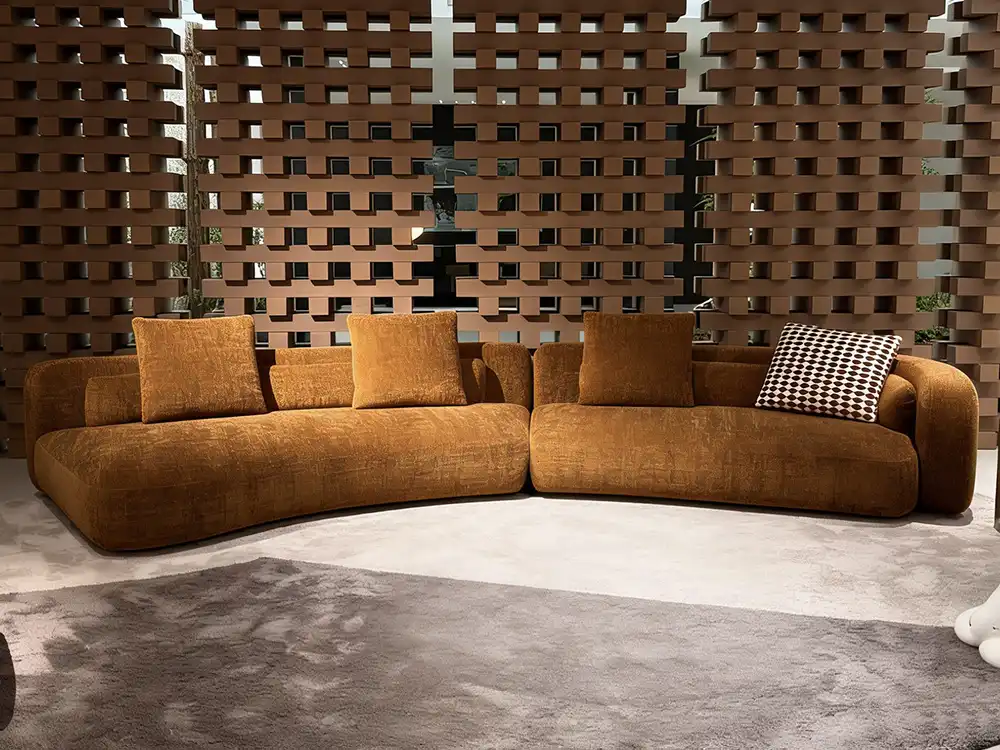
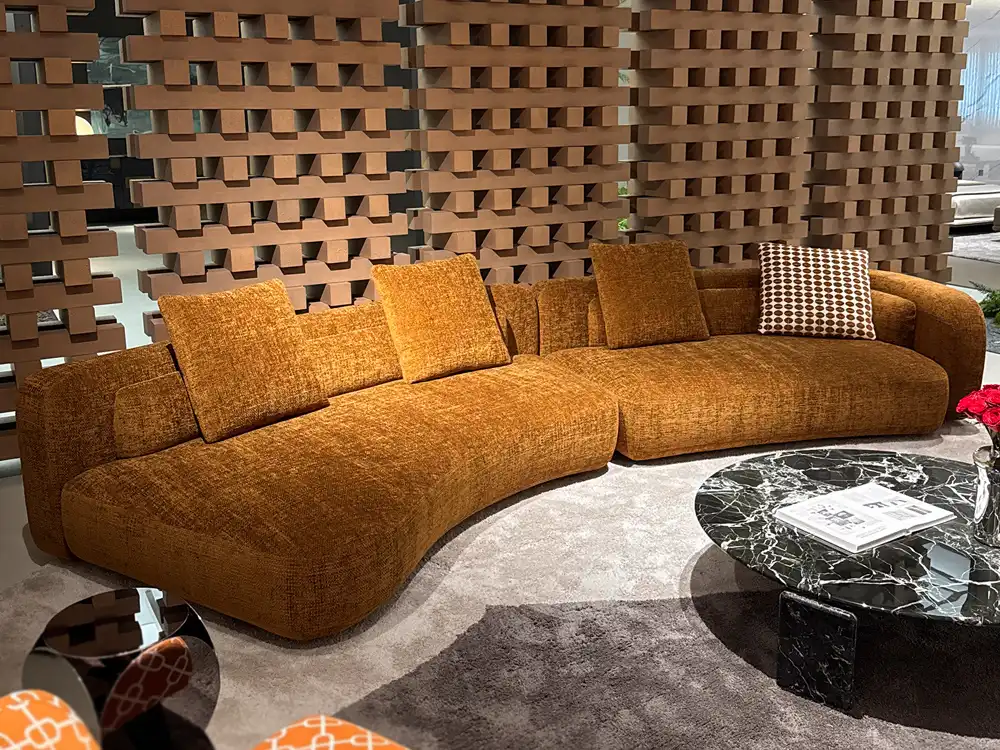
Instead of showing the same curve from every angle, this design language is based on uneven volumes and flexible shapes that shape and embrace both the space and the people who live or work in it. Each part of a well-designed piece has a slightly different shape when seen from different rooms. This is one of the things that makes it sculpture-like, which a simple radius curve can't do.
How lumbar cushion placement supports reconfiguration
Besides the main shapes of the modules, the lumbar cushion that runs along the spine of the Bezier Sofa is both a comfort feature and a design element that helps hide the points where modules meet. When modules are moved around to make a new layout, these cushions can move with the Bezier Sofa to help the new arrangement look smoother instead of showing a seam where two pieces meet.
Adapting to non-rectangular room geometry
More and more, high-end dining spaces have curved walls, bay windows, and odd floor plans that don't fit perfectly with straight furniture. Organic modular seating fits the shape of the room instead of trying to change it. This means that a single sofa system can fit into a weird corner or a curved lobby area where a regular sectional would leave gaps or be too crowded.
Reconfiguring for different event functions
For daily events, hospitality places often have to change the layout of a bar area from a small group of chairs in the evening to an open floor plan. Bezier-based modules connect with flowing curves instead of fixed rectangular edges. This means that staff can rearrange the configuration into meaningfully different social layouts instead of just making the line longer or shorter.
What Design Features Make Bezier Sofa Suitable for Hospitality Projects?
This type of seating is really good for busy dining settings, not just nice to look at in a store, thanks to a number of structural and material options.
- High-density foam that is layered together in the Bezier Sofa. For an unevenly shaped seat to be comfortable, the thickness of the foam must be precisely varied across the surface. Multiple layers of high-density polyurethane, each set to a different thickness, make sure that the seating comfort is consistent throughout the organic surface. This way, there are no hard or soft spots where the curve changes direction.
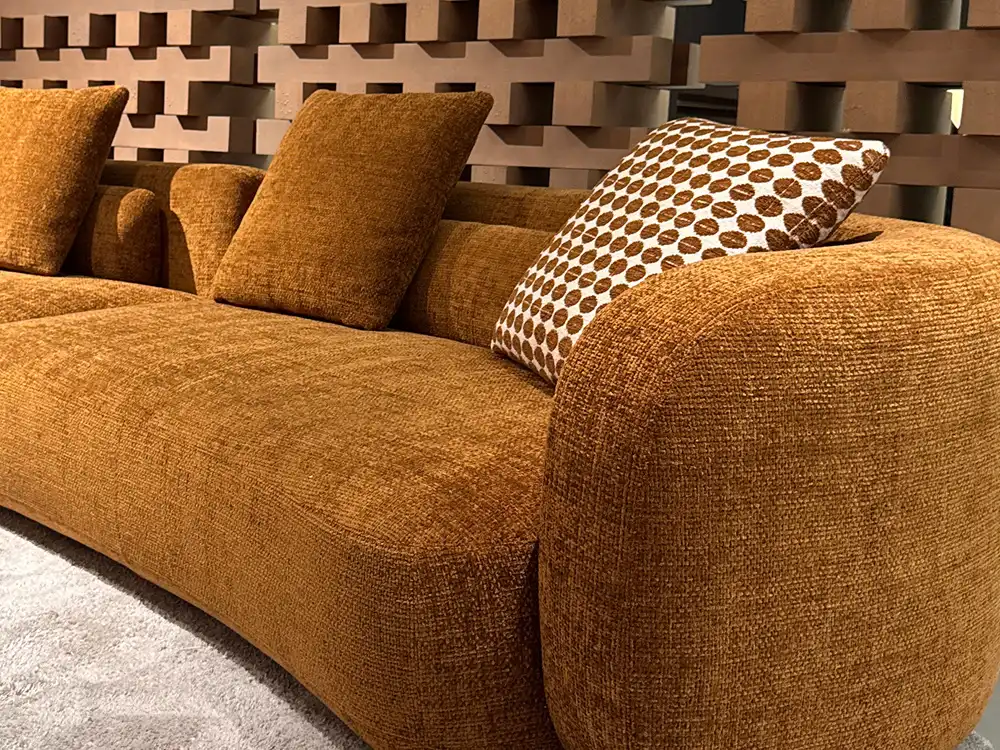
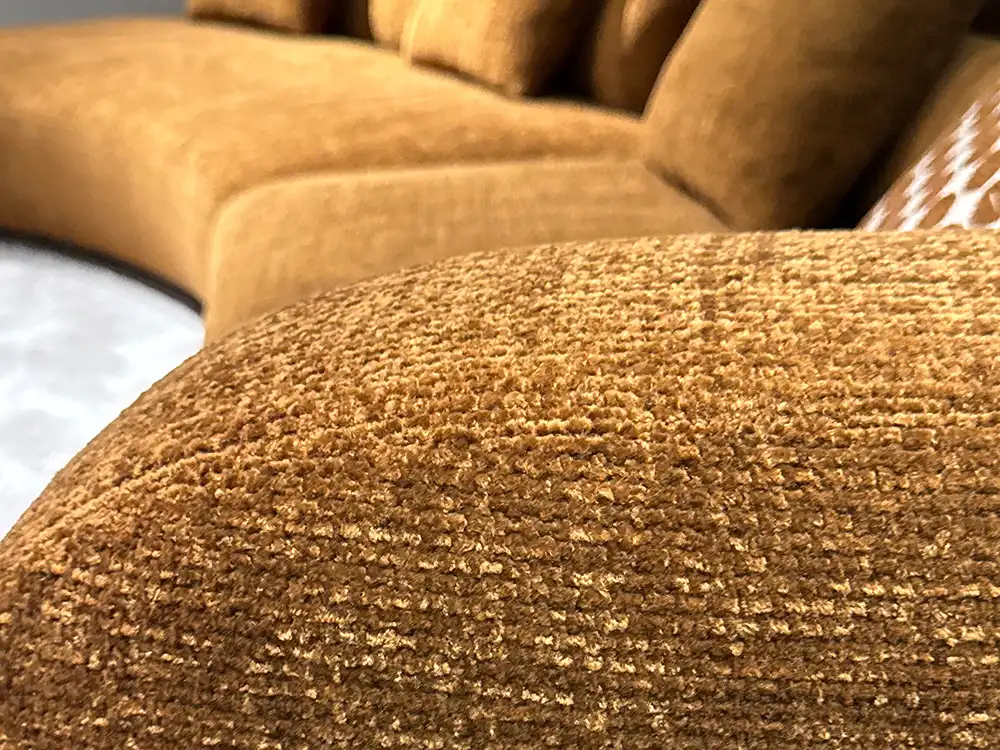
- Stitching that fits the shape. Standard straight-line padding methods don't work because each part has its own unique shape. Stitching has to be exactly made to fit the shape of each element. This requires more skilled workmanship than putting together flat panels, but the end result is significantly smoother.
- The inside is made of solid lumber. For a bent outside to stay in shape under heavy business use every day, the inside needs to be stable. A solid Russian larch and birch frame and multi-layer wood board give the piece the strength that hospitality furniture needs to last for years with lots of guests coming and going without bowing or moving.
- The seat is filled with a mix of down and foam. When you mix premium white goose down with high-density resilient foam and feather silk cotton, you get a cushiony feel at first, but the shape retention hospitality furniture needs to look good after daily use, rather than flattening out as foam-only options do.
Because of these structural choices, a properly designed organic sofa costs more to make than a normal rectangular couch. The difference in price shows up directly in the sturdiness and comfort of the sofa when it is facing guests.
How Does Bezier Sofa Compare With Traditional Modular Sofas?
Procurement teams weighing a Bezier sofa against conventional modular seating benefit from a direct, side-by-side look at where each option genuinely performs better.
| Factor | Bezier Sofa | Traditional Modular Sofa |
|---|---|---|
| Reconfiguration flexibility | High, curves flow between modules | Moderate, limited to straight-line combinations |
| Visual seams when rearranged | Minimal, curve continuity disguises joins | Visible, rectangular edges show module breaks |
| Fit with irregular room geometry | Strong, follows curved architecture | Weak, often leaves gaps in non-rectangular spaces |
| Manufacturing complexity | High, requires contour-matched stitching | Lower, standard flat-panel construction |
| Brand differentiation potential | Strong, distinctive silhouette | Limited, widely available form factor |
Where traditional modular sofas still make sense
If you need to furnish a room that is really rectangular and don't have the money for quality contour stitching, rectangular modular seats is still the best option. A Bezier system is usually not necessary for low-cost hotels with a lot of guests who come and go quickly because the furniture needs to be replaced more often.
Where the organic form earns its premium
Design-forward luxury hotels that focus on giving their guests a unique experience get more from the visual difference of a bezier sofa than from the small cost savings that come with standard modular seating. The piece serves as both a fashion statement and a seat, which changes the way buying teams figure out the cost-benefit of flagship areas.
Weighing lifecycle cost against differentiation value
When buyers in the hospitality industry look at buying furniture, they usually compare the initial cost to the costs over the long term. If you want to know why a Bezier sofa costs more to make, you shouldn't just look at how much it costs per unit compared to a standard sectional sofa. This is because the two types of seating have very different roles to play in a property's overall design strategy.
Why Do Luxury Hotels Choose Bezier Sofa for Versatile Seating Areas?
Serving as a visual anchor in open-plan spaces
More and more, luxury lobbies and penthouse living rooms are open-plan spaces that don't have walls to separate them. By drawing the eye and creating a social center point, an organically shaped sofa does the work of defining space that walls or boundaries would normally have to do.
Supporting the curved architecture trend directly
Building brand recognizability through signature pieces
One interesting point of view from a design expert is that unique furniture shapes help guests remember the brand, just like how a unique hallway light or welcome desk helps guests remember a certain property. A sofa with an organic shape and a truly unique silhouette is a signature piece for a hospitality brand that is harder for competitors to copy than standard rectangular seating.
How Can Bezier Sofa Improve Guest Experience in Hospitality Spaces?
Encouraging longer social dwell time
Curved seating naturally puts people facing each other instead of in rows that face each other, which makes it easier to talk than straight-line sectional seating. A study of furniture trends in the hospitality industry says that curved and semi-circular shapes make open lobby areas feel more intimate, making them natural places for people to talk [4].
Reducing visual monotony across large properties
Curved seating naturally puts people facing each other instead of in rows that face each other, which makes it easier to talk than straight-line sectional seating. A study of furniture trends in the hospitality industry says that curved and semi-circular shapes make open lobby areas feel more intimate, making them natural places for people to talk [4].
Supporting flexible service models
As guests move through the hallway, lounge, and restaurant, they will notice that some of the furniture has the same basic shape. By adding a bezier sofa to a room with mostly straight lines, you can create visual interest that keeps a big house from feeling boring from room to room.
Which Hospitality Spaces Benefit Most From Bezier Sofa Designs?
Based on how they use social space differently, three property types seem to fit this sitting group the best.
- Living rooms in high-end penthouses and leased apartments. In a high-end unit, these areas are the visual focal point, and a single eye-catching piece of furniture needs to explain a lot of room. A three-seater arrangement with an uneven free-form volume works as both seats and a design statement in a room that people will want to take pictures of and remember.
- Make halls and bars for hotels. Boutique and design-forward hotels base their whole brand on creating unique experiences in their rooms. A movable sofa system that can be set up in a moving pattern that covers up to four meters gives these halls a signature sitting area that fits the property's design much better than regular couch seating would.
- Social lounges at resorts and spas. Seating that fits the calm, natural look that is important to spa and vacation branding is good for places that focus on wellness. Curved shapes easily fit with the biophilic design principles that will become more important in 2025 when choosing hotel furniture. This means that the shape of the furniture itself can reinforce a property's health stance [5].
All three types of properties have one thing in common: they all see furniture as an important part of their brand personality, not just a place to sit. This is why investing in high-quality organic modular design pays off.
What Factors Should Designers Consider When Selecting a Bezier Sofa?
Matching module count to actual room dimensions
When modular layouts like the Bezier Sofa are too big, they can take over a small hallway or living room. When they are too small, they can't center a large open-plan space. Before deciding on a final configuration, designers should compare the sizes of the modules to the actual floor plans. This is because the way an organic shape looks depends a lot on how well it fits into its surroundings.
Evaluating fabric and finish durability for commercial use
Upholstery in hotels and restaurants gets a lot more wear and tear every day than furniture in homes. When choosing fabrics, you need to find a balance between the soft, premium feel that's right for a high-end product and the durability that's needed for everyday commercial use. This is where OEM/ODM material customization really shines, as it lets you meet both the durability and aesthetic needs of a project at the same time.
Planning for future reconfiguration needs
Upholstery in hotels and restaurants gets a lot more wear and tear every day than furniture in homes. When choosing fabrics, you need to find a balance between the soft, premium feel that's right for a high-end product and the durability that's needed for everyday commercial use. This is where OEM/ODM material customization really shines, as it lets you meet both the durability and aesthetic needs of a project at the same time.
How Do Custom Bezier Sofas Adapt to Different Commercial Layouts?
Adjusting module shape and count for ODM programs
The organic modular shape of a bezier sofa gives private-label brand owners who are making a unique line a lot of room to change things. The number of modules, the shape of each module, and the fabric choice can all change to fit the look of a certain brand, but the overall bent design language stays the same across a product family.
Scaling from single units to full-property programs
When furnishing multiple units or buildings, real estate companies and hotel groups need quality that stays the same across big orders, not just one piece that looks like it belongs in a store. 3D design and prototyping-based production methods allow for accurate effect presentation before full production starts. This lowers the risk of costly mismatches between a drawn idea and the delivered furniture for a big order.
Supporting rapid sampling for project-driven design firms
When interior designers are working on projects with tight deadlines, they need sample pieces quickly so they can check the fit and finish of the Bezier Sofa before committing to full production. Design firms can test a Bezier Sofa configuration on a real project timeline instead of having to wait for a full standard production cycle just to see a sample, thanks to manufacturing capabilities that allow for fast sampling and small-batch customization.
What Are the Future Trends of Bezier Sofa in Luxury Hospitality Design?
Growing demand for antimicrobial and stain-resistant fabrics
Antimicrobial fabrics and stain-resistant coatings are becoming more and more important for hospitality-grade modular seating, according to market projections for the sofa thru 2035 [3]. You can expect more and more organic modular sofa lines to include artistic design with these useful fabric treatments as standard features instead of extras that cost extra.
Increasing customization granularity
As ODM programs get better, you can expect finer-grained customization options for each bezier sofa line, as well as changes to the curvature of each module, mixed fabric zones within a single piece, and bigger libraries of colors and finishes. Brand owners who are making signature lines of products will probably want more precise control over the curve shape that gives their products their unique look.
Deeper integration with biophilic and wellness design
The biophilic design ideas that are becoming more popular in 2025 hospitality furniture selection go well with curved, organic furniture shapes [5]. You can expect organic chair design to continue to be used in a wider range of wellness-focused hospitality areas, especially in vacation, spa, and wellness-branded private home projects.
Conclusion
A bezier sofa has earned its place in high-end hotel design by solving a real space problem: rigid, rectangular modular seating doesn't usually go with the curved architecture and open-plan layouts that are becoming more common in high-end properties. The layered foam construction, contour-matched stitching, and solid wooden frame give these pieces the sturdiness that hospitality settings need. The underlying Bezier-curve shape also lets modules be easily rearranged to fit different social plans. When designers and procurement teams look at flagship spaces, the combination of real functional flexibility and strong brand differentiation starts to outweigh the extra cost compared to standard modular options.
FAQ
What makes a Bezier curve different from a standard curved shape?
A Bezier curve has many control points that change the curve's shape in different parts of the same shape. This makes the volumes uneven and not symmetrical. A standard curved shape usually uses the same radius all the way around, which makes the curve easier and more repeatable.
Can a Bezier sofa be reconfigured after installation?
Yes, as long as it is clearly marked as a real modular system. Different plan setups can be made possible by connecting and separating individual modules. However, the number of realistic reconfigurations will depend on how many modules and shape variations were included in the original order.
Is a Bezier sofa more expensive than a standard sectional?
Most of the time, yes, because of contour-matched stitching, stacked foam calibration, and more complicated ways of making things. The extra cost is due to the actual difficulty of building, not just for looks.
What fabric options work best for hospitality-grade Bezier sofas?
Most of the time, yes, because of contour-matched stitching, stacked foam calibration, and more complicated ways of making things. The extra cost is due to the actual difficulty of the building, not just for looks.
How long does production typically take for a custom Bezier sofa order?
Custom configurations usually take about 8 weeks to make, but the actual delivery time depends on the destination country, how close the port is, and any import rules that apply that are not part of the manufacturer's production schedule.
Sourcing a Bezier Sofa Partner for Your Next Hospitality Project
If it's felt like a risk in the past to match a luxury property's design concept to its production reality, that risk doesn't have to happen again. Azz Furnishings makes its bezier sofa line, which includes the S7117 modular system, in a 50,000-square-meter plant that can do fast sampling and 3D modeling. If you're looking for a bezier sofa manufacturer for a hotel project or want to start your own private-label ODM line, email shiyingfan826@gmail.com to get samples and talk about the configuration needs of your project.
References
1. Beaufurn — Modern Hotel Furniture Design Trends in 2025. https://beaufurn.com/modern-hotel-furniture-design-trends-in-2025/
2. IndexBox — Sofa Market Growth Outlook to 2035: Modularity, E-Commerce, and Premiumization Reshape Global Demand. https://www.indexbox.io/blog/sofa-market-forecast-points-higher-toward-2035-driven-by-hybrid-work-and-modular-living-trends/
3. AesthedgeWallPanel — Hotel Room and Lobby Luxury Sofa Design Trends 2025. https://aesthedgewallpanel.com/hotel-room-and-lobby-luxury-sofa-design-trends-2025/
4. Beaufurn — Modern Hotel Furniture Design Trends in 2025 (Biophilic Design Section). https://beaufurn.com/modern-hotel-furniture-design-trends-in-2025/
5. Wikipedia — Pierre Bezier. https://en.wikipedia.org/wiki/Pierre_B%C3%A9zier
Author
Guan Yan - Senior Soft Furnishings Stylist
Guan Yan has spent over a decade advising interior design firms and hospitality procurement teams on furniture selection for luxury residential and commercial projects across global markets. Her work focuses on matching material craftsmanship to project-specific spatial and brand requirements, with particular attention to how furniture form influences guest experience in hospitality settings.