




How to Choose a Coupe Sofa for a Modern Living Room?
To choose the right seating for a modern living room, you need to think carefully about style, usefulness, and durability. A Coupe sofa is a stylish solution to this problem because it combines a sleek look with a lot of different uses. This unique style of furniture has armrests and backrests that are all the same height. This makes clean straight lines that make modern areas look better. Its architectural shape and ability to be put together in different ways make it useful for both home and business projects, saving room without sacrificing style or comfort.
Understanding the Coupe Sofa: Definition, Design, and Benefits
What Distinguishes a Coupe Sofa from Traditional Seating?
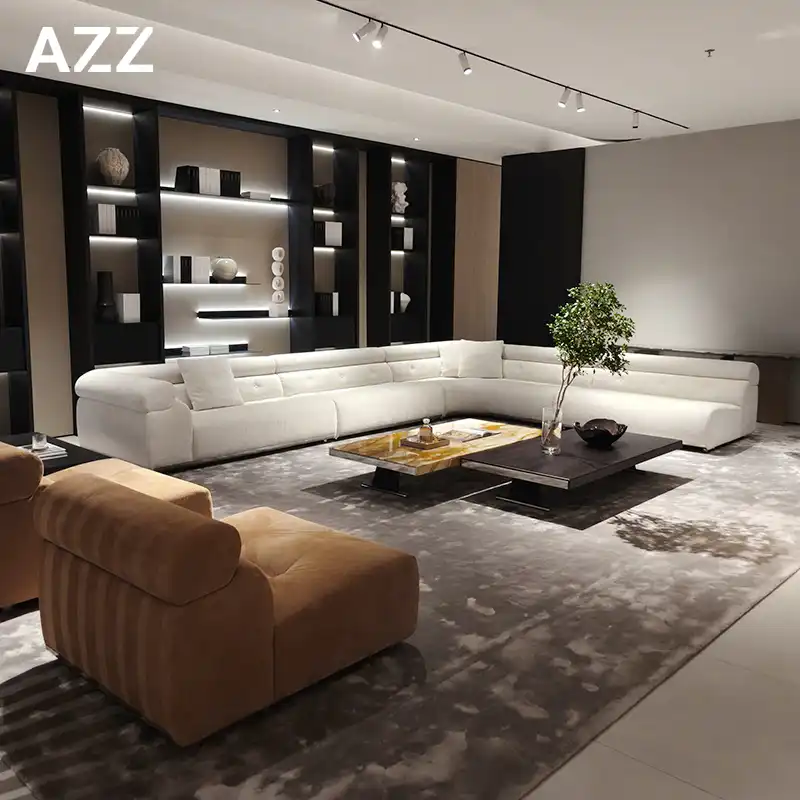
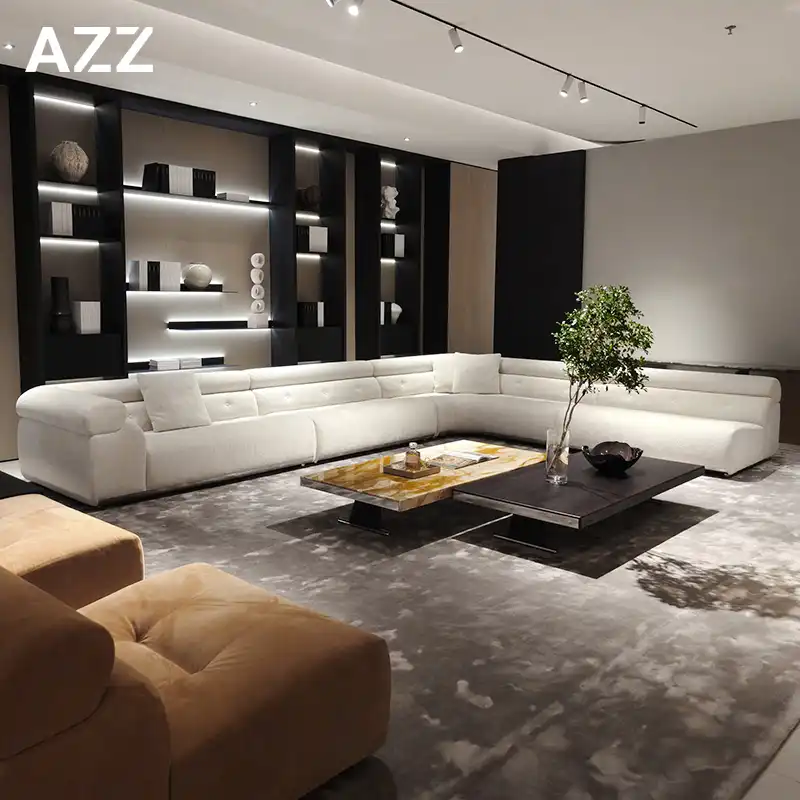
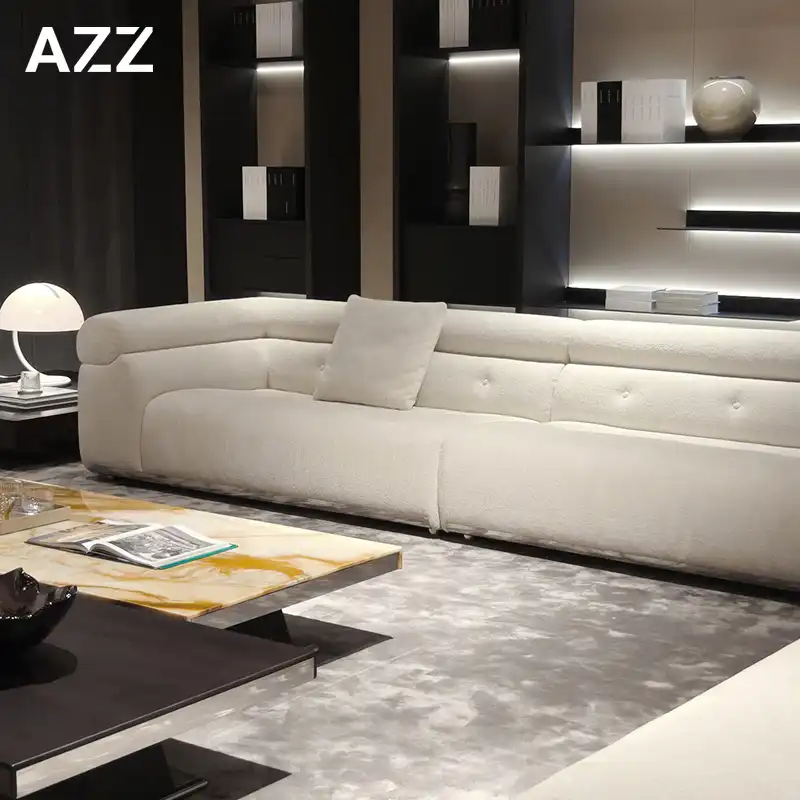
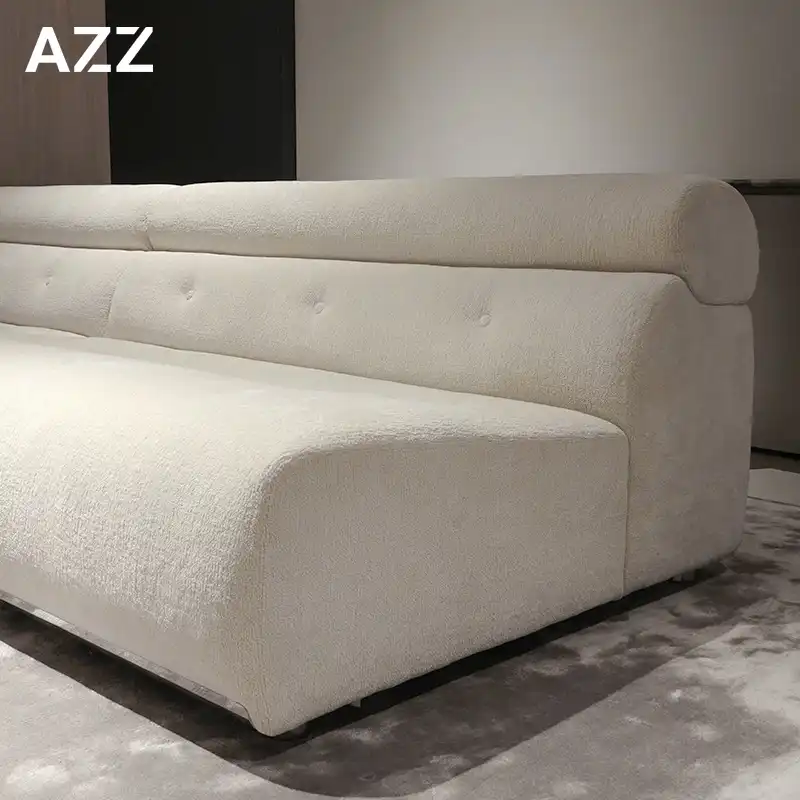
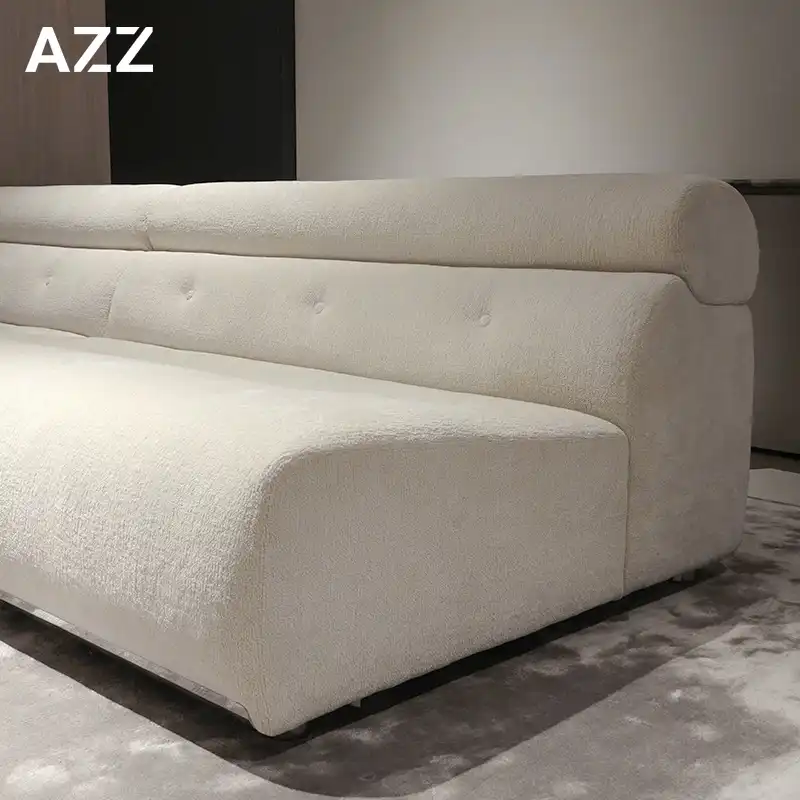
The unique thing about this style of sitting is that the arms and backrest are all the same height, making a smooth, continuous line. The Coupe sofa shape is architecturally consistent all the way through, unlike standard couches with big back cushions or sectionals with different heights. The roots of this geometric field can be found in mid-century modern style, with ideas drawn from the tight, efficient lines of old cars. As a result, the building usually uses tight upholstery instead of open pillows, which keeps the piece looking clean with little upkeep

Historical Evolution and Contemporary Adaptations
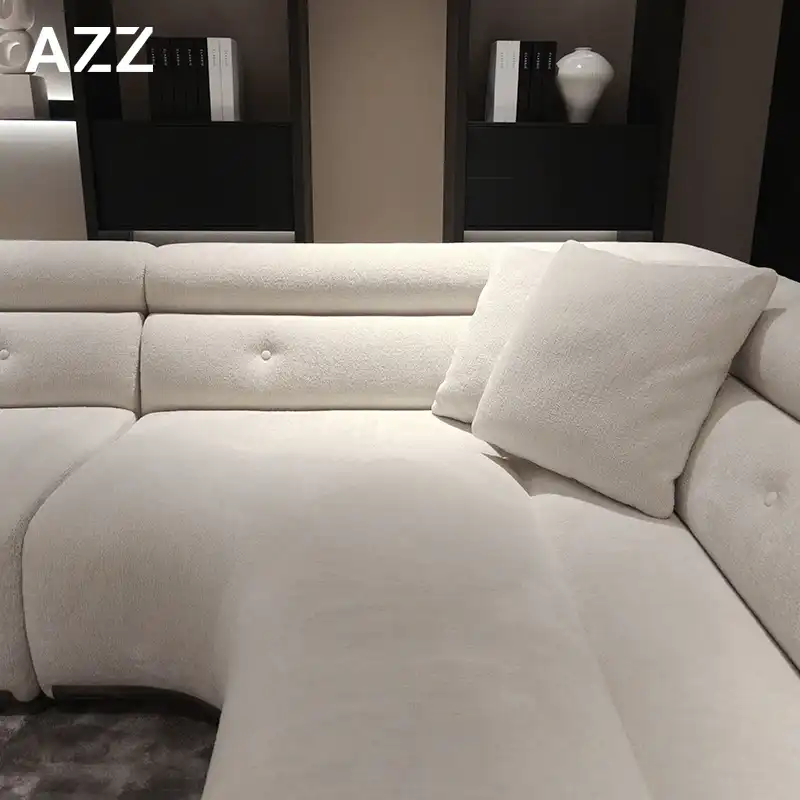
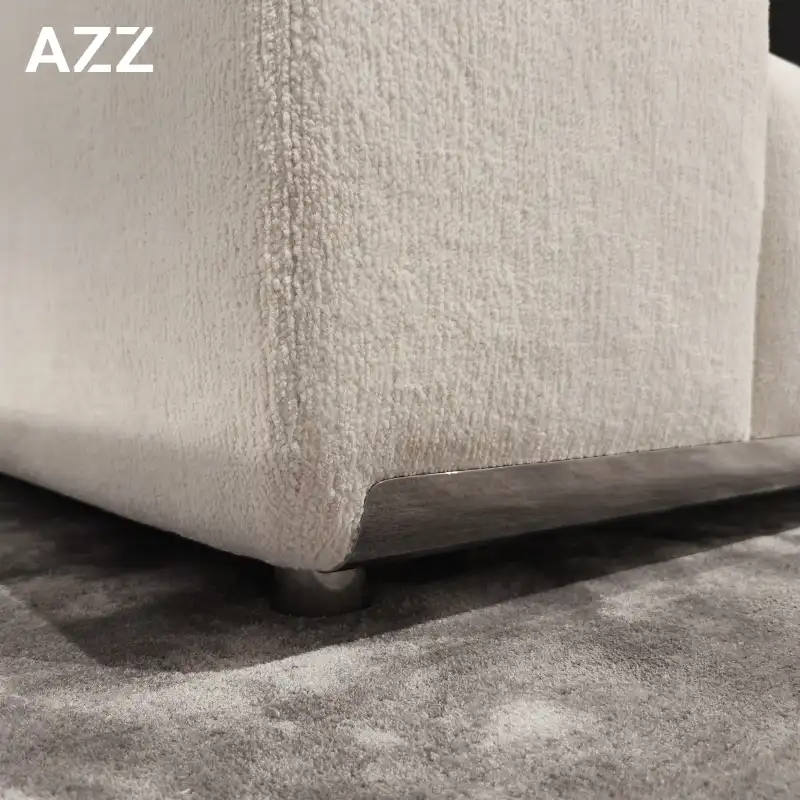
This style of furniture has changed a lot since it was first created in the 20th century using modernist design ideas. Early versions focused on sharp shapes and industrial materials, which were inspired by new ways of making things after World War II. Modern versions combine this history with softer shapes and a wider range of materials, such as memory foam padding, high-end upholstery choices, and polished metalwork. Modern versions, like the AZZ Model S6131, show this development through features like curved metal frames and construction made of Russian-imported larch wood and birch. These materials combine structural stability with visual sophistication.
Strategic Advantages for B2B Procurement
Commercial buyers like a number of useful features that come with this design approach. The low-profile shape makes it easy to see through open-plan spaces, which is important in places like hotel lobbies, executive offices, and showrooms where visual uniformity is important. Another great benefit is that it saves space: the smaller footprint means that there is more seating area per square foot, which is important in urban business projects where every inch counts. The tight upholstery construction means you don't have to worry about seats moving around in high-traffic areas. This means you don't have to do as much upkeep, and the furniture always looks clean. Modular designs add even more value because they allow for unique arrangements that can work with limited space without having to pay extra for custom manufacturing.
Key Criteria for Choosing the Right Coupe Sofa for Your Business Needs
Defining Spatial Requirements and User Profiles
A thorough study of the surroundings is the first step to successful procurement. Carefully measure the area you want to use, taking into account not only the floor room but also how people will move around, where furniture will go next to each other, and how clear the lines of sight are. The diagonal depth measurement, which goes from the top back corner to the bottom front foot, tells you if the piece can fit through normal doors, elevators, and hallways during delivery. User profile research is also very important: seating angles need to be different in dining settings compared to executive offices. More upright seating (95 to 100 degrees) is good for lobbies because it keeps people awake during short visits. On the other hand, slightly more relaxed angles might be better for home settings. Figuring out whether people are going to talk, read, wait for a short time, or just relax for a long time directly affects the best specifications.
Evaluating Core Material and Construction Specifications
Long-term success of a Coupe sofa is based on the stability of the frame. Kiln-dried hardwood with a moisture level managed between 6 and 12 percent is used in high-quality building so that the wood doesn't warp over time. The AZZ product uses solid wood layered board along with larch and birch from Russia, which were chosen because they are very stable in terms of size. Pay close attention to suspension systems—eight-way hand-tied springs or heavy-gauge sinuous springs (at least 8-gauge) offer even support without the hammocking effect that often happens with poor design. The density of the cushion has a direct effect on both comfort and shape retention. High-resiliency polyurethane foam with a density of at least 2.5 lbs/ft³ and an Indentation Force Deflection grade of 30–35 makes sure that the backrest keeps its design lines after years of use. Memory foam in higher-end choices reacts to your body's warmth and weight, creating personalized comfort zones that keep their shape.
Prioritizing Budget, Quality, and Delivery Considerations
When you buy something commercially, you have to weigh the costs of the purchase against the expected results. The original cost is important, but the total lifetime cost is a more useful measure because it takes into account things like repairs, replacements, and how the brand is seen. Delivery dates have a big impact on project schedules; for example, the normal eight-week production period for high-quality manufacturing needs to work with installation dates. Check the supplier's skills beyond the product specs. During complicated projects, it's important to have flexible customization options, the ability to handle large orders, and quick contact channels. Options for organizing finances, such as phased delivery or volume discounts, can help with managing cash flow better for large-scale operations.
These basic things to think about help procurement professionals come up with detailed specs that strike a balance between an ideal look and real limitations. This makes it easier to evaluate vendors and choose the best product.
Supplier Reliability and Customization Potential
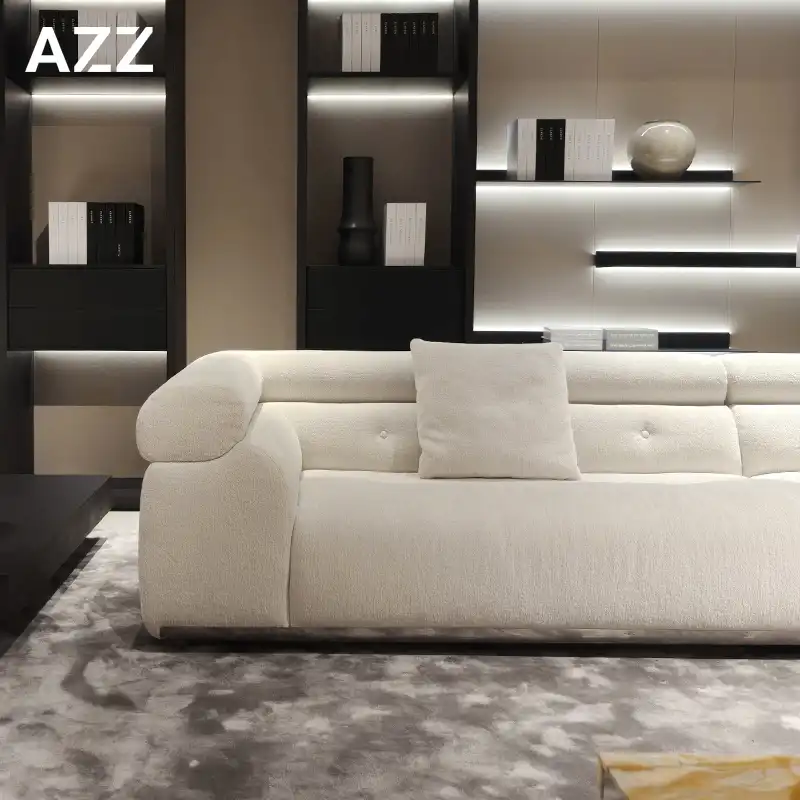
Evaluate vendors on more than just their store offers; also look at how well they can do their job. Facilities that meet foreign standards show that they are committed to quality consistency. For example, Azz Furnishings' 50,000-square-meter production plant with 6S management systems gives customers peace of mind through structured quality controls. Remote checks before shipping add another layer of security before the final acceptance. Customization unlocks a lot of value for unique projects: adjusting the sizes of rooms to fit odd shapes is possible, and there are a lot of upholstery libraries and metal finish choices to help brands match. Technical design help, such as 3D visualization and thorough shop sketches, cuts down on specification mistakes and speeds up the approval process.
Comparing Coupe Sofas: Making the Best Choice for Your Project
Differentiating from Loveseats and Sectional Configurations
Specification mismatches can be avoided by understanding the differences between categories. With their standard varying-height backs, loveseats can usually fit two people. However, the uniformity of Coupe sofa designs makes them look different and make the sitting less comfortable. Even though sectional sofas can be put together in different ways, they often don't have the clean, geometric lines that make Coupe sofas look good. Different types of seats have different amounts of space for people. A normal three-seater is about 1800 mm long, which is plenty of room for three adults. Quality Coupe sofa systems are modular, which means they can be put together in a lot of different ways. For example, armless parts and corner pieces can be put together in a lot of different ways to fit different floor plans without looking disjointed.
Upholstery Selection: Fabric versus Leather Considerations
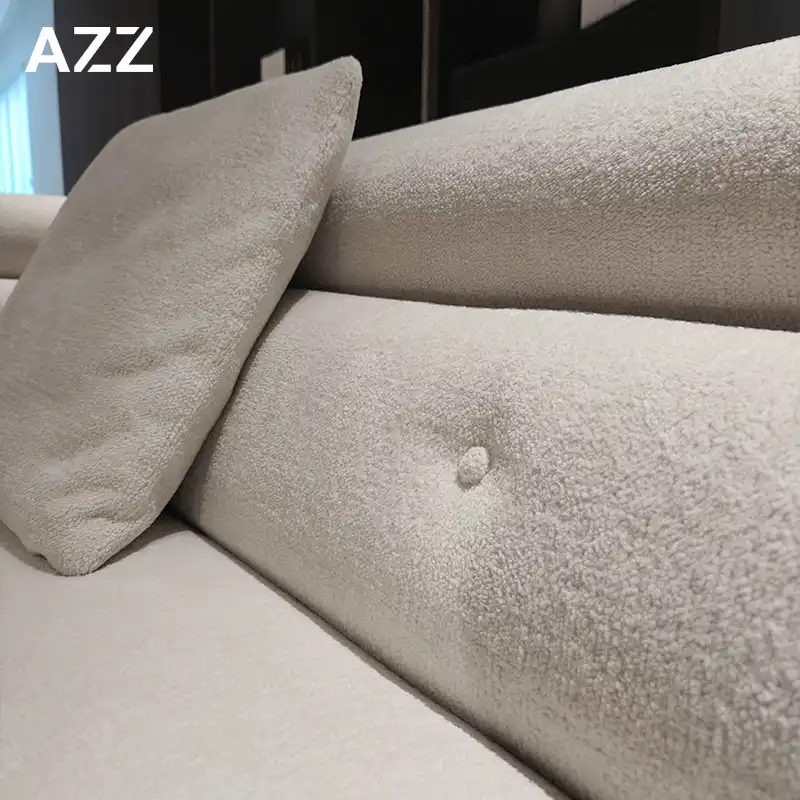
The choice of material for a Coupe sofa has a big effect on both how it looks and how well it works. Upholstery made of fabric comes in a wide range of colors and textures, usually breathes better in hot areas, and usually has lower starting costs. For industrial uses, fabrics that are contract-grade and have a Martindale abrasion resistance of more than 40,000 rubs are important for longevity. Since you can't take off tight furniture to wash it in the machine, it needs to be treated with advanced stain repellents like Crypton or Nano-Tex. Leather choices have a unique high-end look, are easier to clean, and are better at resisting spills, which is especially helpful in restaurant settings. Over time, premium leather gets a nice sheen, but it costs more up front and needs to be conditioned on a regular basis. Both choices work well when properly defined; the choice depends on how the project looks, how much money is available, and how easy it will be to maintain.
Modern versus Traditional Style Alignments
Modern versions with clean lines, metallic details, and neutral color schemes are becoming more popular in modern business designs. With its curved aluminum frame features and stainless steel gear that has a mirror finish, the AZZ S6131 is a great example of the Italian minimalist style that goes well with modern design trends in high-end homes, boutique hotels, and businesses. Traditional styles with wood frames, rolled arms, and traditional fabric designs work well for projects that need warmth and a consistent look. The way the market is moving right now strongly favors modern expressions, which are driven by open-concept design and a minimalist internal mindset. This trend is especially clear in urban areas where making the best use of room and making things look lighter are highly valued.
Procurement Insights: Where and How to Buy Coupe Sofas Effectively?
Identifying Reputable Manufacturers and Supply Chains
Qualifying manufacturers is the first step in strategic buying. Suppliers that have been around for a while and have vertically integrated operations (they control design, production, and quality certification) offer more consistency and responsibility. Large-scale facilities, like those with production space of 50,000 square meters, show that they can reliably handle the large amounts of work that come with big projects. Logistics are affected by geography. For example, Chinese factories in Foshan, Guangdong, offer low prices and high-tech production facilities. However, buying teams need to plan projects around the times it takes to ship goods internationally. Transparency from manufacturers is very helpful. Suppliers who offer facility tours and pre-shipment checks show that they trust their processes and are open to being held accountable.
Understanding Pricing Structures and Value Optimization
Different types of suppliers have very different pricing methods. For business projects, volume-based discounts usually start at 50 units, and prices drop even more as the number of units ordered rises. Customization usually costs 15–25% more, but it depends on how complicated the specifications are. For example, changing the dimensions costs less than finding unique fabric or metal finishes. When something is made affects how much it costs: regular lead times of eight weeks work with normal manufacturing routines, while fast delivery costs a lot more. Payment terms affect how much the whole project costs. Suppliers who offer staged payments tied to output goals or longer terms for established accounts give you more financial freedom, which is helpful for managing your cash flow. When you compare total arrived costs, which include shipping, taxes, and installation, instead of ex-factory prices, you can see how much of an investment you really need to make.
Logistics, Installation, and After-Sales Support Systems
When you source a Coupe sofa from other countries, delivery becomes more complicated. Transit times depend on how close the location is to important ports, how quickly customs clearance goes, and how well the last mile of logistics works. Suppliers with a good reputation give clear shipping estimates that take these factors into account instead of making false claims. Installation services range from simple placement to full building and placing. Making it clear what services are included keeps costs from being a surprise. After-sales support is what sets good providers apart. Full warranties that cover structural soundness and manufacturing flaws, quick ways to communicate to solve problems, and the ability to get replacement parts for long-term upkeep are all parts of the total value offer. Doing remote checks before shipping and letting the customer approve the final packaging shows that you care about their happiness and cuts down on the cost of returns.
Maintenance and Longevity: How to Care for Coupe Sofas in High-Traffic Environments?
Routine Cleaning Protocols for Extended Lifespan
Proper care keeps the furniture's look and structure in good shape for as long as it's used. Using the right tools to vacuum once a week gets rid of surface dirt before it gets deep into the fibers of furniture. Cushion rotation on a regular basis makes sure that wear patterns are even. This is especially important for tight-back designs where foam tension can be seen. If you spill something on fabric furniture, you need to clean it up right away. Blotting with clean, absorbent cloths stops stains from setting in, but rubbing hurts the fibers and should be avoided. Professional deep cleaning every 12 to 18 months makes furniture look new and last longer, especially in business settings where it is used all the time. Different types of leather respond better to different care methods. Wiping the surface clean with microfiber cloths keeps it clean, while applying leather treatments every three months keeps the leather soft and stops it from cracking.
Proactive Inspection and Preventive Maintenance
Systematic review plans are needed in business settings. Frame inspections every three months find weak connections before they become structural problems. This is especially important at arm-to-back junction places that are under a lot of stress. Tightening hardware stops it from slowly coming loose, which leads to shaking and faster wear. Leveling verification makes sure that all of the legs touch the floor at the same time. This stops the frame from twisting, which could weaken the structure. Monitoring upholstery finds seam stress, pattern distortion, and foam compression early on, when it costs the least to fix the problem. Writing down what was found during inspections and repair tasks makes people responsible and lets data-driven replacement plans happen.
Maximizing Return on Investment Through Proper Care
Regular repair has a direct effect on how well the business does financially. Well-kept furniture keeps its good looks, which helps people think positively about a brand. This is especially important in store and hotel settings where atmosphere affects how customers feel. A longer operating lifespan means that the furniture doesn't needs to be replaced as often, which lowers the total cost of ownership and keeps operations running smoothly during furniture changes. Tight-back designs naturally require less care than standard sofas because they don't have loose cushions that need to be adjusted all the time. Choosing the right commercial-grade materials at the start, like treatments that don't stain and seating that can handle a lot of wear and tear, makes upkeep easier over time. With these preventative steps, furniture goes from being a throwaway item to a long-term asset that keeps giving value over its lifetime.
Conclusion
To choose the right seating for modern business and private projects, you need to carefully look at how well the design works with the building and how well it works. The unique shape of Coupe sofa-style furniture makes it more efficient with room, more pleasing to the eye, and easier to clean, all of which are very useful in modern settings. A good buying process combines the desire for beauty with practical concerns, such as material requirements, tailoring needs, seller capabilities, and upkeep throughout the product's life. Procurement pros make smart choices that last by using organized criteria assessment to choose products. This includes looking at things like space limitations, user needs, building standards, and the total cost of ownership. When you mix Italian minimalist design ideas with modern manufacturing methods, you get seating options that meet both short-term project needs and long-term performance standards.
FAQ
What dimensions work best for compact commercial spaces?
Standard two-seater setups measures about 1480 x 1120 x 680 mm and not having arms are great for small spaces like executive offices or boutique hotel rooms. Even though there isn't much space, the low-profile form keeps the view open. Customizable sizes with modular systems make the best use of room without making things look crowded.
How does this differ functionally from traditional loveseats?
The fact that the arms and back are the same height makes for good ergonomics. The normal sitting angle of 95 to 100 degrees encourages a more upright position that is good for talking and short periods of waiting. On the other hand, loveseats tend to encourage greater lounging. Tight-back construction gets rid of the need to clean cushions and keeps the chair looking neat all the time, which is especially helpful in business settings.
What lead times should procurement teams expect for custom bulk orders?
It usually takes eight weeks for quality manufacturing to go from approval of the specifications to shipping ready. This time frame allows for the right way to get materials, the right way to build, and the right way to check the quality. Depending on the location and the logistics route, international shipping can take an extra three to six weeks. For jobs that need to be done quickly, expedited production is still a choice, but it costs more and may limit your customization options.
Partner with Azz Furnishings for Premium Coupe Sofa Solutions
Azz Furnishings offers a wide range of sitting options that are backed by a history of high-quality production and new design ideas. Our 20,000-square-meter showroom and 50,000-square-meter factory in Foshan, Guangdong, show that we can handle projects of all sizes, from small setups in shops to big hotel developments. As a well-known company that makes Coupe sofas, we can make a lot of changes to the sizes, materials, and styles so that they are exactly what you want for your project. Our dedication to quality is shown by our Italian simple S6131 model, which is made with high-quality materials like memory foam padding, Russian-imported larch wood, and stainless steel hardware. With eight-week production schedules, remote checks before shipping, and dedicated technology help, we make sure that the procurement process goes smoothly. Get in touch with our team at shiyingfan826@gmail.com to talk about your unique needs and find out how our skills can help make your design idea a reality.
References
Anderson, M. (2021). Commercial Furniture Specification: A Guide for Interior Designers and Procurement Professionals. New York: Design Press.
Chen, L., & Roberts, K. (2022). "Material Science in Contemporary Furniture Manufacturing: Quality Standards and Performance Metrics." Journal of Interior Design Research, 48(3), 112-128.
Harrison, P. (2020). Mid-Century Modern Furniture: Design Evolution and Contemporary Applications. London: Architectural Heritage Publishing.
Mitchell, S. (2023). "Hospitality Interior Trends: Furniture Selection Strategies for High-Traffic Environments." Contract Design Magazine, 65(2), 44-59.
Thompson, J., & Wu, H. (2022). Sustainable Furniture Procurement: Best Practices for Commercial Projects. Chicago: Green Building Council Press.
Williams, R. (2021). "Space Optimization in Urban Residential Design: Furniture Solutions for Compact Living." Modern Architecture Quarterly, 37(4), 78-94.