




How to Create the Perfect Modular Luxury Sofa Layout with the Coupe Sofa?
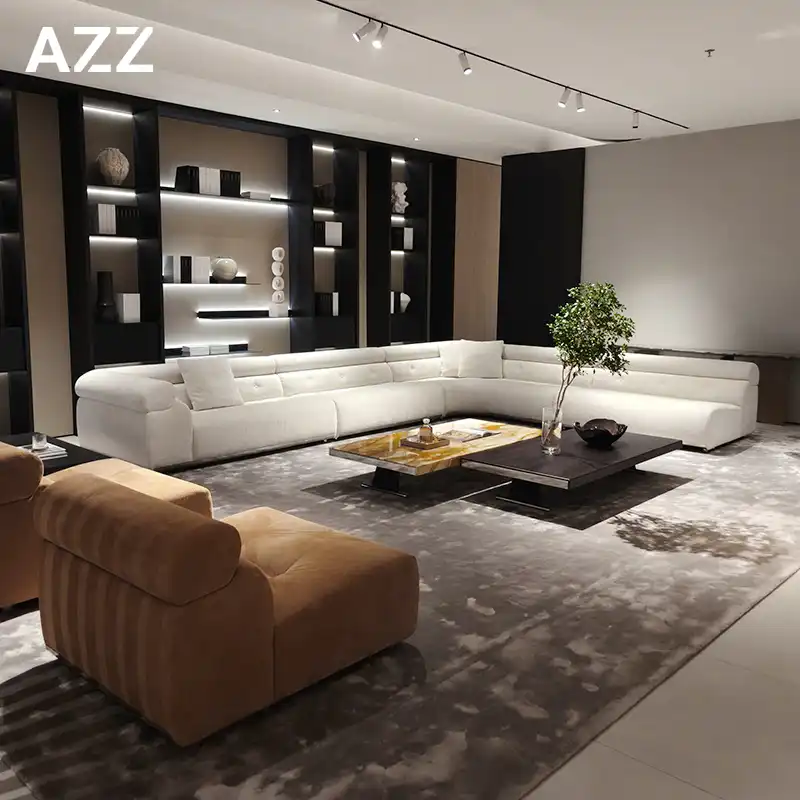
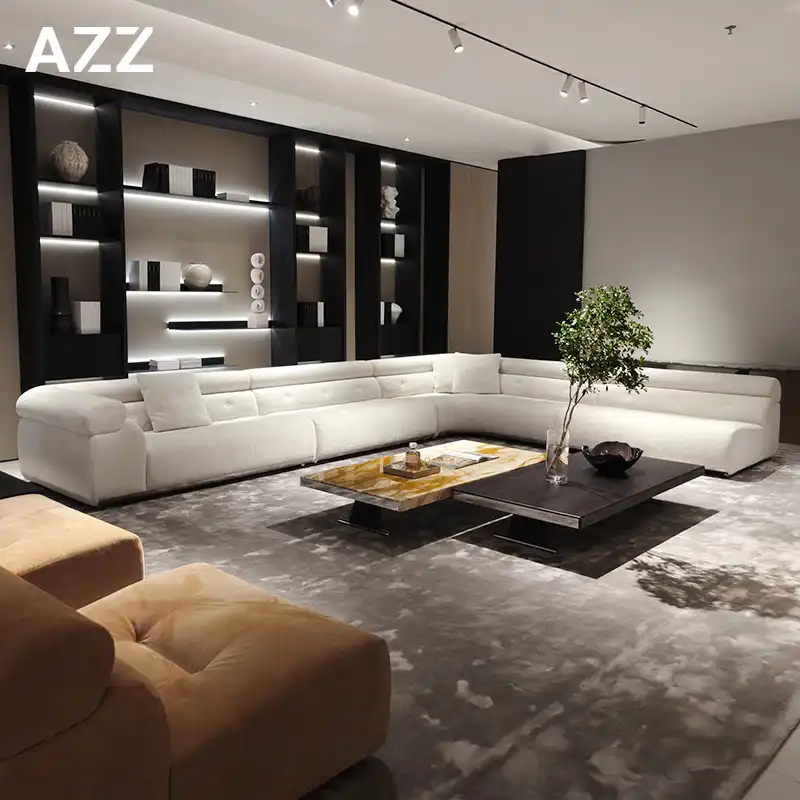
To create an optimized flexible luxury sofa layout using the Coupe sofa, it is essential to understand its architectural DNA, defined by a streamlined silhouette and uniformly leveled armrests aligned with seat height. Modular elements such as three-seater, two-seater, and corner units can then be strategically configured to optimize circulation flow while maintaining visual consistency with the curved metal frame detailing. Achieving a balance between functional zoning and aesthetic uniformity is critical to ensuring both usability and design integrity. This approach transforms corporate offices, showrooms, and high-end residential spaces into cohesive environments, where every seating configuration contributes to the spatial narrative rather than disrupting it.
Understanding the Coupe Sofa and Its Role in Modular Luxury Layouts
Architectural Heritage Meets Contemporary Functionality
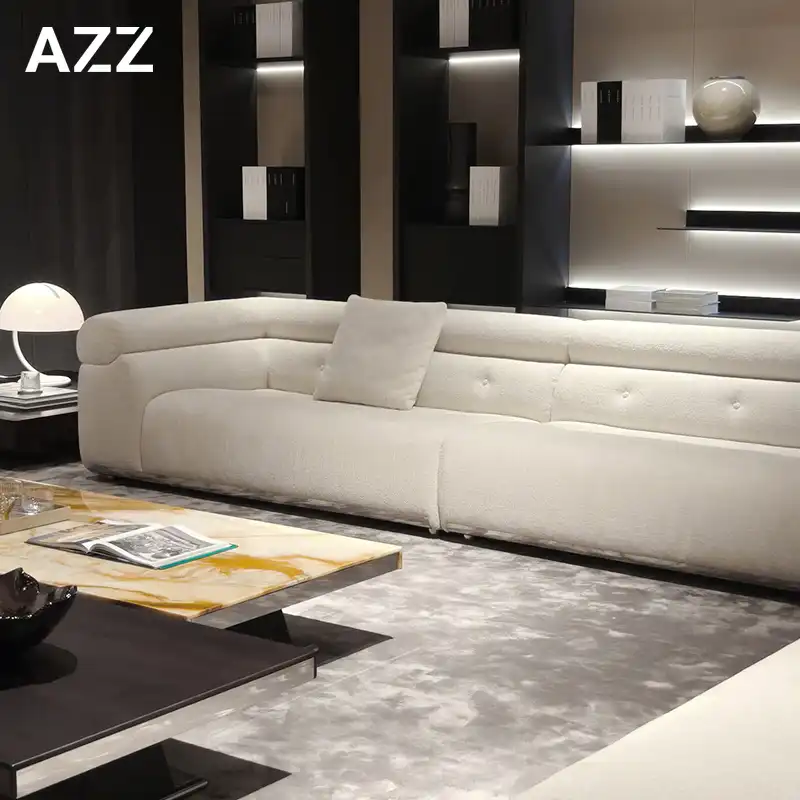
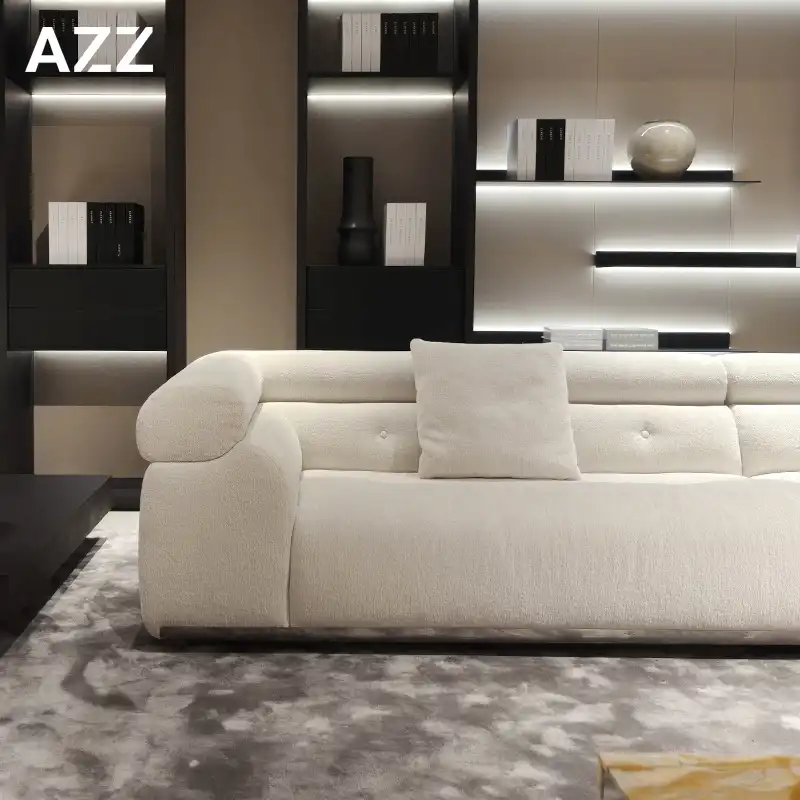
This type of sitting has its roots in modernist architecture from the mid-20th century, when form followed function without losing looks. The unique feature—uniform height across arms and backrests—makes it possible for people to see clearly, which is very important in open-concept business spaces. This design solves a problem that keeps coming up in hotel hallways and business greeting areas: how to make seating that is comfy and doesn't get in the way of people moving around or block their view. Modern versions show an Italian minimalist impact that stresses clean geometry and refined proportions that work well with architecture rather than taking over it.
Material Excellence Drives Commercial Performance
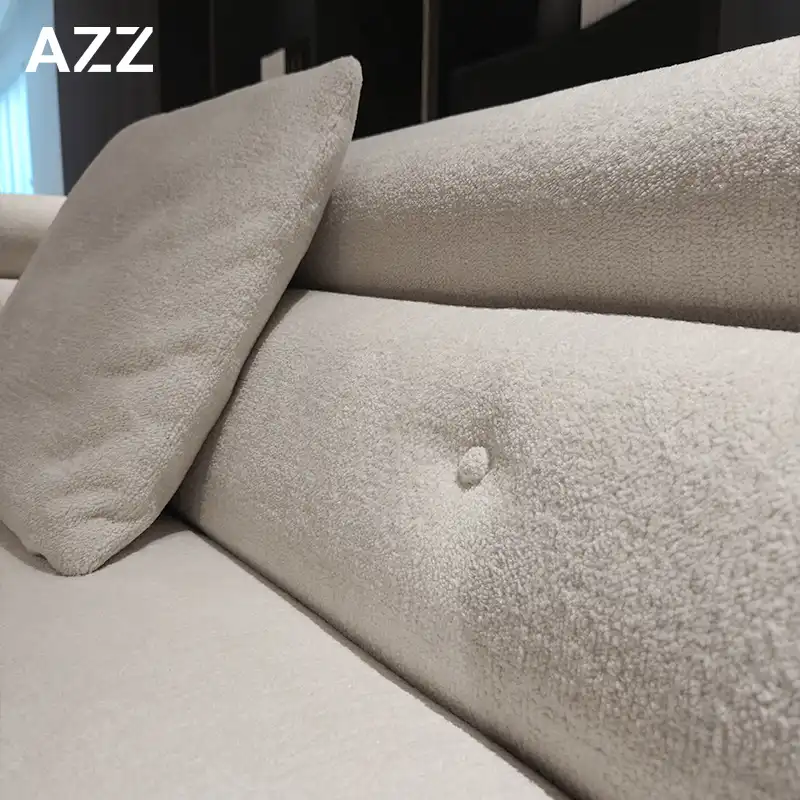
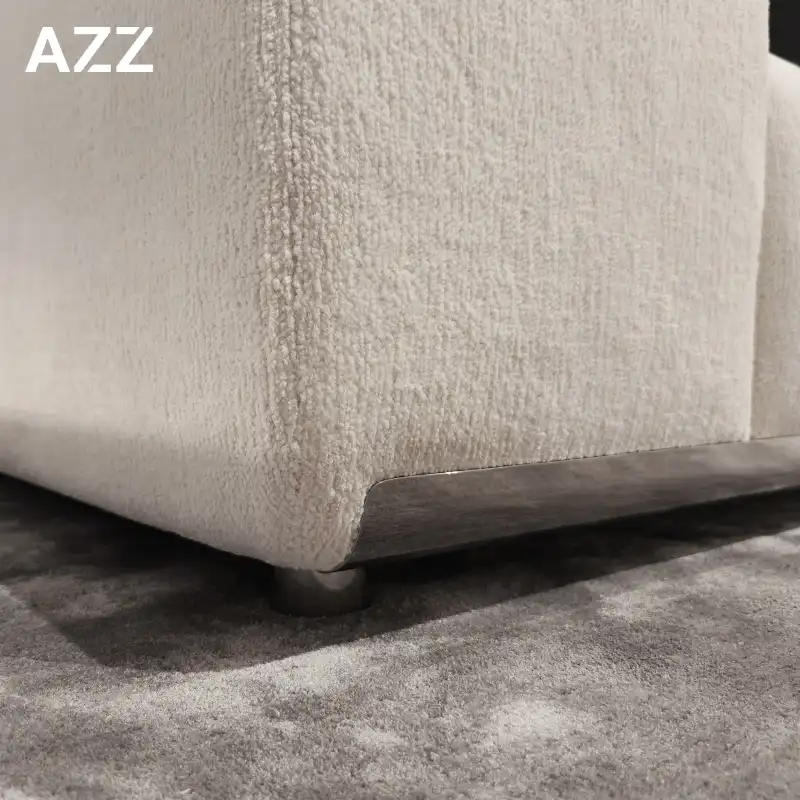
The core framework is where high-quality building starts. Imported larch and birch from Russia have very stable dimensions, which is important for furniture that is used a lot in business settings. The layered board structure spreads the weight out evenly, which stops structural fatigue spots that shorten the life of the product. When you mix high-resilience foam with memory foam, you get steady comfort that keeps its shape over thousands of sitting cycles. Premium white goose down filling in the back pillows makes them very soft while still keeping their loft, which is a technical feat that sets contract-grade furniture apart from home furnishings. Mirror-finished stainless steel gear doesn't rust in a range of climates, which is important for projects that need to be used in more than one market.
Modular Versatility Addresses Diverse Project Scales
Configurational flexibility is what gives it its real business value. When you put together a three-seater with a single armrest that measures 1800mm by 1120mm by 680mm and a two-seater without an armrest that measures 1480mm by 1120mm by 680mm, you get an L-shaped setup that makes talking areas without permanent walls. Corner seats measuring 1510 x 2060 x 680 mm allow for circular arrangements that are perfect for packing as many seats as possible into a small space. Full modular sets that measure 4790 x 3540 mm can fit large lounge areas while still keeping the overall style. This adaptability solves a major problem for real estate developers who want to build different types of units in the same building: standard parts that can be used with different floor plans make purchasing easier and lower the cost of stock.
Core Principles for Designing the Perfect Modular Coupe Sofa Layout
Spatial Analysis Precedes Component Selection
Thoroughly measuring the dimensions is the first step in designing a plan that works. Before defining components, we measure the size of the room, find circulation paths, and make maps of natural focal spots. This style of sitting has a low profile—it's usually only 680 mm high—which makes rooms with standard ceiling heights look bigger while still giving your back enough support. Traffic flow analysis makes sure that there is 900–1200 mm of space around sitting groups, which meets ADA mobility standards and is important for business uses. Diagonal depth measurements make sure that parts can fit through building hallways and elevators during installation. This is a useful step that keeps transportation problems from becoming too expensive.
Symmetry and Asymmetry Create Functional Zones
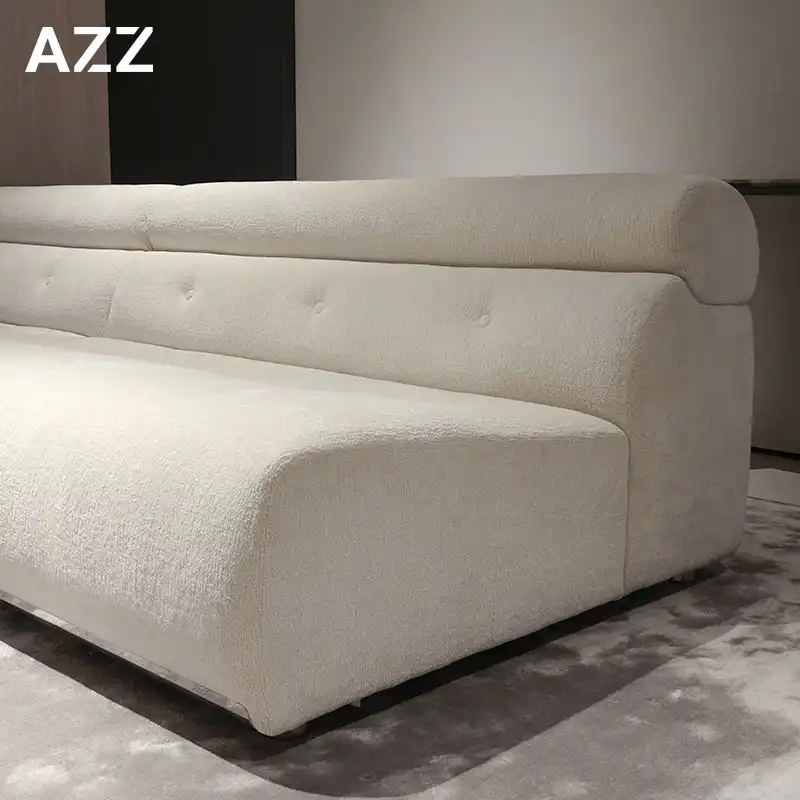
Pairs of three-seaters placed on either side of a corner unit of the Coupe sofa create balanced talk areas that are suitable for business lounges and company waiting rooms. Asymmetrical layouts that combine single two-seaters with corner elements offer casual arrangements that work well in the common areas of small hotels and apartment lobbies. The curved metal frame feature that goes around the seat base gives it a consistent look in a variety of layouts, even when they are very complicated. This architectural uniformity lets interior designers make different kinds of spaces that look and feel the same. This is very important for properties with lots of public areas that need to have separate but related identities.
Material Specification Impacts Long-Term Performance
When choosing commercial furniture, you need to think about more than just how it looks. Fabrics need to have a Martindale wear strength of at least 40,000 cycles to be able to handle high-traffic hotel settings. Leather choices should be flame-resistant according to local building rules and still feel good to the touch. Color choices strike a mix between how the design looks and how easy it is to keep up. For example, medium tones hide small scratches better than very light or dark colors. The stainless steel metal feet are strong enough to be moved around a lot during event setups and seasonal changes that happen a lot in hotels and stores. Procurement managers should ask for foot caps that can be taken off and replaced easily. This will protect the floor longer and make upkeep easier.
Comparing Coupe Sofas with Other Modular Seating Options for B2B Procurement
Structural Differentiation Defines Application Suitability
Traditional sectional systems have deep seat shapes that are more than 1000 mm deep, which encourages people to lie down or lounge. The narrower 1120 mm depth of refined modular designs encourages alert, upright sitting that is good for business talks and short breaks—exactly what is needed in hotel lobbies and executive waiting areas. Alternatives to loveseats don't have modular connections, which limits the ability to rearrange in ways that business owners value for optimizing space. The continuous frame design is better at maintaining structural integrity than loose-cushion systems, whose parts come apart over time. This means that in high-use business settings, maintenance needs are lower.
Lifecycle Cost Analysis Reveals True Value
The initial cost of purchase is only one factor that goes into making a procurement choice. Upholstery that is built into the frame structure instead of loose covers removes the need to constantly fluff and organize the furniture, which saves a lot of time and money in hospitality settings. Stainless steel hardware doesn't rust or lose its shine like brass or chrome-plated hardware does, so it lasts longer and costs less to keep in stock. Unlike composite frames, which break down after 5 to 7 years, the solid wood frame with spring support systems keeps its structural integrity for 10-15 years, which is how long industrial furniture usually lasts. When buying managers look at the total cost of ownership instead of just the purchase price, these factors show that improved modular systems are good investments.
Customization Depth Supports Brand Differentiation
Eight-week production schedules allow for changes that are specific to the project, without the 16–20 week wait times that are usual for fully custom furniture. Dimensional changes are made to work with the limitations of certain buildings. For example, seat levels can be changed for small flats in cities, and corner radiuses can be increased to make them barrier-free. Fabric and leather choices from carefully chosen styles keep the company consistent across all locations without giving people too many options, which can make them paralyzed with choice. Frame finishes that range from brushed metal to polished brass make it possible for properties in the same hotel group to be slightly different from each other. This organized customization method strikes a balance between creative freedom and production efficiency, meeting the needs of both designers and buyers.
Step-by-Step Guide to Arranging and Optimizing Modular Coupe Sofa Layouts
Measurement and Flow Assessment Establish Foundation
To start a Coupe sofa installation, make scaled floor plans that include all of the building's set parts, like columns, doors, windows, and machinery parts. Find the main and minor circulation tracks, making sure that the main lanes have at least 1200 mm of space between them. Make a map of the power and data links that affect where parts go in a work lounge. Check the ceiling heights and sightlines from the entrances to make sure that the seats doesn't make it hard to see. To keep shiny metal finishes from getting glare, write down where natural light sources and manufactured lighting are placed. These first steps keep you from making the expensive mistake of choosing setups that look great on their own but don't work in real-world spaces.
Component Selection Matches Functional Requirements
Three-seaters with single armrests hold up open-ended arrangements, which are great for hotel hallways with a lot of foot traffic because people can approach from a variety of angles. Their 1800mm length is long enough to easily fit three people without taking up too much space, which is a problem in moderate-sized rooms where sectionals tend to be too big.
Two-seaters without armrests connect the bigger parts and make seating walls that go along building features. The 1480mm width fits living rooms that are about the size of a normal house, and it has commercial-grade sturdiness that you wouldn't expect from a small format.
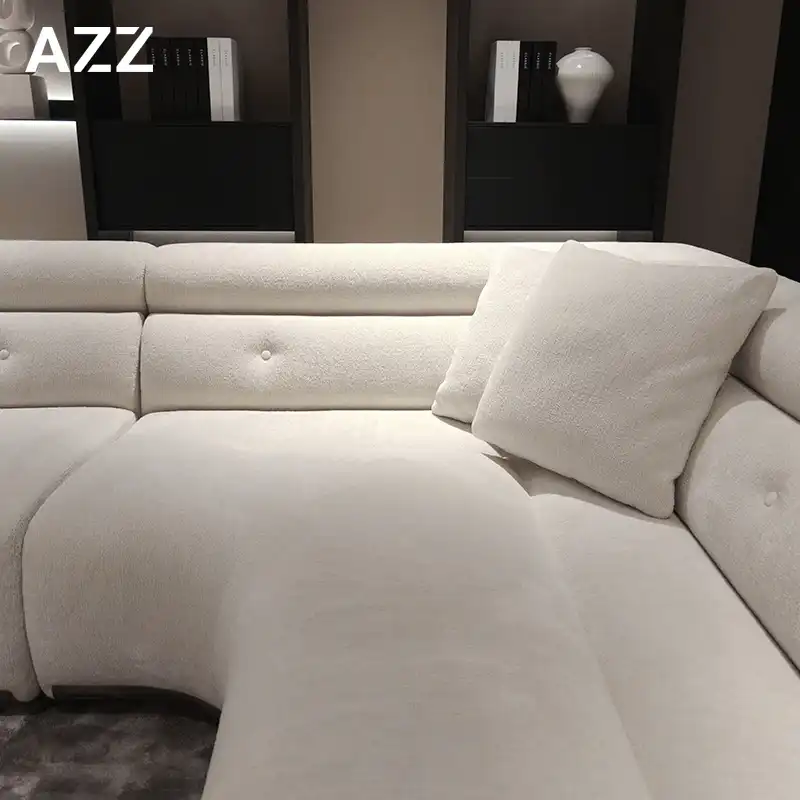
Corner seats turn straight lines into L- and U-shapes that are good for discussion. The 1510x2060mm footprint increases the number of seats per square foot, which is important for small hotels and apartments in cities where room is valuable.
These parts fit together by having the same 680mm height and 1120mm width, which makes sure that the look is uniform in a variety of setups. The modular logic lets store managers show off different layouts using standard inventory. This cuts down on the need for floor samples and shows visiting buyers how flexible the configurations are.
Installation Sequence Optimizes Efficiency
To set up angle relationships properly, put corner units in front of linear components. Make sure that the bent aluminum frame elements are lined up correctly where the parts meet. If they aren't, it will be easy to see because the metal finishes are shiny. Make sure that the stainless steel feet contact the floor at the same time to keep the frame from getting stressed. After you unpack your pillows, give them 48 hours to fully expand. This is especially important for back cushions filled with down. Make the last tweaks with the lighting that was installed, since metal frame effects change how things look when natural light and artificial light are used. This orderly approach stops setups that are done too quickly and cause seating groups to be misaligned, which costs a lot to fix.
Procurement Strategies and Supplier Insights for Modular Coupe Sofas
Supplier Evaluation Criteria Beyond Price
The size of a manufacturing facility for the Coupe sofa shows how much it can produce and how consistently it does so. For example, a 50,000-square-meter plant shows that it has the infrastructure to handle large orders and keep to delivery dates. Access to a 20,000-square-meter showroom lets procurement teams see for themselves the quality of the building, the authenticity of the materials, and the accuracy of the finish before making a promise. Implementing an ERP system makes production clear and allows for material tracking, which is very important for projects with multiple stages that need to stick to the same specs at different delivery times. The 6S standards for production management encourage practical discipline, which leads to consistent quality. This cuts down on batch-to-batch variations that make business installations more difficult.
Customization Protocols and Lead Time Management
Eight-week production timelines strike a balance between the level of customization and the facts of the project plan. This window lets you choose the cloth, change the size, and specify the finish without having to pay the extra fees that come with rush orders. Remote pre-shipment tests check the quality of goods before they are sent internationally, which saves money on shipping costs and avoids problems caused by defects. Originating in China lets you get competitive prices on high-end materials like foreign larch wood and stainless steel tools, which would make them much more expensive to buy in other places. Knowing how these parts of the supply chain work helps procurement managers set reasonable deadlines and budgets for projects that are in line with how manufacturing and transportation really work.
Partnership Value Extends Beyond Transactions
Suppliers who offer a variety of flexible combos can adapt to changing project needs without having to switch vendors, which can cause design problems. Material and color customization sources let you make brand-specific details that set apart hotels and apartment buildings in competitive markets. Technical drawing services turn design ideas into detailed instructions for making things. This helps creative teams and production facilities talk to each other. Support after delivery, such as upkeep instructions and the ability to get replacement parts, saves long-term investments. This is especially important for hospitality owners who manage properties in more than one place. With these partnership factors, you can tell the difference between simple deals and strategic supplier ties that help you stay ahead of the competition.
Conclusion
Architects, material experts, and people who buy things all need to work together to make the best modular luxury Coupe sofa furniture plan. The consistent style of refined seating systems makes it look good in a variety of arrangements while still allowing for the freedom that businesses need. Implementations that work well combine the original requirements with the performance over the lifecycle, the level of customization with the efficiency of production, and the desired aesthetics with the realities of operations. When purchasing managers look at suppliers based on their ability to manufacture, their customization standards, and their commitment to a relationship, they can find solutions that raise the value of properties and make operations run more smoothly. This article explains a thorough way to buy modular seating that changes it from buying furniture to strategically deploying assets that make business spaces stand out.
FAQ
What are the ideal room dimensions for modular coupe sofa layouts?
A room must be at least 3500mm x 3500mm in order to fit a basic L-shaped arrangement with a three-seater and a corner unit, with enough space for movement. Full modular sets can be put together in U-shaped setups in rooms that are bigger than 5000x4000mm. If the ceiling is higher than 2700 mm, it keeps the eyes from getting heavy, but the 680 mm seat height works with normal 2400 mm home ceilings.
How do coupe sofas compare to sectionals for commercial durability?
With integrated fabric construction, the cushions don't move around and the covers don't come apart like they do with loose-cushion sectionals. Frame-integrated design can handle being moved around a lot, which is common in event areas and hotel hallways. When compared to deep-seat sectionals, where people slide and change positions, the smaller seat depth and straight back angle make the fabric less stressed.
What materials offer optimal longevity in high-traffic environments?
High-resilience foam with a density of more than 2.5 lbs/ft³ keeps its shape even after being used a lot. Stainless steel gear doesn't rust or lose its shine when the weather changes. Imported hardwood frames keep their shape, so the joints don't come loose like they often do with plastic materials. Adding layers of memory foam makes the mattress more comfortable for each person without shortening its life.
Partner with Azz Furnishings for Your Modular Luxury Sofa Needs
In our 50,000-square-meter factory in Foshan, Guangdong, Azz Furnishings combines design, production, and quality control to make the best Coupe sofa. Our flexible luxury seating options are made with commercial-grade materials and Italian minimalist style to meet the exact needs of furniture stores, interior designers, real estate developers, and hospitality businesses.You can see the quality of the materials and the accuracy of the building in our 20,000-square-meter showroom or email our sourcing team at shiyingfan826@gmail.com. As a company that has been making Coupe sofas since 2018, we offer eight-week production times, a lot of customization options, and online pre-shipment checks to make sure your needs are met. Our ERP-managed supply chain gives multi-property projects the stability and control they need. Get in touch with us to talk about bulk discounts, OEM relationships, and custom solutions for your business furniture needs.
References
Johnson, M. & Williams, R. (2022). Modular Furniture Systems in Commercial Interior Design: Specification and Procurement Strategies. Commercial Design Press.
Chen, L. (2021). "Material Performance Standards for Contract-Grade Upholstered Furniture." Journal of Hospitality Procurement, 18(3), 142-159.
Anderson, K. (2023). The Complete Guide to B2B Furniture Sourcing: Quality Assessment and Supplier Evaluation. International Furnishings Institute.
Thompson, S. & Davis, P. (2022). "Lifecycle Cost Analysis in Commercial Furniture Procurement." Facilities Management Quarterly, 34(2), 88-104.
Martinez, C. (2021). Space Planning Fundamentals for Hospitality Interiors: Layout Optimization and Traffic Flow. Design Institute Publishing.
Liu, W. & Zhang, H. (2023). "Manufacturing Excellence in Contemporary Furniture Production: Quality Systems and Supply Chain Management." Asian Manufacturing Review, 29(1), 67-83.