




How to Find the Best Outdoor Lounge Chairs for Patios?
Finding great patio furniture can turn outdoor areas into useful and attractive places that meet the high standards of both businesses and homes. The Angie lounge chair is a great example of high-quality outdoor furniture making because it is both comfortable and long-lasting. This guide gives procurement experts, designers, developers, hotel managers, and stores factors based on facts they can use to decide whether to invest in outdoor seating. We look at the durability of the materials, the strength of the structures, the adaptability of the designs, and the supplier's abilities that will ensure long-term value while solving common problems that come up when decorating outdoor areas with a lot of foot traffic.
Understanding Core Requirements for Outdoor Lounge Chairs
Weather Resistance and Material Durability
Outdoor furniture that works well must be able to handle things in the environment that break down materials quickly. Patio sitting is hard to keep up with because of UV rays, water getting in, changes in temperature, and wind. High-end outdoor chairs are made with weather-resistant fabrics that are designed to be used outside. These include solution-dyed acrylics and performance-grade textiles that don't fade or grow mold. Corrosion-resistant frame materials should have powder-coated finishes or be built in a way that prevents rusting naturally. When reviewing possible suppliers, procurement teams should ask for written results of weather tests and material specification sheets that back up promises that the materials are suitable for use outside.
Ergonomic Design and User Comfort
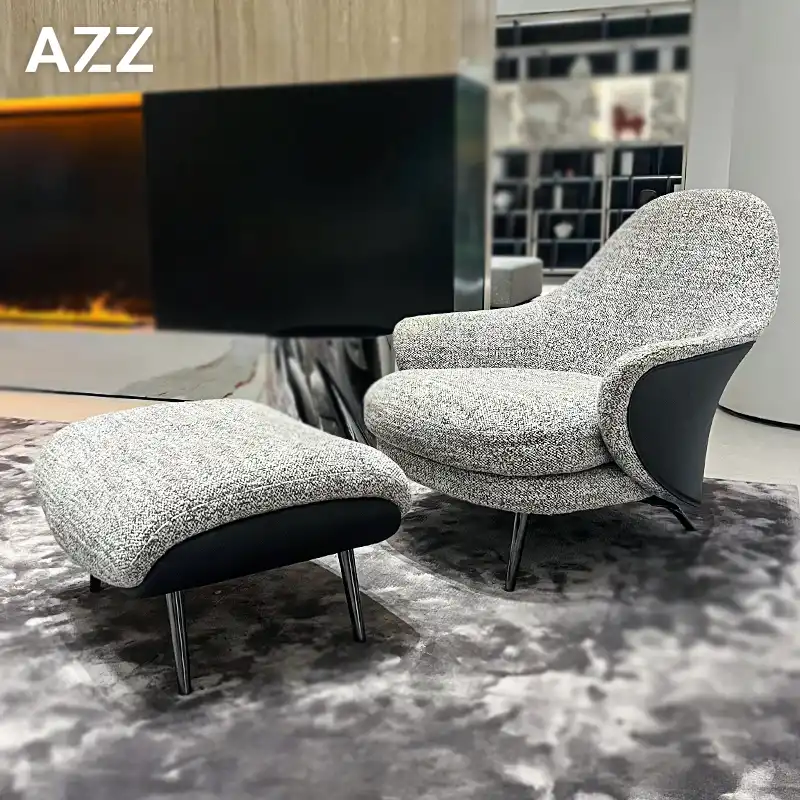
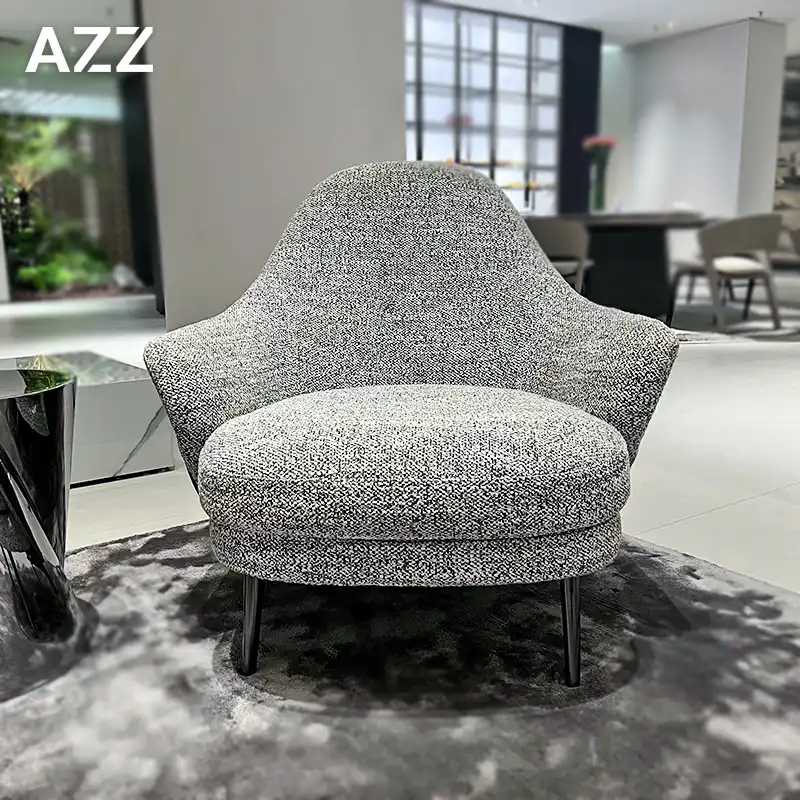
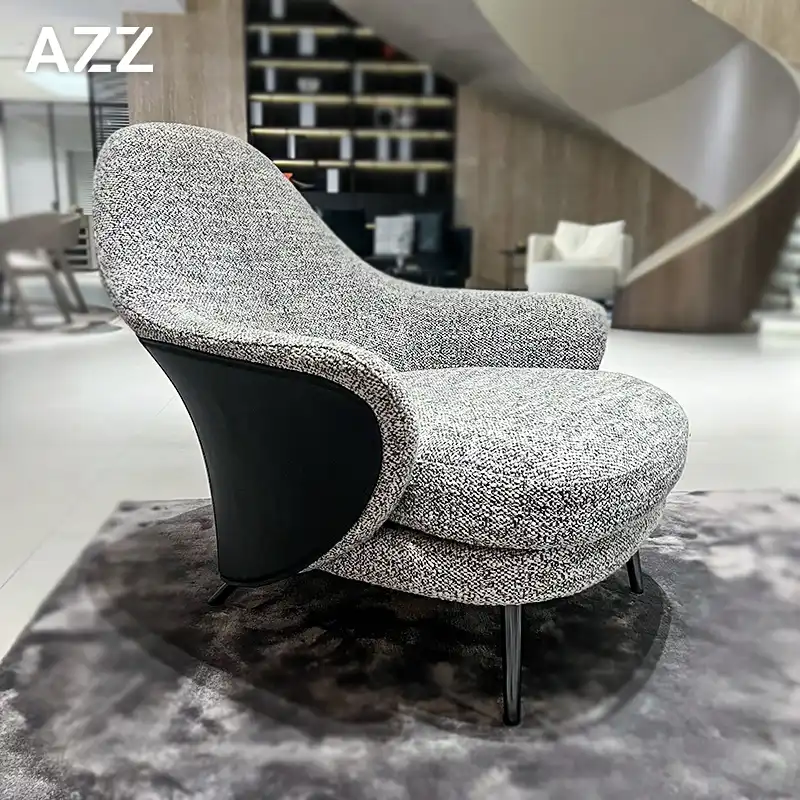
Dimensions have a big effect on how happy users are with a wide range of apps. Standard sizes of about 850 mm wide, 950 mm deep, and 840 mm high usually work for a range of body types while keeping feet small enough for patios with limited room. But customization options let you make changes that fit the needs of a particular job. With the right lumbar support and a contoured seat, you can use it for a long time without getting uncomfortable. This is especially important in hospitality settings where customer happiness directly affects image. To make sure that ergonomic greatness fits with how the chair is meant to be used, design teams should look at seat pitch angles, cushion density specs, and armrest placement.
Aesthetic Cohesion with Existing Environments
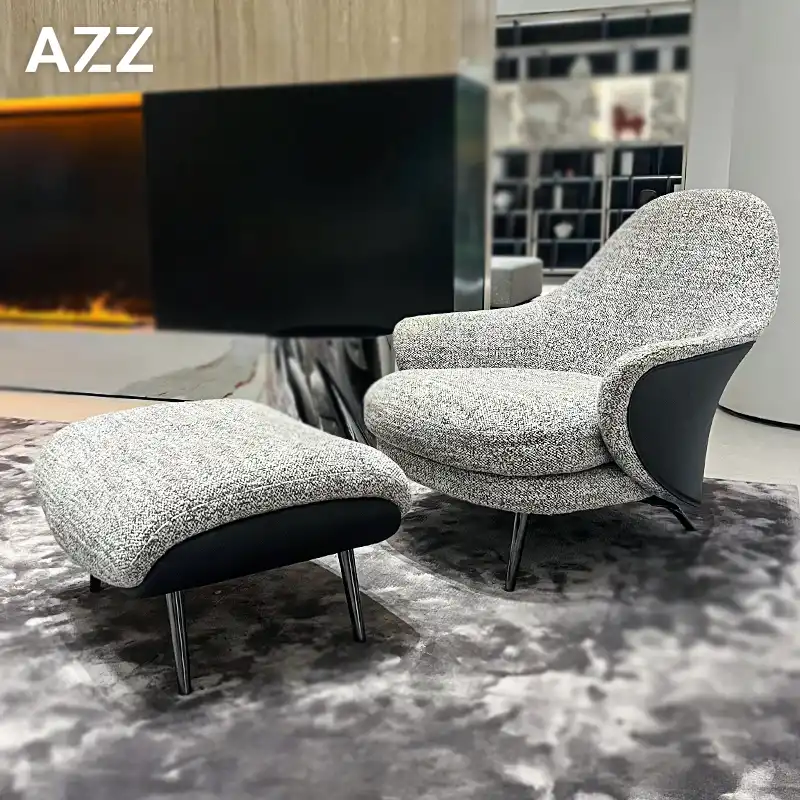
When you choose lounge chair furniture that goes well with the architecture around it, the total effect of the design is stronger. Clean lines, neutral color schemes, and material differences of the lounge chair that create a sophisticated atmosphere are becoming more and more popular in modern outdoor areas. Seating options should go with landscape design, building facades, and current furniture sets, not against them. Customizable finishes let you match colors exactly to brand guidelines or design themes. This is especially helpful for developers who want to give multiple properties the same look. Procurement professionals benefit from working with makers that offer a wide range of customization options, such as different cloth choices, leg finishes, and changes to the size of the furniture.
Comprehensive Analysis of the Angie Lounge Chair for Outdoor Applications
Material Engineering and Construction Quality
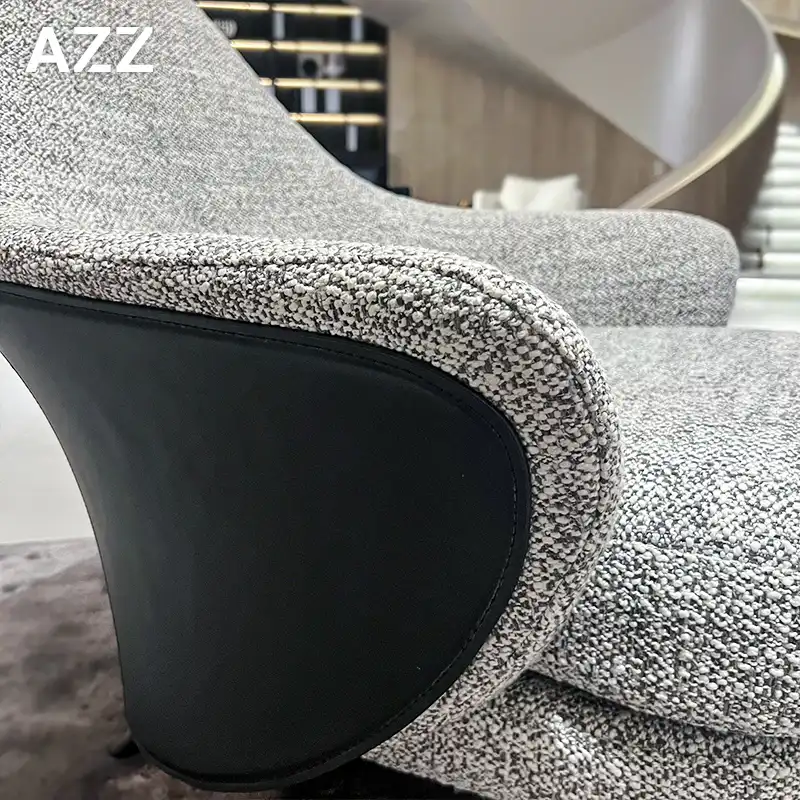
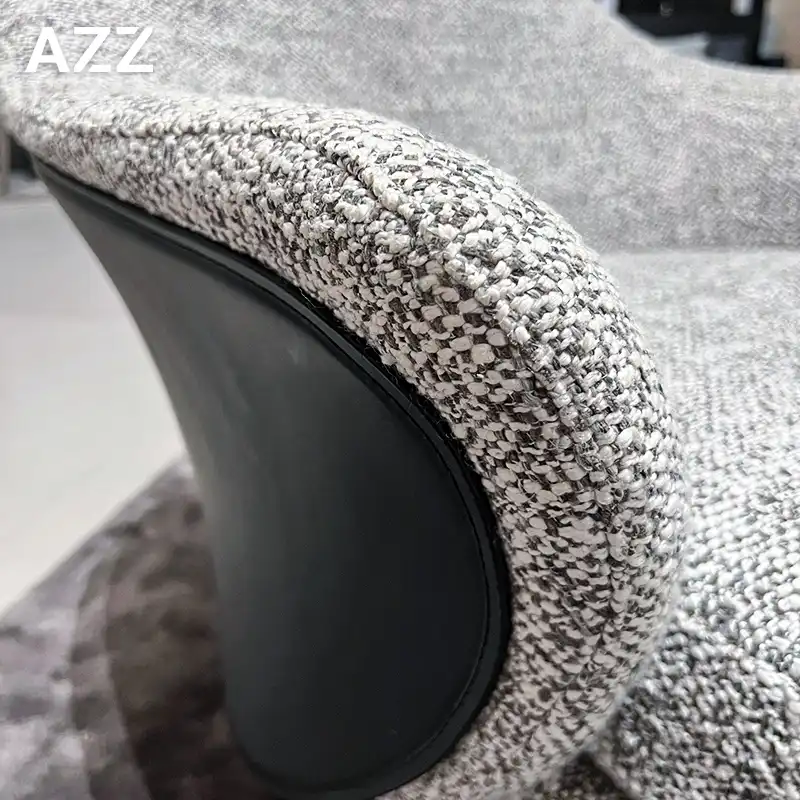
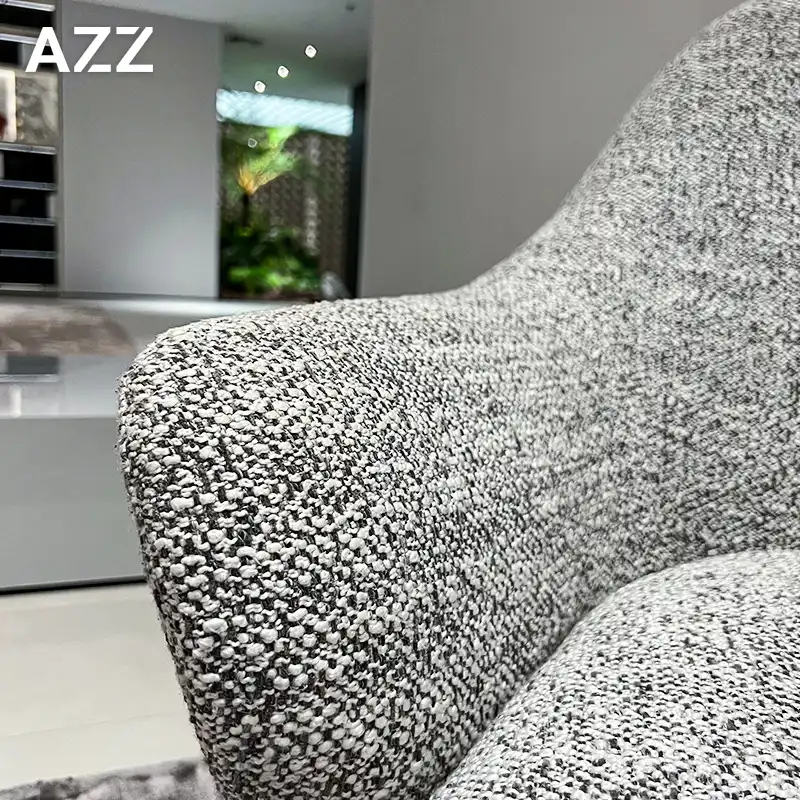
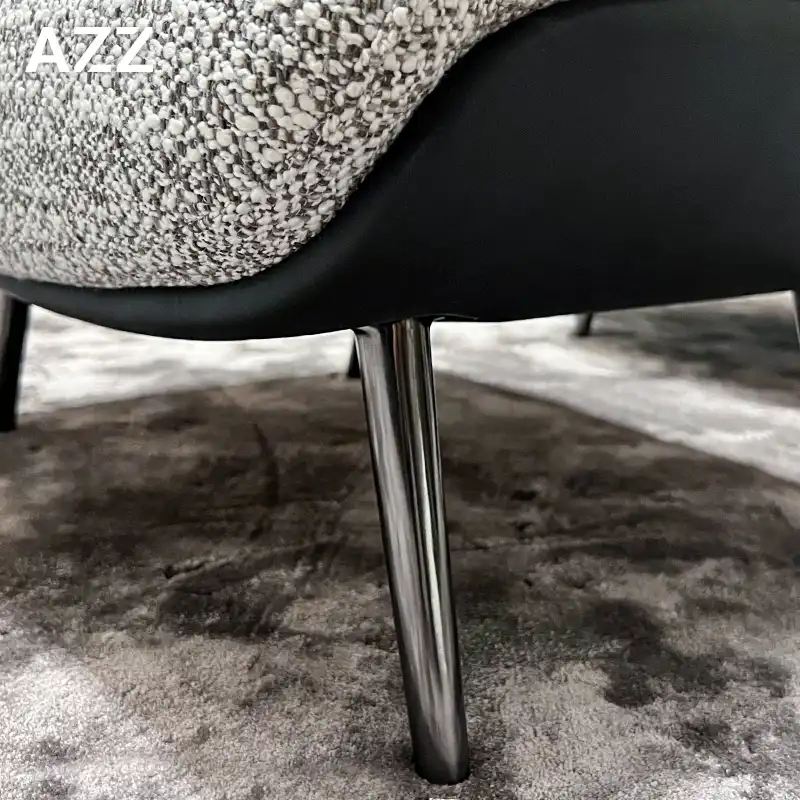
The planning behind high-end outdoor furniture includes choosing materials that are both long-lasting and nice to look at. Upholstery choices in cotton, linen, and leather give you a lot of options to meet the needs of any job. In home settings, cotton's softness and ability to breathe are valued, while treated leather's high-end looks and longer durability make it a good choice for business settings. Linoleum mixes are a good compromise because they combine natural material with easy care features. Using strong materials to build the frame makes sure that it stays stable even after years of use, and the strengthened joints keep the structure from breaking, which happens with cheaper goods. When factories follow strict quality control procedures like inspecting materials, keeping an eye on production, and doing a final check, the quality of their products stays the same even when they get a lot of them.
Customization Capabilities for Project-Specific Requirements
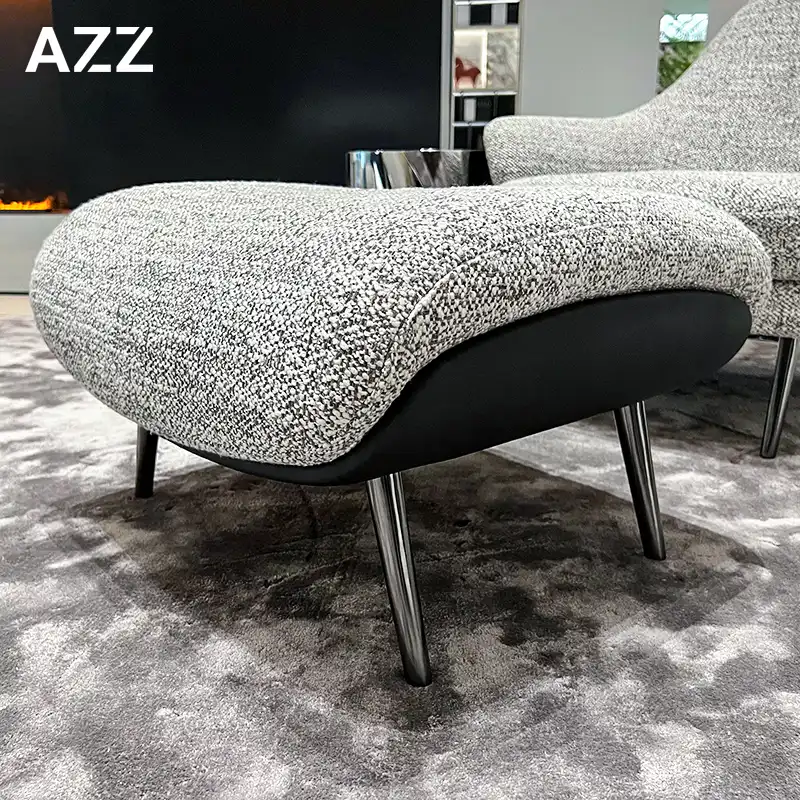
Commodity furniture is different from strategic buying options because it can be customized in different ways. In addition to standard sizes, modern makers can handle changes in size, special fabric uses, custom embroidery for branding settings, and custom leg finishes that fit specific design needs. This adaptability is especially helpful for hotel projects that need to keep the same look in multiple rooms or for owners who want to give each property its own unique look. Teams in charge of buying things should look at how well possible suppliers can make prototypes, how many of them are needed to make a special order, and how long it will take to make changes to designs. By having different products, building connections with manufacturers that offer full customization services gives you a competitive edge.
Maintenance Requirements and Lifecycle Cost Considerations
The initial purchase price is only one part of the total cost of ownership. Other costs include repairs, cleaning materials, and how often the item needs to be replaced. High-quality outdoor furniture that is designed to be easy to maintain lowers running costs by a large amount over the product's lifetime. Fabrics that don't stain or grow mildew need to be vacuumed and spot cleaned with light soap solutions every so often. Leather versions look better and stay flexible longer if they are treated with cleaning treatments every so often. Frame materials that don't need much more than a regular cleaning get rid of the need to keep renewing them. Procurement professionals should include upkeep labor hours, cleaning supplies costs, and planned replacement intervals in project budgets so that they can correctly compare the total ownership costs of different goods.
Comparing Leading Outdoor Seating Solutions
Performance Benchmarking Against Market Standards
To evaluate outdoor furniture, you need to compare it in a structured way across a number of performance factors. Testing the longevity of a material, such as its resistance to UV light, water, and structural load, gives concrete information about its performance. Iconic designs like the Eames lounge chair set new standards for how things should look in the home, but when they're used outside, they often need major material changes. Mass-market options from big stores usually put lowering costs ahead of durability, so they last less long and need to be replaced more often. When it comes to value, premium makers that focus on commercial-grade building offer longer product lifecycles, less maintenance, and lasting good looks even in harsh outdoor settings.
Price-Performance Ratio Analysis
When deciding how to spend your budget, it helps to know what the value offers are at different price points. Entry-level outdoor furniture usually has light frames, cheaper fabrics, and easier ways of putting it together, which lowers the initial cost but lowers the longevity. Better materials and better building quality in mid-range choices make them last a little longer. The original cost of premium commercial-grade furniture is the highest, but it has a much longer useful life, lower upkeep costs, and a better user experience. Premium furniture regularly gives a better return on investment because it needs to be replaced less often and makes guests happier, according to hospitality owners and developers who run properties with a lot of foot traffic. When reviewing options, procurement teams shouldn't just look at the buy price; they should also look at the cost per year of service.
Environmental Suitability and Application-Specific Performance
Different outdoor settings have different problems that need specific furniture requirements. Coastal areas subject furniture to salt air, which speeds up rusting. This means that furniture needs better protection finishes and materials that don't rust. High-altitude sites are exposed to strong UV rays, so fabrics and finishes need to be more resistant to fading. Applications on urban rooftops need to be able to handle wind exposure by using strong base designs and safe anchoring choices. When procurement experts know about the environmental factors that are unique to each installation site, they can choose the right features to ensure the best performance. Manufacturers who have worked on a wide range of projects in different temperature zones can help buyers choose designs that will work best in their area.
Procurement and Transaction Guidelines
Supplier Evaluation and Partnership Development
Procurement ties that work well go beyond simple buying and include strategic partnerships that help businesses reach their long-term goals. When looking at possible providers, you need to look at their manufacturing capacity, quality control systems, ability to customize products, and infrastructure for providing help after the sale. Controlled manufacturing settings show that manufacturers who run their own production sites are committed to quality. Implementing ERP systems that allow digital management from start to finish and material tracking makes the production process clear. When facilities follow standard production management procedures, the quality of return orders is always the same. Before signing large-volume contracts, procurement directors should do checks of suppliers to look at their production capabilities, quality control processes, and how quickly they respond to customer service issues.
Order Processing and Delivery Logistics
Knowing how to place an order, how long it will take, and what kinds of deliveries are available can help keep projects on schedule and on budget. Standard goods usually ship within six weeks, but delivery times can be longer for custom orders or sales of a lot of products. Minimum order amounts, which are often as low as one piece, can be met for both small tasks and large purchases. Clear pricing, bulk discount programs, and flexible payment terms make it easier to stick to a budget for jobs of all sizes. Having a full guarantee that covers any problems with the way the product was made gives buyers trust, and having clear return policies takes care of the rare cases where customers are unhappy with the product. When available, professional assembly services make installation easier and make sure the product is set up correctly, which extends its life.
Digital Capabilities and Communication Efficiency
Digital tools that make contact, order handling, and project management of the lounge chair easier are becoming more and more important in modern procurement. Manufacturers that offer 3D design services and prototyping for the lounge chair can show customers exactly what the effect will be before they commit to production. This cuts down on review cycles and makes sure that the specifications of the lounge chair are met. Online platforms that offer detailed product specs, customization options, and clear prices for the lounge chair make it easy for procurement teams to do quick preliminary evaluations. Respondent customer service teams that can be reached through multiple methods of communication for the lounge chair, such as email and direct phone calls, make it easy to get questions and problems solved quickly. Setting clear rules for how to talk to sellers about the lounge chair at the start of a project helps keep things clear and runs smoothly from the first question to the final delivery.
Strategic Selection Tips for Commercial Buyers
Aligning Product Features with End-User Scenarios
To choose the right furniture, you need to make sure that the features of the product fit the needs and preferences of the people who will be using it. When people come to hospitality rooms expecting a high-class experience, they need high-quality products, a sleek look, and the best comfort. Corporate office spaces that need to look professional while also caring for their employees' health and happiness can benefit from flexible designs with finishes that are both classy and easy to work with. For high-end residential projects, the furniture needs to communicate quality and style while also fitting in with the property's placement. When setting up model homes for real estate developers, they should choose pieces that are both aesthetically pleasing and durable enough to be used again and again. Procurement teams can make the best choices by using systematic evaluation models that take into account things like usage intensity, user standards, and environmental conditions.
Customization Strategies for Bulk Orders
When working on large-scale projects, you can make changes to create unique settings while staying within your budget. Manufacturers with flexible minimum order numbers for custom specifications make it possible for property owners to use the same design themes across multiple buildings while still allowing for changes that are unique to each site. Custom stitching or branding choices turn plain furniture into branded assets that help build the identity of a business or property. Customized sizes make it easier to arrange furniture in rooms that have limited space or a specific design vision. Purchasing teams that are in charge of multi-phase projects can benefit from making framework deals with makers that can meet specific needs over longer periods of time. This keeps the design consistent as the projects grow.
Building Long-Term Supplier Relationships
Strategic relationships with suppliers, not just routine purchasing, give businesses a long-term edge over their competitors. When manufacturers show steady quality, on-time delivery, and helpful customer service, they become valuable partners who help businesses meet their ongoing needs. When you have a favorite seller, you can often get benefits like priority ordering for production, better prices, and chances to work together on product development. Talking to manufacturing partners on a regular basis gives you information about industry trends, new materials, and creative design ideas that can help you decide what to buy next. When procurement specialists put time into building relationships, the company gains knowledge assets and operational benefits that build over time.
Conclusion
When choosing outdoor Angie lounge chairs for business and private patios, you have to weigh your stylistic preferences against the chairs' practical performance needs and your budget. When you do good buying, you think about how long the materials will last, how efficient the design is, how much customization you can do, and how reliable the suppliers are as all of these things affect long-term value. When high-end furniture is made with strict quality control, a lot of customization choices, and quick customer service, it gives you a better return on your investment by making products last longer and making users happier. Systematic evaluation frameworks help people who are in charge of purchasing, designing, developing, and managing hotels by comparing goods to the needs of specific projects. It's important to remember that the original cost is only one part of the total value of ownership.
FAQ
What materials work best for outdoor lounge chairs in high-traffic commercial environments?
Weather-resistant fabrics, like solution-dyed acrylics or performance-grade linens made to fight UV fading, water penetration, and mildew growth, are best for commercial outdoor furniture. When properly cared for, treated leather choices look more expensive and last longer. Frame materials should have finishes that don't rust or be built in a way that keeps them from rusting. Options made of cotton and linen work well in partly covered areas that get regular upkeep.
Can outdoor lounge chairs be customized for specific project requirements?
Premium makers allow for a lot of customization, such as changing the size, choosing a cloth from a variety of choices, adding custom embroidery for labeled settings, and customizing the leg finishes. Minimum order numbers depend on the maker and the level of customization. Custom specs usually mean longer lead times, anywhere from six weeks to longer periods of time based on the number of orders and the type of changes that need to be made.
How should procurement teams calculate total cost of ownership for outdoor furniture?
A full cost analysis looks at the original buy price, the costs of shipping and installation, the ongoing maintenance costs in terms of labor and materials, and how often the item is expected to be replaced. Premium furniture that costs more up front is often a better deal in the long run because it lasts longer, needs less upkeep, and looks good for longer. To make fair comparisons between goods, divide the total cost of ownership by the expected length of service to get the cost per year.
Partner with Azz Furnishings for Your Outdoor Lounge Chair Needs
Azz Furnishings offers a wide range of manufacturing options for outdoor furniture, mixing high-quality design with the ability to make large quantities of products. Our 20,000-square-meter showroom and 50,000-square-meter plant in Foshan, Guangdong, have strict quality control measures in place for inspecting materials, keeping an eye on production, and doing the final review. With the help of 3D design tools and fast development services, we can make a lot of changes to the sizes, upholstery materials, and styles of your furniture. Our flexible order minimums and stable supply can meet a wide range of buying needs, from small projects requiring just one piece to large-scale developments requiring a lot of them. You can email our team at shiyingfan826@gmail.com to talk about your unique needs, get full specifications, or set up plant visits. We've been making Angie lounge chair manufacturer since 2018 and can give your projects the quality, service, and dependability they need.
References
Miller, R. & Thompson, S. (2021). Commercial Outdoor Furniture: Material Selection and Performance Standards. Hospitality Design Press.
Chen, L. (2022). "Durability Testing Protocols for Exterior Upholstered Furniture." Journal of Furniture Engineering, 18(3), 145-162.
Anderson, K. (2020). Procurement Strategies for Contract Furniture: A Buyer's Guide. Design Management Institute.
Williams, D. & Roberts, P. (2023). "Lifecycle Cost Analysis in Commercial Furniture Acquisition." Facility Management Quarterly, 41(2), 78-95.
Zhang, W. (2022). Manufacturing Excellence in Contemporary Furniture Production. Foshan Industrial Press.
Martinez, J. (2021). "Ergonomic Design Principles for Outdoor Seating Solutions." International Journal of Hospitality Design, 29(4), 201-218.