





Setting clear standards for after-sale help before finalizing supplier agreements protects against quality problems and keeps customer expectations in check. Reputable makers offer warranties that cover problems with the way the product was made, problems with the materials, and structural failures that happen within certain time frames for items such as a luxury restaurant table. Understanding the terms of a warranty, such as what conditions void coverage, how to file a claim, and how to settle a dispute, makes things clear when problems appear. Some suppliers have service contacts in the US or work with domestic distribution networks to make warranty service easier. Other suppliers handle claims straight from China and ship replacement parts or pay for problems that have been proven.
Import Guide: Morgan Dining Table from China to US
Buying high-quality Morgan dining tables from China has become a smart way for US companies to get luxury furniture that looks great and doesn't cost a lot of money. To find these beautiful pieces, you have to learn about the capabilities of manufacturers, figure out how to handle foreign logistics, make sure you're following all the rules, and build trusting relationships with verified suppliers. This detailed guide meets the unique needs of furniture stores, interior designers, real estate developers, hotel buyers, and e-commerce platforms by outlining tried-and-true methods for successfully importing goods. We help you find good manufacturers in Foshan's furniture hub, handle customs clearance, and build long-term relationships with suppliers. By giving you actionable insights, we turn complicated international procurement into streamlined operations that improve your product offerings and position you competitively in the American market.
Understanding Premium Marble Dining Tables - Key Insights for B2B Importers
In the US commercial furniture market, the marble dining table area has grown a lot. This is because more and more people want high-end furniture for their homes and businesses. These statement pieces are more than just useful furniture; they are works of art with great design and long-lasting value that appeal to picky buyers in both homes and businesses. By learning about how things are made in China, especially in Foshan's Guangdong state, you can see why this area has become the world's center for making high-quality furniture.
Design Variations and Material Excellence
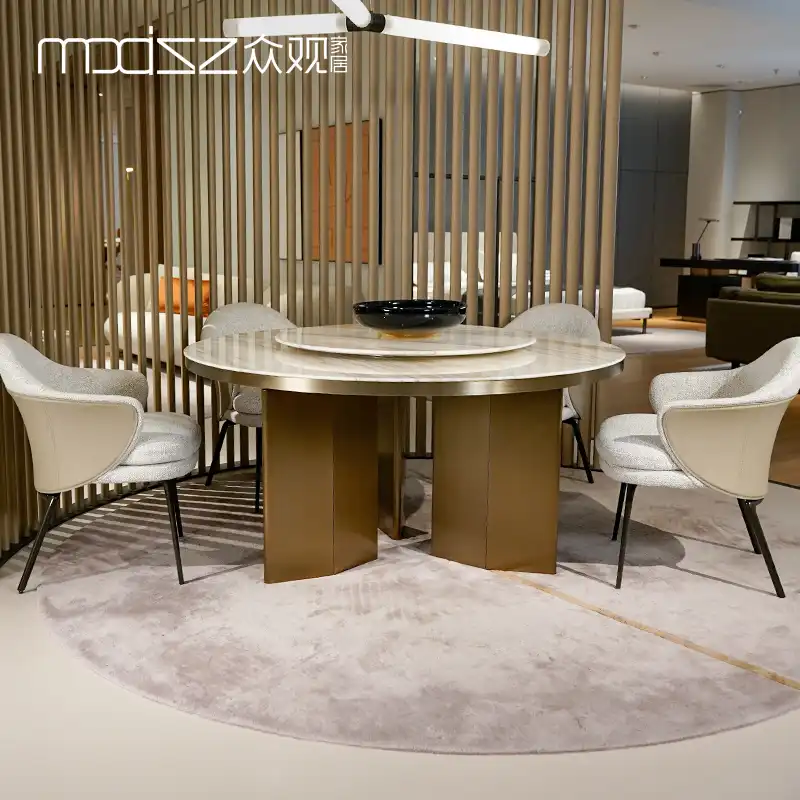
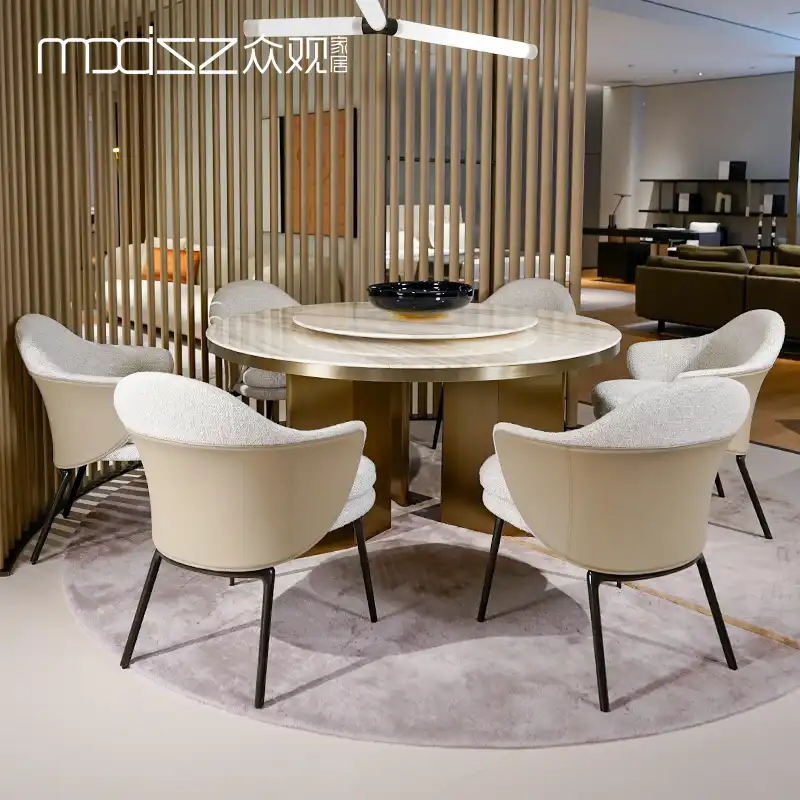
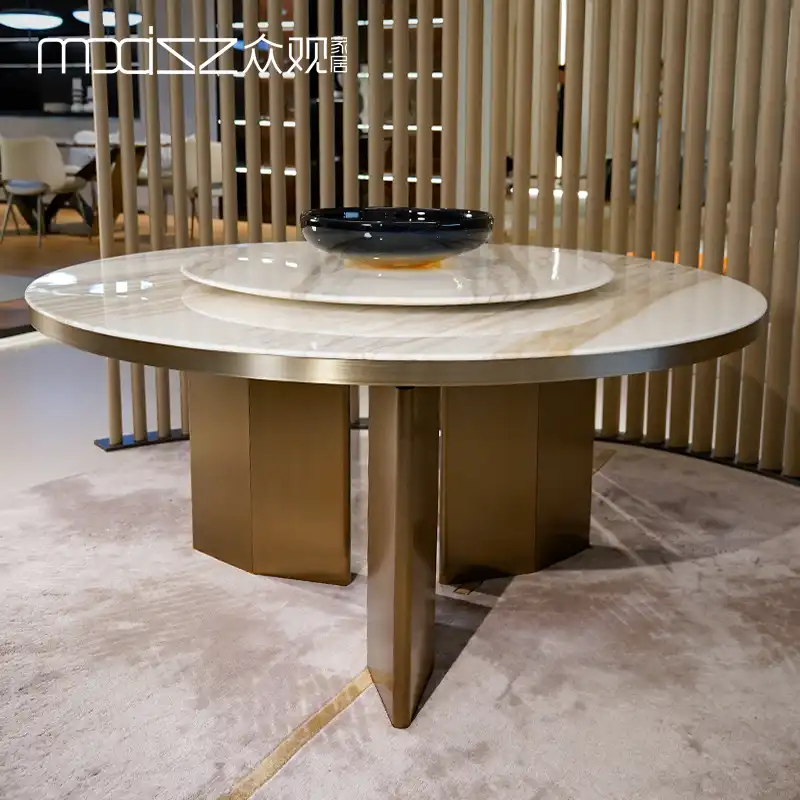
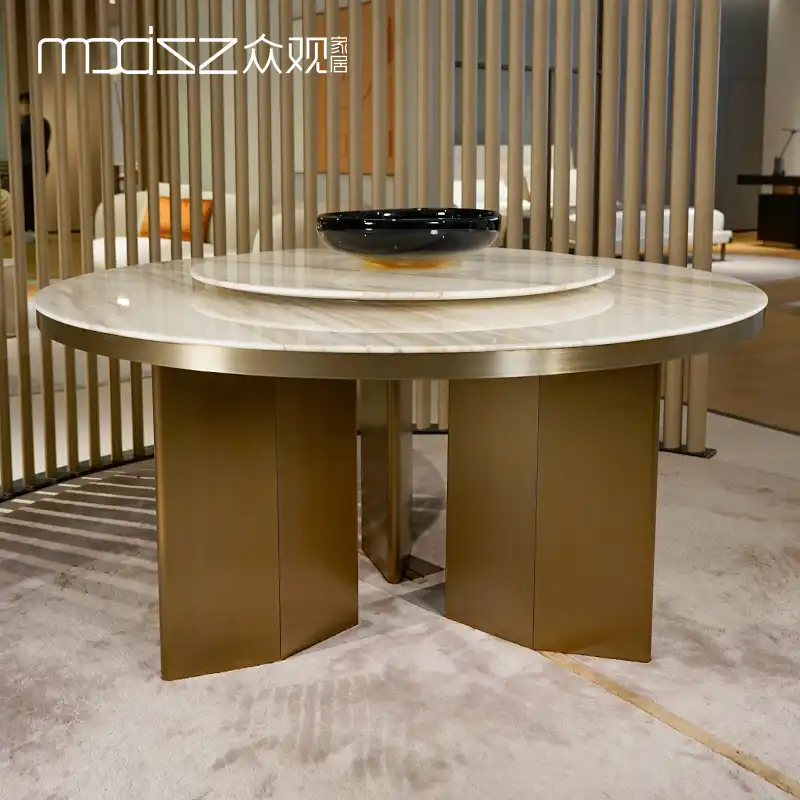
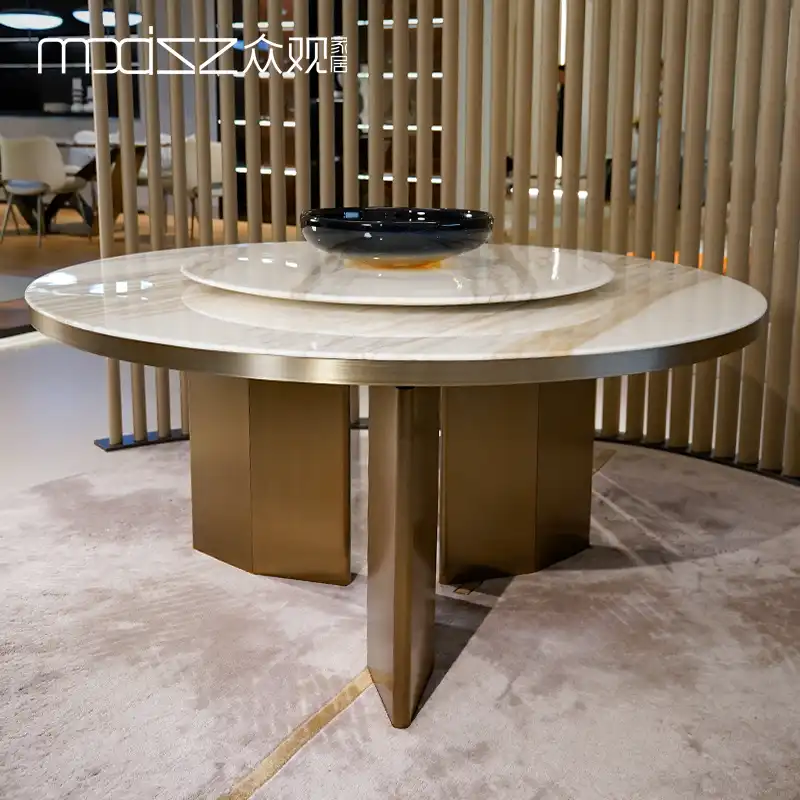
Contemporary marble eating furniture comes in a lot of different styles to fit a wide range of interior design ideas. Modern minimalist versions have straight lines, smooth marble tops, and geometric metal or wooden bases that make the pieces look light even though they are very heavy. In traditional designs, rich marble types with dramatic veining patterns are used to add ornate details. 1500mm x 760mm is the standard size, and it can be used in a variety of commercial settings, from small restaurants to private dining rooms. However, manufacturers can make the size and shape to fit specific project needs, from small cafe tables to large conference room installations.
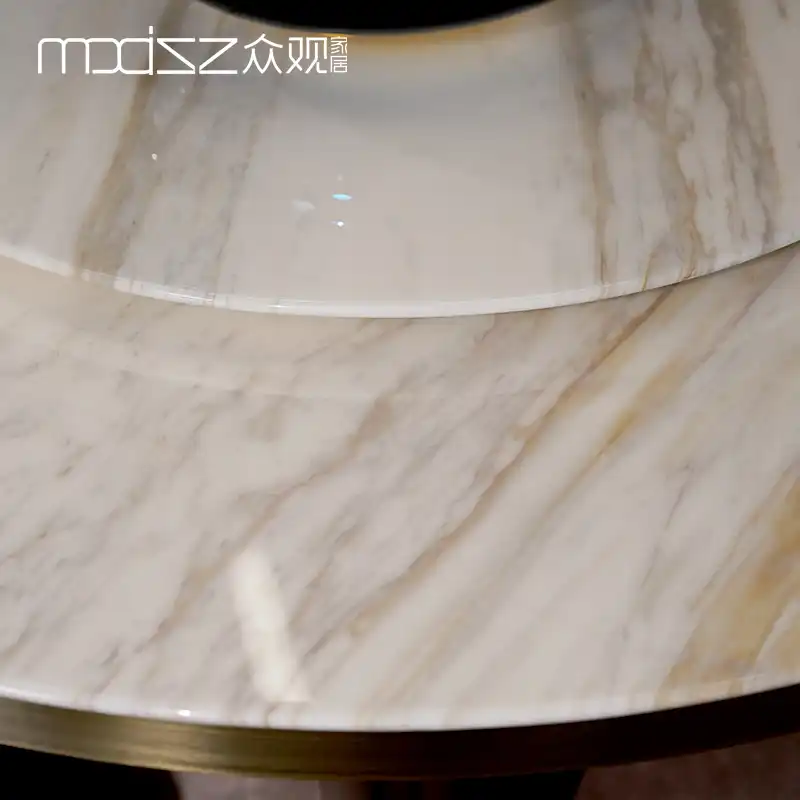
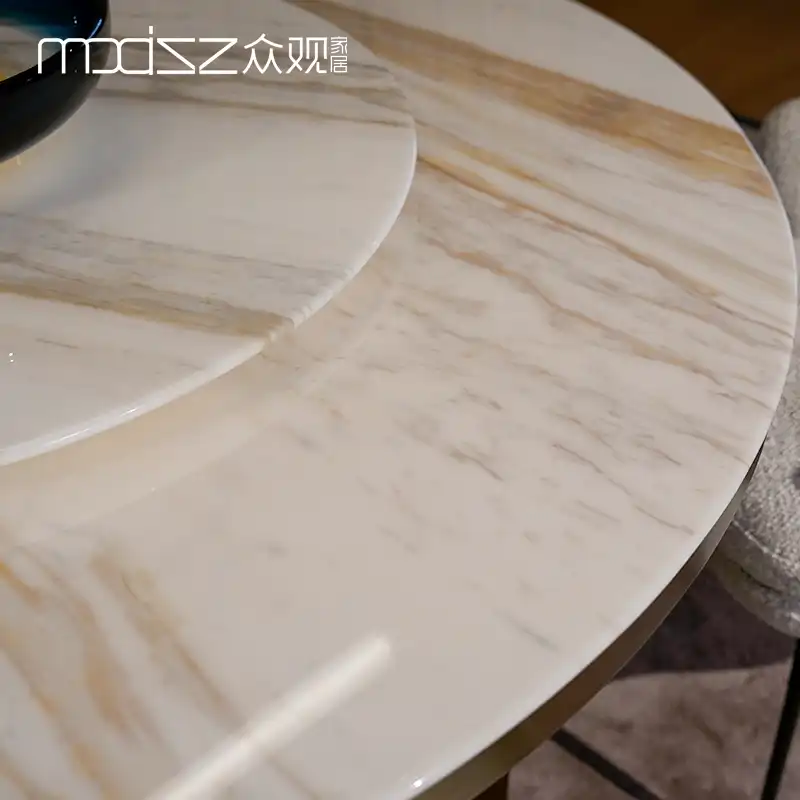
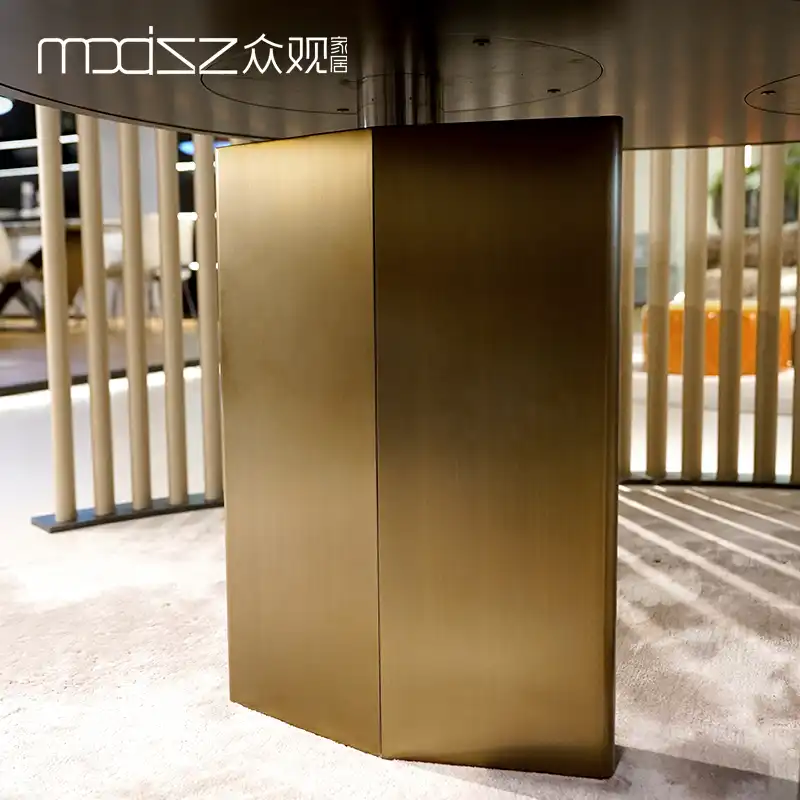
The choice of material has a big effect on both how it looks and how long it lasts. High-end makers only use types of marble that have consistent color tones and unique veining patterns that make each piece unique. The marble is carefully cut and polished in several steps to get a finish that looks like a mirror and is durable enough to last for years. Engineered materials are used in the base construction to hold the heavy marble while keeping the structure strong over years of use. When you mix the beauty of natural stone with the strength of engineered stability, you get furniture that meets strict business standards while still looking elegant in a home.
Manufacturing Standards and Quality Assurance
Some of China's biggest manufacturers have put in place quality control systems that are on par with foreign standards. When facilities use 6S production management systems, they keep their processes organized and efficient, and quality checks happen at many stages of production. As soon as the marble arrives, it is checked for quality by looking at the chunks for structural flaws, color consistency, and veining patterns before they can be used in production. During manufacturing, the accuracy of the dimensions is constantly checked to make sure they are met, and the surface finishing is thoroughly checked for smoothness, precise edge beveling, and the application of protective treatments.
The possibilities of advanced manufacturing go beyond standard production and include high-level customization services. 3D design systems make it easy to see how custom specifications will look quickly. This lets business-to-business clients look over digital prototypes before agreeing to full production runs. This integration of technology shortens the time it takes to make goods while still making sure they meet all of the client's needs. Intelligent ERP systems allow tracking of production from start to finish, including the ability to trace materials. This lets purchasing managers see the state of orders and the quality control measures that are used at all stages of production.
Customization Capabilities for Diverse Market Segments
One big benefit of buying from well-known Chinese makers is that you can change the sizes, finishes, and design elements to fit your needs. Modified sizing choices help furniture stores make the most of their showroom displays and work with customers who have limited space. Interior design companies use the ability to vary materials by choosing specific types of marble, base materials, and finish treatments that match the look of the project and the client's tastes. Real estate producers like bulk customization that keeps the design the same across multiple units while still taking into account the different architectural styles of each property.
The hospitality industry needs to pay extra attention to longevity standards and customizing sizes for areas with a lot of foot traffic. Manufacturers who have worked on hospitality projects before know that they need to use stronger materials, better protective coatings, and specific height adjustments to fit the needs of business dining operations such as a luxury restaurant table. New types of wrapping help e-commerce sites by keeping marble surfaces safe during individual shipments and making the best use of space to keep freight costs low. These different ways of customizing show how flexible manufacturing can be, which supports a wide range of business models and methods for positioning in the market.
Navigating International Logistics and US Import Compliance
To successfully import marble dining furniture from China, you need to pay close attention to choosing the right seller, planning the shipping, going through customs, and following all the rules. Each factor affects the final product quality, delivery times, and overall landed costs when it gets to US markets. By using organized methods to deal with these linked parts, you can turn what could be complicated into manageable processes that keep inventory moving smoothly and keep customers happy.
Identifying Verified Manufacturers and Establishing Partnerships
Choosing the right supplier is the first step in building a strong relationship for long-term purchases. Foshan, which is in the province of Guangdong, has a lot of facilities for making furniture, from specialized workshops to production sites that are over 50,000 square meters in size. Verified manufacturers show what they can do by having facility certifications, proof of output capacity, and a history of exporting. Site visits, whether they are in person or through thorough virtual tours, show operational standards, quality control methods, and manufacturing technologies that show how reliable a supplier is.
OEM and ODM capabilities set manufacturers who can help with developing branded products apart from those who can only give standard catalog items. Original Equipment Manufacturing services let stores get furniture that fits the specs of their brand, and Original Design Manufacturing partnerships let designers work together to create one-of-a-kind designs. For these deals to work, producers need to have design teams, places to make prototypes, and ways to protect intellectual property. Setting up clear lines of communication, ideally with account managers who speak English and know what the US market wants, speeds up the order process and reduces misunderstandings that could affect product specifications or delivery times.
Shipping Methods and Transit Considerations
Due to better economics for big, bulky items, maritime freight is the most common way to ship marble dining furniture, even though it takes longer to get there. Standard sea freight from Chinese ports to big US cities usually takes 25 to 35 days, but this depends on the route and the amount of shipping that happens during certain times of the year. Full Container Load (FCL) and Less than Container Load (LCL) options for containers rely on the size of the order. For large orders, FCL offers cost savings and lower handling risks, while LCL allows for smaller quantities by combining shipping.
When sending furniture with a marble top, you should pay extra attention to the packaging rules. Manufacturers who have experience with international shipping use multiple layers of protection, such as corner guards, foam wrapping for marble surfaces, strengthened carton construction, and moisture barriers, to keep goods safe from the elements while they're in transit across the ocean. When goods are properly packaged, they don't get scratched, chipped at the edges, or damaged by moisture, which could make them useless when they arrive. By asking for details on the packaging and photos of it before it is shipped, you can be sure that the safety steps meet your quality standards.
Customs Clearance and Import Duty Management
The Harmonized Tariff Schedule is how US Customs and Border Protection controls the entry of furniture from other countries. Marble-topped dining tables usually fall under HTS codes in Chapter 94 (Furniture), but the exact classifications rely on how they are built and what materials they are made of. Duty rates depend on trade agreements, the place of origin, and the specifics of the product. Correct classification is needed to find the right rates. Working with licensed customs agents makes sure that the right paperwork is filled out, that duties are calculated correctly, and that all import rules are followed.
For customs clearance, you need business invoices with product descriptions, values, and quantities; packing lists with information about what's inside the container; bills of lading with shipping terms; and certificates of origin that prove where the goods were made. Some states have stricter rules about wood packing materials that have to meet ISPM 15 standards. In California, Proposition 65 may require certain materials to have specific labels. By preparing for these needs during the initial talks with suppliers, makers are more likely to provide the paperwork and certifications that are needed, which avoids delays in clearance.
After-Sale Support and Warranty Frameworks
Setting up routine quality checks as soon as a container arrives lets you find shipping damage or problems with the way the container was made right away. Third-party inspection services can do pre-shipment checks at manufacturing sites to make sure that specifications are met and to find problems before the goods go across the ocean. This proactive method cuts down on expensive returns and makes sure that the inventory that arrives at your facilities meets standards for being ready to sell without needing a lot of work to fix it.
Strategic Sourcing and Cost Optimization for B2B Procurement
Finding good suppliers is only one part of effective procurement. Other parts include full cost analysis, negotiation tactics, and supply chain optimization. Knowing the whole cost structure, from the factory price to the final delivery, helps you make smart choices that balance quality standards with budgetary limits and help you stay competitive in the market.
Comprehensive Cost Structure Analysis
The estimate of the total landed cost includes more than just the manufacturer's price. Factory prices depend on the materials chosen, the level of customization, and the number of units ordered. For larger orders, quantity-based pricing tiers usually offer big discounts per unit. International freight rates change with the seasons and rely on the type of container, shipping method, and port of destination. Ocean freight rates can also change based on global shipping demand. Insurance that protects the value of a shipment against loss or damage during shipping costs more but is necessary to lower the risk.
Costs in the US include customs duties based on FOB (Free on Board) values, customs broker fees for completing clearance, port handling fees, and transportation within the US from arrival ports to final locations. There may be storage fees if the goods can't be sent out right away, and there are fees for processing foreign wire transfers that lower the net costs. Including all of these costs in the original pricing analysis helps keep costs from going over budget and supports accurate retail pricing that keeps profit margins at the desired level.

Negotiation Strategies and Payment Terms
When purchasing quantities are high enough to support the manufacturer's production efficiencies, volume-based negotiations lead to better prices. Setting up multi-shipment or annual purchase agreements shows that a buyer is serious, which encourages suppliers to offer competitive pricing structures. Asking for detailed quotes from several verified makers gives you negotiating power and shows you the range of prices for similar quality levels on the market. When you build long-term relationships with reliable suppliers, you can often get better terms than when you keep moving vendors for small price differences. This is because established partnerships lower the supplier's perception of risk.
Negotiating payment terms is a good way to control cash flow and reduce supplier risk at the same time. Standard foreign transactions often involve 30% deposits upon order confirmation with 70% balance payment before shipment, though established relationships may yield more favorable terms. Letters of Credit through foreign banks protect both buyers and sellers by making sure that buyers get paid when certain conditions are met and suppliers get paid when conditions are met. Currency issues need to be thought about. For US buyers, contracts denominated in USD remove exchange rate risks. However, some suppliers price in RMB (Chinese Yuan), and the exchange rate is done when the money is paid.
Logistics Optimization and Inventory Management
By making the most of each container, consolidated shipping tactics lower the cost of freight per unit. Coordinating orders across multiple product categories or combining purchases with other businesses that are not competitors can help you reach FCL numbers, which have much lower shipping costs than LCL rates. Planning shipment times around inventory cycles keeps you from running out of stock and from having to pay too much in holding costs from buying too much. Some makers offer storage services that let them slowly reduce their inventory by sending out multiple partial shipments from the same production run. This balances the economies of scale in production with manageable inventory investments.
Building ties with freight forwarders who specialize in importing furniture can help you get better shipping rates and better advice on how to optimize your logistics. These experts figure out the best routes, the paperwork that's needed, and any problems that might come up and cause packages to be late. Their long-term ties with carriers often get them better prices than individual importers can get on their own, and their knowledge keeps mistakes in shipping paperwork and customs compliance from being costly.
Conclusion
To successfully bring Morgan dining tables from China to the US market, you need to pay close attention to how you choose suppliers, check quality, handle logistics, make sure you follow the rules, and help customers. These strategies in this guide give procurement professionals doable ways to turn foreign sourcing from a scary, complicated process into a streamlined one that gives them a competitive edge. Businesses in the furniture retail, interior design, real estate development, hospitality, and e-commerce sectors can get high-quality goods at good prices by working with well-known manufacturers that offer customization options, strict quality control, and open communication. Foshan's specialized manufacturing skills, wide range of customization options, and quick foreign shipping all work together to create attractive value propositions that improve product offerings and help businesses make good profits in the US market, which is very competitive.
FAQ
What quality verification steps should I take before committing to a Chinese marble dining table manufacturer?
Request detailed product specifications including marble type, thickness, base construction materials, and finish processes. Ask for high-resolution photographs showing surface detail, veining patterns, and edge finishing quality. Verify manufacturer certifications and production facility capabilities through virtual or physical factory tours. Consider ordering sample pieces before large volume commitments, evaluating actual product quality against specifications. Review customer testimonials and request references from existing US clients who can share their experience with product quality and supplier reliability. Third-party inspection services offer pre-shipment verification that products meet your quality standards before ocean transit begins.
How long does the complete import process typically require from order placement to US delivery?
Standard timelines begin with production periods that range from six to ten weeks depending on order complexity, customization requirements, and manufacturer production schedules. Ocean freight transit adds approximately four to five weeks from Chinese ports to major US coastal destinations. Customs clearance processes typically require three to seven business days when documentation is properly prepared, though complications can extend this timeframe. Domestic transportation from arrival ports to final destinations varies by distance and routing. Total timeframes from order confirmation to final delivery generally span three to four months, though expedited production and air freight options can reduce timelines for urgent requirements at significantly higher costs.
Can manufacturers customize marble colors, table dimensions, and base designs for my specific project requirements?
Reputable manufacturers maintain extensive customization capabilities that accommodate diverse project specifications. Marble color selection typically includes multiple natural stone varieties with different veining patterns, color tones, and visual characteristics. Dimensional adjustments allow tables sized precisely for specific spaces, whether compact designs for limited areas or expanded configurations for larger gatherings. Base designs can be modified to match aesthetic preferences, incorporating different materials, finishes, and structural configurations. Most manufacturers offer 3D rendering services that visualize custom specifications before production begins, ensuring final products match your exact vision. Minimum order quantities for custom specifications vary by manufacturer but often prove accessible for serious commercial buyers.
What import duties and taxes apply to marble dining tables imported from China to the United States?
Import duties depend on specific Harmonized Tariff Schedule classifications determined by product construction details and materials. Marble-topped dining furniture typically incurs duty rates ranging from zero to approximately 5% of declared customs value, though exact rates require verification through HTS code classification specific to your product. Beyond import duties, consider state and local sales taxes applicable when reselling imported furniture within specific jurisdictions. Customs broker fees, typically ranging from a few hundred dollars per shipment, cover clearance processing services. Accurate classification and valuation prevent penalties while ensuring compliance with US import regulations. Consulting licensed customs brokers provides definitive duty calculations based on your specific product characteristics and import volumes.
How do I handle warranty claims and product defects discovered after importation?
Establish clear warranty terms with manufacturers before order confirmation, documenting coverage periods, covered defects, claim procedures, and resolution methods. Photograph and document any defects immediately upon container receipt, notifying suppliers promptly with visual evidence supporting claims. Most manufacturers address verified manufacturing defects through replacement part shipment or financial compensation for affected units. Shipping damage claims involve freight insurance providers and require documentation of packaging condition upon delivery. Maintain detailed records of all correspondence, photographic evidence, and resolution attempts. Reputable suppliers value long-term relationships and typically work cooperatively toward fair resolutions that maintain business partnerships. Consider escrow payment arrangements or performance guarantees for initial orders with new suppliers to mitigate financial risks from potential quality issues.
Partner with MDAZZ Furniture for Your Premium Marble Dining Table Procurement
MDAZZ Furniture stands ready to streamline your Morgan dining table sourcing with comprehensive support from our Foshan manufacturing base. Our 50,000-square-meter production facility combines advanced ERP systems, 6S management standards, and skilled craftsmanship to deliver customized solutions meeting your exact specifications. We understand the unique requirements of furniture retailers, designers, developers, hospitality buyers, and e-commerce platforms, offering flexible OEM services, competitive supplier pricing, and reliable bulk order capabilities. Our team manages end-to-end logistics, ensures rigorous quality control, and provides transparent communication throughout procurement cycles. Contact us at shiyingfan826@gmail.com to discuss your project requirements, request detailed quotations, and discover how our expertise transforms international furniture sourcing into strategic advantages that enhance your market competitiveness and customer satisfaction.
References
United States International Trade Commission. "Harmonized Tariff Schedule of the United States: Chapter 94 - Furniture, Bedding, Mattresses." Washington, DC: USITC Publications, 2024.
Furniture Today Magazine. "Global Furniture Sourcing: Trends and Best Practices in International Procurement." Reed Business Information, 2023.
American Society of Interior Designers. "Material Specifications Guide: Natural Stone in Commercial and Residential Applications." ASID Professional Resources, 2023.
Journal of International Commerce and Economics. "Supply Chain Management in Cross-Border Furniture Trade: China-US Logistics Analysis." US International Trade Commission, 2023.
National Stone Institute. "Natural Stone Care and Maintenance: Professional Guidelines for Marble Surfaces." NSI Technical Publications, 2024.
International Furniture Transportation and Logistics Association. "Best Practices for Importing Furniture: Compliance, Documentation, and Risk Management." IFTLA Industry Standards, 2023.