




Lounge Chairs for Hotels: Enhancing Guest Comfort & Luxury
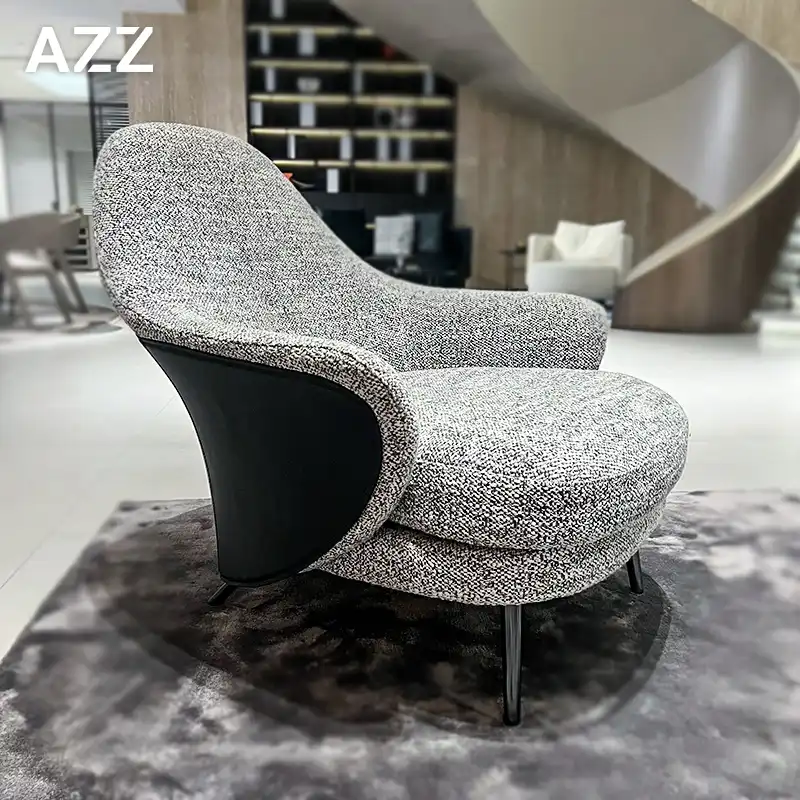
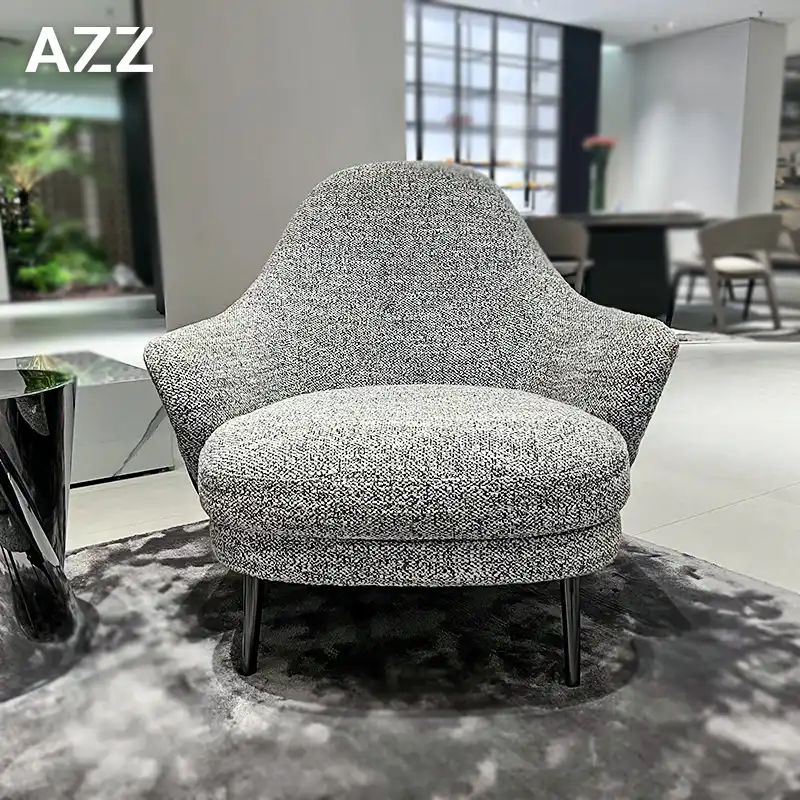
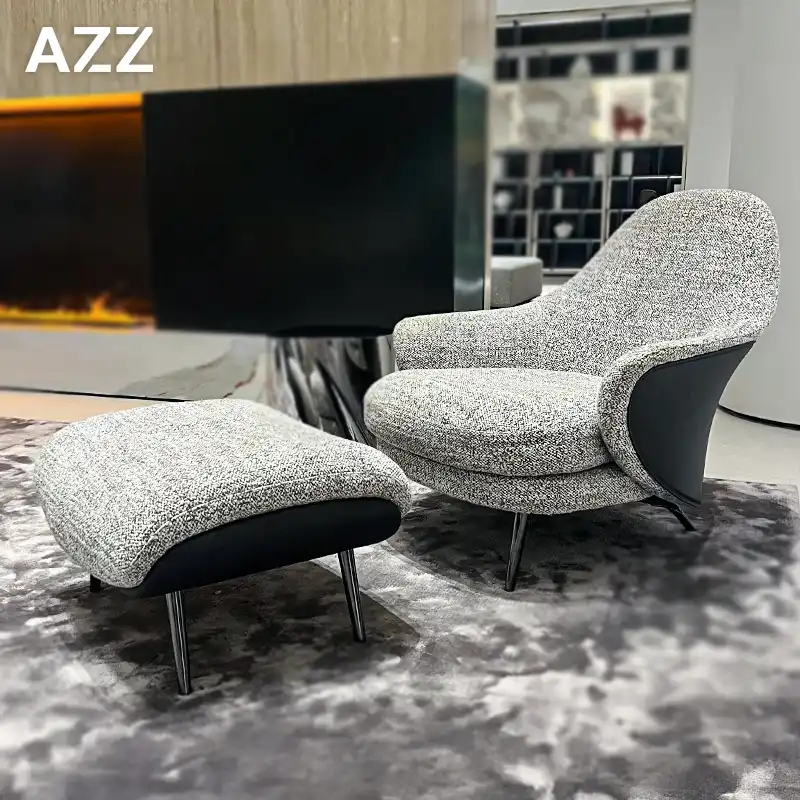
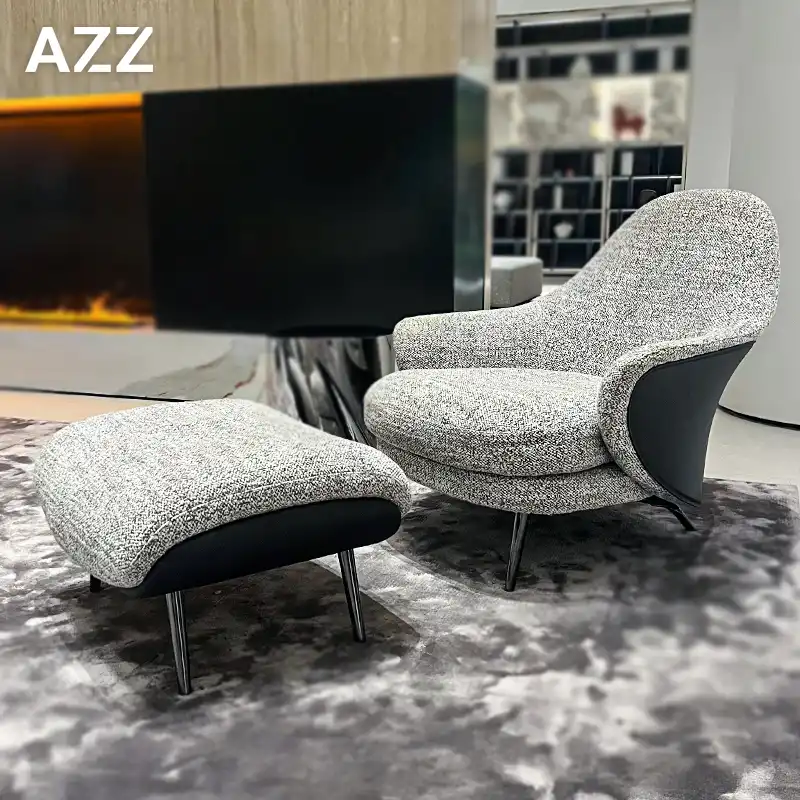
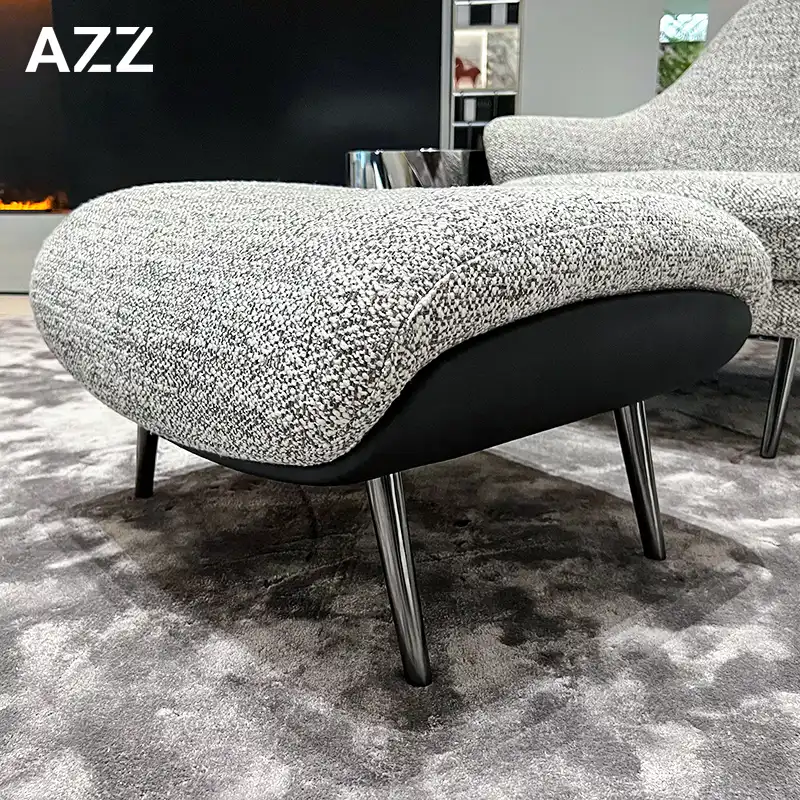
In the competitive hospitality landscape, the difference between a memorable stay and a forgettable one often lies in the details. Hotel lounge chairs serve as silent ambassadors of comfort and luxury, shaping guest experiences from the moment they settle into your lobby or retreat to their suite. At Azz Furnishings, we've witnessed how the right seating—like our thoughtfully designed Angie lounge chair—transforms ordinary spaces into inviting sanctuaries that guests genuinely appreciate. With dimensions of 850×950×840mm and customizable upholstery options in cotton, linen, or leather, this piece represents our commitment to blending ergonomic intelligence with aesthetic versatility, addressing the nuanced demands of modern hotel environments where every element must earn its place.

Understanding Guest Comfort Needs in Hotel Lounge Chairs
Comfort for guests goes beyond soft cushions; it's a carefully planned symphony of ergonomic accuracy, material choice, and sensory harmony. When procurement teams look at seating options for their properties, they're spending in metrics that measure how happy guests are, which have a direct effect on review scores and return bookings.
The Science Behind Ergonomic Seating Design
Support for your lower back isn't just a marketing term; it's a physiological must. The human spine has a natural S-curve that needs certain support angles to keep it from hurting when you sit for long periods of time. Good hotel lounge chairs have shaped backrests that support the lower back without causing you to sit in an awkward way.
The depth of the seat is another important factor. If it's too shallow, guests will be uncomfortable sitting on the edge. If it's too deep, people who are shorter will not get enough back support. The best range is usually between 480 and 520 mm, which lets all body types relax easily. The height and placement of the armrests are also very important. The shoulders should be able to rest comfortably 200–250 mm above the seat surface, which will keep you from hunching over, which can cause strain.
Our design process puts these practical basics first while still keeping the design's beauty. The chair's carefully measured seat pitch makes it easier to relax without making it harder to stand up. This balance is especially useful in lobbys where people are moving from one activity to another all the time.
Material Selection for Enhanced Comfort Experience
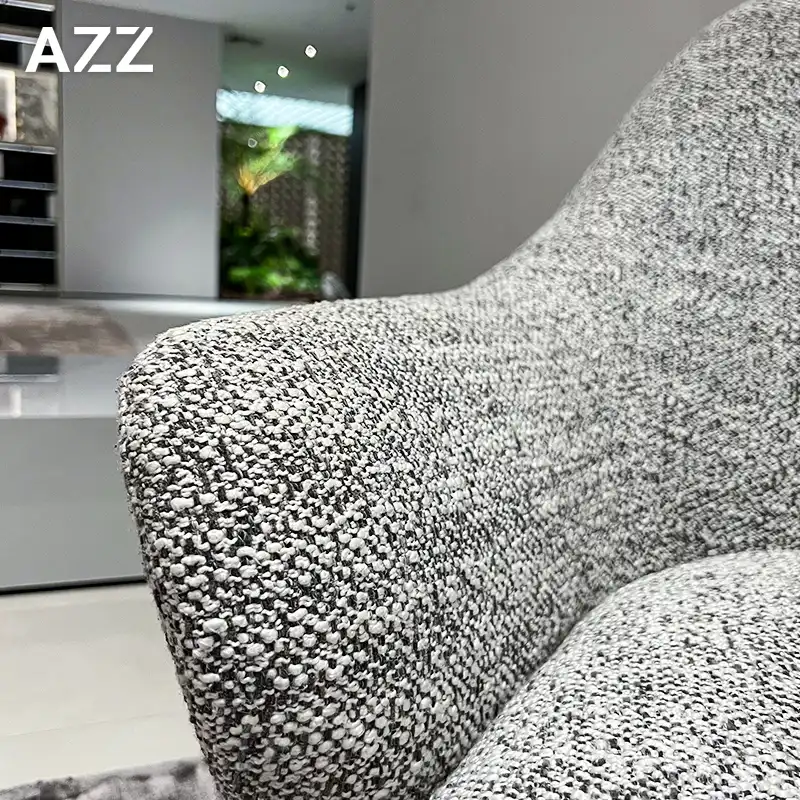
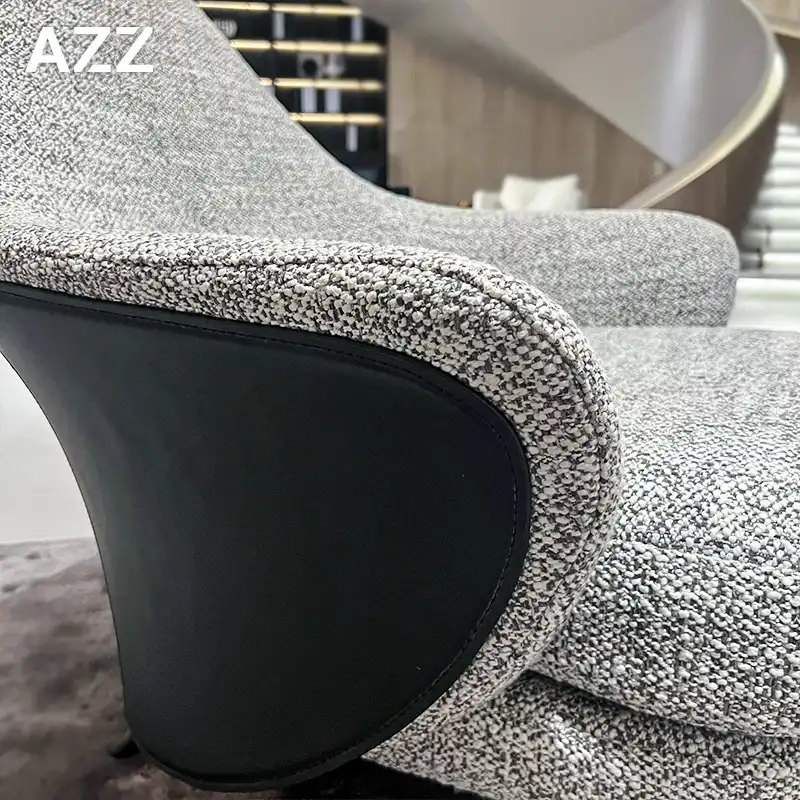
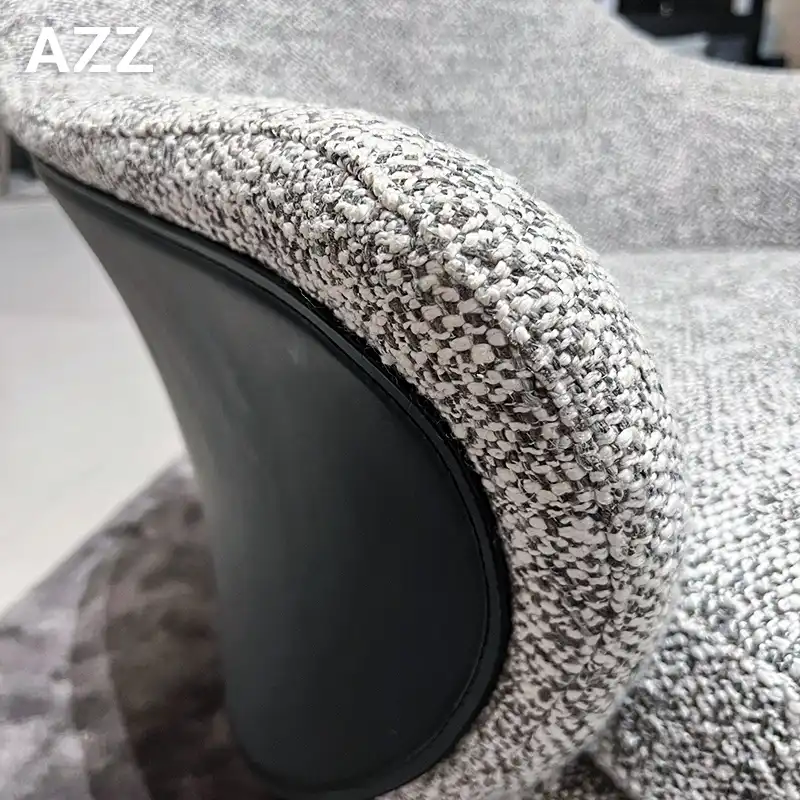
Breathability is what sets good hotel furniture apart from average ones. When there is a lot of foot traffic in a dining setting, the furniture needs to be able to handle heat and moisture transfer well. Natural fibers, like cotton and linen, naturally breathe, so they don't make you feel sweaty after being in touch with them for a long time. When handled and perforated correctly, leather offers similar benefits while adding a tactile luxury that fits with an upmarket setting.
Testing a material's durability can tell you a lot about how well it works. Martindale abrasion testing is done on contract-grade fabrics, and good hotel furniture needs to be rated at least 30,000 cycles. Many of our pieces are rated higher than 50,000 cycles. This durability directly translates to lower lifetime costs, as it means less replacements and keeping its good looks over years of continuous use.
Most people don't understand how deeply material choice affects how guests feel. Texture quickly communicates a brand's positioning. For example, the feel of high-quality leather or finely woven linen on the hand is a sign of attention to quality that guests pick up on and enjoy. This sensory message supports the story of your property's wealth without using any words.
Creating Spaces That Encourage Connection
More and more, modern hotel design includes gathering areas where guests can work, hang out with other guests, or just relax. The way the lounge chairs are set up has a big effect on these behavior patterns. It's easier to talk when chairs are set up at small curves instead of straight lines. The size of each piece is important—furniture that is too big takes up too much space in small rooms, while furniture that is too small feels out of place in large halls.
From working on a variety of hotel projects, we've learned that places can keep their design consistent across a range of spaces by using flexible sitting options that can be customized. For a coastal look, a boutique hotel might choose lighter linen upholstery, while an urban business hotel might choose darker leather for an air of executive class. Both of these hotels create their own unique atmospheres using the same basic design base.
Materials and Durability: Investing in Long-Term Value
Hotel furniture has to work in harsh situations that would break down home-grade furniture fast. Knowing about material engineering and building methods helps buying workers choose investments that balance the costs of the initial investment with the total costs of ownership.
Premium Construction Fundamentals
The structure of the furniture is what makes it last longer than any finish. Our frames are made from carefully chosen hardwoods that are joined together with metal parts that are stronger at stress points. This mixed method gives the warmth and traditional skill of wood construction while adding modern engineering to areas where mechanical stress is highest.
Mortise-and-tenon carpentry, which has been improved over hundreds of years of making furniture, is better at distributing weight and stress than modern shortcuts. In our 50,000-square-meter Foshan plant, where skilled workers make precise joints that improve rather than damage structural integrity, we've kept these tried-and-true methods alive. This dedication to traditional workmanship, along with modern materials science, makes furniture that can stand up to the demands of business hospitality.
There are many levels of difficulty in upholstery making. High-density foam cores keep their shape after thousands of sitting cycles, and softer comfort layers give you instant support. The leather itself needs to be able to stand up to stains, fade, and normal wear and tear. Protective treatments are used on our cotton, linen, and leather choices to keep liquids out without affecting their breathability or hand-feel. This is a fine balance that needs special finishing methods.
Maintenance Efficiency and Operational Benefits
Operating costs are directly affected by how well cleaning is done. Hotel housekeeping teams are always under pressure to keep hundreds of things in perfect shape. Furniture that needs special cleaning products or methods slows things down and costs more to work.
Common food and drink spills can't get into fiber structures because of stain-resistant processes that are used during production. This safety lets you clean up spots with light solutions without having to call a professional. If you treat leather choices the right way, they actually look better with age, getting a shine that makes them look better instead of worse.
The flexible building method we use makes it easy to change parts without having to get rid of all the furniture. Cushions, padding, and even structural parts can be repaired on their own, which greatly increases their useful life. This serviceability has big environmental and financial benefits, which is something that places that want to get environmental approvals are thinking about more and more.
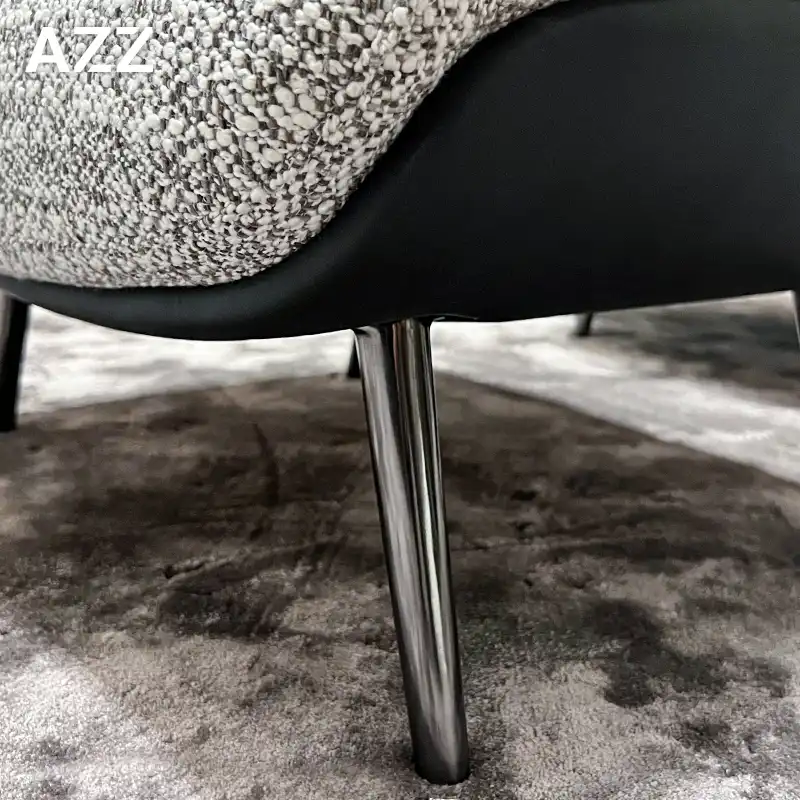
Comparative Material Performance Analysis
When hotel buyers think about investing in seats, they naturally look at well-known styles that have been shown to work in the past. The famous Eames lounge chair set standards for quality decades ago, showing that good design can stand the test of time. Classic forms, on the other hand, weren't made for heavy-duty business hospitality uses.
Our sitting options take ideas from these classic pieces of furniture but also meet specific needs in the hotel industry that they weren't meant to meet. Fire-resistance standards for public areas, heavy use patterns, a wide range of user anthropometrics, and easy upkeep all need specialized engineering. In the end, they made pieces that are both aesthetically sophisticated and durable, so they look great in marketing materials and work well even after years of hard use.
The choice of materials also shows today's concerns about ecology. Wood that is responsibly found, low-VOC adhesives and finishes, and metal parts that can be recycled all meet the growing concern for the environment that affects buying choices. These things to think about are in line with larger industry trends toward more environmentally friendly ways of running a hotel, without sacrificing the success qualities that these businesses need.
Design Features That Complement Modern Hotel Interiors
Trends in interior design change over time, but some things stay the same: places should feel unified, useful, and right for what they're meant to do. The furniture you choose is one of the most noticeable and important design choices you can make. It has a direct effect on how people see and interact with your property.
Versatile Aesthetic Adaptability
Well-thought-out furniture design is beautiful because it can go with a lot of different styles without looking bland. Clean lines and measured proportions are important to us as designers, and our pieces look great in both simple, modern entrances and ornate, traditional ones.
Customization choices make this a lot more flexible. The choice of upholstery has a big effect on personality. Light linen creates an open, airy feel that works well in resorts, while rich leather sends a message of executive style that works well in business hotels. There are a lot of color palette options that let you match your brand, from neutral tones that blend in to bold colors that lead design schemes.
Dimensional issues turn out to be just as important. The normal footprint size of 850x950x840mm works great for most uses, but we can also make changes to fit special space needs. In large halls with high ceilings, taller backs give you more presence, while in small rooms, lower profiles keep your lines of sight open. This adaptability lets you use the same design language in different situations within the same property.
Spatial Optimization Across Hotel Zones
Different parts of a hotel need different kinds of furniture. While still looking like a display, lobby seating has to be able to handle a lot of use and allow guests to sit for short periods of time or longer while they wait. The space in the guest room is used for more personal tasks, like reading nooks, laptop workstations, or just a place to put things away.
The look and comfort of executive rooms and VIP places need to be very high. In this case, the furniture shows who is important and what they have, which supports higher prices by sending clear messages about quality. The materials, sizes, and finishing touches all play a part in creating this tiered separation that is needed for high-end service.
We've worked with both large hotel chains and small, independent boutique hotels on a range of project sizes and found that standard design platforms with customization choices make buying easier while keeping the design consistent. A hotel can choose different fabrics for public and private areas while still keeping the furniture in the same style, which helps build brand recognition.
Practical Procurement and Installation Considerations
Large-scale projects to furnish hotels involve a lot of complicated tasks that have a big effect on budgets and schedules. Furniture that is broken when it comes, needs to be installed by someone with special skills, or is hard to move through existing buildings causes delays that make it take longer than planned to finish a project.
Our packing tech keeps items safe while they're being shipped and makes the best use of containers to save money. Assembling them still only takes a few simple steps and the kind of basic tools and skills that most general builders have on hand. This ease of access cuts down on installation time and gets rid of the need for specialized techs. This is especially helpful during home improvements, when multiple trades are competing for limited access.
Lead times are another important thing to think about. Our ERP-integrated production system and 20,000-square-meter showroom goods make it possible for us to meet tight shipping times. Standard setups ship in six weeks, but personalized requirements take a little longer depending on how complicated they are and how many they are. This dependability gives project planners peace of mind, so building schedules can go forward without having to wait for furniture.
Making the Right Purchase: A Strategic Procurement Guide
Strategic lounge chair furniture buying is more than just looking for nice pieces and discussing prices. Successful hotel buyers think about the total costs of ownership of the lounge chair, the dependability of the seller, the ability to customize, and the support provided after the sale. These are all things that have a big effect on long-term happiness and practical efficiency.
Navigating Procurement Channels Effectively
Getting furniture for a hotel usually goes through a few different steps. When you work directly with a maker, you can get better prices and more customization options, but you have to place more orders to get the economies of scale. Authorized sellers can get to local merchandise and make buying easier, but they may charge more.
Our business plan is based on having direct business-to-business ties with developers, hotels, and design groups. This method gets rid of the need for middle-man markups and makes sure there are clear lines of communication for customization requirements and project timelines. Because we've been delivering high-quality products consistently since 2018, we have a good image that gives institutional buyers the trust they need without giving up the freedom that smaller, more specialized suppliers offer.
Structures for bulk purchases should be carefully looked at. Volume deals lower the price per unit by a lot, but they need to be weighed against the costs of storing, capital, and the risk of styles going out of style. Setting up framework agreements that lock in good prices and allow staged deliveries that work with real installation plans is best for properties that are planning improvements that will be done in stages or that have more than one location.
Understanding Warranty and Support Infrastructure
Warranty terms show that the company that made the product is confident in its longevity. Full covering that includes structural soundness, material flaws, and mechanical parts lowers the risk, which affects the total cost of ownership estimates. We offer a warranty system that shows we trust the quality of our making and protects hotel furniture from the heavy use it gets.
Support after the sale is just as important. Customer service teams that are responsive and know how important it is to run a hotel business quickly can solve problems, minimizing the effect on guests. Support infrastructure is what sets professional makers apart from transactional suppliers. It includes easy access to replacement parts, service technicians, and clear communication procedures.
Return policies for business projects are very different from customer rights for retail items. When buying furniture for a business, there is a lot of customizing and volume, so it's important to understand the cancelation policies, deposit structures, and situations where returns are allowed. Our clear policies strike a balance between proper buyer safeguards and the realities of custom manufacturing, resulting in fair frameworks that responsible procurement pros value.
Cost-Benefit Analysis for Investment Justification
Furniture is a big capital expense that needs to be financially justified in hotel investment schemes. Simple price comparisons by piece miss important factors that affect the real value of an investment.
Lifecycle cost analysis looks at the total cost of ownership, upkeep, replacements, and removal over the product's expected useful life. Higher-quality items made from better materials usually cost more at first, but they often end up being more valuable in the long run because they last longer and need less upkeep. For hotels that have to meet franchise quality standards that require regular appearance care, this study becomes even more important.
Metrics for measuring guest happiness add another layer of review. It is hard to directly connect the quality of the furniture to higher RevPAR, but study in the industry shows that there is a link between the general quality of the design and the scores given by guests. Hotels that carefully consider how to improve areas that guests will see usually do better than those that only try to cut costs on capital purchases.
Brand placement issues are also important to think about. The quality of the furniture sends messages about the property's standards that affect how guests see it and how much it costs. Budget-focused properties should put cost-effectiveness first, while luxury-focused hotels need to spend money on real quality marks that show they deserve to be at the top of the list.
Conclusion
The Angie lounge chair in a hotel's lobby is an investment in the comfort of guests, the speed of operations, and the placement of the brand. The choices that procurement teams make have long-lasting effects on how guests connect with the hotel, how cleaning is done, and how well the business does financially. Quality pieces designed to meet the needs of business hospitality, with well-thought-out ergonomics, long-lasting materials, a variety of looks, and maker support, provide value that goes beyond the initial purchase price. At Azz Furnishings, we take a thorough method that combines cutting-edge design with years of experience in manufacturing. This way, we can make furniture that fits the specific needs of modern hotels. When furnishing a small hotel or a huge resort, the rules are always the same: put the comfort of your guests first, buy things that have been shown to last, keep your design options open, and work with makers who can be relied on throughout the whole project.
FAQ
What makes hotel lounge chairs different from residential seating?
The amount of use that hotel furniture has to handle is much higher than what home furniture has to handle. Commercial furniture needs frames that are stronger, fabric that meets certain standards for fire and wear, and building methods that keep the structure strong after thousands of sitting rounds a year. When choosing materials, damage resistance and ease of cleaning are given more weight than features that are valued in homes. The mechanical standards are very different, even if the looks are identical.
How do I determine appropriate seating quantities for hotel spaces?
How to figure out quantities depends on the size and role of the place. In general, 15-20% of a room's capacity is set aside for sitting in the lobby, while 30-40% might be used for seating in the bar. Think about how people will be using the area, the mood you want to create, and how it will work. Over-furnished rooms feel crowded and make it hard to move around, while under-furnished rooms look unwelcoming. Professional designers can help you plan your space in great detail so that it's just the right amount of comfortable and useful.
What customization timeline should procurement teams expect?
Standard setups usually ship six weeks after the order is confirmed. Depending on how complicated they are, custom specs like unique sizes, specialized padding, or changes to the finish usually add an extra 8 to 12 weeks to the delivery time. For sales with a lot of items, the production schedule may need to be stretched. Getting in touch with makers early on lets you plan production around the installation schedules for the project, which avoids delays that could hurt starting dates.
Transform Your Hotel Spaces with Azz Furnishings
The Angie lounge chair furniture in a hotel should make the guests' experiences great while also meeting your business and financial needs. With our extensive customization options for the Angie lounge chair and dependable manufacturing infrastructure, along with our deep knowledge of business hospitality furniture, we are the perfect partner for you when you want to make places that people will remember. The carefully designed Angie lounge chair pieces we make, like our hotel lounge seating sets, are the result of years of improvement on a wide range of projects. As a well-known company that can do planning, production, and quality control all in-house, we can give your projects the dependability and speed they need. Get in touch with our team at shiyingfan826@gmail.com to talk about your specific needs, look into the ways our solutions can be customized, and learn how they can improve the guest experience at your property while providing measurable value throughout the ownership lifecycle.
References
Cornell Hospitality Quarterly, "The Impact of Lobby Design on Guest Satisfaction in Upscale Hotels," Vol. 58, Issue 3, 2019.
Journal of Interior Design, "Ergonomic Seating Standards for Commercial Hospitality Environments," Vol. 45, No. 2, 2020.
Hospitality Design Magazine, "Material Selection Strategies for High-Traffic Hotel Furniture," Annual Buyers Guide, 2021.
International Journal of Hospitality Management, "The Relationship Between Interior Design Quality and Hotel Performance Metrics," Vol. 89, 2020.
Furniture Design & Technology, "Construction Methods and Durability Testing for Contract-Grade Seating," Vol. 32, Issue 4, 2021.
Hotel Business Review, "Strategic Furniture Procurement: Balancing Quality, Cost, and Lifecycle Value," Industry Research Report, 2022.