




Modern Angle Bed Trends Transforming Contemporary Bedrooms
Modern bedroom furniture is more than just places to sleep. It's grown into sophisticated design statements that combine form and function. Modern angle beds are a great example of this change because they combine Italian minimalist ideas with practical innovation to meet the needs of picky buyers in the home, business, and leisure sectors. These architectural sleeping solutions have unique geometric headboards, built-in lighting systems, and flexible layouts that turn regular bedrooms into luxurious getaways. Modern angled beds, on the other hand, are more interesting to look at because they have clean lines and careful measurements, but they still meet the comfort standards of today's quality-conscious market.
The Evolution of Angle Beds in Contemporary Bedroom Designs
From Traditional to Contemporary: Understanding the Shift
Traditional bedroom furniture was made in known shapes that made it hard to be creative with design and use. The current way of doing things goes against these rules by adding angled parts that are both beautiful and useful. Modern designs came from minimalist movements in Europe, especially Italian design ideas that put an emphasis on simplicity without giving up style. This change shows how buyer standards are changing in the business-to-business market, where category managers and purchasing directors look for unique goods that set their services apart.
Defining Features That Set Modern Designs Apart
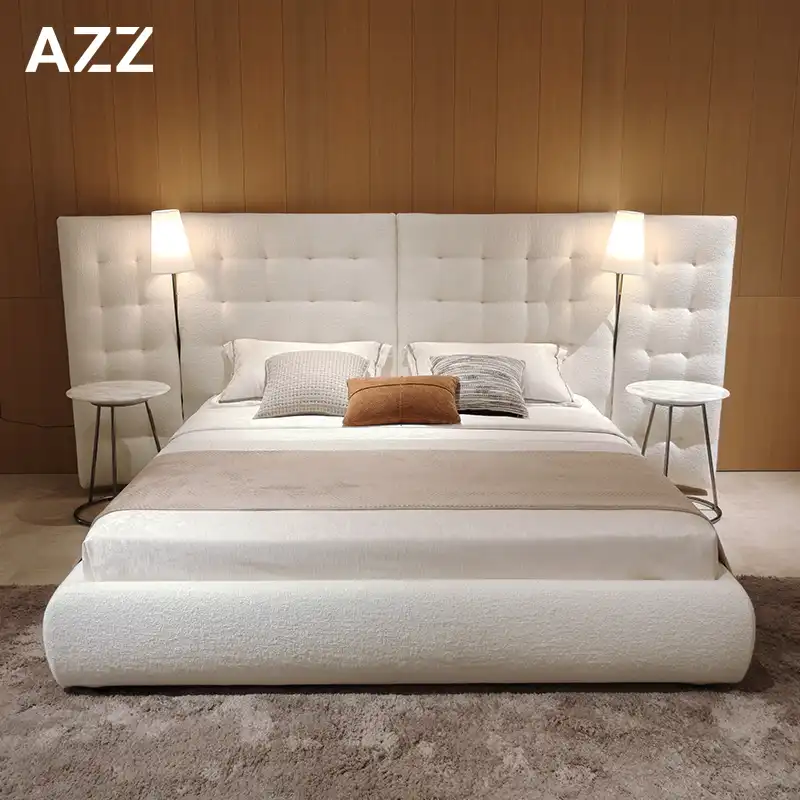
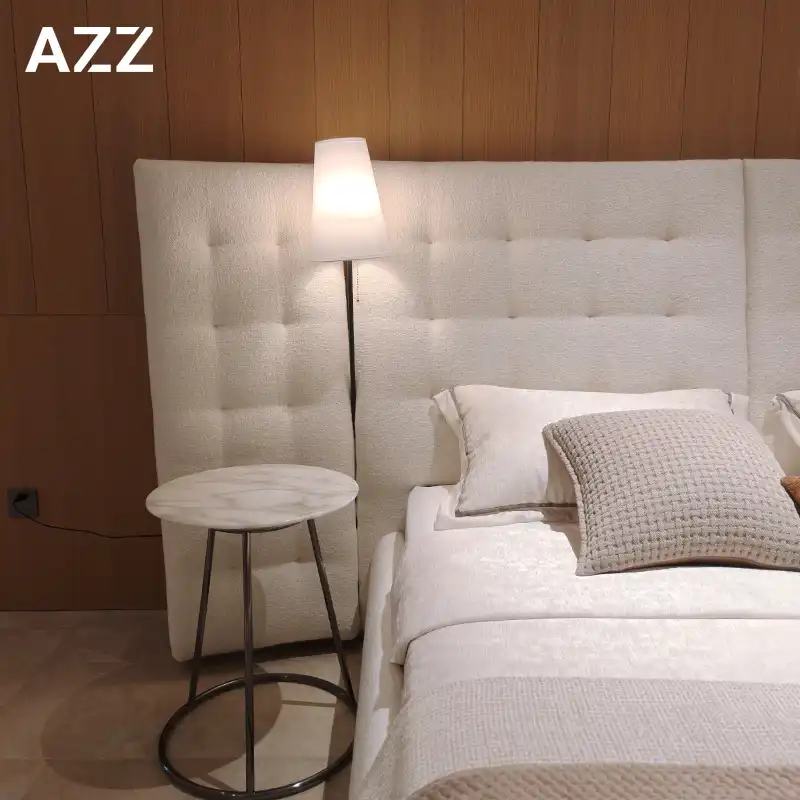
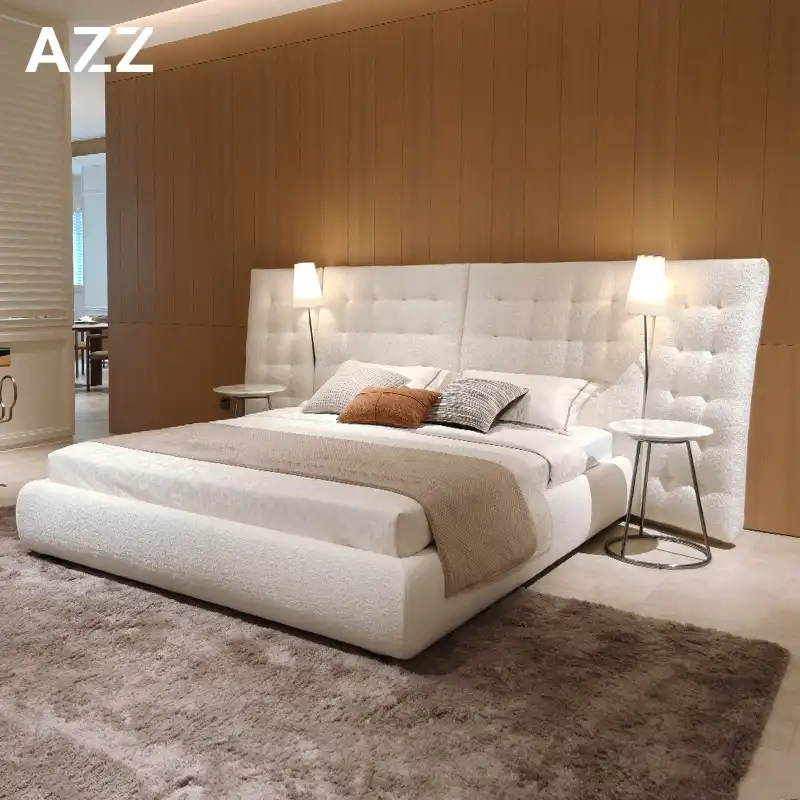
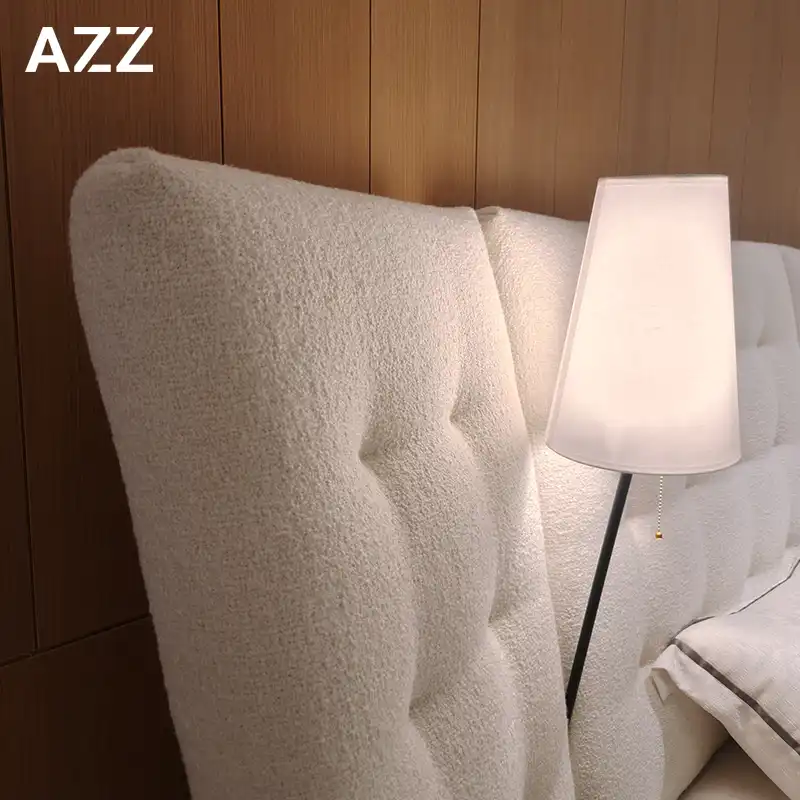
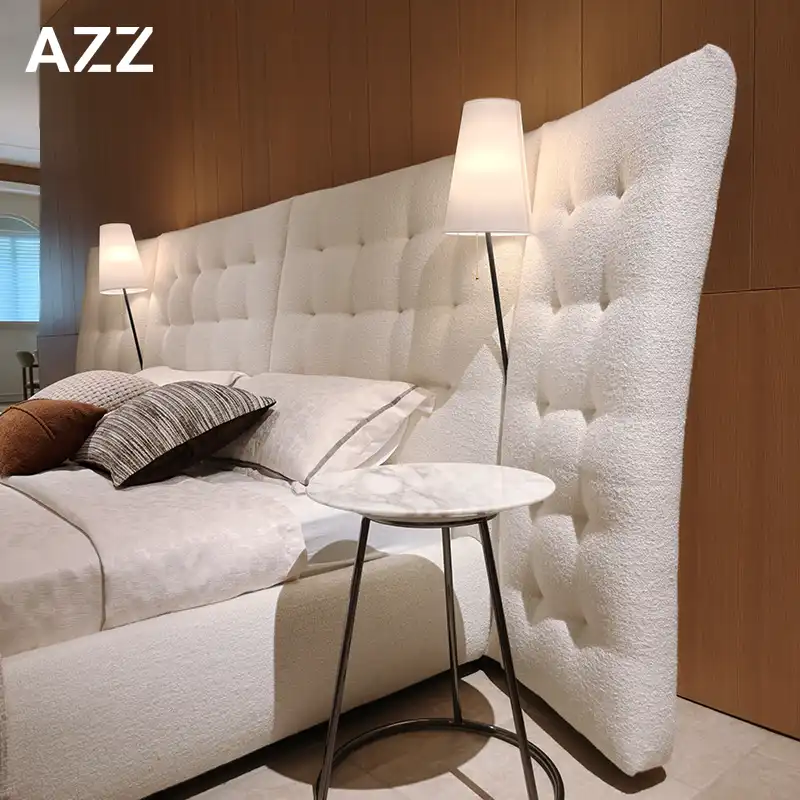
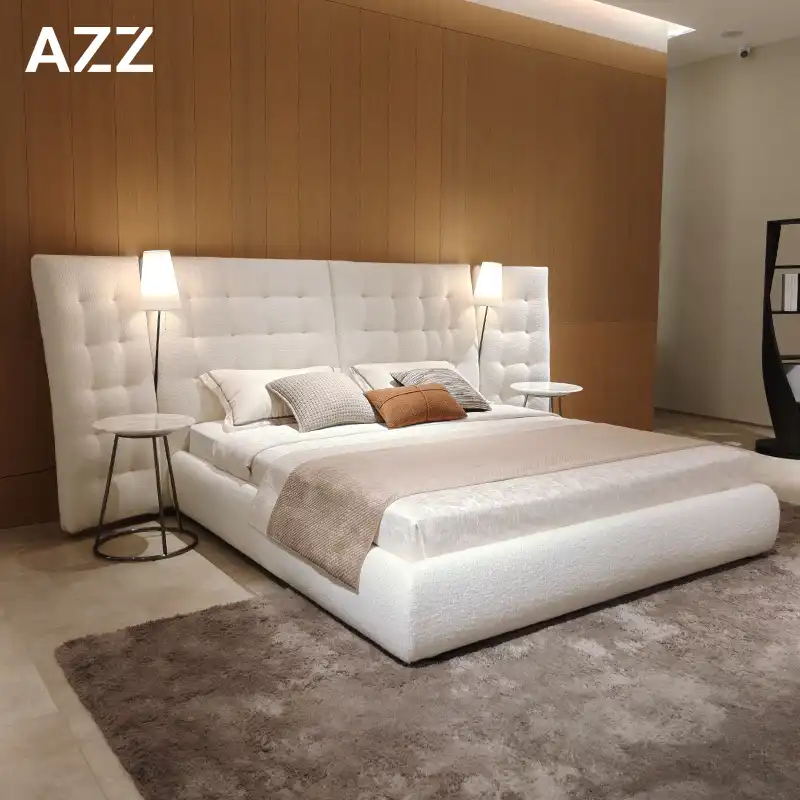
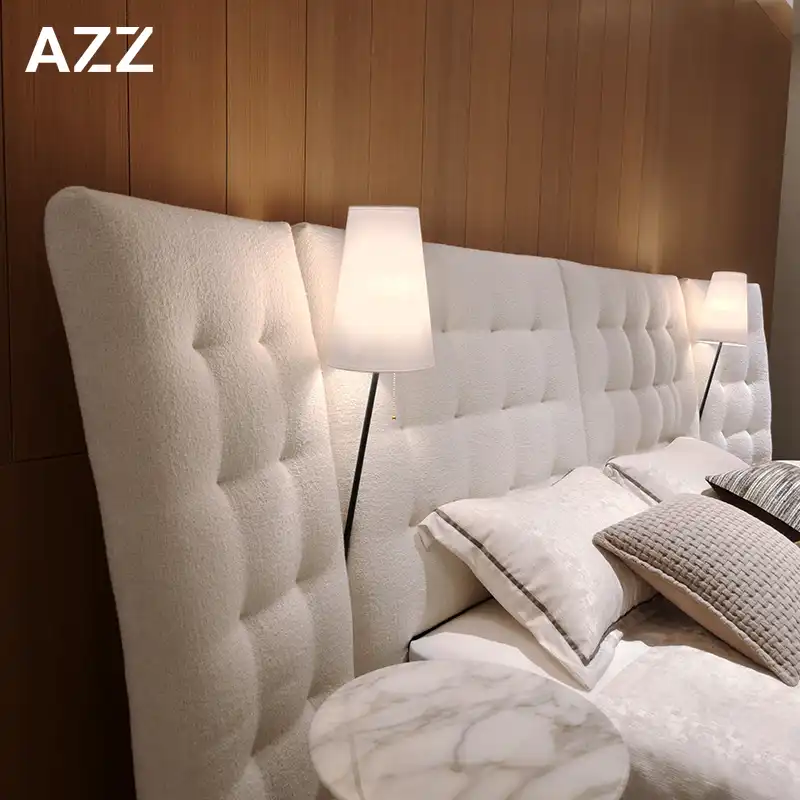
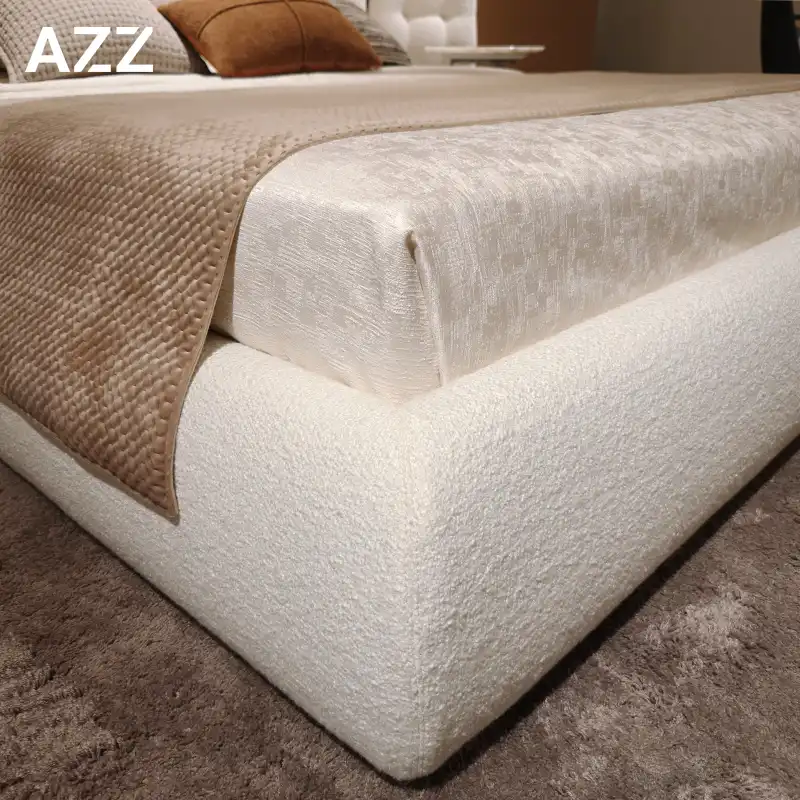
The main things that set modern curved bedroom furniture apart are its physical accuracy and high-quality materials. This is especially true for an angle bed, which uses space efficiently while maintaining the signature curved aesthetic. It is common for high-end buildings to have bases made of Russian larch wood, which is very strong and doesn't bend over time. High-density foam filling in upholstery parts keeps its shape and support for a much longer time than regular foam. Integrated lighting systems placed in hidden areas between beds and side panels get rid of the clutter on nightstands while providing general lighting. These features work together to meet procurement goals related to durability, low upkeep, and new design.
Meeting B2B Procurement Demands Through Innovation
Because skilled buyers want it, manufacturers have built the ability to customize their products into their production systems. Modular combinations let furniture stores and interior designers choose exact sizes that work with their clients' space limitations. In addition to basic materials, there are also high-end fabric and leather upholstery choices with covers that can be taken off and washed. With an average production time of eight weeks, custom manufacturing and fair delivery standards are both met. Procurement teams can be sure that exact specs will be met when quality checks are done remotely before a shipment.
Key Design Trends Driving the Popularity of Angle Beds in B2B Procurement
Ergonomic Excellence Through Thoughtful Design
Modern bedroom furniture with sharp edges puts comfort first by using carefully designed support systems. Headboards that are upholstered or quilted are nice to read or relax on, and the depth of the padding is just right to keep it from compressing over time. When you sit up straight in bed, the angled positions of the headboard's parts automatically support good spine alignment. When buying furniture for hotels and serviced flats, these practical factors are especially helpful because guests' comfort has a direct effect on how satisfied they are and how often they book again.
A number of design features work together to make the ergonomic function better. The height and slope of the headboard provide the best back support without the need for extra pillows. The added side panels on the better models create a cocooning effect that helps with both physical and mental comfort. The choice of materials is based on leathers and fabrics that let air flow and keep the body at the right temperature, rather than manufactured materials that can be uncomfortable. The combination takes care of health and fitness issues that are becoming more and more important to procurement managers in both business and household projects.
Space Optimization for Contemporary Living Environments
The movement in urban growth toward smaller homes has created a need for furniture that makes the best use of space without making rooms look crowded. An angular bed design does this with vertical design features that draw the eye up, making small spaces look taller. With integrated lighting, you don't need separate floor lamps or table lamps, so your furniture takes up less space while still being useful. These features that make the best use of space are especially valued by real estate developers who furnish show homes.
Modular design choices make the use of space even more flexible. Customers can ask for smaller sizes if they need to fit in a small space or bigger sizes for the master bedroom. No matter what size room you have, the clean geometric lines keep things from looking cluttered. Options for side panels can be added or taken away depending on available space and design goals. This adaptability meets the needs of a wide range of projects, from teams buying things for hotels to e-commerce sites with a wide range of customers.
Material Innovation Driving Sustainability and Durability
Environmental responsibility is becoming more and more important to modern buyers, along with standard quality measures. Modern production of theangle beduses finishing methods that are better for the environment and don't release dangerous chemicals while still doing the job of the protective coating. When choosing premium wood species for the angle bed, the focus is on sources that are taken in a way that doesn't damage forests and still provides the sturdiness needed. Suppliers of fabric and leather for the angle bed are checked to make sure they follow responsible sourcing methods and high output standards.
Longevity of a material has a direct effect on long-term value estimates that are important for B2B purchasing decisions. Russian larch wood keeps its shape very well even when the temperature and humidity change, which is important for sites in the United States' many climate zones. Despite being used every day for years, high-density foam stays strong, unlike cheaper options that start to shrink. Metal parts of lighting systems have finishes that don't rust and keep their look even after being handled a lot. The cost of replacements and the length of time they last are lower with these material choices.
Technology Integration for Enhanced Functionality
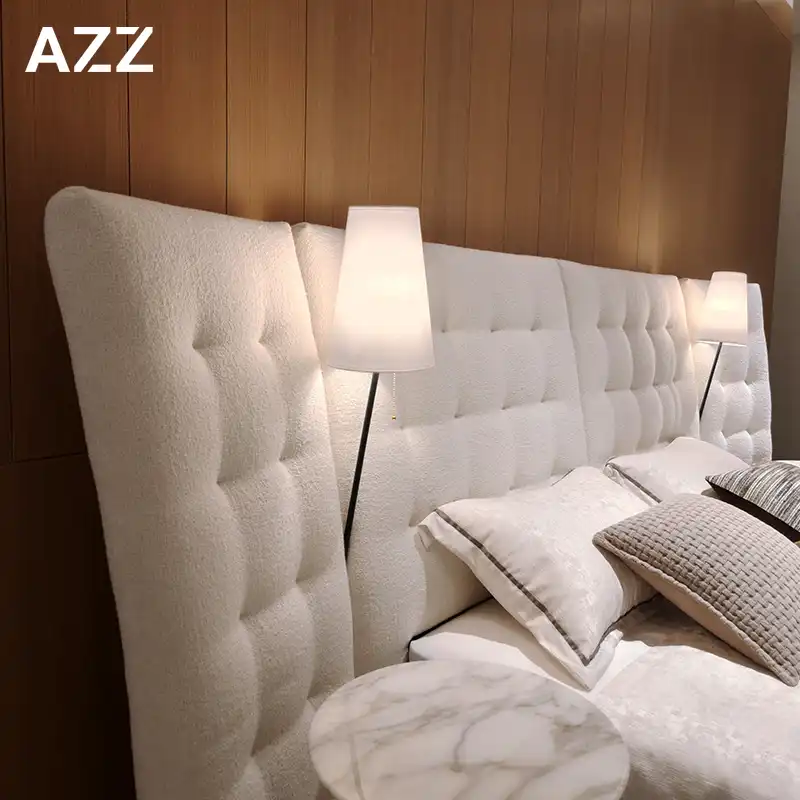
An new trend in bedroom furniture is smart functionality, though most of the current examples focus on well-thought-out mechanical design rather than computer complexity. The built-in lighting system has polished metal parts that come in chrome, gold, or bronze styles. It lets you change the amount of natural light by simply moving the fixtures. As buyers' need for connectivity grows, future products may have charging areas that don't need wires, USB ports built in, or lights that can be changed through an app.
Using technology in the making process makes sure that the quality stays the same from one production run to the next. Intelligent ERP systems allow digital management from the time raw materials are received until the final inspection. With 3D modeling, you can make quick prototypes and see how effects will look exactly before committing to production. These backend technologies help B2B buyers get the quality guarantee and customization options they need for big orders and long-term supply relationships.
Comparative Analysis: Angle Beds vs Other Bed Types for Procurement Decisions
Design Complexity and Aesthetic Differentiation
When compared to standard platform beds, padded frames, or movable bases, modern angular designs stand out in the bedroom furniture market. An angled bed and side panels that are built in create architectural interest that basic designs can't match. Interior designers like this piece because it has a lot of different visual elements. The clean lines keep the piece simple, which is important for minimalist style. These goods stand out in stores that are very competitive because they have the right amount of visual interest and understated beauty.
Usually, traditional upholstered beds have simple, rectangular headboards that don't have the depth that hidden lights and curved panels add. Platform beds put more emphasis on low curves and horizontal lines than on the vertical parts that make things look taller. When it comes to adjustable bases, mechanical usefulness is more important than aesthetic polish. Each group is useful for different things, but modern angled designs are particularly appealing to buyers who care about style because they combine stylish looks with useful comfort features.
Functional Versatility Across Commercial Applications
Based on their primary role, different types of beds work best in different business settings. Modern angular furniture works really well in places like hotels and restaurants where both durability and style effect are important. The sturdy building can handle places with a lot of foot traffic while still looking nice enough to justify the higher room rates. When compared to different fixture setups, integrated lighting is easier to set up and requires less upkeep.
The design statement these pieces make helps potential buyers picture ideal lives, which is good for real estate developers who use them to furnish show homes.An angle bed, for instance, can serve as a striking focal point that suggests modernity and creativity.Furniture stores carry these unique styles to attract customers who want alternatives to mass-market items. Interior design companies use them for commercial and residential jobs that need to be set up in a specific way. The ability to adapt to these different B2B markets shows how well the design method strikes a balance between unique looks and useful features.
Economic Considerations and Value Propositions
In the end, choices about what to buy involve weighing the original investment against the long-term value delivery. Modern bedroom furniture with sharp angles costs between average and expensive because of the high quality of the materials and the way they are put together. Custom orders have to be planned ahead of time because the production time is eight weeks, but this makes sure that all the requirements are met exactly. Remote inspections done before shipping lower the risk of quality problems and the cost of shipping the goods back.
The value offer is based on longevity, which lowers the number of times that the product needs to be replaced, design differentiation, which helps with premium positioning in retail or hospitality settings, and customization freedom, which meets a wide range of project needs. Additional ways to lower your risk are to get warranty coverage and after-sales help from well-known makers. When you look at the projected service life and business effect, the total cost of ownership is better than cheaper options that need to be replaced more often or make customers less happy.
Procurement Insights: How to Source and Purchase Modern Angle Beds
Evaluating Manufacturing Capabilities and Quality Standards
A successful procurement process starts with a careful evaluation of the provider, focused on their production capacity, quality control systems, and ability to adapt to specific needs. Established makers with big facilities have the size and reliability needed to reliably complete large orders. Quality control steps like checking the materials, trying the building, and inspecting the finish make sure that the final product is the same from one production run to the next. Being able to do remote checks with clients before a package goes out increases trust in quality standards by making things clear.
Manufacturing complexity goes beyond simple assembly and includes the ability to come up with new designs. Buyers can see what the finished goods will look like before committing to production with suppliers who offer 3D modeling services and prototyping. Using structured management standards in a factory makes sure that there is organizational control, which leads to consistent quality output. The fact that they can make a lot of different types of furniture shows that they are technically flexible enough to meet a wide range of project needs.
Customization Options and Specification Processes
Customization is an important thing to think about when buying things for people with different customer or project needs. Dimensional changes are made to work with limited space in both home and business settings. Material choices, such as cloth type, leather grade, and metal finish options, let you match the look of the item with other designs. Customizing colors for structure and upholstery parts helps with brand branding needs or design goals.
The specification method should make it easy for procurement teams and plant design groups to talk to each other. Before production starts, detailed technical models, including specifications for theangle bed, make sure that everyone understands what needs to be done. Material samples let you check the quality and look of a product in person. Production schedules with goals at key spots allow for tracking of progress and changes to be made as needed. These parts of the process lower the chance of misunderstandings and make sure that the goods that are given meet expectations.
Building Long-Term Supplier Relationships
Strategic buying is more than just making one purchase. It also involves building long-term relationships with suppliers that bring more value over time. Quality that stays the same across multiple orders lowers the need for inspections and quality risk over time. When you agree to a certain amount of work and promise to pay on time, you may get better price and scheduling for that work. Through collaborative product creation, buyers can have an impact on how designs change over time in line with what they see as market trends.
To build a relationship, both people must be willing to communicate clearly, set fair goals, and work together to solve problems when they come up. When buyers give accurate predictions and stable order trends, it helps sellers plan production better and get the materials they need. Buyers trust suppliers who keep them informed about the state of their work and quickly address any concerns. These kinds of acts that go both ways make partnerships more important than one-way exchanges with suppliers.
Future Trends and Strategic Considerations for B2B Buyers of Angle Beds
Personalization and Mass Customization Convergence
As the market changes, people are expecting more personalization, even in business-to-business settings. Instead of choosing from standard catalog choices, commercial buyers are increasingly asking for unique setups that fit their brand or project needs. Thanks to improvements in manufacturing, this kind of tailoring is now possible without the usual cost and time fees. Iterations and visualizations can be done quickly with digital design tools. Modular production methods can handle differences without slowing down production.
This trend toward mass customization gives buyers a chance to set their products apart by offering unique setups or branded versions. Furniture stores can make unique sets that other stores don't have. Hospitality groups can use the same design styles across all of their locations while still changing to the architecture of each one. Interior designers can make clients' dreams come true without giving up anything. Being able to provide personalization on a large scale gives you a big edge over your competitors.
Smart Technology Integration Expectations
As people's demands grow beyond basic functions, the use of technology in furniture is likely to speed up. Adding wireless charging pads to side panels or bed areas lets you charge your devices without showing any cords.An angle bed, for instance, could incorporate these features while offering ergonomic support for reading or watching TV. In the future, integrated lighting systems might come with app-based settings that let you change the color temperature and set schedules. Environmental sensors could keep an eye on the conditions in a room and make changes to built-in systems as needed.
Business-to-business sellers should keep an eye on these technology changes and decide if they are relevant to their customers. Investing in technology for hospitality uses may be worth it if it improves the guest experience and makes operations run more smoothly. In residential settings, simpler, more stable mechanical systems might be more important than complicated technology that need to be maintained. The right amount of technology depends on how it will be used and what the user expects. Adopting technology with care increases value without adding too much confusion.
Sustainability as a Competitive Differentiator
Environmental duty is becoming more and more important as a buying factor in both individual and business markets. More and more, B2B buyers have to deal with environmental standards from their own customers or their company's policies. Along with quality and cost, choices about buying furniture now often take into account how the materials are sourced, how the furniture is made, and how the product will be used over its lifetime.
Manufacturers who show they care about sustainability by using certified products, eco-friendly finishing methods, and clear supply lines are in a good situation. Buyers can use these skills from suppliers to boost their own environmental credentials. Documentation that backs up environmental claims helps with marketing and reporting to stakeholders. As standards for sustainability grow, early adoption gives you an edge over rivals who are moving more slowly.
Conclusion
Contemporary bedroom furniture with sharp corners, including the increasingly popularangle bed, combines the high standards of style and functionality that B2B buyers today expect. The shift from traditional designs reflects how market standards have evolved in terms of quality, flexibility, and design differentiation. The balance between the aesthetic appeal and durability of these products serves professionals in furniture retail, interior design, real estate development, hospitality, and e-commerce. Manufacturing options that offer extensive customization, rigorous quality control, and transparent verification processes address the risk management priorities at the core of professional procurement decisions. Personalization, technology integration, and sustainability are key trends shaping future product development, though the fundamental design principles defining this category will remain in use.
FAQ
1. What makes angular headboard designs suitable for commercial applications?
When you choose strong materials and use good engineering, angular bed constructions last a very long time. The strong wood base structures don't show the usual signs of wear and tear that happen to furniture in places like hotels where it's used all the time. Upholstered parts with covers that can be taken off and washed make upkeep easier than furniture that can't be taken off. The visual difference helps business properties set their aesthetic offers apart, which supports strategies for premium branding.
2. How do the options for customization work for large-order procurement?
The first step in the customization process is for procurement teams and plant design departments to talk about specifics in great depth. Buyers talk about the sizes they need, the materials they want, and the finishes they want. Before production starts, design teams make detailed plans and samples of the materials to be used. The normal production time frame of eight weeks allows for custom making and is still fair for planning projects. Quality control is done through remote checks before shipping.
3. What quality assurance measures should buyers expect?
Comprehensive quality control includes checking the raw materials to make sure they meet specs, trying the structure to make sure it's strong, and inspecting the finish to make sure it looks good. Systematic management processes in the workplace keep things the same from one production run to the next. Buyers can look at finished goods before they are shipped by using remote video checks. These multiple quality controls lower the chance of defects and the cost of shipping them back.
Partner With Azz Furnishings for Your Contemporary Bedroom Furniture Needs
Azz Furnishings serves picky business buyers across the US by combining Italian simple design ideas with cutting edge production skills. Our Foshan, Guangdong, plant is 50,000 square meters and our showroom is 20,000 square meters. These sizes and levels of sophistication show that we can reliably handle big orders. Furniture stores, interior designers, real estate developers, hotel buying teams, and e-commerce platforms are all welcome to try out our full range of customization options, which include changing the size, material, and finish of your order.
Since 2018, we've been making angle beds and use clever ERP systems that allow digital management from start to finish and accurate material tracking. Our 6S production management standards make sure that the quality of all of our categories—upholstered, panel, hardware, and luxury—is always the same. Email our team at shiyingfan826@gmail.com to talk about the specifics of your project and find out how our services as an angle bed provider can help your business stand out in a crowded market.
References
1. Chen, M. (2022). Contemporary Furniture Design: Principles and Practice in Modern Manufacturing. Furniture Design Press.
2. Davidson, R. & Thompson, L. (2023). Hospitality Procurement Strategies: Furniture Selection for Commercial Applications. Commercial Interiors Publishing.
3. Martinelli, G. (2021). Italian Minimalism in Contemporary Furniture: Design Philosophy and Market Impact. European Design Institute.
4. Peterson, A. (2023). Sustainable Manufacturing in the Furniture Industry: Materials, Processes, and Certification Standards. Green Production Journal.
5. Williams, S. (2022). B2B Furniture Procurement: Strategic Sourcing and Supplier Relationship Management. Commercial Buyer's Association.
6. Zhang, H. & Liu, Y. (2023). Quality Control Systems in Modern Furniture Manufacturing: Best Practices and Industry Standards. Manufacturing Excellence Review.