




OEM Lawrence Bed Manufacturing: A Complete Guide
To understand OEM manufacturing for padded sleep systems, you need to know about both the complexity of the design and the ability to make a lot of them. The Lawrence bed is in a class of high-end platform beds that have deep-channel upholstery, strengthened wooden frames, and flexible design elements that balance how the bed looks with how long it will last in a business setting. This article talks about how OEM partnerships help furniture stores, interior designers, real estate developers, hotel buyers, and e-commerce sites find high-quality upholstered bed frames that meet the needs of a wide range of customers while keeping costs low and allowing for customization throughout the production process.
Understanding Lawrence Beds: Dimensions, Materials, and Designs
Defining the Lawrence Bed Architecture
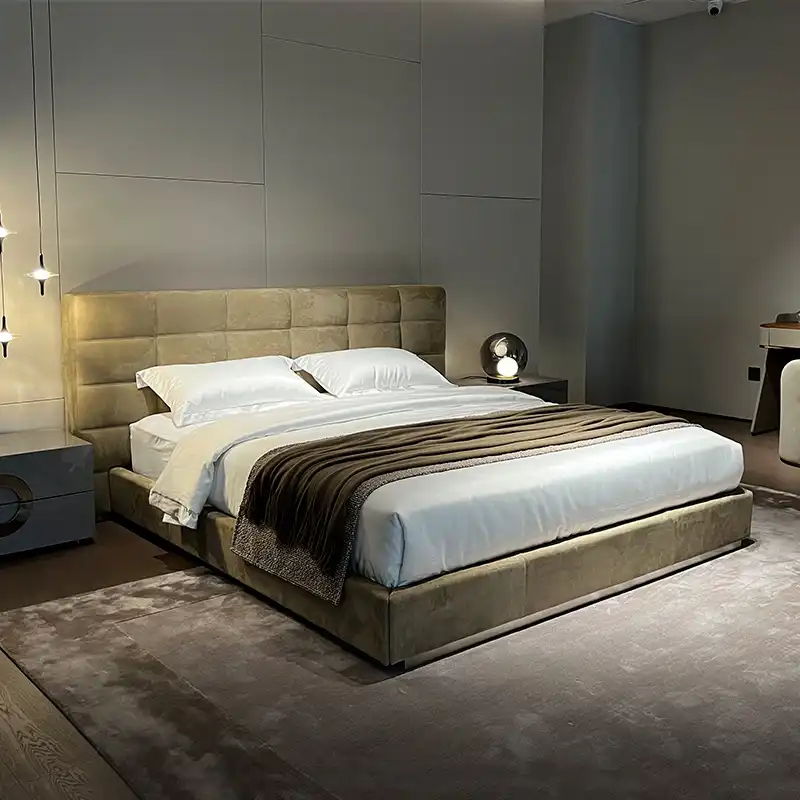
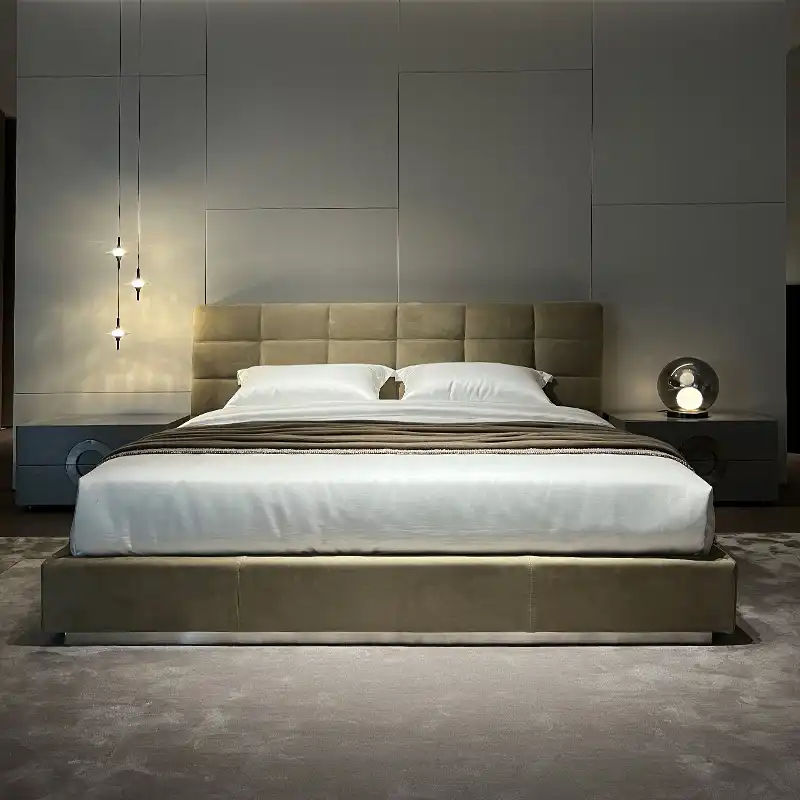
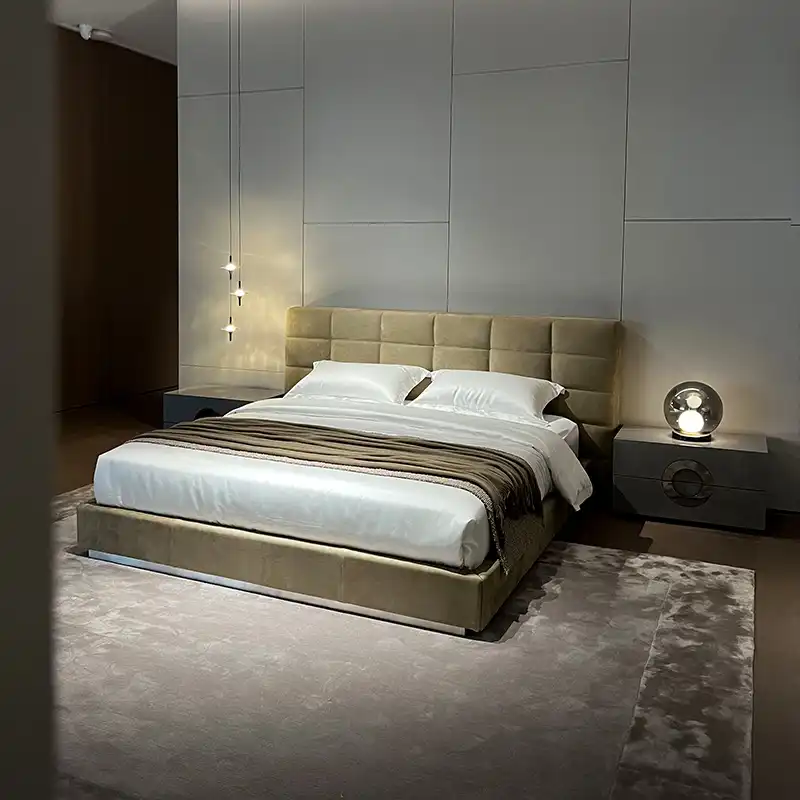
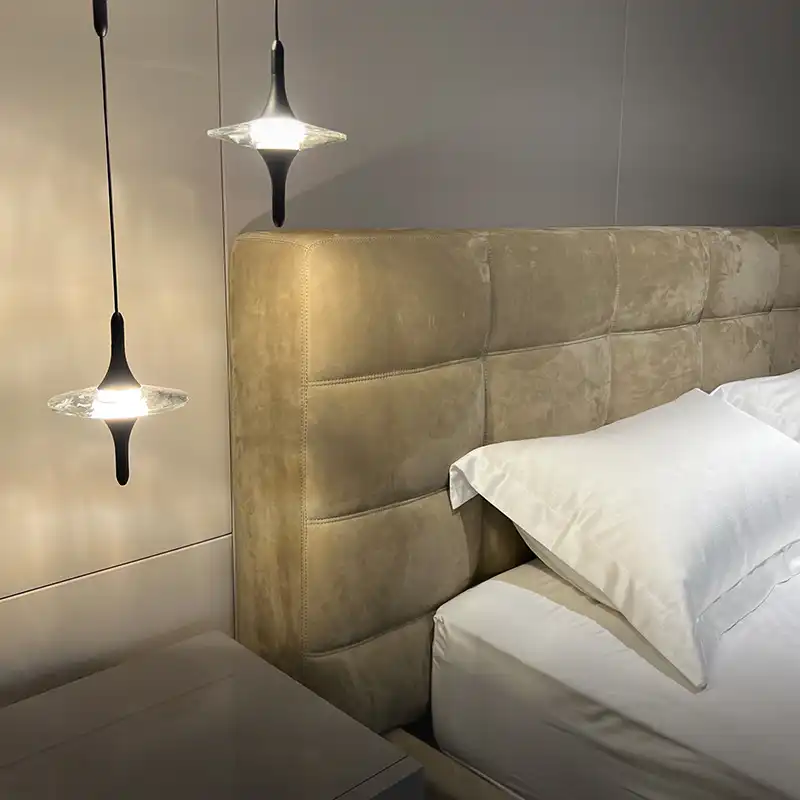
Modern padded beds, which include beds like the Lawrence bed, are defined by their architectural features and the feel of the materials they are made of. Standard platform beds tend to be very simple, but these frames have structured tops with depth, often with channel stitching or button-tufting that provides visual rhythm. Using different textures or geometric designs in a split-design bed solves a common problem in the furniture industry: how to make statement furniture that can still be mass-produced. This design theory solves the problem of aesthetic stagnation that many buying teams face when they have to find furniture that will appeal to a wide range of people while still being manufactured in the same way.
Standard and Custom Dimensions for Commercial Applications
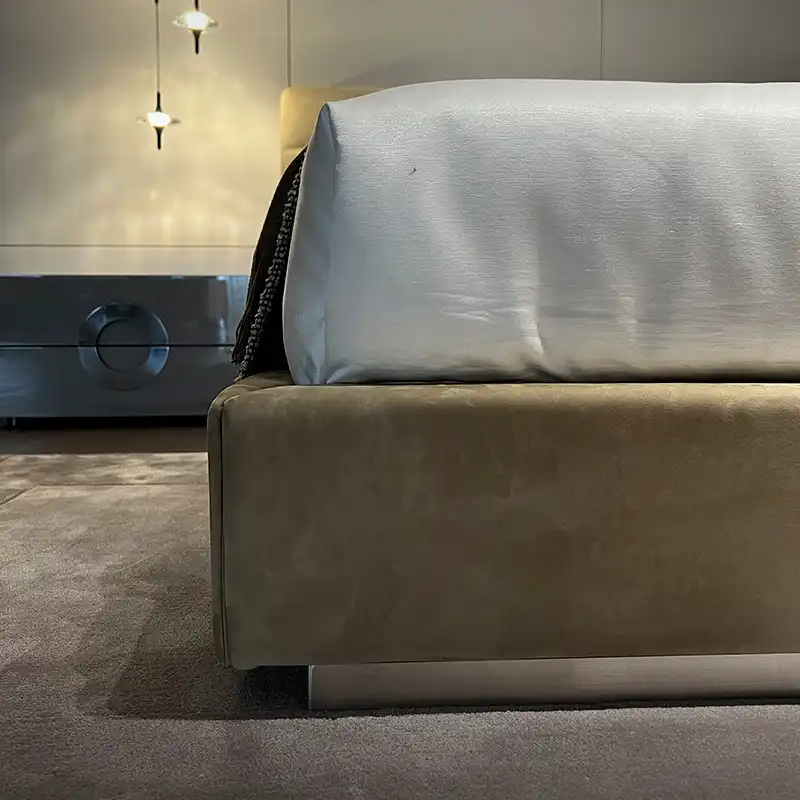
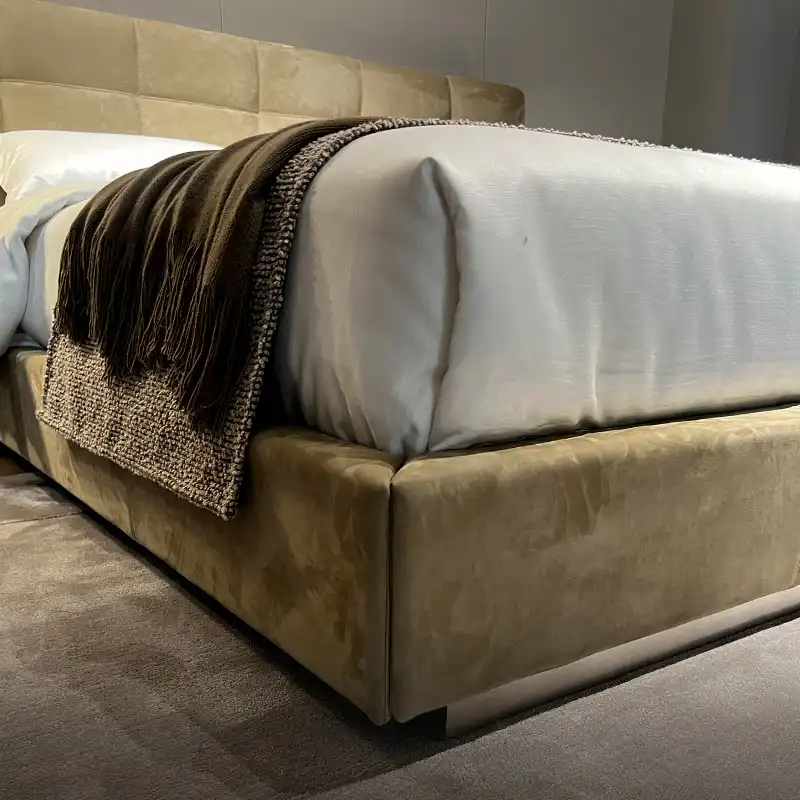
When commercial beds are made, they have to fit into certain size guidelines that balance user comfort with usefulness. Queen-size beds are usually about 2280 mm wide, 2160 mm long, and 1050 mm high, which gives you a lot of space to sleep without taking up too much space in a normal bedroom. These measurements allow for a range of mattress sizes while keeping the intended visible balance between the headboard and the sleeping area.
When building restrictions or design goals call for changes to the dimensions, custom size becomes very important for hospitality projects and model home furnishings. When OEM makers use flexible production methods, they can change the frame dimensions by 100 to 200 mm without affecting the structure's strength. This flexibility is helpful when furnishing small hotels with rooms that aren't set up in a standard way or when developers need furniture that looks good in homes with different floor plans.
Material Selection and Durability Considerations
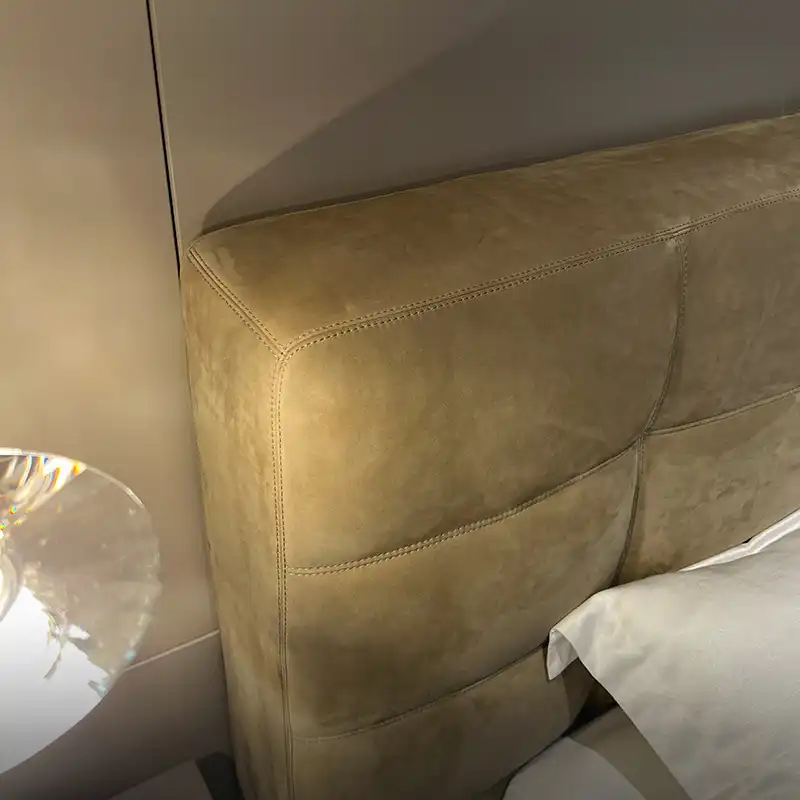
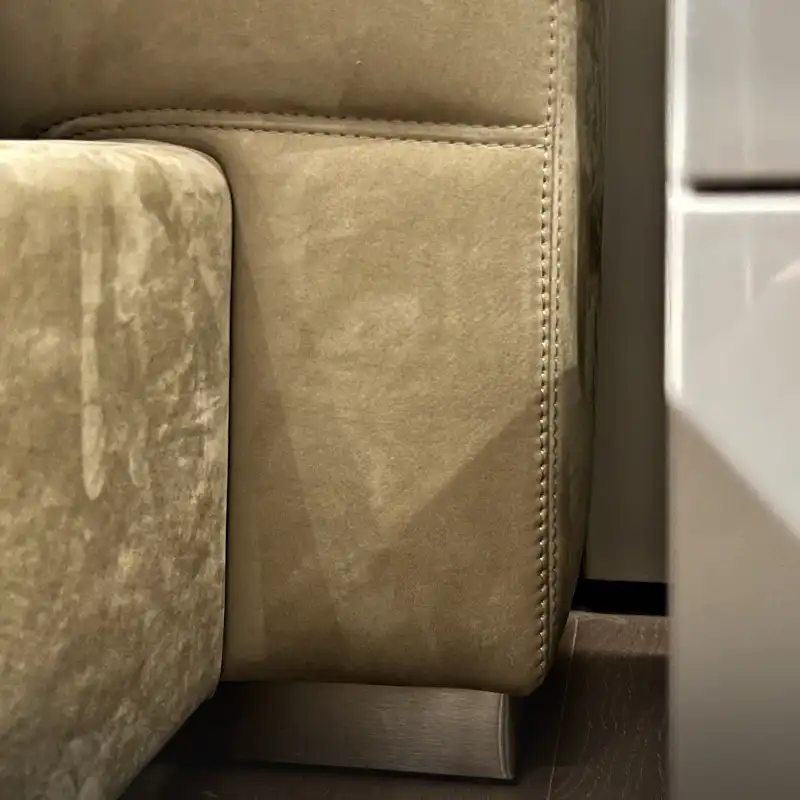
The choice of material has a direct effect on both how it looks and how well it works over time. Nubuck leather is a high-end choice for furniture. It has a soft, velvety feel and naturally breathes, so it can be used on high-contact areas like headboards. When treated correctly, this material has great resistance to wear and tear. In fact, Martindale test scores often go above and beyond what is required for business furniture.
Kiln-dried hardwood, usually beech or birch, is used for the interior frame building because it is stable in size and strong. Stabilizing the moisture content between 8 and 12% keeps the wood from cracking in climates that change, which is very important for furniture that will be sold in different regions. The frame can handle being put together, taken apart, and transported many times because it has metal-on-metal bonding systems and reinforced corner blocks. This is important for contract furniture uses where installation time is important.
Variable-density polyurethane foam is used in padding systems. This foam is designed to provide natural support while keeping its shape over long periods of use. High-resilience foam formulations have better healing properties than standard density choices. This means that wear patterns that form on surfaces that are frequently touched are less noticeable. This technical standard solves a common problem with hospitality furniture: keeping its good looks even after being used a lot every day.
Design Variations and Style Adaptability
Modern Lawrence bed upholstered bed designs use flexible design elements to suit a wide range of taste in style. Modern rooms look good with clean-lined shapes that emphasize the horizontal line, while transitional and classic rooms look good with thicker button-tufting and curved shapes. Procurement teams can keep the brand's consistency across Lawrence bed furniture lines by buying from a single production partner and specifying headboard height, stitching patterns, and finish details.
Customization includes choosing the color. Fabric and leather choices come in neutral tones that work well in business settings and accent tones that make furniture in home displays stand out. This freedom is especially helpful for interior designers who are working on multiple projects at once because it helps them keep good relationships with vendors while still meeting the needs of different clients.
The OEM Manufacturing Process for Lawrence Beds
Frame Fabrication and Structural Engineering
Preparing the frame parts is the first step in making something. CNC-controlled cutting tools makes sure that all production runs are the same size. Mortise-and-tenon joinery is an old method of working with wood that has been made more precise through modern production. It makes mechanical links that spread stress loads better than assemblies with only fasteners. The usual "squeak and wobble" problem with lower-level bed frames is fixed by this building method, which provides the structural silence expected in high-end hospitality settings.
The connection points on the side rails are strengthened so that they can fit normal bed fittings and work with a variety of mattress support systems. The engineering spreads the weight evenly across the frame, so it is stable whether it is used with old-fashioned box springs or newer platform slat systems. This technical point is especially important for bulk purchases, where workers may have to deal with a variety of site conditions and building situations.
Upholstery Workflow and Finishing Standards
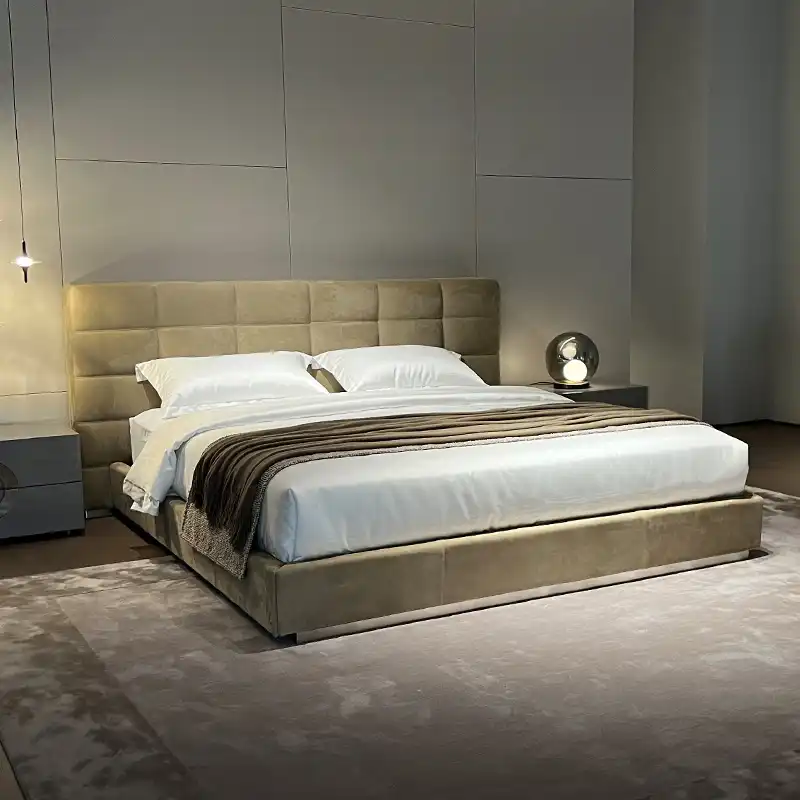
Through stacked building methods, upholstery processes turn structural frames into finished goods. When applying padding, ergonomic mapping principles are used to focus higher-density foam on areas that support the lower back and use softer formulas in areas that support the head. This graded method makes users more comfortable without making the cost of materials go up too much.
During quality control, a lot of care is taken with cutting the fabric and following the design. Computer-aided design systems make the best use of materials, cutting down on waste while making sure that patterns are aligned consistently across all areas that can be seen. This efficiency means that costs for big orders can be predicted, which is very important for buying managers who have to stick to a budget.
The way channel-tufted and button-detailed furniture looks depends on how well the stitches are done. When industrial sewing machines are set up to work with heavy fabrics, they keep the stitch tension constant. This stops puckering or broken threads, which lower the perceived quality of the work. These production standards are in line with what people expect in competitive hotel markets, where the quality of the furniture directly affects how the guests feel.
Quality Assurance Protocols Throughout Production
Integrated quality control checks are not just at the end of the production process; they happen at several stages. Before going into production, raw material verification makes sure that the specs for leather, cloth, and foam match the accepted models. This cautious method keeps you from having to pay a lot of money to find important mistakes after you've already spent a lot of money on manufacturing.
During structural testing of the Lawrence bed, sample units are put under stress loads that are higher than what they would normally be used for. Frame parts of the Lawrence bed are put through cyclic loading tests that make them work like they've been used for years in a short amount of time. This finds weak spots in the Lawrence bed goods before they get to customers. Verification of weight capacity of the Lawrence bed makes sure that frames can hold the weights that are stated with enough safety margins to meet both manufacturer standards and government requirements in target markets.
Final inspection procedures check for accuracy in measurements, quality of the upholstery finish, and the ability of useful parts to work. Individual tests are done on adjustable leg systems to make sure they work smoothly and lock securely. Hardware details are looked at in standard lighting to find flaws on the surface that could affect how good the product is thought to be. These thorough checks make sure that the product is the same across all production batches. This gives customers more faith in the stability of the supply chain.
Custom Order and Prototype Management
OEM partnerships work best when makers can handle both standard production runs and custom specs with ease. Rapid development with 3D design simulation lets customers try out changes to the design before committing to full production. This iterative method lowers the risk that comes with making custom furniture, where making real examples used to take a lot of time and money.
Structured approval processes set clear rules for how buying teams and production partners can talk to each other. Digital asset management systems keep track of different versions of specs, material choices, and end options. This keeps people from miscommunicating, which can throw off custom projects. These organized steps are especially helpful for keeping track of furniture packages for phased development projects, where it's very important that delivery times are always the same.
Customizations that can be made in small batches help bridge the gap between one-off samples and full production runs. Furniture stores can see how the market reacts to new products before committing to bigger inventory positions because they can make 20 to 50 units to specific specs. This adaptability fits the needs of store buyers who need to quickly respond to new design trends without taking on too much product risk.
How to Choose the Right OEM Lawrence Bed Manufacturer?
Evaluating Manufacturing Capacity and Capabilities
To figure out a manufacturer's production ability, you must first know what their physical infrastructure and tools can do. A plant size of 50,000 square meters means that the company can make a lot of things. It can fit multiple production lines that can work on orders at the same time without scheduling problems. This size is very important when buying things quickly or when different parts of a project need to organize delivering furniture to different locations.
Integrated planning and production sites are very helpful for making custom furniture. Using advanced 3D modeling software, on-site design teams can quickly change design ideas based on customer feedback. This cuts down on development times that usually take weeks or months. Because design tools are close to manufacturing equipment, problems can be solved right away when design ideas are turned into specifications that can be manufactured.
The ability to handle materials of the Lawrence bed affects how flexible modification is and how consistent quality is. Outsourcing the production of Lawrence bed parts is not as good for quality control as doing the cloth cutting, foam creation, and wood processing in-house. Vertical integration for the Lawrence bed makes the supply chain less vulnerable to problems that could cause delivery plans to slip. This is very important for projects that need to be finished quickly, because delays can lead to more expensive problems.
Quality Standards and Certification Verification
International quality approvals make sure that production standards and methods are being followed correctly. Quality management systems that are ISO-compliant show organized ways to be consistent and keep getting better. These certificates are especially important for procurement teams that have to follow the rules set by the organization's governance or for projects that need to find furniture that meets certain legal requirements.
Material safety approvals make sure that goods meet the health and environmental standards of the places where they are sold. In many business situations, you can't get around the need for fire resistance ratings, formaldehyde emission limits, and limited drug compliance. Manufacturers who keep their licenses up to date show that they are serious about meeting market entry requirements and following the rules.
Communication Efficiency and Partnership Dynamics
Transactional supplier ties are different from strategic manufacturing partnerships in that they don't require responsive contact. When manufacturers give specific account representatives who are familiar with client projects, they provide continuity and institutional knowledge that makes working together easier over time. This relationship structure cuts down on the time-consuming sharing of the same information that happens when contacts with suppliers are spread out.
Fluency in more than one language and culture makes it easier for people in foreign partnerships to communicate clearly. Teams that work well together in English and know how Western businesses work keep confusion to a minimum, which can happen when there are mistakes in translation or different standards for business practices. This practical compatibility comes in handy when talking about specifications, where accuracy is very important.
Communication tools that use technology make working together more efficient. Sharing project management tools, digital sample files, and videoconferencing tools make it possible for people in different places to work together effectively. These technological skills were very useful during global problems and are still useful for improving the efficiency of contact in everyday life.
Showroom Access and Sample Evaluation Protocols
Going to a store to look at a product in person gives you a chance to use your senses in ways that digital models can't. Experienced data helps with buying choices by letting you check the quality of the upholstery finish, the security of the structure, and the ergonomic comfort. A 20,000-square-meter showroom shows that a lot of money was spent on building up the facilities to interest customers and trust in the quality of the products.
The rules for buying samples affect how easily you can test a product completely before placing a large order. Manufacturers who offer flexible sample programs, such as loan options, buy with credit toward production orders, or free samples for qualifying projects, show that they are confident in the quality of their products and want their customers to be able to make smart decisions.
With prototype development, special specs can be tested before they are committed to production. The uncertainty that comes with making custom furniture is lessened by being able to make real samples with specific material choices, size changes, or design variations. This iterative development method works especially well for buyers who care a lot about design and make decisions based on how something looks.
Conclusion
OEM production relationships for upholstered bed systems offer strategic benefits in terms of lowering costs, allowing for more personalization, and ensuring quality. Procurement experts can make choices that are in line with the organization's goals when they understand the manufacturing process, material requirements, and criteria for evaluating suppliers. The Lawrence bed Queen is a great example of how carefully chosen materials, designed building methods, and strict quality control can make high-end upholstered furniture that looks great and lasts for a long time. Choosing the right OEM production partner is important for making sure that the products you buy are of high quality, that they are delivered on time, and that your supply chain stays stable over time. This helps your business grow and keeps your customers happy.
FAQ
What distinguishes Lawrence-style upholstered beds from standard platform beds?
These cushioned pieces have three-dimensional frames made of structured padding, channel stitching, or button-tufting that gives the furniture depth. The strengthened wooden frame and built-in slat systems get rid of the need for a box spring while giving mattresses better support than basic platform designs. This mix has both a striking visual effect and good functionality that makes it perfect for business use.
How does customization affect production timelines and minimum order quantities?
Standard setups usually ship in six weeks, but this depends on how many are ordered. Custom specs, like changing the size or using a different seat material, may add two to three weeks to the delivery time to allow for design approval and the finding of specific parts. Different makers have different minimum order amounts based on how complicated the customization is. Some allow custom orders of just one unit, while others set minimums of 20 to 50 units for non-standard specifications.
What maintenance requirements ensure longevity in high-use hospitality environments?
Regular cleaning gets rid of the dust that builds up and speeds up the wear and tear on fabrics. Spot cleaning spots with the right leather or cloth cleaners takes care of them quickly, before they become permanent. Leather conditioner should be used once a year to keep nubuck's soft feel and stop it from drying out or breaking. By checking the frame joints and leg sliders on a regular basis, small problems can be found before they become structural ones. This makes the furniture last longer and keep it looking nice for guests.
Partner with Azz Furnishings for Premium Upholstered Bed Solutions
Azz Furnishings has a lot of experience making upholstery furniture, and they can do it on an industrial scale while also coming up with new designs. Our 50,000-square-meter factory in Foshan, Guangdong, uses digital management systems that are linked with ERP to make sure that materials can be tracked accurately and that quality is maintained throughout all production runs. As a Lawrence bed maker, we can make a lot of changes to your bed, from changing the size to choosing the material. We can also make quick prototypes using cutting-edge 3D design technology. Our 6S production management standards cover areas like luxury, padded, panel, hardware, and more. They make sure that quality is carefully checked at every stage of production. The Lawrence Bed Queen, which is made from high-quality suede leather and comes in a variety of sizes and colors, is an example of our commitment to making furniture that is both aesthetically pleasing and long-lasting for business use. Email our team at shiyingfan826@gmail.com to talk about the details of your project, ask for samples, or set up a time to come see our 20,000-square-meter store and see for yourself how well we make things.
References
Chen, L., & Wang, M. (2021). Structural Engineering in Contemporary Upholstered Furniture: Materials and Methods. Furniture Design Quarterly, 45(3), 112-128.
Harrison, P. T. (2020). Commercial Furniture Procurement: Strategic Considerations for Hospitality Applications. International Journal of Contract Furnishing, 18(2), 67-89.
Martinez, R., & Zhou, K. (2022). OEM Manufacturing Partnerships in the Global Furniture Industry. Supply Chain Management Review, 31(4), 203-219.
Patterson, S. J. (2019). Material Performance Standards for High-Use Furniture Environments. Journal of Applied Furniture Technology, 12(1), 34-52.
Thompson, A. R., & Liu, H. (2023). Sustainable Manufacturing Practices in Upholstered Furniture Production. Environmental Design and Manufacturing, 8(2), 145-167.
Williams, D. K. (2020). Quality Assurance Protocols in Contract Furniture Manufacturing. Industrial Production Standards Review, 27(3), 88-104.