




Popular Finishes and Colors for Linha Dining Tables
The Linha dining table is an architecture take on dining room furniture. It stands out for its simple design and incredibly high level of structural efficiency. When B2B buyers choose the styles and colors for these high-end tables, they have to make important choices that affect how long they last, how they place themselves in the market, and how happy their customers are. With the right finish, a useful surface can become a lasting statement piece. Also, smart color choices keep inventory in line with changing design trends in retail, leisure, and home building. When procurement workers understand these factors, they can make choices that match how something looks with how well it works for the business.
Understanding Linha Dining Table Finishes and Colors
Finishes on materials protect and beautify the base materials before they are used in everyday life. For architecturally precise tables, the finish choice has a direct effect on how long they last and how they look. Modern manufacturing offers a wide range of surface treatments, from matte lacquers that hide small scratches and reduce glare to high-gloss polyurethane coats that make light bounce more strongly and give objects a dramatic sense of depth.
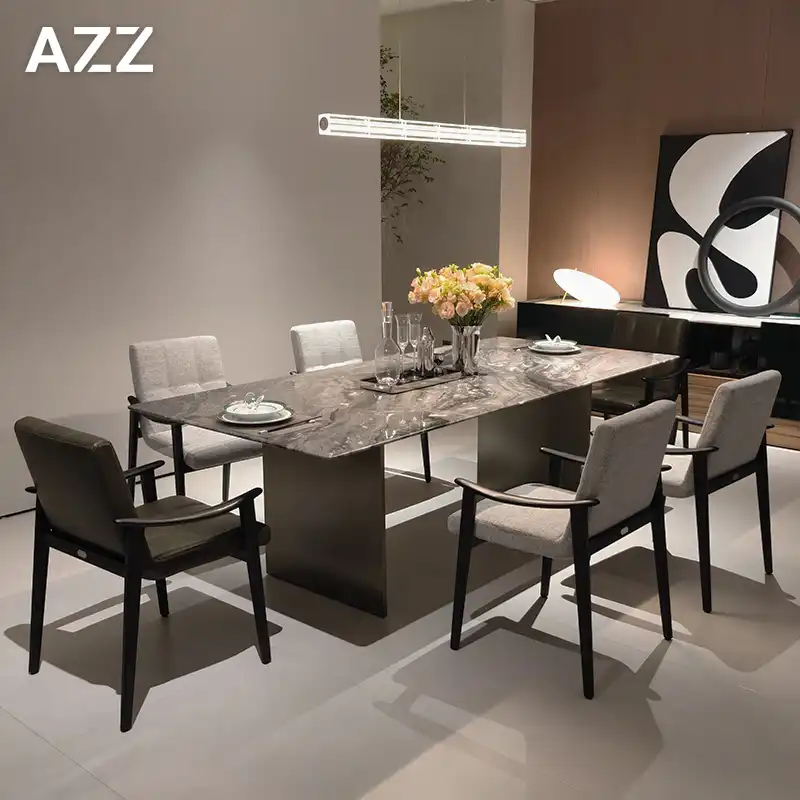
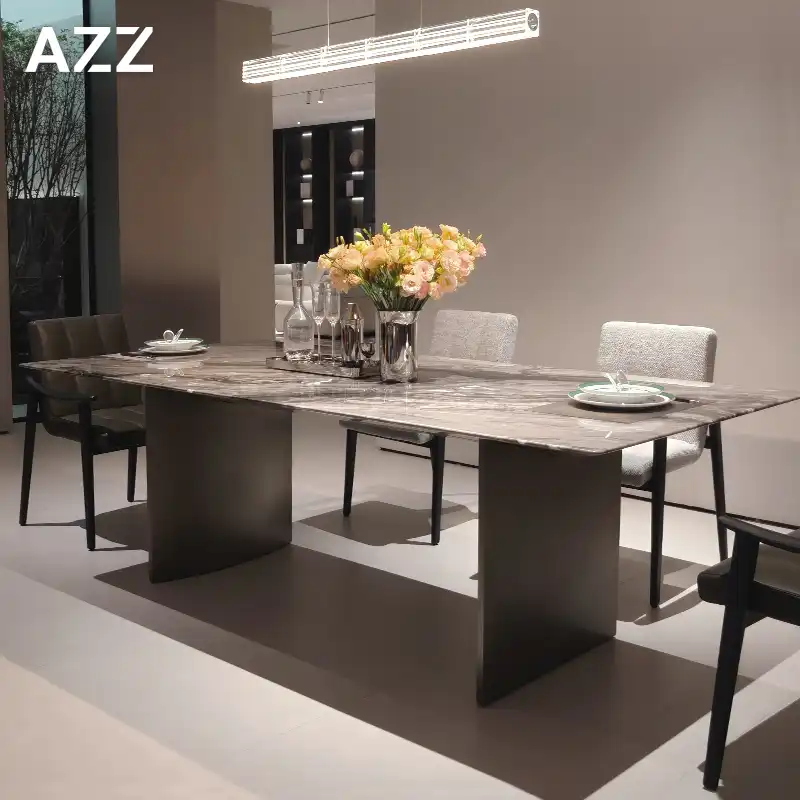
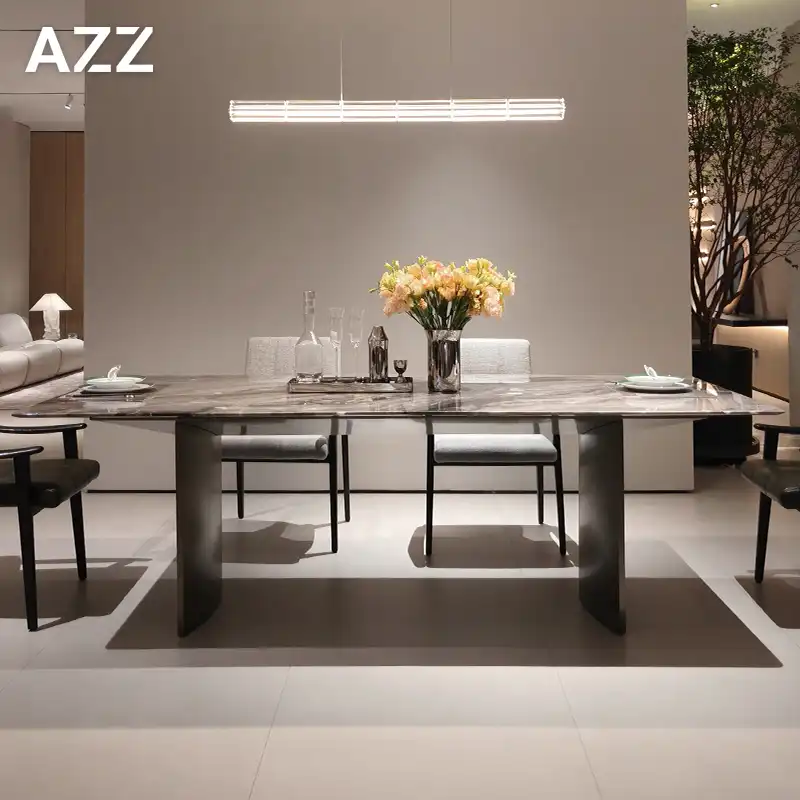
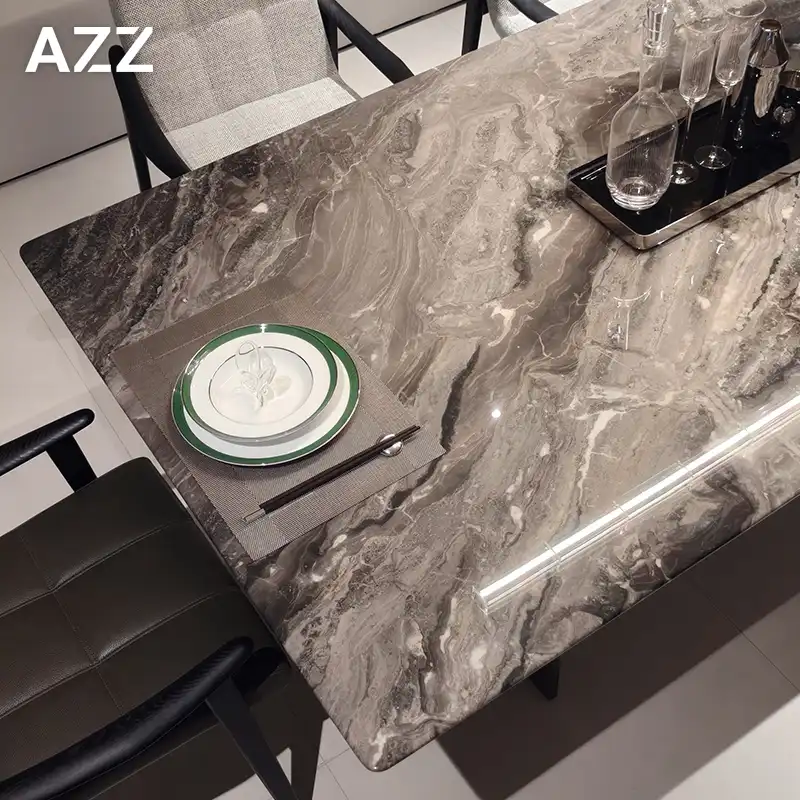
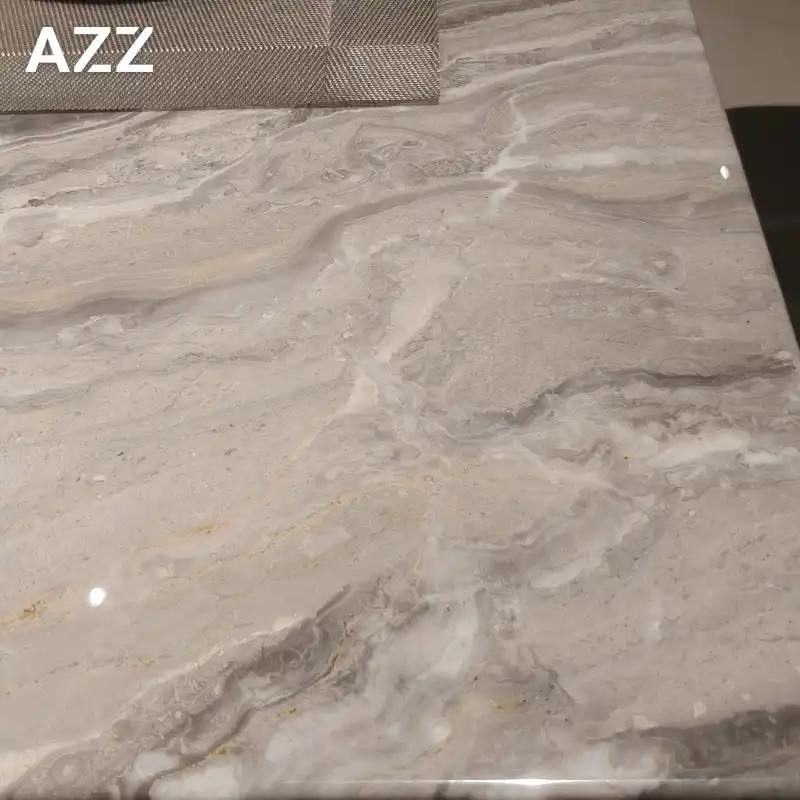
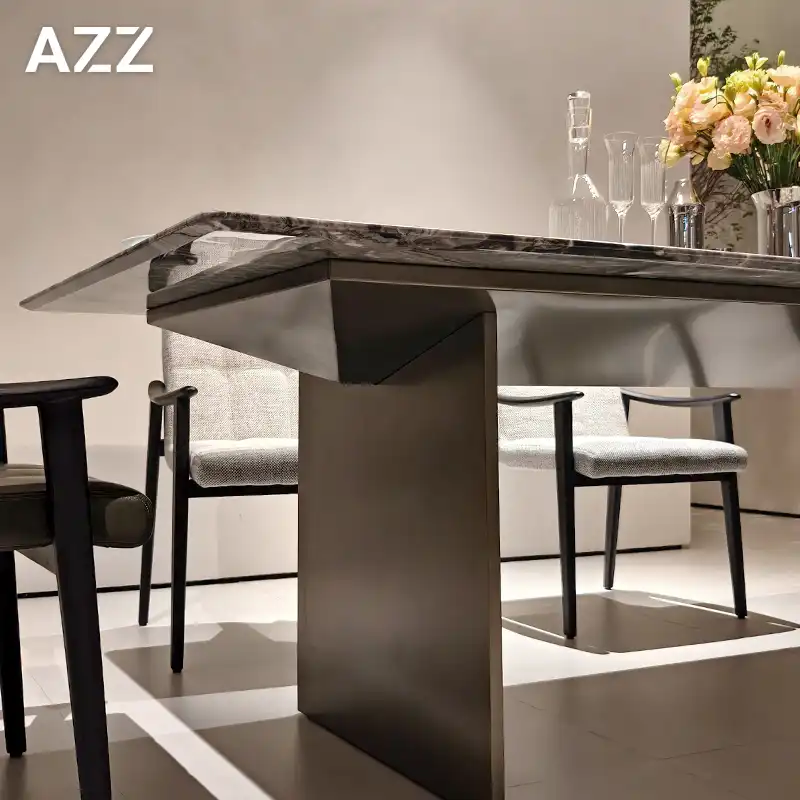
Because natural stone surfaces, like Venetian brown marble, have natural variations like veining patterns, each piece has its own personality. For these geological materials to stay strong against water and acidic settings like restaurants, they need special sealing processes. Metal parts, like stainless steel bases with old bronze-brushed bolts, give structures a very industrial look while also being very stable.
Traditional wood tones are no longer the only colors available. Neutral grays, warm taupes, and stylish charcoal colors now go well with modern interior designs. These choices meet the market's need for furniture that can go from being elegant in a home to being elegant in a business setting. Understanding how finish chemistry works with base materials is helpful for procurement teams because it protects adhesion and delays wear and tear in high-traffic areas.
Key Factors Influencing Finish and Color Selection for Linha Dining Tables
Material Compatibility and Structural Integration
The right way to apply a finish depends on the makeup of the substrate. Anodizing and powder finishing are two ways to treat aluminum frame structures that make metal surfaces bond molecularly with the aluminum, making strong shields against oxidation and wear. For wood veneers, you need lacquers with open pores that let the natural grain show through and keep water out. The physics behind thin-profile tabletops calls for finish systems that are light so that they don't add extra weight to designs that are already perfectly balanced.
Environmental Performance Considerations
Different types of stress are put on furniture finishes in commercial operation settings. Hospitality uses commercial-grade disinfectants to clean surfaces often, so finishes need to have chemical resistance grades that can handle strict upkeep procedures. Finishes that keep their look with little work are given top priority in residential building projects. This helps property managers reach their goals for efficiency.
Changes in humidity can be hard on solid wood parts, but aluminum-core construction keeps the dimensions stable, so the finish doesn't bend or crack. When installing near big windows, UV exposure is very important to think about because photodegradation can fade colors and weaken the finish. Choosing topcoats that block UV rays helps colors last longer in places that get a lot of sun, protecting the value of your investment over longer service lifecycles.
Design Trend Alignment
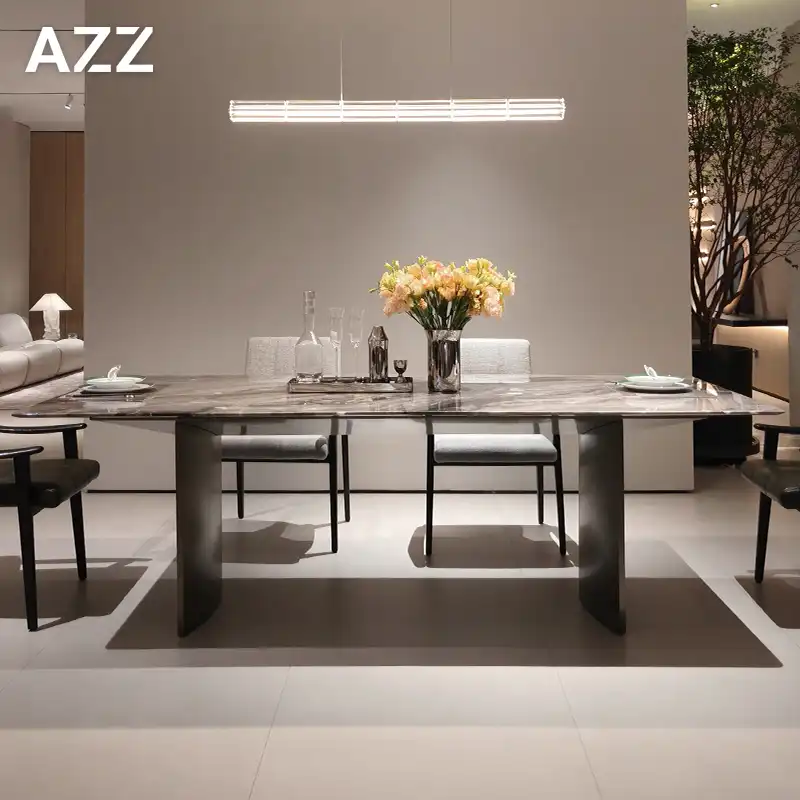
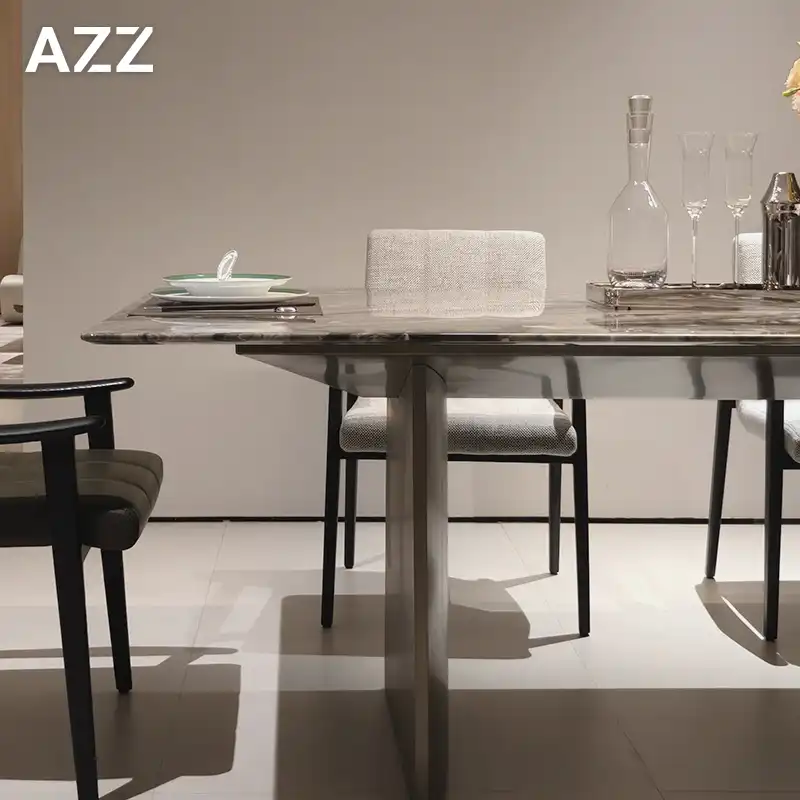
Modern minimalism for the Linha dining table likes one-color schemes with slight changes in texture, which can be achieved with matte finishes in neutral color families. This style is popular in high-end housing markets and small hotel projects that want to look classy and classic. On the other hand, designs that make a statement use high-contrast pairings, like dark marble tops with light metal bases, to create visual drama and focal point effect.
For foreign procurement methods to work, it's important to know what people in different areas want. In North America, people really like warm, natural colors that make things feel friendly, while in Europe, people are asking for cooler grays and industrial finishes that look like they came from Scandinavian design. By keeping an eye on these trends, you can make sure that your product is optimized based on how demand changes in different areas.
Comparison of Popular Linha Dining Table Finishes and Colors
Matte versus Glossy Surface Treatments
Matte finishes have become more popular in business standards because they hide flaws on the surface and make upkeep less obvious. The spread out light reflection reduces glare in well-lit areas, making them easier on the eyes. These surfaces are better at resisting scratches than shiny ones because small scratches blend into the smooth smoothness instead of standing out as flaws.
Reflectivity that works like a mirror makes glossy finishes stand out visually. They boost natural light and make space look bigger. This dramatic effect works well in showrooms and high-end hotels, where people make quick decisions about what to buy based on how something looks. But these surfaces need to be cleaned and maintained more often because fingerprints and water spots show up more easily. The choice between matte and gloss depends on how dramatic the look is and how easy it is to maintain in different deployment situations.
Satin finishes occupy middle ground, offering subtle sheen with improved durability characteristics. This compromise solution is good for buyers who want a refined look without having to keep up with high-gloss upkeep. It's also great for real estate development projects that need durable but beautiful furniture packages.
Natural Stone versus Engineered Surfaces
Natural marble gives off an air of unmatched luxury through its true natural formations, which can be seen in the veining patterns and color variations. Venetian brown marble, in particular, has warm earth tones and bold striations that make it look good in both classic and modern settings. Each slab has its own unique qualities that make it appealing to picky buyers who value natural authenticity and rarity.
Compared to real stone, engineered quartz surfaces have a more regular look, are less porous, and are less likely to stain. These man-made materials are good for business uses where consistency across multiple units is more important than natural difference. The choice between natural and man-made materials depends on how the brand wants to be positioned—whether it wants to emphasize the uniqueness of the craftsmanship or the reliability of the consistency.
Metal Finish Options and Aesthetic Impact
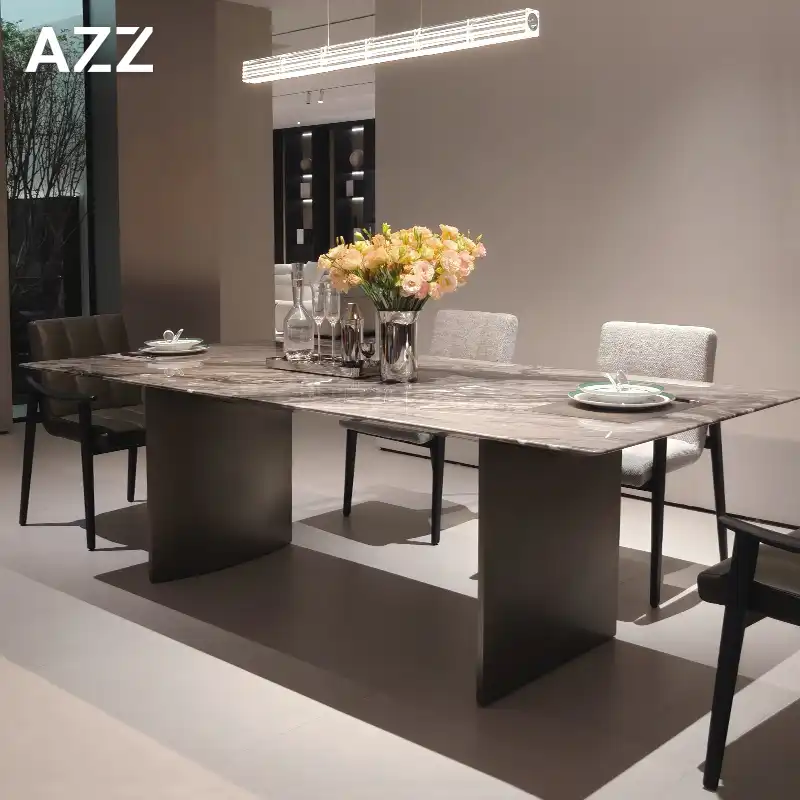
The industrial style of stainless steel bases is matched by their excellent structural performance and resistance to corrosion, making them perfect for a wide range of temperatures. Brushed finishes, like the old bronze treatment, add warmth and a nice feel to the surface while better hiding small scratches than shiny finishes. These metal parts give moving tabletop designs a visual base and support the building style that is central to minimalist design.
Powder-coated metal offers lightweight options that can be colored in a wide range of ways. This makes it possible to match a brand's color scheme to chain hotels or a developer's unique style. The coating process gives even covering and great chip protection, which helps things keep their good looks for a long time in tough settings.
Maintenance and Care Tips for Different Linha Dining Table Finishes
Stone Surface Protection Protocols
To keep marble surfaces of the Linha dining table from getting chemical damage that makes them look dull, you need to clean them with pH-neutral products that are made just for natural stone. Acidic substances, like wine, citrus juices, and cleaners made with vinegar, damage surfaces right away by dissolving calcium carbonate. This is why business settings need quick spill response procedures.
Using sealer once a year keeps the hydrophobic walls in place that stop liquids from penetrating and coloring. This preventative maintenance ends up being cheaper than the repairs that need to be done after deep stains have been caused by carelessness. Setting up regular care plans that protect the surface of commercial properties in the same way is helpful for businesses.
Even though stone is naturally thermally resistant, it is still important to protect it from heat because big differences in temperature can cause stress fractures in thin stone veneers. Having rules about how to use coasters and trivets protects the surface and teaches people how to take care of them properly, which greatly increases their useful life.
Metal Component Care Standards
Cleaning stainless steel regularly with microfiber cloths and light detergents that get rid of surface dirt without wearing away the protected oxide layers is part of keeping it in good shape. Avoiding products with chloride stops pitting rust, which hurts both the look and the strength of the structure. Brushed finishes can be cleaned in a way that follows the grain patterns, which keeps the texture look regular.
Using metal cleansers on antique bronze treatments on a regular basis can help the patina develop while stopping rust from going too far and losing its desired aesthetic effects. These finishes are meant to look old, which adds to their visual depth over time if they are properly cared for. This makes them different from mirror-polished options that need to be buff all the time.
Finish Longevity Strategies
Controlling the environment has a big effect on the longevity of finishes made of all kinds of materials. Keeping the relative humidity between 40 and 60% keeps wood parts from getting damaged by water and keeps the finish from becoming too dry and rigid. Window treatments that block UV light protect against photodegradation in installations that are open to the sun, keeping the colors true for longer periods of time.
Protective items like table pads, placemats, and coasters spread out impact forces and temperature stress and keep surfaces from coming into direct touch with things that could damage them. Using these easy fixes greatly lowers the number of times furniture needs to be refinished, which lowers the total cost of ownership for businesses that keep a lot of furniture in stock.
How to Choose the Right Finish and Color for Your Procurement Needs?
Market Research and Client Preference Analysis
To make a buying strategy for the Linha dining table work, you need to know exactly what the end users in your target areas want. Furniture stores can find fast-moving SKUs that help them get rid of their old stock more quickly by looking at sales velocity data across finish groups. Interior designers can tell you a lot about new color trends and material choices that affect the specifications of both home and business projects.
Before committing to big orders, hospitality companies often ask for case studies and reference installations to make sure that finishes have been tested and shown to work well in high-traffic areas. When building homes, developers try to choose styles that will never go out of style. They avoid popular choices that might look old-fashioned in a short amount of time. Getting this information helps make choices about product specifications that meet the needs of specific customer groups.
Cost-Performance Optimization
When you compare the original costs of acquisition to the costs over the course of the product's life, you can see what the real value offer is. When it comes to longevity, premium finishes that cost more per unit often last longer and need less upkeep, which lowers the total cost of ownership. Doing a lifecycle cost study over the expected service periods gives you a more realistic way to compare things than just looking at the purchase price.
Volume price systems lower the cost per unit when a big order is placed, but buyers must weigh the saves on purchases against the costs of keeping inventory and the risk of items going out of style. Setting up framework deals with flexible call-off clauses lets you get good prices while keeping your inventory open to adapt to changes in market demand.
Manufacturer Collaboration and Customization
When you work directly with experienced makers, you can make changes that make your products stand out in a crowded market. Azz Furnishings is a great example of this partnership method because they offer a wide range of flexible combinations, different sizes, high-quality material choices, and unique color options that can be adjusted to the needs of each project. Our design team works closely with buying professionals to create solutions that perfectly match the vision and the requirements for functionality.
Multiple length and width choices for production make sure that the best possible spatial blending is achieved in a wide range of placement settings. The ability to substitute materials and choose from different finishes lets you make specifications that are unique to your brand and design philosophy. This freedom is especially helpful for hotel groups that want to create unique interior styles and for developers who want to make homes that people will remember.
Throughout the procurement process, quality assurance methods give people trust. Customers can check that finished goods meet strict standards through remote inspection methods that are done before they are shipped. Only after clear approval do the goods get packaged and sent out. This joint proof keeps people from misinterpreting the specifications and makes sure that everyone is happy with the delivery.
Conclusion
When choosing a finish and color for an architectural Linha dining table, you have to balance your aesthetic goals with the practical needs of a wide range of business settings. Knowing about the properties of materials, how they react to the surroundings, and how they need to be maintained helps procurement workers choose solutions that will last. The interaction between matte and shiny finishes, natural and man-made materials, and bland and bold colors opens up a lot of options that need to be carefully navigated. Buyers who are good at what they do work with manufacturers to get the best specs that meet business goals and customer expectations. They also do a lot of market research and use lifetime cost analysis.
FAQ
What finish options work best for high-traffic commercial environments?
Matte lacquer finishes work better in business and hospitality settings because they hide scratches better and make upkeep less obvious. Fingerprints and small scratches don't show up on these surfaces like they do on shiny ones. With the right cleaning methods, natural stone surfaces that have been sealed properly will last a very long time. In the same way, metal parts with brushed finishes instead of glossy finishes hide wear patterns while keeping a stylish look over long periods of service.
Can custom colors be specified for bulk orders?
For bulk purchases, there are a lot of customizing options, such as custom color matching and finish specs. Custom needs can be met by manufacturers like Azz Furnishings through flexible OEM partnerships. This lets furniture sets use a brand-specific color scheme. For fully custom finishes, there are usually minimum order numbers. However, common color changes can often be made at lower volume levels. Talking about specific needs directly with production partners makes it clear if custom specs are possible and what the price effects are.
How does marble finish maintenance differ from wood surfaces?
Marble needs cleaners that are made for stones and are pH-neutral to keep chemicals from etching it. Wood products, on the other hand, can handle a wider range of cleaning solutions. Stone surfaces need to be sealed once a year to keep them stain-resistant. Lacquered wood, on the other hand, does better with cleaning every so often instead of sealing. Marble is more easily damaged by acidic substances, so it needs to be cleaned up right away after a spill. On the other hand, wood that has been properly finished is more resistant to regular food and drink contact. Heat protection and humidity control are good for both materials, but marble has better natural thermal resistance.
Partner with Azz Furnishings for Premium Linha Dining Table Solutions
Azz Furnishings is ready to help you reach your procurement goals with its wide range of manufacturing skills and committed customer service. Our 50,000-square-meter factory in Foshan, Guangdong, uses modern ERP digital management and 6S production processes to make architectural dining tables that meet strict international quality standards. You can see the quality of our designs and materials for yourself in our 20,000-square-meter store, or you can email our team at shiyangfan826@gmail.com to talk about your special needs. As an established Linha dining table manufacturer since 2018, we can offer reasonable prices for large orders, easy customization options like modular combinations and different finish options, and reliable eight-week production times. Remote quality checks before shipping make sure you're completely happy, and goods are only sent out after you say they're okay. At mdazzhome.com, you can find detailed product information and purchase details to start your buying trip right away.
References
Architectural Digest. "Material Matters: Understanding Furniture Finishes and Their Applications in Commercial Interiors." Interior Design Quarterly, 2023.
Contract Furniture Council. "Durability Standards and Performance Testing for Commercial Dining Furniture." Hospitality Procurement Journal, 2022.
International Interior Design Association. "Color Trends and Material Preferences in Contemporary Hospitality Design." Professional Design Research, 2023.
National Association of Furniture Manufacturers. "Surface Treatment Technologies and Finishing Methods for Metal and Stone Furniture Components." Manufacturing Technology Review, 2022.
Stone Care International. "Maintenance Protocols and Protective Treatments for Natural Stone Surfaces in Commercial Applications." Material Preservation Handbook, 2023.
Sustainable Furnishings Council. "Lifecycle Cost Analysis and Environmental Performance of Furniture Finishes." Green Procurement Guidelines, 2022.