




The Chieftain Chair: A Bold Statement of Danish Modern Design
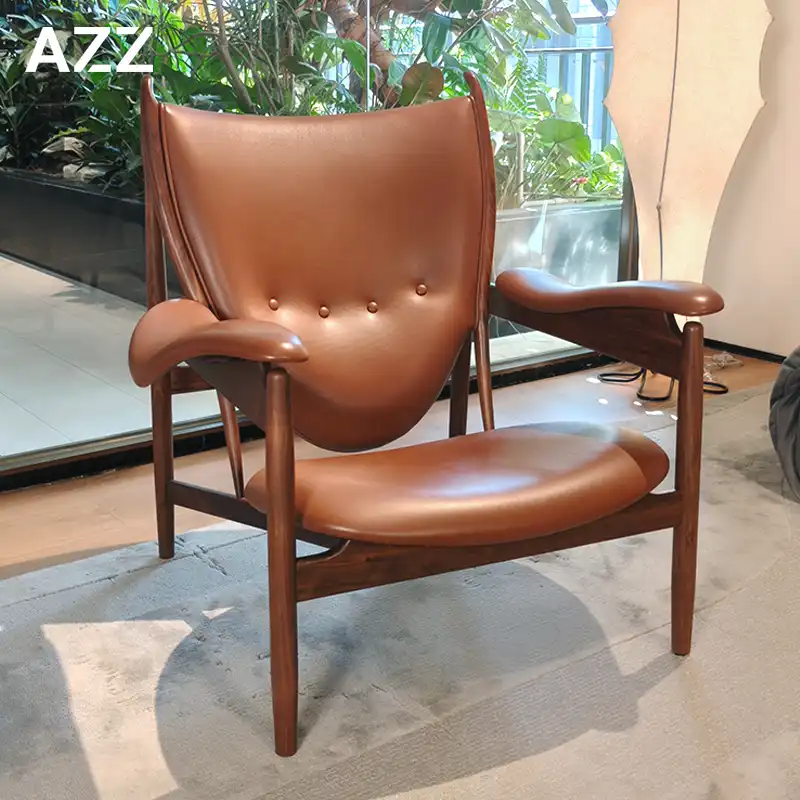
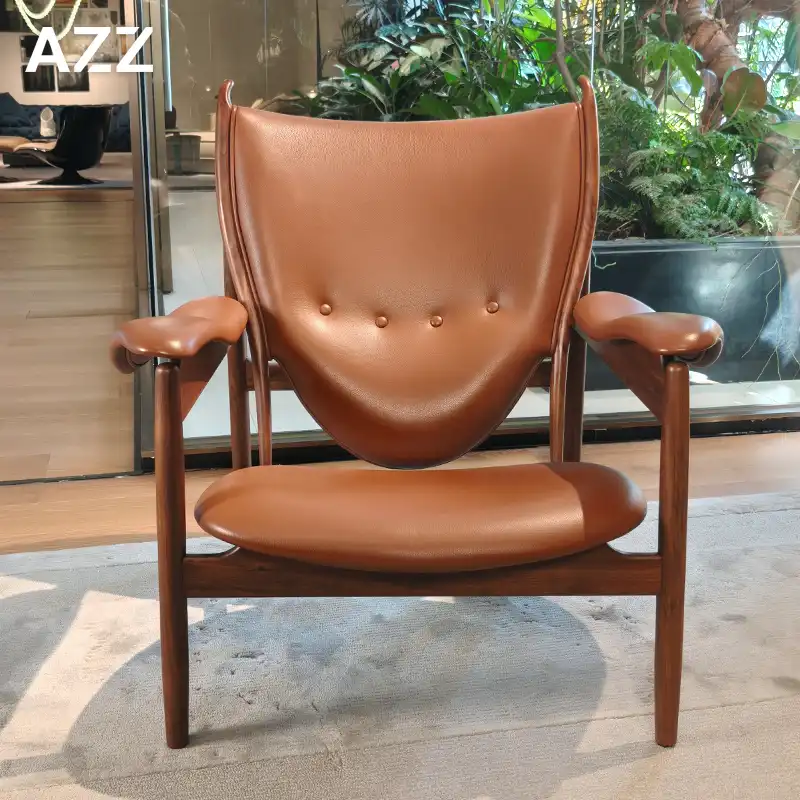
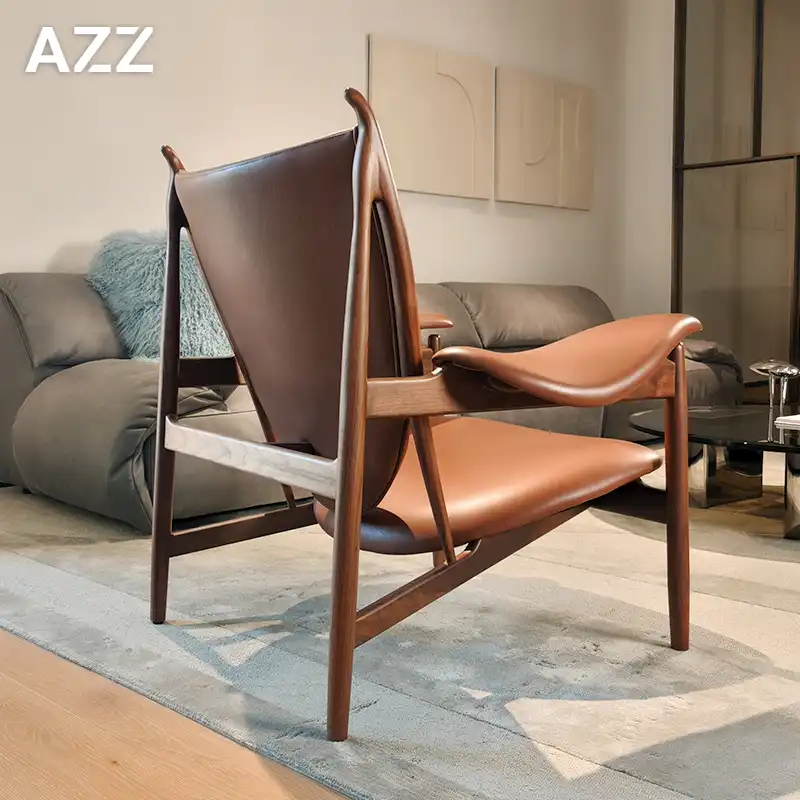
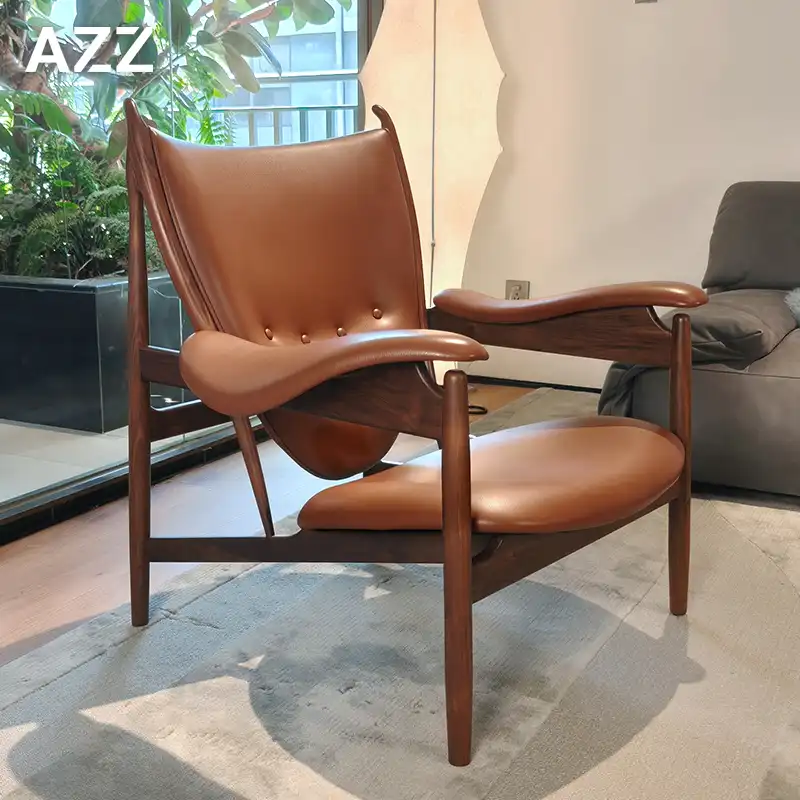
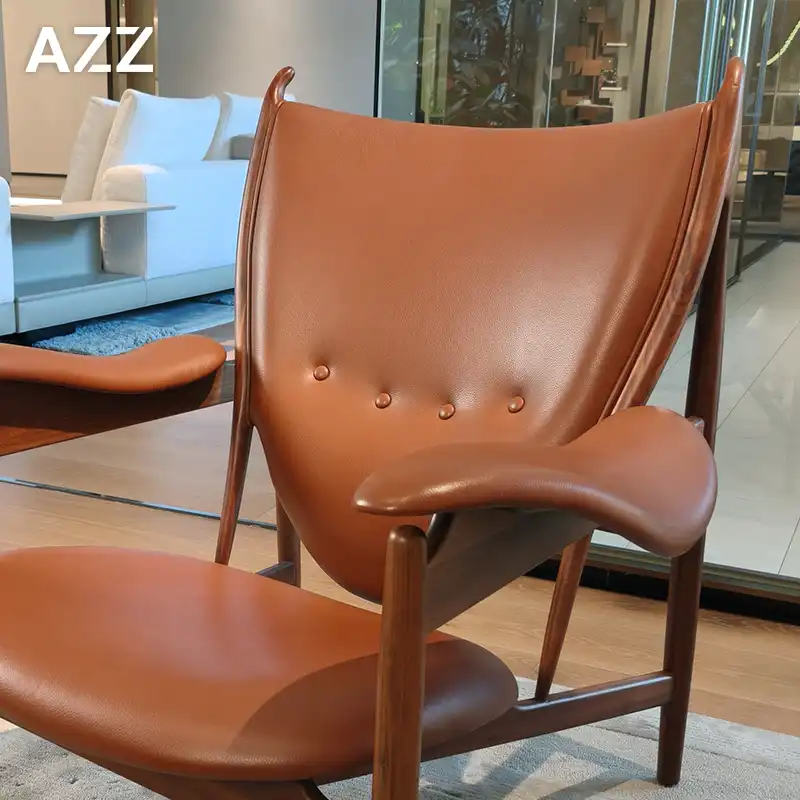
Finn Juhl was the first builder to use a bold sculpture language in furniture design in 1949, and the Chieftain chair is an amazing example of that style. This famous lounge chair combines natural shapes with elegant structure to make a statement that goes beyond normal sitting. Its unique floating construction, in which cushioned parts look like they are floating inside a strong wooden frame, gives it both visual drama and practical comfort, making it a lasting symbol of mid-century design philosophy.
Understanding the Chieftain Chair – An Icon of Danish Craftsmanship
The Heritage Behind the Design
In the years after World War II, Danish Modern design grew out of both a need for thrift and a fresh interest in natural materials. Drawing from modern abstract art, Finn Juhl's style went against the popular idea of functionalism by adding sculpture expressionism to furniture. His goal was to make pieces that were both emotionally engaging and useful in real life. The result was sitting that both demanded attention and encouraged rest, which is a balance that is rarely found in furniture design.
The Danish movement in the middle of the 20th century valued handicrafts, environmentally friendly materials, and classic styles over passing fads. This way of thinking is still useful today, as more and more business buyers look for investments in furniture that will last for decades and still look good. Professionals in procurement know that true design history leads to long-term customer happiness and fewer replacement cycles for the Chieftain chair.
Structural Elements and Material Selection
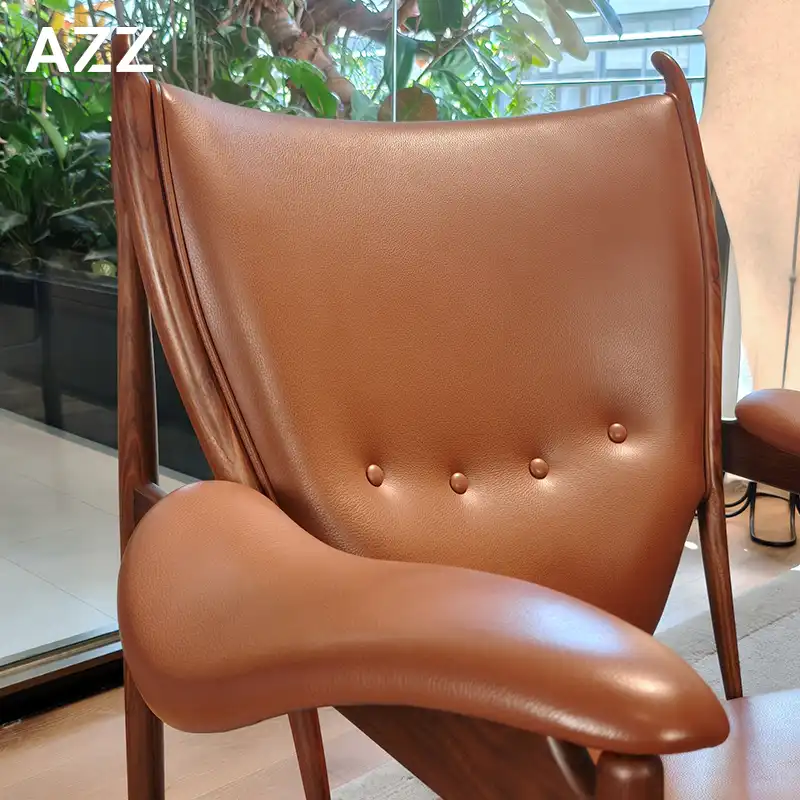
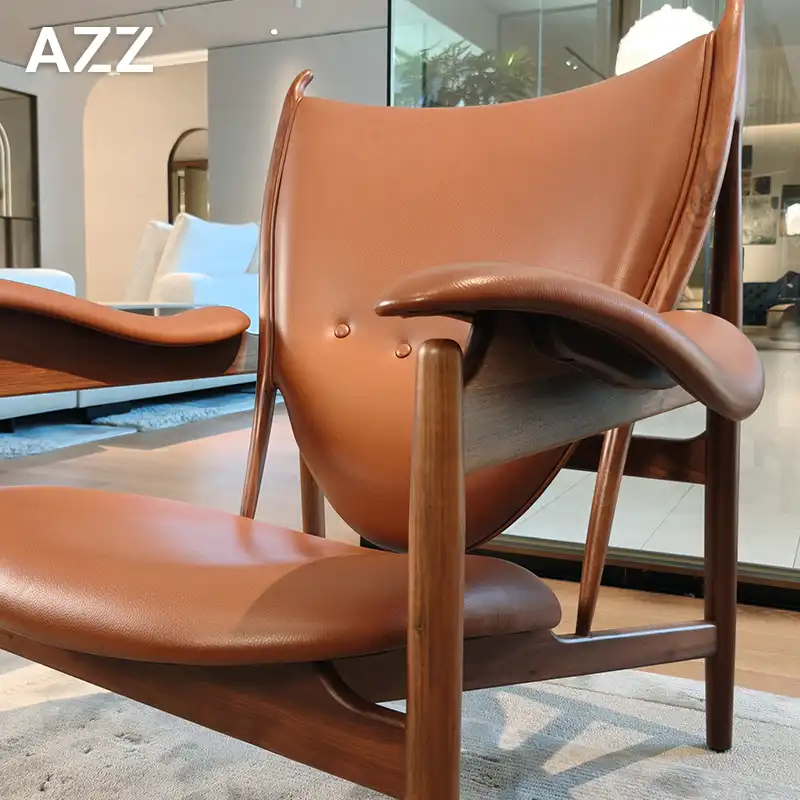
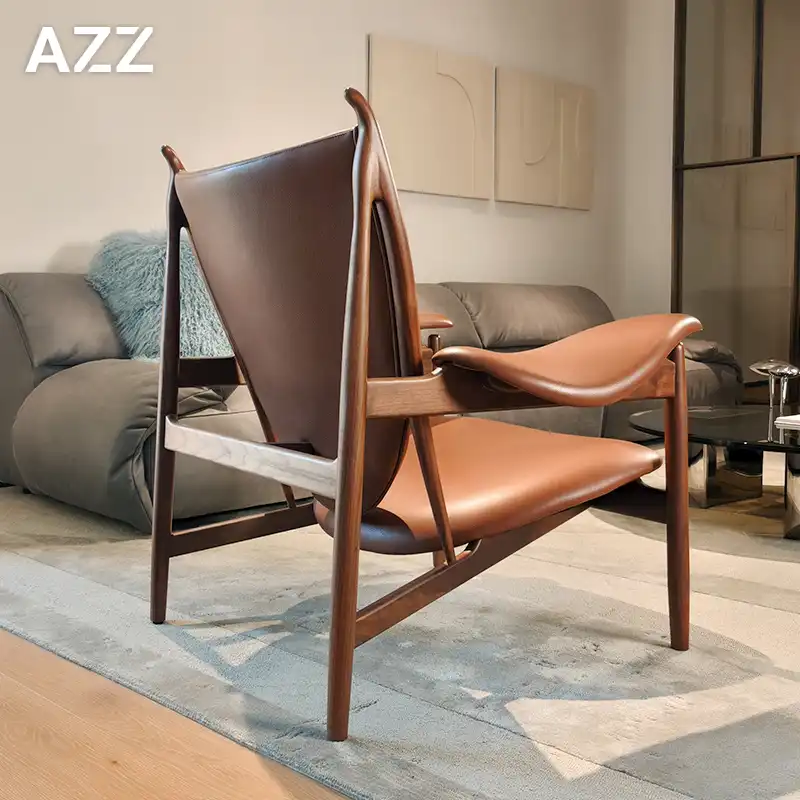
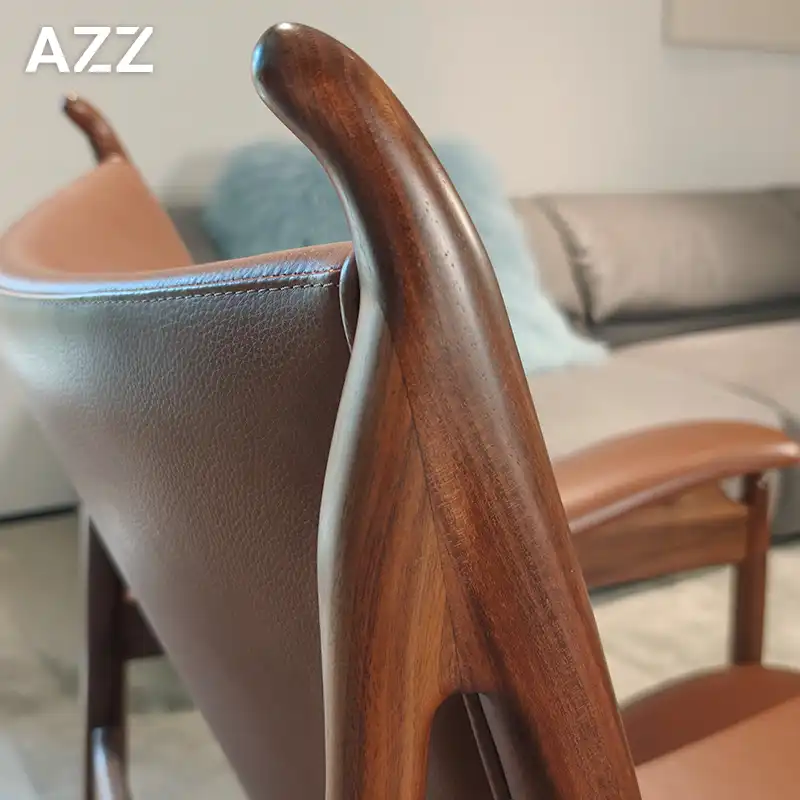
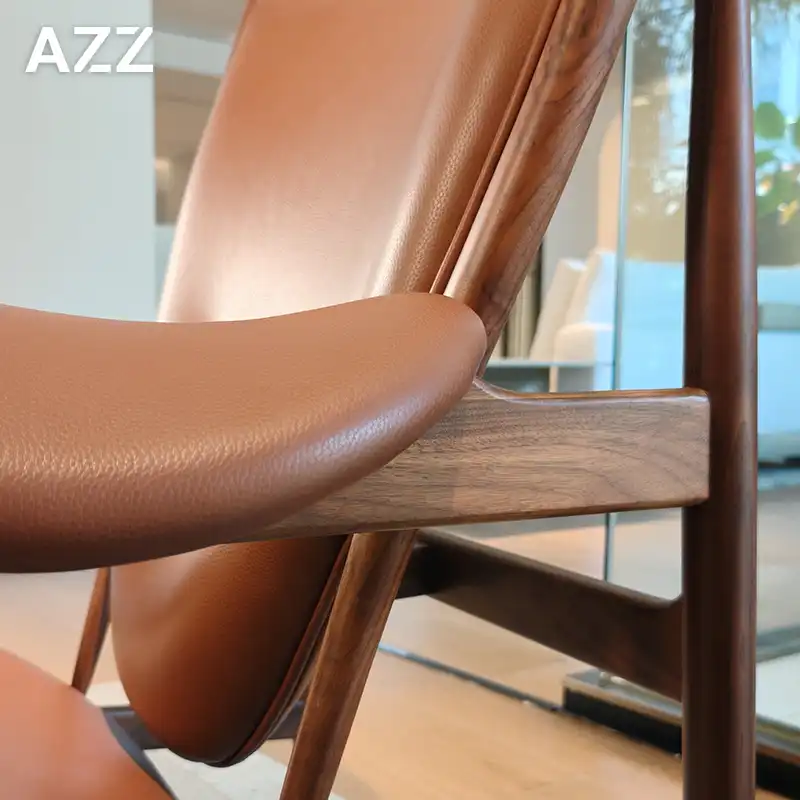
This lounge chair is different from other chairs because it has some bold architectural features. The open solid wood frame shows off high-quality hardwoods that were chosen for their stable grains and strong construction. Each piece needs careful assembly so that load-bearing parts are clearly separated from upholstered surfaces. This gives the furniture its unique floating look. When using this method of building, you need to be very skilled because the gaps between the frame and the padding have to be very exact while still holding a lot of weight.
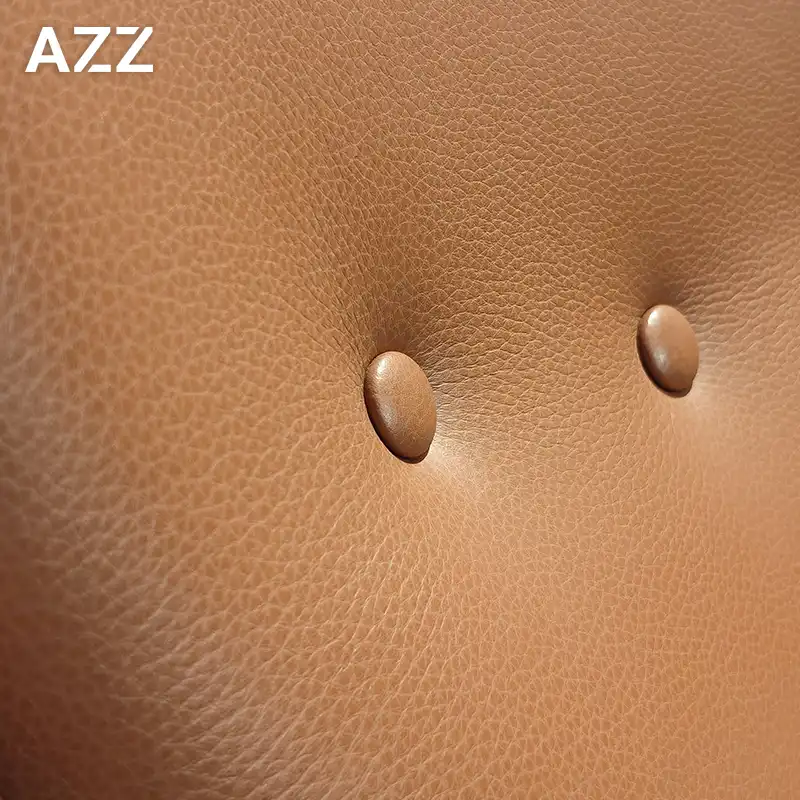
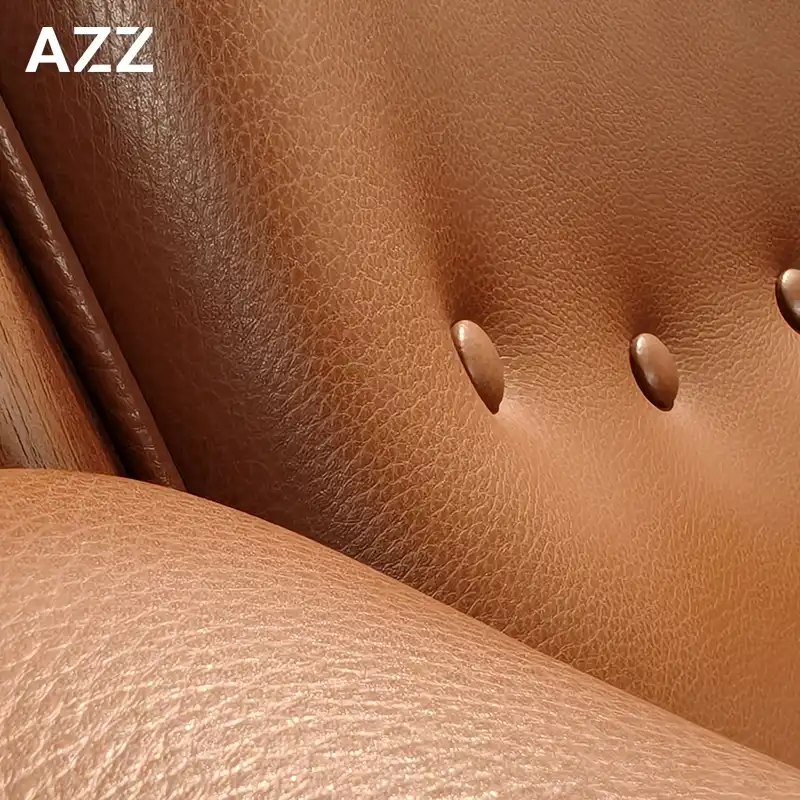
Premium leather furniture covers large seat and back surfaces, which means that the hide has to be perfect so that there are no splits or other flaws that can be seen. Over time, the leather gets a thick sheen that makes it look better instead of worse. This durability feature has a big effect on lifetime cost estimates in leisure and business settings.
Oil treatments are used to smooth wood. These treatments go deep into the wood and protect it while still letting it breathe and stay in balance with the humidity in the air. Surface-only surfaces, on the other hand, can crack or peel in places with a lot of use. The chair's wide armrests have soft curves that support your arms while adding to the chair's artistic look.
Manufacturing Excellence and Quality Standards
At Azz Furnishings, our 50,000-square-meter building has modern manufacturing skills that allow us to follow this design theory. Our production team uses 6S management standards to make sure that the quality of every unit is the same. The clever ERP system makes it possible to track materials precisely from where they are sourced to when they are inspected at the end. This is very important for B2B clients who need proof for quality checks or sustainability reports.
Our version is 900mm x 770mm x 740mm, which is the right size for business and leisure settings. The reinforced joinery methods used in the solid wood frame construction make it last longer than commercial-grade standards. Premium leather furniture goes through special treatments that make it more resistant to wear. This is important for places with a lot of foot traffic, like hotel hallways or executive lounges.
Modern precision engineering is combined with traditional mortise-and-tenon joinery to make links that get stronger over time instead of weakening. High-density foam padding keeps its shape after thousands of sitting on it, and stress spots that are strengthened keep the structure from wearing out. These technical requirements directly meet the needs of the hospitality business for furniture that can survive heavy daily use without losing its good looks.
Quality control procedures include multiple checking stages that check the raw materials, keep an eye on the process, and test the finished product. Before it is packed, each chair is checked for sturdiness, weight capacity, and finish quality. This strict method makes sure that furniture stores get stock that is ready to be displayed right away, without having to worry about quality issues that could hurt their brand's image.
Procuring the Chieftain Chair – A B2B Buyer's Guide
Identifying Qualified Manufacturing Partners
It can be hard for global procurement managers to tell the difference between qualified makers and sellers who don't have the technical skills or quality commitment to meet their needs. A number of verification factors help you evaluate possible business partners before you commit to big sales. The size of a manufacturing facility can give you a good idea of what to expect. Facilities smaller than 20,000 square meters don't usually have enough specialized space for large-scale furniture projects, while facilities bigger than 50,000 square meters usually have separate production lines for each type of furniture category including the Chieftain chair.
Compliance with certification provides an objective way to check the grade. International standards, such as FSC approval for environmentally friendly wood procurement, ISO quality management systems, and regional safety compliance, show that operations are mature. Instead of depending only on marketing claims, ask for certification paperwork. Real compliance needs regular auditing and record upkeep.
When figuring out production capacity, you should look at both the highest output and the ability to make small batches. For projects that need 50 to 200 units, suppliers must be able to handle mid-volume production. On the other hand, makers must be able to keep the quality of thousands of units across multiple properties for hospitality groups planning multi-property rollouts. This range of operations is maintained at Azz Furnishings, where we can make anything from single models to large-scale hotel furniture projects.
Professional suppliers are different from selling companies that don't know how to make things because they offer technical help. Qualified partners offer 3D visualization for unique requirements, which lets designers check the proportions before spending money on a sample. Rapid sampling—usually four to six weeks for first prototypes—allows projects to move forward without having to wait for long approval periods.
Logistics and After-Sales Considerations
The practicalities of shipping furniture across international borders are complicated and need special care to avoid damage during delivery. How you load containers affects both the cost of shipping and the state of the goods when they arrive. Professional makers use custom crating to protect leather and wood finishes on cushioned furniture while it's being shipped by ocean. Combining shipping for orders with multiple items saves money on freight costs and makes sure that all items arrive at the same time, which is important for fitting schedules.
Delivery times depend on how complicated and how many items are ordered. Standard standards usually take six to eight weeks from the time an order is confirmed until it is shipped. Customized sizes or styles can make the wait up to ten weeks. To figure out how reliable a plan is, procurement teams should ask for specific production schedules that show the steps taken to get materials, start production, check for quality, and package the goods.
After-sales support systems keep furniture purchases safe for as long as they last. A full warranty should cover structural soundness, material flaws, and finish quality separately, since they all fail in different ways and over different amounts of time. Our guarantee covers structural parts for five years, upholstery materials for three years, and finish quality for two years. This is based on realistic performance standards for commercial-grade furniture.
For furniture stores and property managers, technical help that lasts beyond the warranty term is very valuable. Having access to new parts, advice on cleaning, and repair help for furniture helps keep it looking good and working well for a long time after it was first installed. These services are especially helpful for hotel owners who want to keep the same high standards on their properties after years of heavy use.
Negotiation Strategies for Optimal Terms
Professionals negotiate purchases so that cost goals are balanced with quality security and supply stability. Volume commitments spread out over several delivery steps can often get better prices than a single big order, and they also give you the freedom to change the specs based on how well the first installation works. Supply agreements that last more than one year and include regular price reviews protect you from changes in the market and give sellers a reason to prefer your orders when they are short on capacity.
Standardizing specifications across all orders makes it possible to customize without charging more. Projects that need 100 units can get custom leather colors or changes to the sizes at standard prices as long as the order as a whole follows the same specs. On the other hand, setup costs that make per-unit prices much higher apply to small amounts with multiple specification versions.
Negotiating payment terms for the Chieftain chair should take into account how the project's risks are shared. For special orders of the Chieftain chair, the deposit usually ranges from 30% to 40%, and the rest is due when the job is done or when shipping paperwork is presented. Larger orders of the Chieftain chair can sometimes discuss payments that are tied to specific stages of production. This helps with managing cash flow and gives sellers free capital to buy materials.
Embedding the Chieftain Chair into Modern Workspaces and Décor
Design Integration Principles
Modern offices are becoming more aware that the furniture they use affects the health and efficiency of their workers and their ability to keep good employees. As more people switch to activity-based working, they need a variety of sitting choices that can support different work modes throughout the day. Danish Modern lounge furniture makes these places better by giving workers comfortable places to talk on the phone, look over papers, or work together informally away from their desks.
Statement furniture is used by hospitality interior designers to make unique experiences for guests that set properties apart in competitive markets. Having the unique Chieftain chair in lobby halls encourages guests to use public areas instead of going straight to their rooms, which builds community and creates extra revenue possibilities. The way well-designed furniture looks hits you right away as soon as you walk in, which can affect planning decisions and online reviews that lead to more guests.
Traffic flow, chat groups, and visual sightlines are all things that need to be thought about when planning a space. Open, floating lounge chairs keep the flow of visual continuity better than fully upholstered pieces. This means that designers can make cozy sitting areas without visual walls that break up open floor plans. The sculptural quality of open wood frames adds architectural interest to simple rooms and works well with modern art pieces instead of competing with them.
Coordinating the color palettes of leather furniture and finishes around it makes spaces look good together. As decor styles change, neutral leather tones like brown, chocolate, and black can still be used. This keeps furniture investments from becoming outdated too quickly. To keep the same look throughout a room, wood frame finishes should match the floors, wall panels, and case goods.
Supporting Wellness Initiatives Through Design
Wellness programs at work include more than just gyms and nutrition classes. They also look at things like the surroundings, like how comfortable the furniture is, how much natural material is exposed, and biophilic design principles. Access to comfortable, well-designed furniture has been shown over and over again to make people happier at work and lower the number of health issues linked to stress. The focus of Danish Modern on organic shapes, natural materials, and sizes that are centered on people fits perfectly with strategies for health at work.
When you sit in a properly made lounge chair, you can relax your muscles more than when you sit up straight for work. Long amounts of time spent in regular office chairs put pressure on spine discs and cut off blood flow, which can make you feel uncomfortable and make you less productive. Different types of seating that let people change their posture throughout the day have measured benefits, such as fewer reports of pain and better focus in the afternoon, when tiredness usually gets in the way of performance.
How you choose natural materials affects the air quality inside and how comfortable people are there. Building with solid wood and leather furniture keeps you from breathing in the volatile organic compound fumes that come from using synthetic materials and making methods that use a lot of glue. As green building standards and wellness certifications include more material health factors into rating systems that affect property values and renter draw, this becomes a more important thing to think about.
Conclusion
The Danish Modern style still has an impact on modern furniture design because it focuses on natural shapes, honest material expression, and functionality that are centered on people. This Chieftain chair is a great example of these ideas because it offers B2B buyers a tried-and-true way to balance visual effect with long-lasting usefulness. This way of designing furniture gives measured value by lasting longer, looking good for longer, and making people happy, whether it's for senior offices, hotels, apartment buildings, or retail displays. Procurement workers looking to buy furniture that will improve the way people think of their brand and last through heavy business use will find that these qualities directly align with strategic goals.
FAQ
How can B2B buyers be sure that the work is real and of high quality?
Authentic building has a number of traits that can be checked. Check the joinery where the upholstered parts meet the wooden frames. Good pieces will have exact gaps that stay the same around the edges, which shows that they were carefully put together instead of gaps that hide poor standards. The wood grain should move smoothly around curves, with no sudden changes in design that make it look like veneered plywood instead of solid construction. When it comes to leather furniture, high-end items use full-grain leather with a natural surface texture, while lower-end items use corrected-grain leather with fake surface texture stamps. To independently check quality claims, ask for certifications of materials and records of the production process.
What benefits of ergonomics work well in working settings?
The generous size and slanted seating position spread body weight over a larger surface area than upright task chairs, which eliminates pressure spots that can be painful after long periods of sitting. Wide handles give stable support for different arm positions, making it easy to use a laptop, read documents, or have a casual chat. The static design gets rid of any moving parts that need to be adjusted by the user. This means that the ergonomic benefit is the same for everyone, even if they aren't familiar with how the sitting controls work. This is especially helpful in hospitality or shared working settings.
Can bulk orders accommodate custom specifications?
If a manufacturing partner has enough production capacity and technical know-how, they can easily handle changes to the size, finish, and material requirements for large orders. Custom sizes usually add two weeks to the normal production time, and dye lot preparation for custom leather colors may take three weeks. Usually, you need to buy at least 20 units to customize something, but this depends on how complicated the specifications are and how much the maker can do. When specs stay the same across the order number, projects that need hundreds of units often negotiate prices that are close to the standard cost of the product.
Partner with Azz Furnishings for Your Premium Lounge Seating Needs
If procurement managers are looking for a trusted Chieftain chair maker, Azz Furnishings has everything they need. Our production know-how, dedication to quality, and approach to customer service go beyond just offering reasonable prices. Because these things affect our daily work, we know how B2B buyers work, what paperwork they need, and how reliable they expect their suppliers to be. Email our team at shiyingfan826@gmail.com to talk about the details of your project, look over your customization choices, and get full quotes that include shipping costs and delivery times. Our Foshan store is open to people who want to look at providers in person. We're sure that our facility tour, quality demos, and technical talks will help build strong long-term relationships.
References
Anderson, K. (2021). Scandinavian Modern Furniture: Design and Cultural Impact. New York: Design Publishing House.
Chen, L. & Morrison, R. (2022). "Material Selection and Durability in Commercial Furniture Applications." Journal of Interior Design Research, 48(3), 112-128.
Hoffman, J. (2020). Mid-Century Furniture: Production Techniques and Quality Standards. London: Architectural Press.
Nielsen, S. (2023). "Ergonomics and Wellness in Contemporary Office Environments." Workplace Design Quarterly, 15(2), 45-61.
Roberts, M. (2022). Procurement Strategies for Hospitality Furniture Projects. Boston: Hospitality Management Publications.
Williams, T. & Zhang, H. (2023). "Sustainable Manufacturing Practices in Global Furniture Production." International Journal of Supply Chain Management, 29(4), 203-219.