




When things are delivered to job sites, they are put in the right places. However, installation and final positioning are usually the job of general builders or specialized furniture installation teams, including projects that involve the Nico dining-table. Attaching the marble top to the base using the provided hardware is all that needs to be done for the simple assembly instructions. This can be done by regular installation teams without any special training. Clear assembly instructions are included with every package. These step-by-step instructions cut down on the time it takes to install and the chance of making mistakes that could damage parts.
What Is Nico Dining Table? Design & Material Explained
January 13, 2026
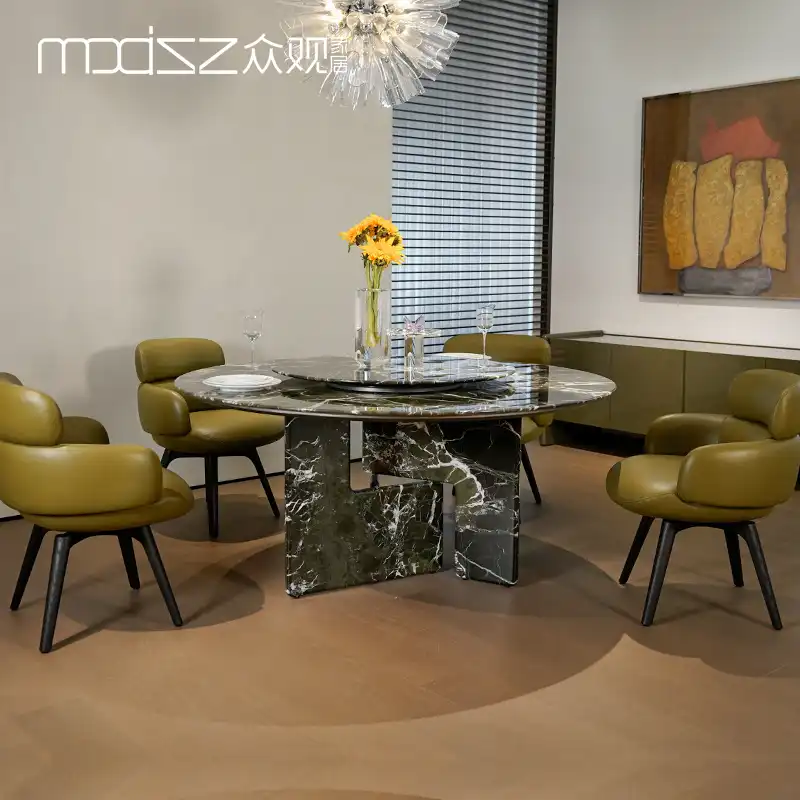
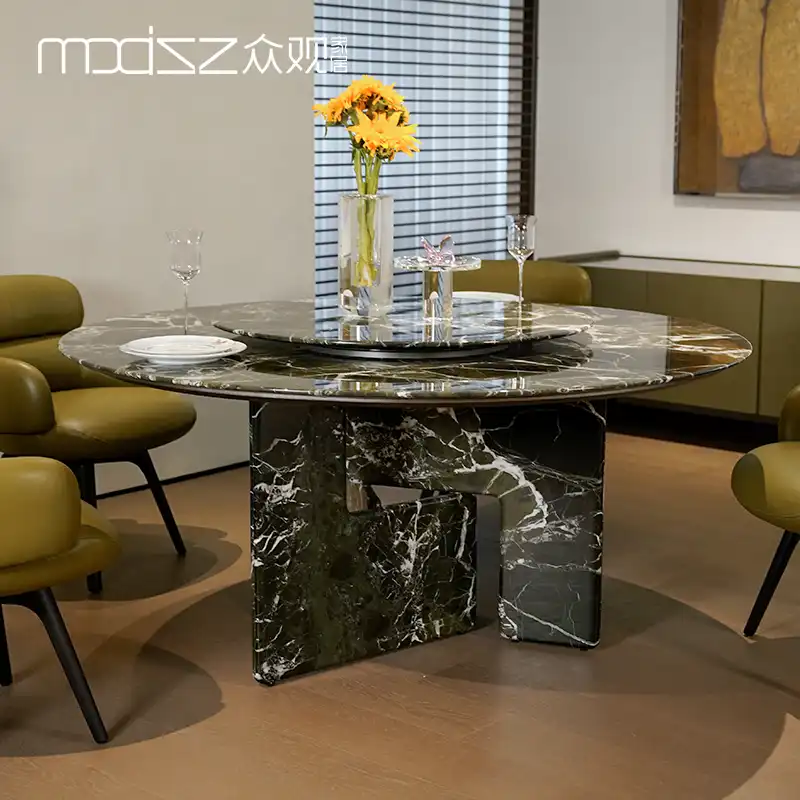
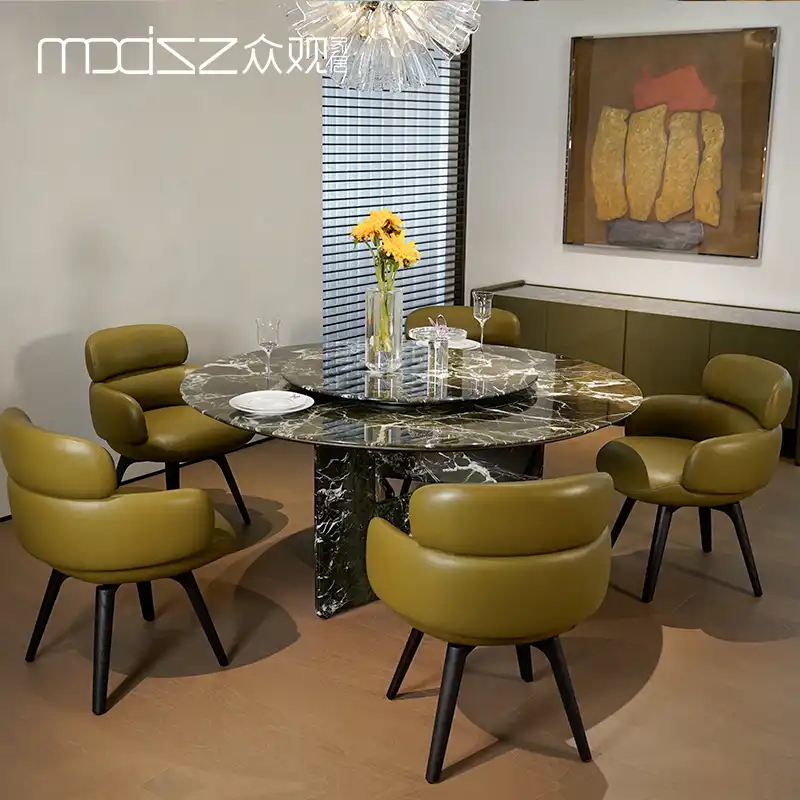
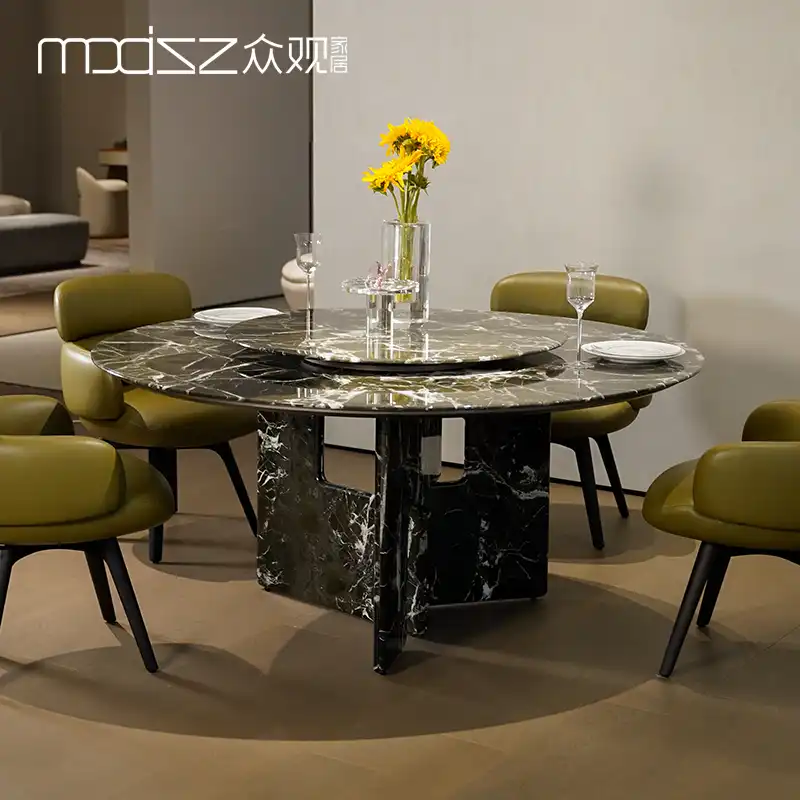
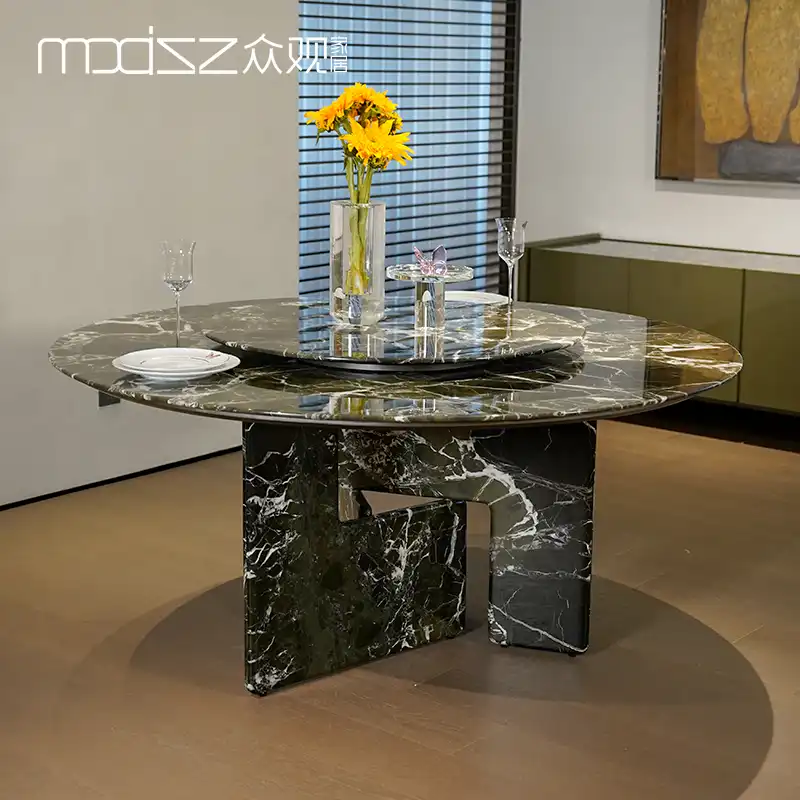
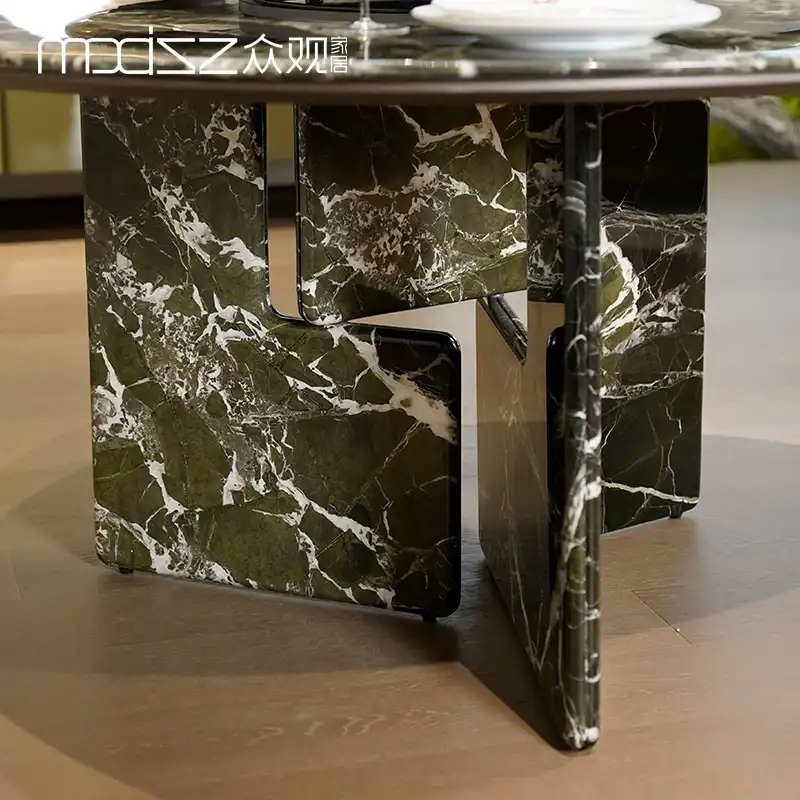
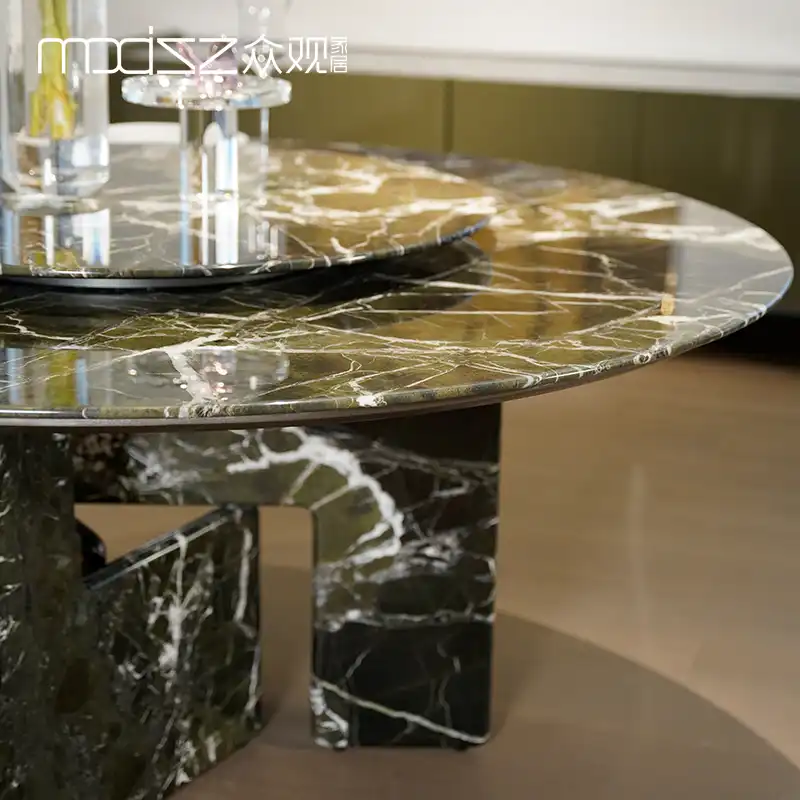
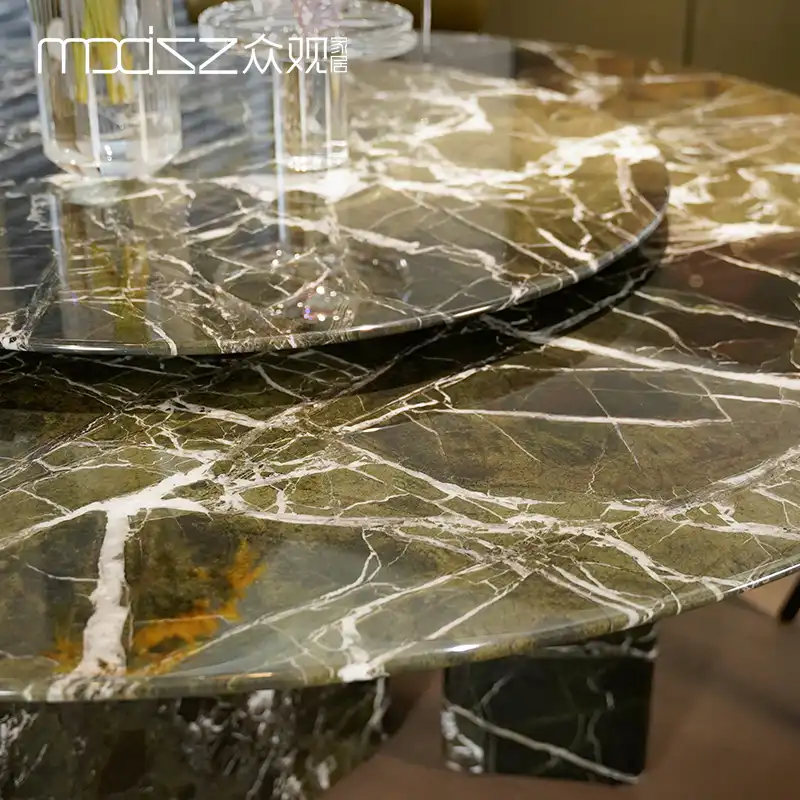
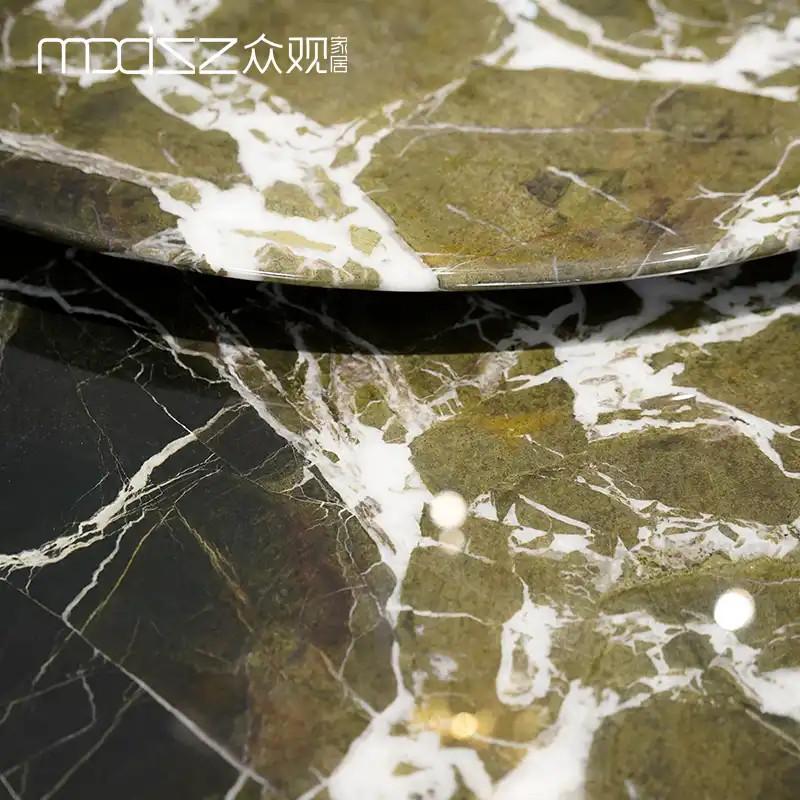
Our Nicodining-table is a modern piece of furniture that combines high-quality marble construction with refined design aesthetics to meet the needs of both business and residential spaces. This table has a marble top and measures 1600mm by 760mm in its normal shape. The natural veining patterns in the marble make each piece unique. The product is made in Foshan, China, and its design focuses on both style and longevity. The sizes and colors can be changed to meet the needs of different projects. The table is made with precisely-cut marble surfaces and reinforced structural elements. It has a luxurious look and is reliable, which makes it appealing to procurement workers who are looking for flexible furniture solutions.
Understanding the Nico Dining Table: Design and Materials
When looking at investments in furniture for commercial projects or store stock, it's important to know the main design philosophy and the materials that are used so that we can make smart buying choices. The marble dining table we're talking about is an example of a design style that values clean lines, real materials, and the ability to fit into a variety of indoor settings.
Design Philosophy and Aesthetic Integration
The framework of this marble dining solution is based on modern minimalist ideas, but it still has enough personality to be the focal point of reception areas, residential developments, and store displays. The 1600mm length makes it easy for six to eight people to sit, so it can be used for both small dining rooms and shared workspaces. The 760mm width is a good compromise between using space efficiently and having enough useful surface area. It allows for place settings without taking up too much space in the room. This three-dimensional thinking shows that you understand the real-world room limitations that real estate developers and interior designers face when they work with different architectural parameters.
The table's visual language is communicated through the natural beauty of its marble surface, not through ornamentation. Natural stone veining adds a natural visual interest that is different from piece to piece and gives each installation its own personality. This trait is especially useful for designers who want to make different parts of a development project stand out while keeping the general design consistent. Because the table is made of neutral materials, it can go with a wide range of color schemes and furniture types, from Scandinavian-style rooms to more traditional hospitality settings.
Material Composition and Sourcing Standards
The choice of material has a direct effect on both how the business furniture looks and how well it works in the long run. The marble used in this eating table is carefully chosen so that the quality and look are the same from one production run to the next. The stone comes from well-known quarries and has a density that makes it last longer in normal use situations like those found in restaurants, hotel dining rooms, and homes.
The marble surface is treated in a special way to make it more resistant to problems that often happen in eating areas. A protective finish makes it less likely that spills will stain, so you can wait longer between professional repair services. This practical point of view addresses a major worry of hospitality procurement teams that look at furniture based on its lifecycle costs instead of just its purchase price. The treated marble surface is resistant to heat, so serving dishes can be put down without the need for protective barriers. This makes service easier in business dining settings.
The engineered materials used for the structural parts under the marble top were chosen for their sturdiness and ability to hold weight. The strengthened base design makes sure that the Nico dining-table stays in place even if the floor isn't level, which can happen when installing furniture in older buildings or during quick construction projects. This engineering care shows that people know what it's like for property management teams and installation contractors to work with short project deadlines.
Customization Capabilities for Project-Specific Requirements
Standardized measurements can't work for every project, so the manufacturing method includes flexible ways to change the size and finish requirements. When purchasing furniture for model apartments, boutique hotel concepts, or business dining facilities, procurement teams can request different sizes to make the best use of space in their specific floor plans. This flexibility gets rid of the need to make compromises when choosing furniture from a rigid list.
Customizing colors goes beyond just changing the finish. You can also choose from different types of marble, each with its own veining patterns and background tones. When working on branded hospitality projects or high-end home developments, designers can choose marble that matches well-known color schemes and material standards. This level of specification control helps keep the brand consistent across various locations while still getting the benefits of working with a well-known manufacturing partner in terms of efficiency.
Edge profile choices offer more ways to improve the look, giving designers more ways to match the surrounding architectural features with finishes that are polished, honed, or brushed. Precision cutting technology is used during manufacturing to make sure that the edges are clean and uniform, meeting the quality standards of picky procurement professionals who are looking at samples during the specification process.
Comparative Analysis: Nico Dining Table vs Other Market Options
To place furniture purchases in the context of the competition, you need to objectively evaluate how certain products offer value compared to other options in the procurement marketplace. There are clear benefits to the marble eating table when compared to both cheaper options and more expensive ones from competitors.
Material Quality and Craftsmanship Differentiation
A lot of mass-market dining tables are made from laminates or composite materials that look like real stone but are cheaper to make. The prices of these options are better right away, but they don't feel as real and don't age as well as real marble. Over time, the natural stone surface gets a sheen that many designers see as adding character rather than lowering its value. This pattern of aging is very different from laminate surfaces, which usually show wear through edge chipping and surface scratches, meaning they need to be replaced instead of being fixed.
When compared to high-end competitors that use similar marble building, the manufacturing methods used produce similar quality results while keeping the prices low enough for bulk purchases. Precision cutting technology makes sure that all areas are smooth and that all parts are the right size, which makes installation easy and doesn't require any changes to be made in the field. Individual inspection of marble slabs for structural integrity and aesthetic consistency is part of the quality control methods used throughout production. This lowers the chance of getting substandard pieces that cause projects to be finished later than planned.
Long-Term Value Proposition and Lifecycle Considerations
Total cost of ownership calculations are becoming more and more important in procurement choices, rather than just looking at the initial cost of purchase. In comparison to veneer or laminate alternatives, natural marble building lasts longer because it is more durable. Hospitality owners who usually replace dining room furniture every five to seven years could get ten to fifteen years of use from well-kept marble tables, which would completely change the economic situation.
Cleaning marble surfaces with pH-neutral solutions and finishing them every so often are the only things that need to be done to keep them stain-resistant. This way of maintaining tables is better than using wood veneer tables, which need professional refinishing services, or laminate tables, which don't have a useful way to be fixed. Property management teams that are looking at operational costs like how easy it is for regular housekeepers to follow the care directions for marble without having to get special training or buy expensive tools.
The ability to resell or repurpose natural marble furniture is an extra economic factor that developers and hotel owners should think about when planning for future property renovations or idea changes. Good marble tables have a lot of value left over on secondary markets, which could help cover the cost of replacements during renovations. This quality is especially useful for real estate developers who set up model homes and then use the show furniture for other things later on.
Design Versatility Across Project Typologies
When choosing furniture for commercial jobs, it's often necessary to make sure that it looks good in a number of different settings. This marble dining set can be used in household, hospitality, and business settings without looking out of place because the material is neutral and the proportions are well-balanced. Cross-category applicability makes it easier for interior designers to keep furniture specifications uniform across mixed-use developments. It also makes it easier to negotiate volume discounts and coordinate purchases.
The table is simple enough that it can work well as both the main focus of a design plan and a supporting element in more complex decorations. For a memorable dinner experience, boutique hotels can pair the Nico dining-table with unique chairs and lighting to make it stand out. On the other hand, serviced apartment owners may like its simple elegance as a background for personalization by tenants. This functional range simplifies inventory for furniture stores and shops that want to get the most out of their small floor space.
Practical Guide to Procuring Nico Dining Tables
For commercial furniture projects, the buying process includes coordinating a lot of different logistical issues while making sure that the product specifications match the needs of the project. Understanding the different ways to source goods, how prices work, and how to send them makes the buying process more efficient.
Sourcing Channels and Supplier Engagement
There are several benefits to building relationships with manufacturers that offer direct procurement methods instead of navigating complex distribution networks. Direct engagement lets procurement teams talk about specific customization needs, set up delivery times that work with building plans, and negotiate prices that are right for the size of the project. The maker has a 20,000-square-meter showroom in Foshan, Guangdong, where procurement professionals can look at samples of products, judge the quality of the construction, and talk with technical staff about changing specifications.
Minimum order sizes that are flexible enough to fit both small private projects and large-scale development contracts are good for buying in bulk. The policy of a single-piece minimum order lets designers choose the marble table for high-end residential units without having to worry about artificial quantity limits. At the same time, bulk pricing makes the product affordable for furnishing whole hotels or apartment buildings. This ability to grow is due to the fact that the company has a 50,000-square-meter production center that can handle different order volumes without affecting delivery times.
Pricing Frameworks and Budget Planning
Buying commercial furniture is done within the limits of a budget that was set during the planning stages of the project. When procurement teams know the cost drivers that affect prices, they can make more accurate budget allocations and look for chances to add value. The least expensive options are standard configurations using widely available marble types and stock sizes. This means that they can be used for projects with limited budgets or that need to be delivered quickly.
Requests for customization that include non-standard sizes, specialized marble choices, or specific finish requirements cause prices to change gradually due to higher material costs and more difficult manufacturing processes. Being clear about how these changes affect the end price helps designers make choices about specifications that balance their desire for beauty with the limitations of their budget. Volume discounts are given on all orders, and the amounts of the discounts are set up to encourage combining multiple spaces into a single purchase order instead of splitting up procurement into multiple transactions.
The payment terms are set up to work with the way cash flows during commercial building projects. For example, deposit amounts and billing based on milestones are based on the stages of the project. This financial freedom is especially helpful for developers who are working on multiple projects at the same time or for hotel owners who are planning phased renovations across multiple properties.
Logistics Coordination and Delivery Planning
Because of how marble furniture is made, buying teams have to think about certain logistics issues when planning the schedule for a project. Standard lead times start at six weeks, but can go longer based on how complicated the order is and where it is in the production queue when the order is placed. When coordinating furniture deliveries with building completion dates, procurement managers should talk to suppliers early on in the project to make sure there is enough time for changes to happen.
Shipping methods take into account how heavy and fragile marble parts are by using protective packaging systems that keep them from getting damaged during foreign shipping and the last mile of delivery. When an order comes from outside of the United States, the company handles the customs paperwork and works with receiving sites to make sure deliveries happen at the right times. This all-around transportation help makes things easier for procurement teams that are already dealing with a lot of different vendors on a wide range of complicated projects.
Why Choose This Marble Dining Solution? Manufacturing Excellence and Support Infrastructure?
Supplier selection choices extend beyond product specifications to encompass manufacturing capabilities, quality assurance systems, and ongoing support structures that impact project success and long-term satisfaction.
Manufacturing Heritage and Quality Systems
MDAZZ Furnishings is based in Foshan, Guangdong, which is known around the world for its skill in making furniture and well-established supply chain infrastructure. Since it started in 2018, the company has built up a set of skills that cover design development, production execution, and quality control for a wide range of furniture types. Using intelligent ERP systems lets you digitally manage the whole production process, which helps procurement teams keep track of materials and see where the production is at all times, especially when they have to work with short project deadlines.
6S management standards are followed in production sites. These standards stress organizing, cleaning, and standardizing processes in the workplace. These operational standards help keep quality high across production runs and reduce the variation that can make it hard to buy furniture for projects that need precise matching across multiple delivery phases. The 50,000-square-meter plant has separate areas for making upholstered, panel, hardware, and high-end luxury furniture. This creates economies of scale that allow prices to stay low while quality standards are maintained.
Throughout the manufacturing process, quality control measures are built in. These include inspecting incoming materials, checking the accuracy of dimensions while the parts are being made, testing the stability of assembled parts, and final inspection steps before they are packed up and sent out. Before it is fabricated, each marble slab is checked for structural stability and consistency in appearance. This makes sure that only materials that meet standards go into production. This organized method lowers the number of quality problems that can cause projects to be late and hurt relationships with suppliers.
Customization and OEM Capabilities
The infrastructure for manufacturing supports many customization pathways that let procurement teams choose products that meet the specific needs of a project instead of changing designs to fit the limits of a catalog. Three-dimensional design makes it easy to see how proposed changes will look right away, so designers can think about their choices before committing to production. Prototyping services let you make test pieces that you can approve before moving on to mass production. This lowers the chance of mistakes about the specifications that could lead to expensive fixes.
Furniture stores, hotel brands, and developers who want to create their own lines of products that set them apart in competitive markets find OEM service options to be especially useful. The manufacturer can carry out designs created by customer design teams, overseeing production while protecting the privacy of secret specifications. This partnership model lets clients take advantage of established manufacturing skills and quality systems while still having creative power over the creation of new products.
Scalability is the ability to handle both small-batch customization and high-volume standard production. This lets client relationships change over time. When projects go well and reorder trends form, initial contracts for small amounts can grow into long-term supply agreements. This growth path aligns the interests of both the supplier and the client, which leads to long-term relationships based on performance rather than just contractual duties.
Support Infrastructure and Service Commitment
Support systems after the sale have a big effect on the total ownership experience and should be a big part of how suppliers are judged. Procurement teams can get project updates, work out delivery changes when construction plans change, and talk about any problems that come up during installation or initial use with responsive communication channels.
Technical support tools help installation teams and property management staff with questions about how to put things together, how to do maintenance, and how to fix any performance problems that come up. This easy access to knowledge is especially helpful for procurement teams working on projects in markets that are far from where the products are made, where there may not be many local technical experts who know about those goods. Each shipment comes with a lot of information, like how to put the product together, how to keep it in good shape, and the terms of the warranty. This information is meant to help with the successful distribution of the product.
The dedication to making the customer happy goes beyond the completion of the original sale and includes ongoing relationship building that takes into account the possibility of working together on future projects. People who are in charge of buying furniture for a lot of properties or stores can save time and money by building relationships with reliable suppliers. This makes future buying easier and makes sure that the quality of the products and the speed with which they are delivered stay consistent.
Conclusion
The Nico dining-table that was looked at in this analysis is a great choice for professionals who want to buy something that looks good and lasts a long time in residential, hospitality, and business settings. Its foundation in high-quality natural materials, along with its ability to be customized and competitive manufacturing, puts it in a good place in the furniture procurement landscape. The proportions work in a variety of room sizes, and the basic color scheme and materials go with a wide range of design styles. Modern production infrastructure and quick customer service frameworks, along with manufacturing quality systems, give projects the dependability they need to be completed successfully. If procurement teams are looking at options for upcoming projects like new buildings, renovations at hotels, or more stock in stores, this marble answer should be carefully considered along with other options on the market.
FAQ
Why does marble construction offer advantages over alternative table materials for commercial applications?
Natural marble provides exceptional durability that translates to extended service life in high-traffic environments typical of restaurants, hotels, and corporate dining facilities. The material resists scratching, maintains its structural integrity under regular use, and can be professionally restored rather than replaced when refinishing becomes necessary. The authentic appearance and tactile quality of natural stone communicate quality to end users in ways that simulated materials cannot replicate, supporting brand positioning strategies for hospitality operators and luxury residential developers.
What customization options exist for projects requiring non-standard specifications?
Dimension modifications accommodate specific spatial requirements, allowing procurement teams to optimize table sizing for available floor areas. Color selection across different marble varieties enables coordination with established design palettes and material standards. Finish options including polished, honed, and brushed surfaces provide aesthetic flexibility, while edge profile customization allows designers to specify details that complement surrounding architectural elements. Manufacturing capabilities support both minor specification adjustments and comprehensive custom development for projects requiring proprietary solutions.
What lead times should procurement teams anticipate when planning furniture delivery schedules?
Standard configurations typically require six weeks from order confirmation to delivery readiness, though complex customization requests or large-volume orders may extend this timeline. Production scheduling depends on current queue status and material availability at the time of order placement. Procurement managers coordinating furniture deliveries with construction completion dates should engage suppliers early in the project timeline to establish realistic schedules and build appropriate buffer periods. Direct communication with manufacturing teams provides visibility into production status and enables proactive coordination of any schedule adjustments that may become necessary.
How does the warranty structure protect procurement investments?
Comprehensive warranty coverage addresses manufacturing defects and material failures that may emerge during normal use conditions. The specific terms outline covered scenarios, claim procedures, and remedy options including repair, replacement, or credit against future purchases depending on the nature of the issue. This protection framework provides recourse for procurement teams should quality concerns arise, though the robust quality control systems implemented during production minimize the incidence of warranty claims. Detailed warranty documentation accompanies each shipment, clearly outlining coverage parameters and claim submission procedures.
Partner with MDAZZ Furniture for Your Marble Dining Table Requirements
MDAZZ Furniture invites procurement professionals, interior designers, and project managers to explore how our manufacturing capabilities and product offerings can support your upcoming furniture requirements. As an established Nico dining-table supplier with comprehensive customization services, we welcome inquiries regarding bulk pricing structures, specification modifications, and delivery coordination for projects of all scales. Our team stands ready to provide detailed product catalogs, arrange showroom visits at our Foshan facility, or coordinate sample shipments to support your evaluation process. Contact us directly at shiyingfan826@gmail.comto discuss how our expertise in marble furniture production can contribute to the success of your next development, renovation, or retail initiative.
References
Chen, W., & Liu, X. (2022). Material Selection in Contemporary Furniture Design: Balancing Aesthetics and Durability. Journal of Interior Design Research, 47(3), 112-128.
Davidson, R. (2021). Procurement Best Practices for Hospitality Furniture: A Comprehensive Guide for Project Managers. Hospitality Design Publishers.
International Furniture Manufacturing Association. (2023). Quality Standards and Testing Protocols for Commercial Dining Furniture. IFMA Technical Bulletin 2023-07.
Morrison, K., & Zhang, L. (2022). Lifecycle Cost Analysis of Natural Stone versus Engineered Materials in Commercial Interiors. Building Economics Quarterly, 38(2), 45-62.
Peterson, J. (2023). Global Furniture Supply Chain Management: Strategies for Efficient Procurement and Logistics Coordination. International Trade Press.
Williams, S., & Thompson, H. (2021). Maintenance and Care of Natural Stone Surfaces in High-Traffic Environments. Facilities Management Journal, 29(4), 201-215.
Related Blogs