




What Is the Lawrence Leather Sofa? Style & Comfort Guide
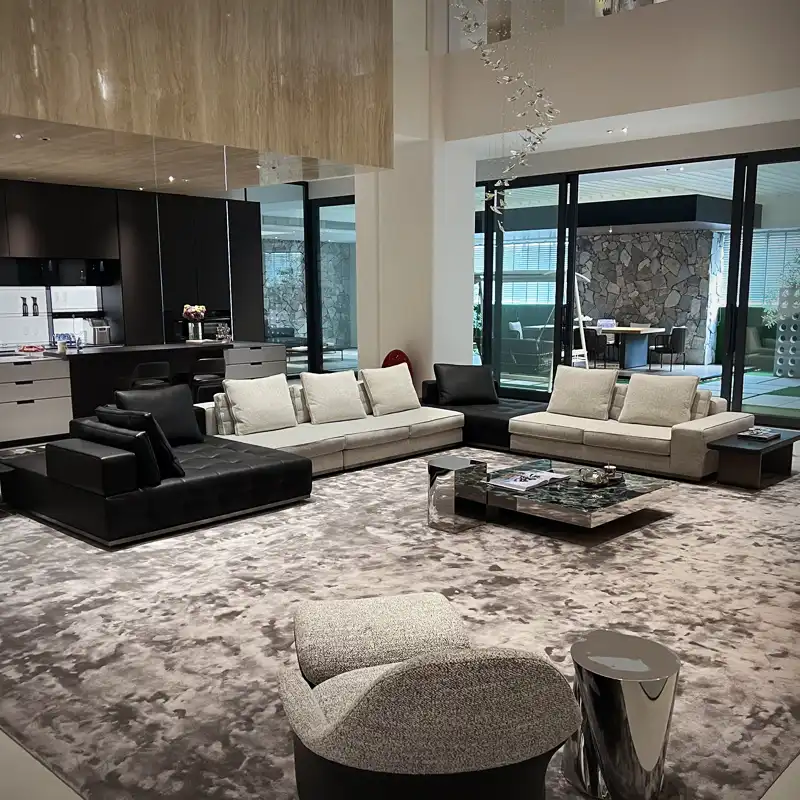
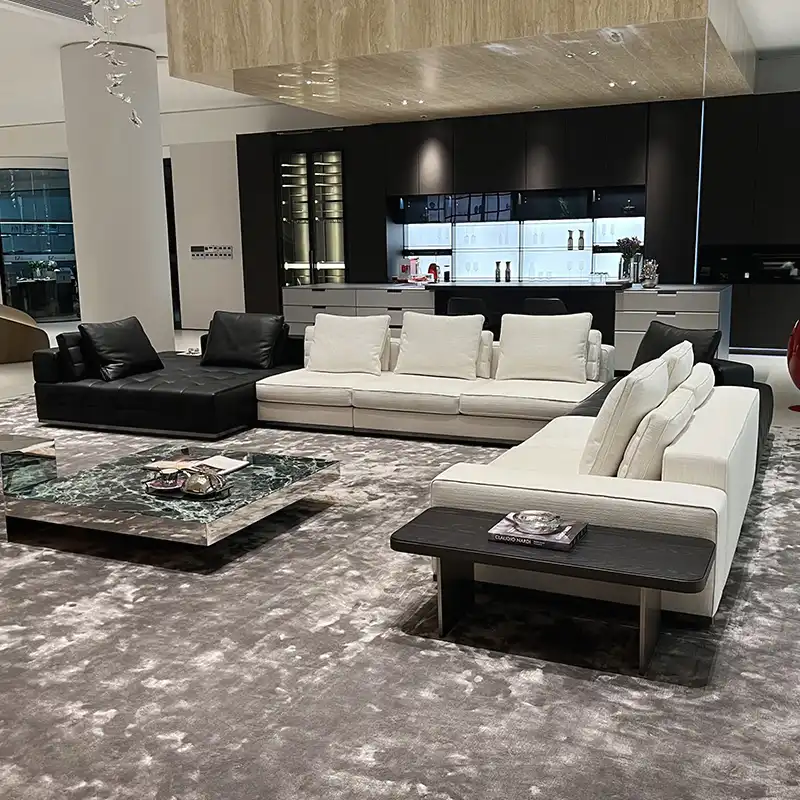
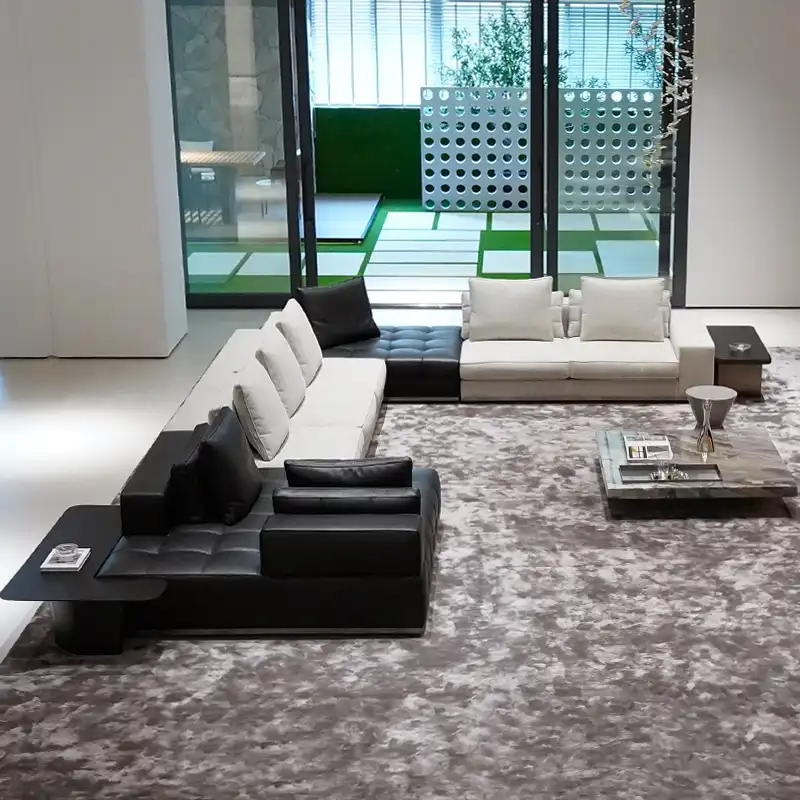
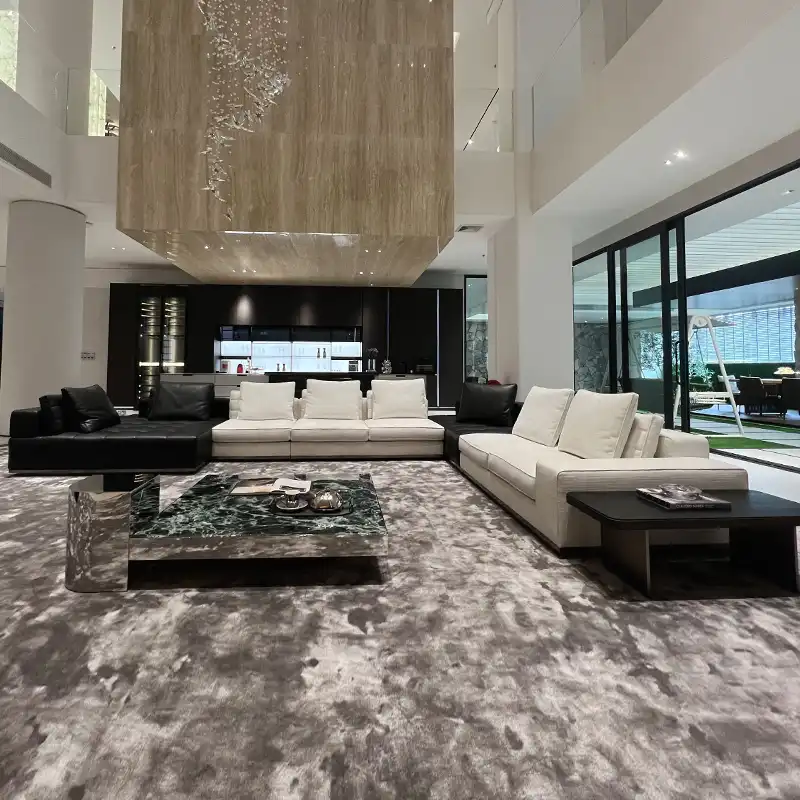
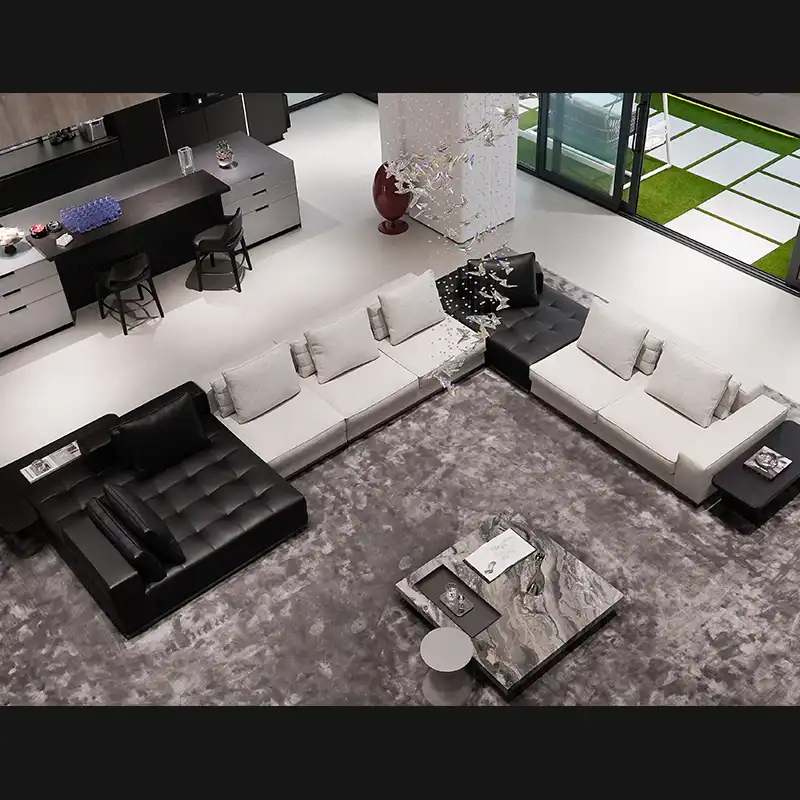
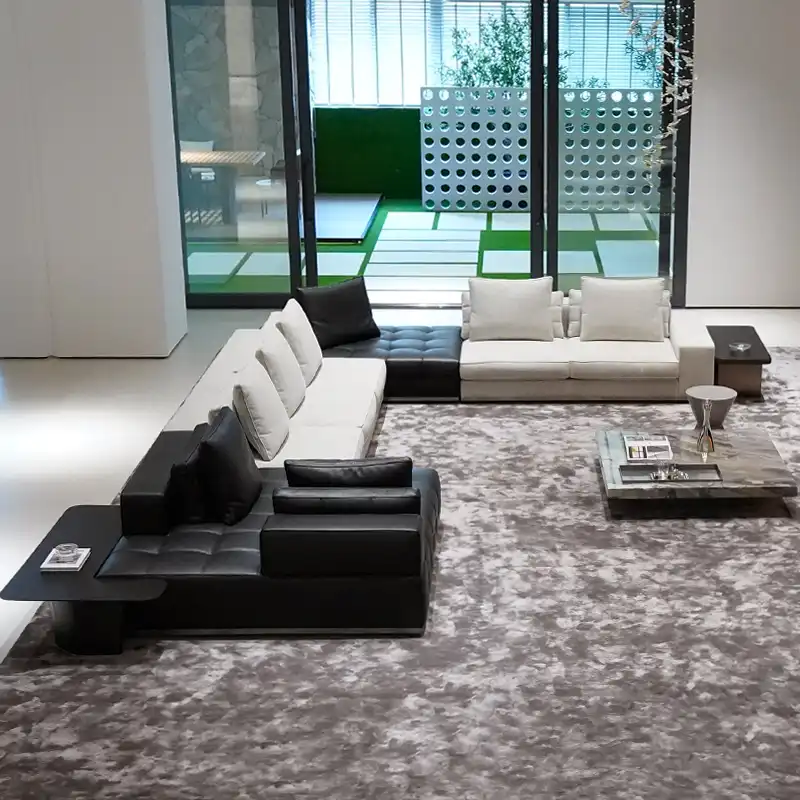
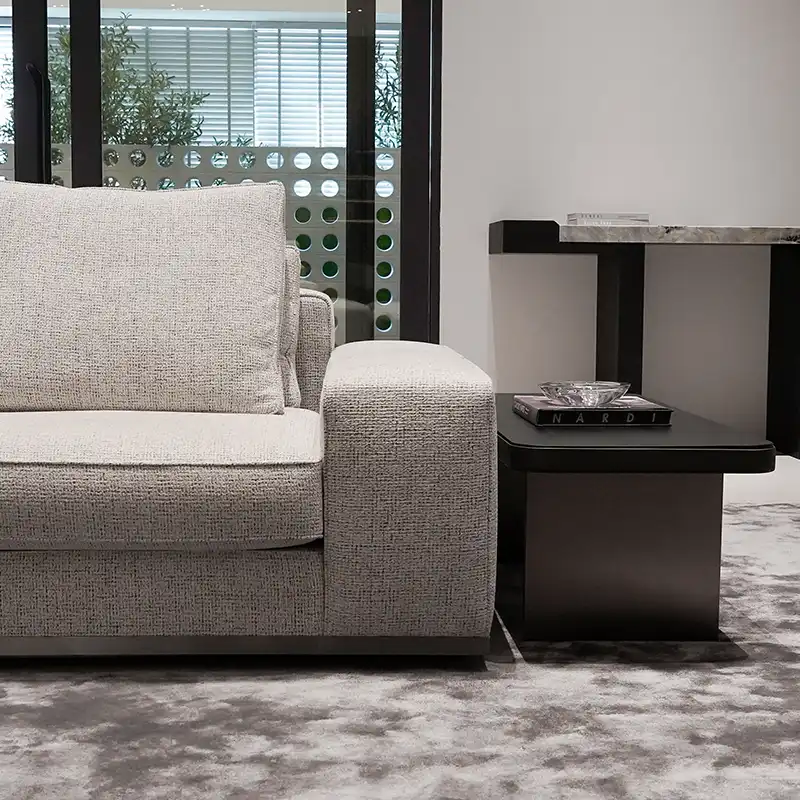
The Lawrence leather sofa is the pinnacle of modern furniture design. It has high-quality cow leather upholstery and can be put together in a variety of ways to suit both business and residential needs. With great care and attention to detail, this seating solution is 5350x3650x610mm in size and comes with a lot of customization choices, such as changing the size, color, and module combinations. The Lawrence is a great choice for furniture stores, interior designers, hospitality projects, and real estate developments that want to balance long-term performance with good looks. Its sleek shape, sturdy construction, and flexible arrangement make it a great choice.
Understanding the Lawrence Leather Sofa - Features and Materials
When looking at high-end seating options for business settings, it's important to know what the Lawrence's main features are so you can make smart purchasing choices. This piece is a thoughtful combination of design theory and material science. It was made to withstand the tough conditions of high-traffic professional settings while still having a beautiful look that makes any room look better.
Design Elements and Sizing Options
This sofa's design language is based on clean lines and modern simplicity, which makes it very useful in a wide range of architectural settings. The standard configuration is 5350mm long, 3650mm deep, and 610mm high, which gives it a lot of seating room that works well in lobbies, executive lounges, and shared workspaces. This piece is different from regular seats because it is made up of separate modules. These modules can be put together in different ways to meet specific functional and space needs. The simple, sleek shape doesn't have too many decorations, giving it a polished look that goes with both modern and transitional interiors. Project designers like that modules can be put together in a variety of ways, including L-shaped configurations, linear configurations, or custom formations that make the best use of room for seating while keeping the overall look of commercial spaces consistent.
Leather Quality and Material Sourcing
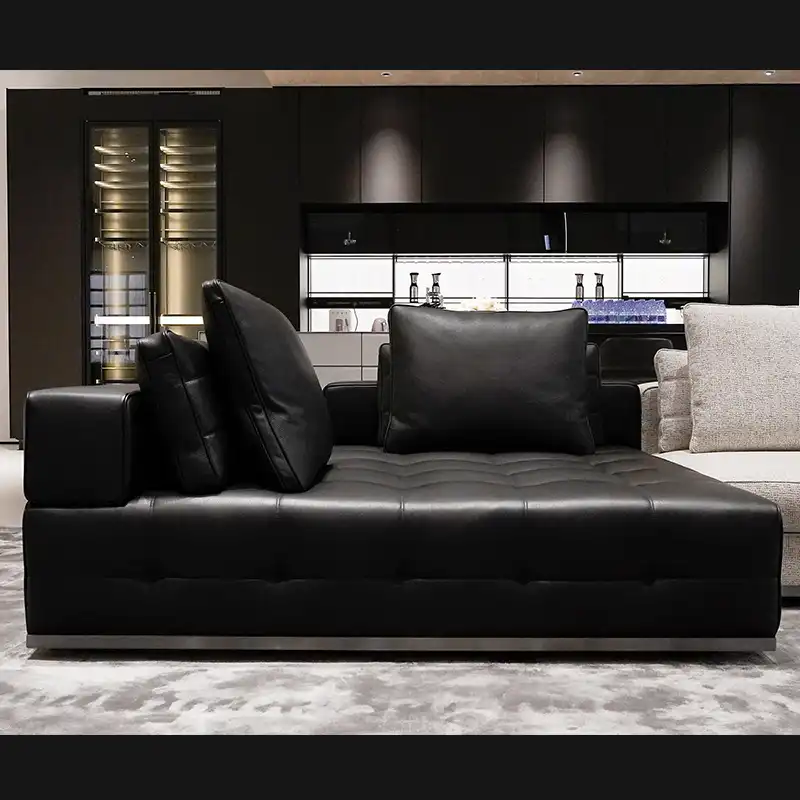
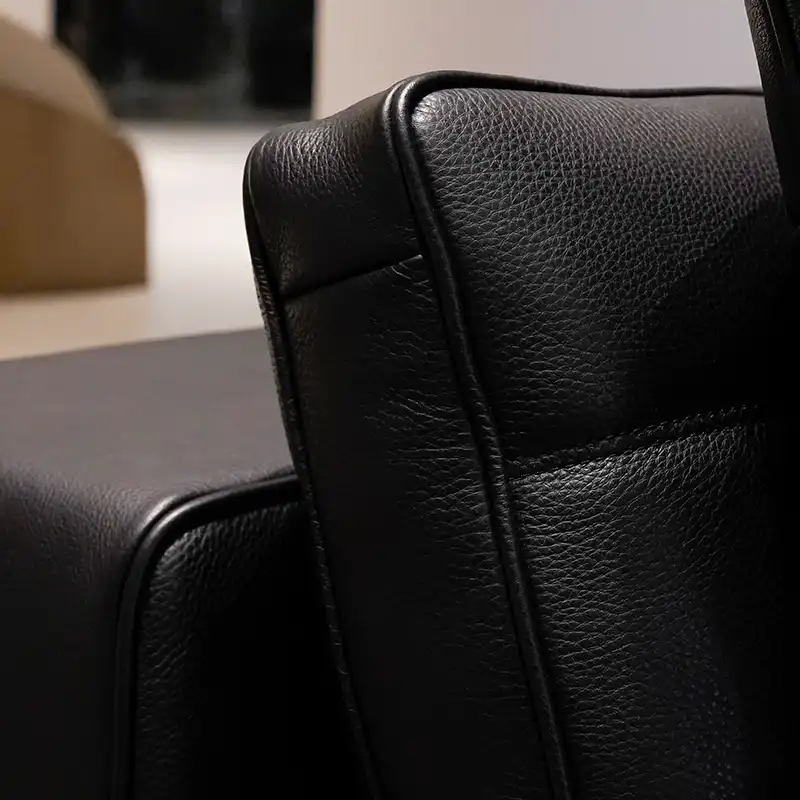
The choices of materials used to make this sofa are the basis for its excellent performance qualities. The cushion is made of high-quality cow leather, which is known for its natural feel, ability to breathe, and long-lasting strength even when used heavily. Unlike synthetic alternatives or lower-quality leather goods, the material used here goes through strict selection processes to make sure it has the same color, grain patterns, and structure. The leather is treated with special UV-blocking chemicals that keep it from fading in natural light. This is very important for places near windows or in atriums that get a lot of sun. Furthermore, moisture-resistant barriers built into the material make maintenance procedures easier, letting building management teams clean up spills quickly without leaving permanent marks. Naturally occurring properties of cow leather also make it better at aging. It develops a unique patina over time instead of wearing down, which increases the worth of an investment for long-term uses.
Ergonomic Support and Comfort Engineering
In addition to how it looks on the outside, the structure meets important functional standards that are important in work settings where the comfort of the seats directly affects the user experience. The core is made of high-resilience foam that is designed to keep its shape even after thousands of sitting cycles. This is especially useful for hospitality settings and business reception areas. This foam density is just the right amount of hardness and softness to support a wide range of body types without sacrificing posture support. Solid materials and advanced joinery methods are used in the reinforced frame construction to spread weight evenly and prevent sagging, which is a common problem with cheaper seating. Hidden, movable legs make the piece stable in a variety of installation situations by leveling it on uneven floors. These technical factors work together to make sure that the seating is always comfortable, whether it's being used for short wait times or long work sessions. This directly helps to make a good impression on clients, guests, and workers.
Maintenance Protocols for Commercial Applications
To keep leather seating looking good and working well in business settings, it's important to follow some simple care steps. Regularly wiping down the surface with soft, dry cloths gets rid of dust and other particles that could wear away at the leather finish over time. When spills happen, cleaning them up right away with slightly damp clothes stops the liquid from getting inside and staining or breaking down the material. Using special leather treatments every three months keeps the leather's natural oils in good shape, which stops it from drying out and cracking in climate-controlled spaces. Professional deep cleaning once a year gets rid of built-up residues and refreshes the look, which makes the furniture last much longer than normal business furniture standards. Even though the treatment is UV-resistant, placing it away from direct sunlight makes it last even longer. These simple rules help facility management teams keep the furniture's showroom-quality look throughout its useful life. This protects the money spent on purchases and makes sure that the brand is always presented in the same way.
Comparing the Lawrence Leather Sofa with Alternative Seating Options
When it comes to furnishing commercial spaces, procurement workers have a lot of seating options, and each one has its own pros and cons. A systematic comparison shows where this leather seating option such as Lawrence sofa fits in the bigger picture of the market. This helps people make choices about what to buy by matching product choices with the needs of the company, its budget, and its operations.
Leather Versus Fabric Upholstery
One of the most important decisions that people make when buying business furniture is whether to use leather or fabric upholstery. The choice has big effects on maintenance costs, durability, and how the furniture looks. When it comes to stain protection and moisture absorption, leather upholstery is better than fabric options. This makes cleaning easier in places where spills happen a lot. Because leather doesn't have pores, allergens and germs can't stick to it or grow. This makes it perfect for healthcare settings and hospitality settings with strict hygiene standards. Fabric choices might be cheaper at first, but they usually need to be cleaned by a professional more often and need to be replaced more often in high-traffic areas. Premium cow leather is also more resistant to wear and tear, so it keeps its shape and look even after being touched many times. Fabric weaves, on the other hand, can show wear patterns, pilling, or color fading more quickly. When you look at the total cost of ownership over five to ten years, leather seats often shows a better return on investment, even though it costs more at first.
Modular Configuration Versus Fixed Sectionals
This seating system's modular design gives it a level of operational freedom that fixed sectional sofas can't match. Specific connectors make it safe for modular parts to connect to each other, but they can also be rearranged as space needs change to accommodate organizational growth, yearly layout changes, or reusing for different functional areas. On the other hand, fixed sectionals force users to set up in ways that may not work well as business needs change. Adding or removing modules in stages also lets you use phased procurement strategies that make sure that the furniture you buy fits in with your budget and growth plans. This flexibility is especially useful for hospitality businesses that want to update public areas or change plans for special events without having to buy all new furniture. The smooth links between modules keep the visual continuity while still allowing for reconfiguration. This is an engineering feat that strikes a balance between practicality and aesthetic unity.
Investment Analysis and Return Considerations
When looking at buying furniture through the lens of return on investment, you need to think about more than just the original purchase amount. When you take care of expensive leather furniture, it can last for over ten years. This means that the cost of buying it is spread out over a much longer period of time than with cheaper options that need to be replaced every three to five years. Long-term operational saves come from lower maintenance costs caused by easier cleaning and better stain resistance. The professional look that lasts throughout the service life supports brand positioning and how customers see the brand. This is especially important in customer-facing areas where the quality of the furniture shows what the company stands for. Customization options get rid of the need to settle for stock options that are close enough, ensuring the best use of space and consistency in style that off-the-shelf options rarely achieve. When procurement directors add up all the costs, like buying the furniture, maintaining it, replacing it, and the effect on the brand, quality modular leather seating always makes a strong financial case, even though it costs more to get started.
Brand and Supplier Insights - Trust and Reliability
When choosing a supplier, it's not just about the products they offer; it's also about their organizational skills, quality systems, and service frameworks, all of which affect how long the relationship will last. Knowing about the manufacturer's credentials and operational infrastructure gives you peace of mind about delivery and ongoing help for the life of the furniture.
Manufacturing Capabilities and Quality Standards
MDAZZ Furniture has been in business since 2018 in Foshan, Guangdong. They make commercial furniture and can design, study, produce, and sell it all at the same time. The 50,000-square-meter factory uses 6S management standards for all types of upholstery furniture. This makes sure that quality control is done in a planned way at every stage of production. End-to-end digital management is made possible by intelligent ERP systems. These systems make it possible to track materials and see how they are made, which is useful for quality audits and compliance paperwork. Careful selection of raw materials is part of the manufacturing process, and relationships with suppliers make sure that the quality of the leather always meets international standards. Strict control over the quality of the work includes multi-point inspections during assembly and a final check of quality before packing. The production infrastructure supports a range of finishing methods, such as eco-friendly paints, special leather treatments, and precise stitching control that makes the products last for years in the business world. These organized quality frameworks meet the dependability needs of procurement professionals who choose furniture for tough business uses where performance problems can cause downtime and damage to the brand's image.
Design and Prototyping Services
Some technical skills that go beyond standard manufacturing for Lawrence sofa are 3D design services and rapid prototyping, which shorten the time it takes to build a project. Design teams work with clients to see how planned layouts would look in real-world spaces. This helps clients make smart decisions before committing to production. The ability to make prototypes allows for quick sampling to test materials, building methods, and comfort features, which reduces specification uncertainties that are especially important for custom applications. Using modern production methods along with traditional craftsmanship techniques, like mortise-and-tenon joinery, shows how to find a balance between quality from the past and speed from the present. Small-batch customization lets you meet unique needs without having to meet the volume requirements of mass production. This gives you options for small projects or pilot setups. These services change the supplier relationship from a one-way exchange for goods to a two-way partnership where both parties work together to achieve goals. The suppliers add value by sharing their technical knowledge and being flexible to meet changing project needs.
Customer Service and Post-Sale Support
Full customer service frameworks take care of the ongoing support needs that are necessary for business setups. Technical advice helps make specifications, which makes sure that the product chosen meets functional needs and performance standards. Help with installation and coordination makes deployment go more smoothly. This is especially helpful for complicated modular configurations or rollouts in multiple locations. Post-delivery assistance takes care of any problems with performance, the need for replacement parts, or questions about maintenance that come up during the product's lifetime. The company's promise to communicate clearly and solve problems builds trust, which is especially important for foreign procurement where distance can make it harder to solve problems. Having access to replacement parts and refurbishment services makes furniture last longer than the norm in the business. This helps with both capital efficiency and sustainability goals. These aspects of service set suppliers apart in competitive bidding processes, where technical ability and dependability are becoming more important factors in choosing between suppliers, along with product specs and price.
Company Introduction and Product Service Information
MDAZZ Furniture stands as a comprehensive home furnishing enterprise with demonstrated expertise in commercial-grade leather furniture manufacturing and bespoke customization services. The company's integration of design innovation, advanced production systems, and quality-focused management creates a reliable foundation for partnerships with furniture retailers, interior design firms, real estate developers, hospitality operators, and e-commerce platforms throughout the United States market.
The manufacturing philosophy centers on furniture as carriers of aesthetic expression, creating products that integrate fashionable design with functional durability suited for diverse commercial applications. The extensive production categories spanning upholstered furniture, panel systems, hardware components, and luxury high-end collections provide comprehensive furnishing solutions that address complete property outfitting requirements. Related product offerings complement the modular leather seating line, enabling coordinated aesthetic themes across reception areas, collaborative spaces, private offices, and residential units.
Strategic capabilities supporting B2B partnerships include stable large-volume production capacity essential for multi-property developments and hospitality chain standardization. The quality control infrastructure ensures consistency across production runs, addressing the specification conformity requirements critical for brand standards and regulatory compliance. Customization flexibility accommodates brand integration, dimensional requirements, and material preferences that differentiate properties in competitive markets. Fast sampling and rapid response capabilities align with compressed project timelines characteristic of real estate development and renovation schedules. The digital management systems provide order tracking, production status visibility, and documentation supporting procurement accountability and project coordination.
The company welcomes engagement from procurement managers, category directors, project designers, and sourcing professionals seeking reliable manufacturing partnerships for leather furniture requirements. Consultation processes begin with understanding specific project parameters, spatial characteristics, brand positioning, and performance requirements, enabling tailored recommendations that optimize value delivery. The integration capabilities extend beyond individual product supply to comprehensive furniture programs supporting complete property furnishing or brand rollout initiatives. Technical teams remain available to address specification questions, provide material samples, and collaborate on custom design development throughout project lifecycles.
Conclusion
The Lawrence leather sofa exemplifies the convergence of sophisticated design, premium materials, and commercial-grade engineering that procurement professionals require when specifying furniture for demanding applications. Its modular versatility, premium cow leather construction, and extensive customization capabilities address the diverse needs of furniture retailers, interior designers, real estate developers, hospitality operators, and e-commerce platforms. The manufacturing quality standards, comprehensive service framework, and supplier reliability offered by MDAZZ Furniture provide the foundation for successful long-term partnerships. When evaluating seating investments through total cost of ownership, aesthetic impact, and operational performance lenses, this premium leather seating solution demonstrates compelling value for organizations prioritizing quality, durability, and design excellence in their commercial environments.
FAQ
What cleaning protocols preserve leather sofa durability in high-traffic commercial settings?
Maintaining premium leather seating in commercial environments requires systematic approaches combining daily care with periodic deep maintenance. Regular dusting using soft, lint-free cloths removes surface particulates that can gradually abrade leather finishes. Immediate spill response using slightly dampened cloths prevents liquid penetration and staining, while quarterly application of pH-balanced leather conditioners maintains material suppleness and prevents drying in climate-controlled environments. Annual professional cleaning addresses accumulated residues and refreshes appearance, significantly extending lifecycle beyond standard commercial furniture. Positioning away from direct sunlight, despite UV-resistant treatments, further optimizes longevity. These straightforward protocols enable facility teams to maintain showroom quality throughout service life.
What customization options are available for bulk commercial orders?
Extensive customization capabilities address diverse project requirements across multiple dimensions. Dimensional adjustments accommodate specific spatial constraints or desired seating capacities while maintaining structural integrity. Color selection extends through custom leather dyeing matching existing palettes or corporate schemes. Modular configuration options including corner pieces, ottomans, and specialized connectors enable unique layouts responsive to architectural features. Brand integration through embroidering or debossing incorporates organizational identity into furniture design. Fire-retardant treatments and specialized compliance certifications address regulatory requirements for hospitality, healthcare, or municipal applications. Engineering teams evaluate technical feasibility and provide prototyping services supporting informed specification decisions before production commitment.
What warranty coverage applies to commercial installations?
Warranty frameworks for commercial applications address performance standards under intensive use conditions distinct from residential coverage. Structural warranties cover frame integrity and construction defects over multi-year periods, providing recourse for material failures or assembly issues. Leather warranties address premature cracking, peeling, or delamination resulting from manufacturing defects while establishing clear parameters distinguishing covered defects from expected wear patterns under normal commercial use. Modular connector systems and mechanical components receive separate coverage addressing functional performance. Warranty administration through direct manufacturer relationships simplifies claim processes and replacement coordination. Detailed warranty documentation clarifies coverage scope, exclusions, and claim procedures, enabling informed risk assessment during procurement evaluation.
How does modular design benefit evolving commercial spaces?
Modular architecture delivers operational flexibility addressing the dynamic nature of commercial environments. Secure connector systems enable configuration changes without compromising structural integrity, accommodating organizational growth, seasonal layout adjustments, or functional repurposing. The ability to add modules incrementally supports phased procurement aligned with budget cycles and expansion timelines. Hospitality operators particularly value reconfiguration capability when refreshing public spaces or adapting for special events without complete furniture replacement. Module interchangeability facilitates damage response through component replacement rather than entire system disposal. This adaptability transforms furniture from fixed assets to flexible resources that evolve alongside changing business needs.
What lead times should procurement managers anticipate?
Production timelines vary based on order complexity, customization scope, and volume requirements. Standard configurations with minimal customization typically require six weeks from order confirmation to delivery readiness. Complex custom specifications involving dimensional modifications, specialized leather finishes, or unique module configurations may extend timelines to accommodate engineering validation and prototype approval. Large-volume orders for multi-property developments or chain standardization programs require production scheduling coordination balancing manufacturing capacity with delivery deadlines. International shipping adds transit time depending on destination and logistics methods selected. Procurement managers should engage suppliers early in project planning to establish realistic timelines accounting for customization complexity, production scheduling, and logistics coordination, ensuring furniture delivery aligns with construction completion and occupancy schedules.
Partner with a Trusted Lawrence Leather Sofa Manufacturer
MDAZZ Furniture invites procurement professionals to explore how our premium modular leather seating solutions can elevate your commercial projects. As an established Lawrence leather sofa supplier with comprehensive manufacturing capabilities, we deliver customization flexibility, consistent quality, and responsive service supporting furniture retailers, interior design firms, real estate developments, and hospitality installations throughout the United States. Our team welcomes detailed discussions about your specific requirements, providing technical consultation, material samples, and tailored proposals. Contact us at shiyingfan826@gmail.com to request comprehensive product catalogs, schedule showroom visits to our Foshan facility, or discuss volume pricing for bulk orders. Discover how our expertise in commercial-grade leather furniture manufacturing can support your procurement objectives.
References
American Society of Interior Designers. "Commercial Furniture Specification Standards for Hospitality and Corporate Environments." Professional Practice Guidelines, 2022.
Business and Institutional Furniture Manufacturers Association. "Performance Testing Protocols for High-Traffic Seating Applications." Industry Standards Documentation, 2021.
Leather Research Journal. "Comparative Durability Analysis of Full-Grain Versus Top-Grain Leather in Commercial Upholstery Applications." Material Science Quarterly, Volume 18, 2023.
Procurement Management Institute. "Total Cost of Ownership Frameworks for Commercial Furniture Investment Analysis." Professional Development Series, 2022.
International Facility Management Association. "Maintenance Best Practices for Leather Upholstery in Corporate and Hospitality Settings." Facility Operations Manual, 2023.
Commercial Interior Design Association. "Modular Furniture Systems: Flexibility and Longevity in Dynamic Work Environments." Design Innovation Report, 2022.