




What Materials are Used in the Construction of the LC4 Chair?
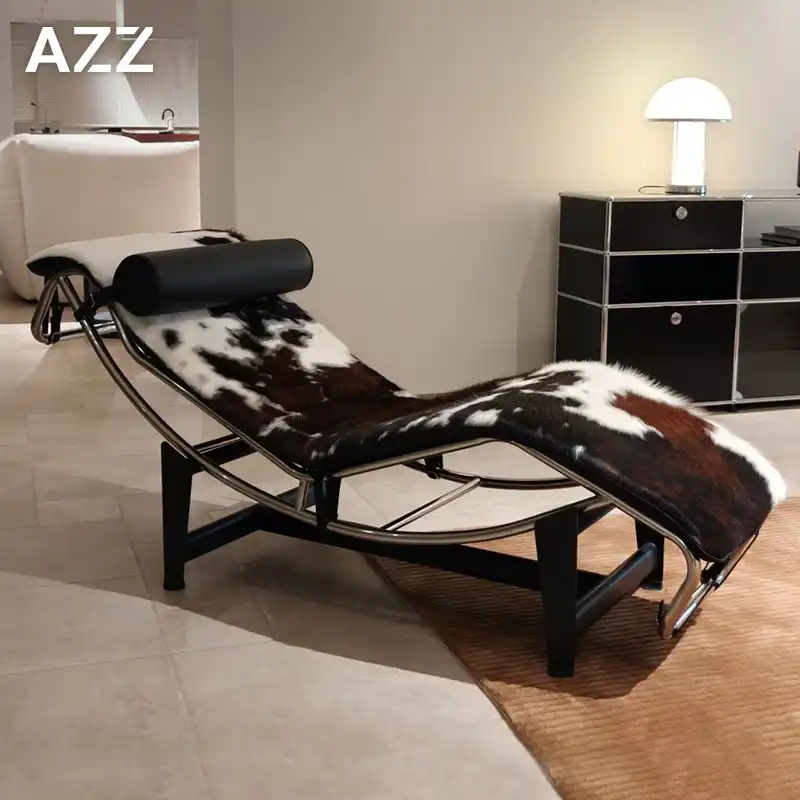
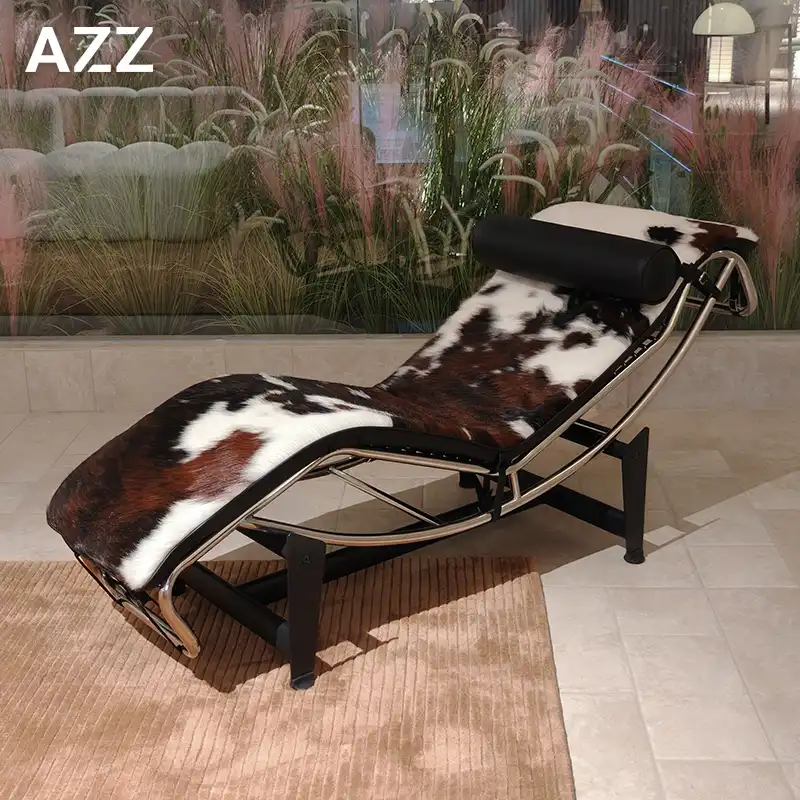
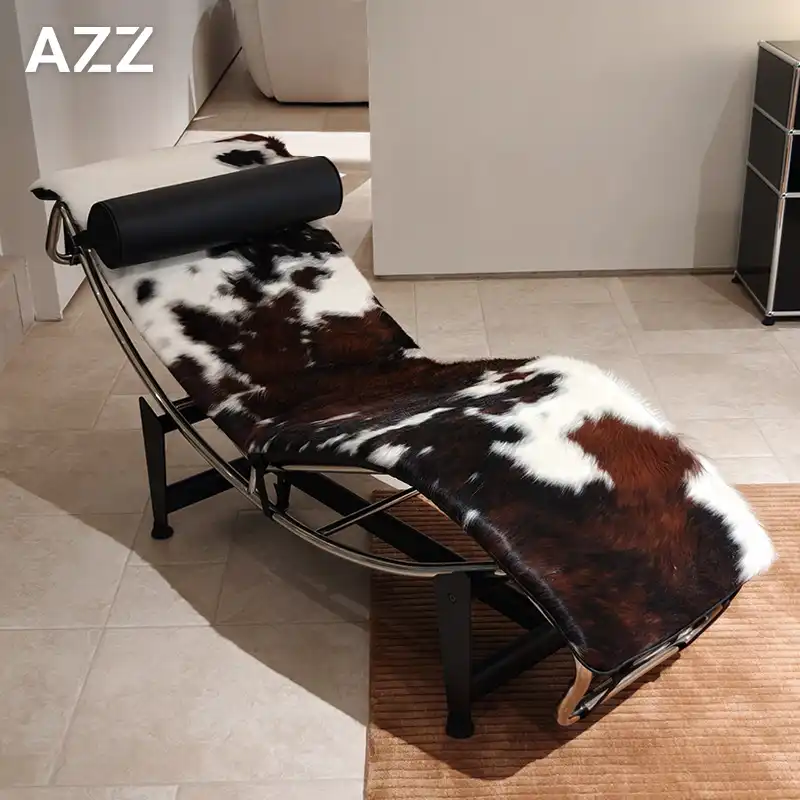
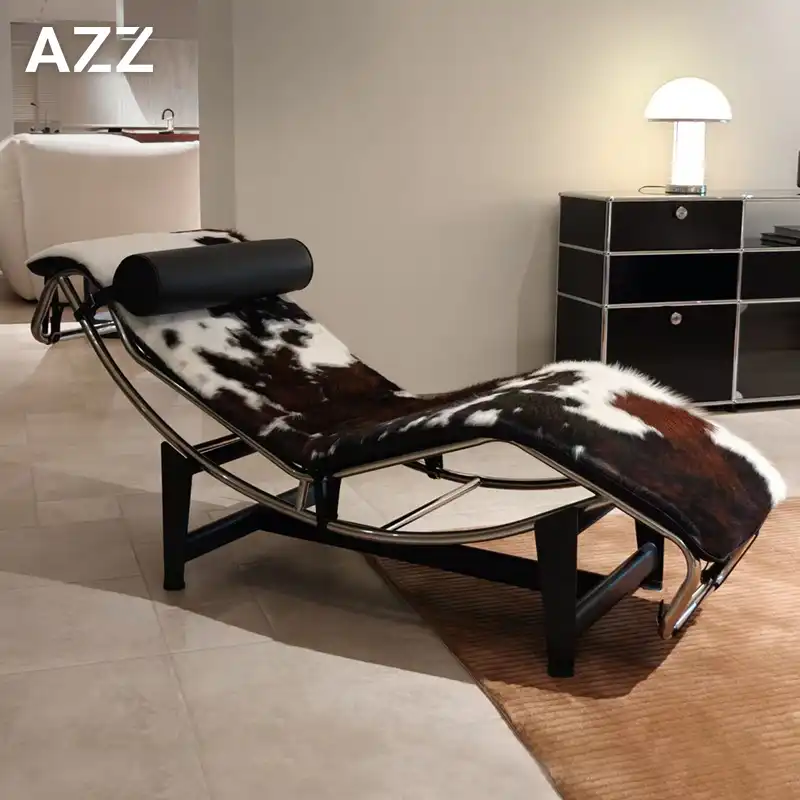
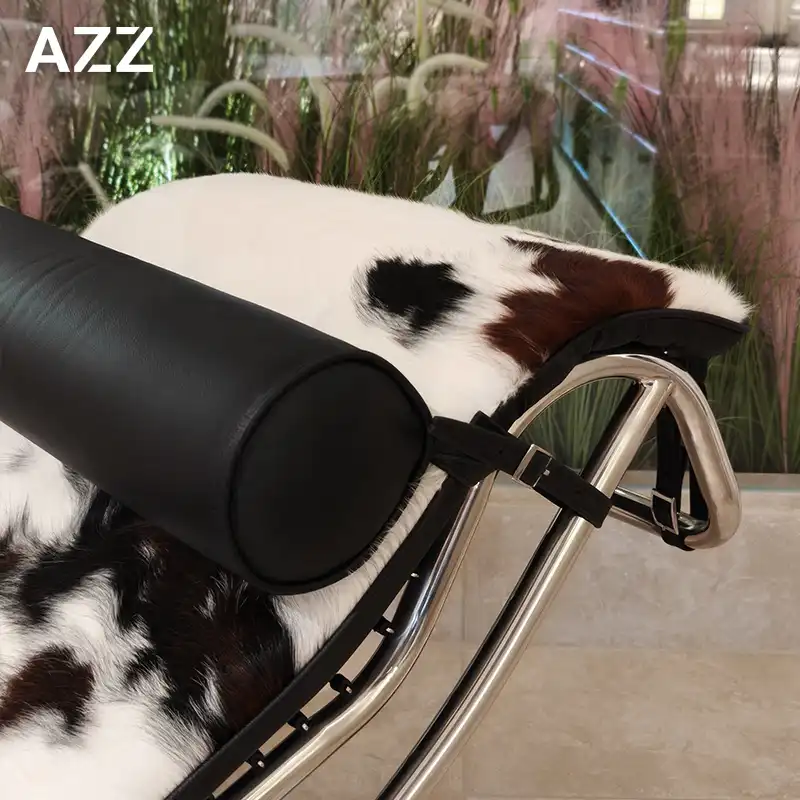
The LC4 chair is made of three main types of materials: tubular steel for strength, high-quality leather or synthetic fabric for comfort and style, and high-density padding materials for support and comfort. Together, these materials give the famous chaise longue its unique mix of sturdiness, flexibility, and modernist style, which has been the standard for high-end sitting since 1928.
General Overview of LC4 Chair Materials
In 1928, Le Corbusier, Pierre Jeanneret, and Charlotte Perriand made this groundbreaking piece. They weren't just making furniture; they were engineering what they called a "machine for relaxing." The choice of materials showed how the modernist movement valued both industrial innovation and design that focused on people. Every part does two things: it performs its basic function and shows off its design.
We respect this design theory at Azz Furnishings by carefully choosing the materials we use. Our 50,000-square-meter plant in Foshan uses ERP-driven tracking systems to keep track of every piece of material from the time it is bought as raw materials until it is put together for the first time. This method makes sure that all large orders are the same and meets the high standards of craftsmanship that procurement pros expect.
Knowing what materials are made of has a direct effect on buying choices. The steel base, the choice of fabric, and the cushioning all affect not only the quality at first, but also how well the chair will work in high-use business settings for a long time. Buyers who are in charge of furnishing hotel rooms, executive offices, or model flats need to know that the specs for the materials will give the same results in hundreds of units.
Why Material Knowledge Matters for Procurement Teams?
Directors of procurement who are in charge of big furniture projects are always under pressure to find the best mix between cost, quality, and delivery dates. It is important to know which steel types won't rust in humid coastal areas and which leather finishes can handle heavy use in the hotel industry. This will protect both your budget and your image. Material standards are the basis for judging a supplier and negotiating a deal.
Primary Materials Used in LC4 Chair Construction
This chaise longue's lasting charm comes from the carefully chosen materials it is made of. Over decades of industrial progress, each part has been made better while staying true to the original design's main ideas.
Tubular Steel Frame Architecture
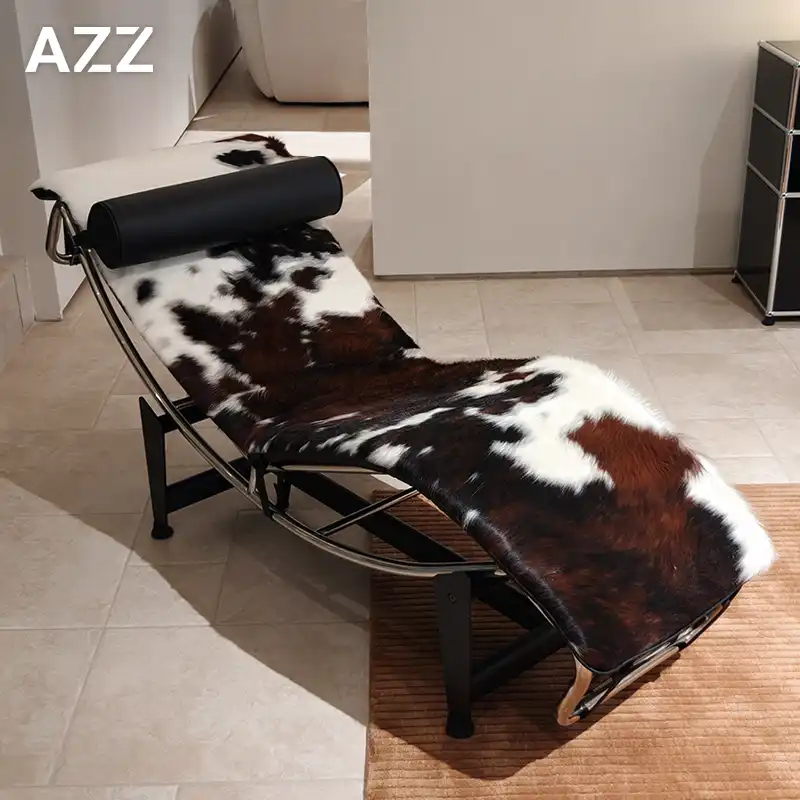
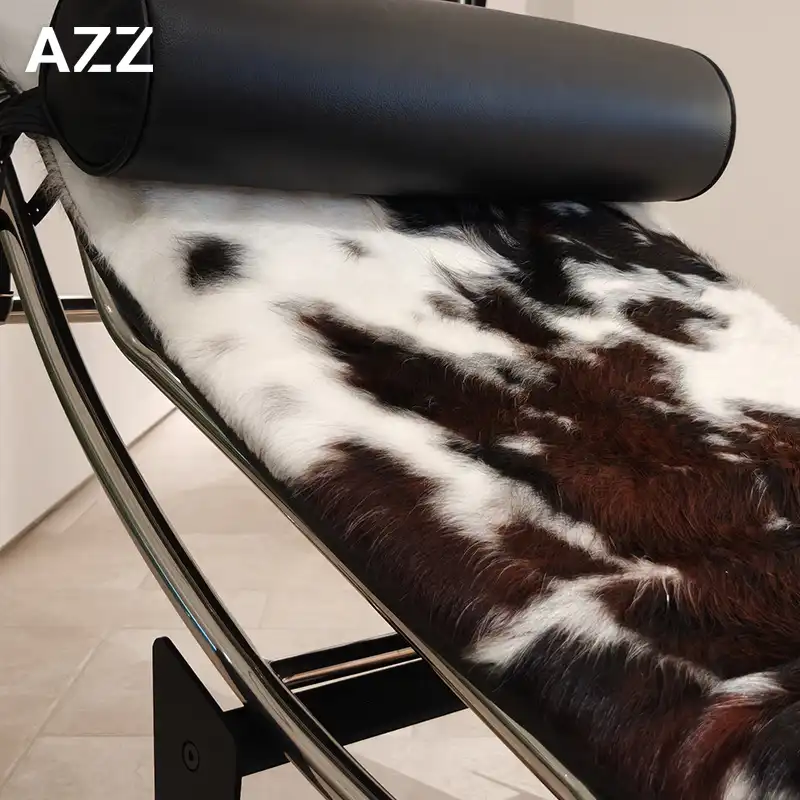
Its unique curved shape comes from the structural core, which is made of precision-bent tube steel. We use a two-frame design at Azz Furnishings. The lower base is made of carbon steel, and the top mobile perch is made of stainless steel. This mix gives you the best strength-to-weight ratio and the corrosion protection you need for a wide range of fitting settings.
Carbon steel bases are strong enough to hold a lot of weight and don't cost too much for big orders. Powder coating or paint finishes are used to protect the material from scratches and damage from the surroundings. Stainless steel parts, especially those with chrome plating, give modernist furniture its mirror-like look while also keeping them from rusting in climate-controlled business areas.
Choosing the right steel affects a number of buying issues. The length, width, and quality of the welds affect how long a structure lasts when it is stressed over and over again. As part of our factory's 6S production management standards, measurements are checked at several stages of production to make sure that the frame shape keeps the exact friction coefficients needed for the LC4 chair signature changeable recline function.
Upholstery Material Options
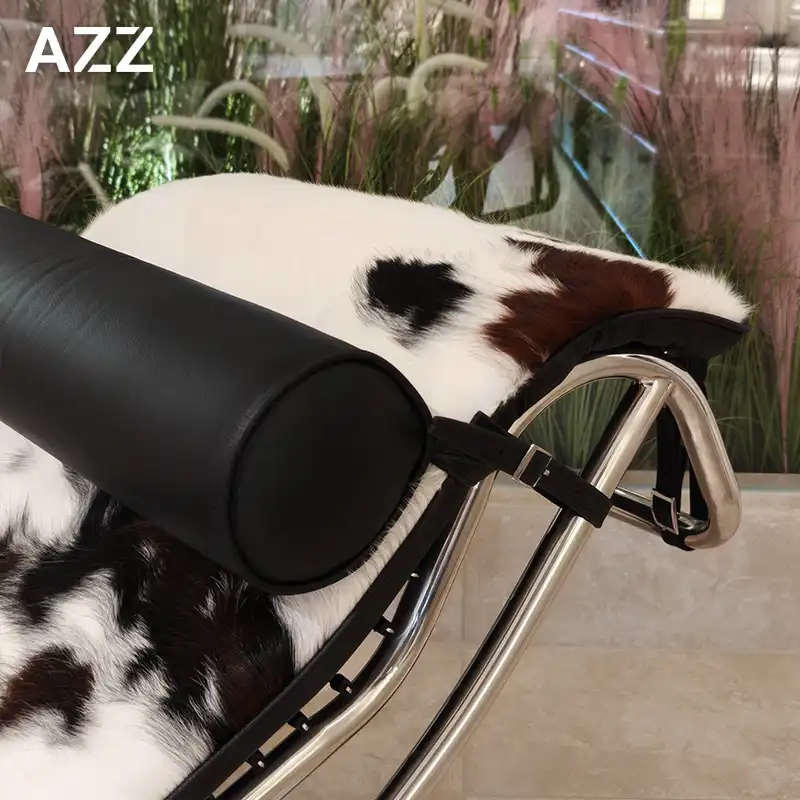
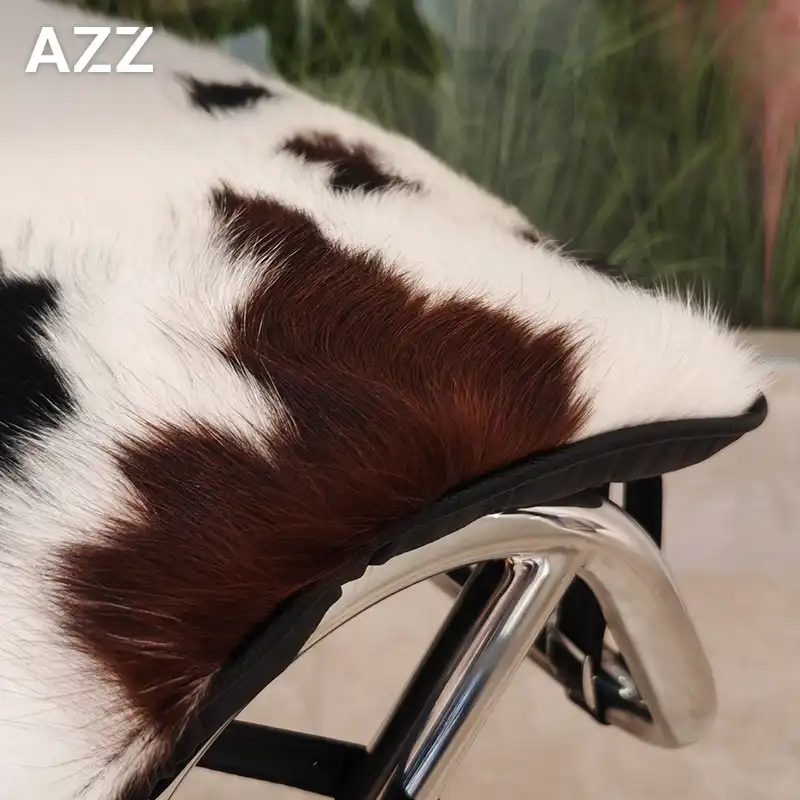
For high-end setups, genuine cowhide leather is still the most-requested furniture material. There are different benefits to both full-grain and top-grain leather. Full-grain leather keeps the natural surface of the hide and develops a rich patina over time. This is a desired trait for home and senior office settings where wear and tear adds value.
Light buffing is used to get rid of small flaws in top-grain leather for the LC4 chair, making it look more regular, which is important for hospitality setups that need to look the same across multiple units. This material doesn't color as easily as raw hides, so it requires less upkeep in areas with a lot of foot traffic.
The performance of synthetic options has improved a lot over the years and can now compete with real leather in some situations. High-quality polyurethane and vinyl composites are better at resisting water, UV damage, and cleaning chemicals, which are all important qualities for installing furniture by a pool or in a healthcare center. These materials also help with green efforts because they don't use animal goods and still look good.
Our ability to customize covers a wide range of fabric types. We buy materials that meet world standards for fire safety, colorfastness, and resistance to wear and tear. Buyers can choose from different grades of leather, colors that fit company colors, and even different types of fabric for projects that need certain visual or tactile qualities.
Cushioning and Padding Components
The comfort layer turns steel and leather into an ergonomic relaxing system and is hidden under the fabric that you can see. The main padding material is high-density foam, which is made to keep its shape even after being compressed for a long time while still being soft enough for long sitting sessions.
The requirements for foam density directly link to how much it will be used. Higher-density formulas (usually 35–40 kg/m³) work best in hospitality setups because they don't permanently deform even when guests come and go every day. For residential use, slightly softer densities that put initial ease over maximum longevity can be used.
When compared to regular polyurethane foams, latex filling layers in some high-end designs are more flexible and allow more air flow. Natural rubber is also appealing to buyers who care about the environment and want to use eco-friendly materials. The open-cell structure of the material helps air flow, which keeps heat from building up after long periods of use—a useful property for climate-controlled high-end spaces.
Material Quality and Specifications Critical for Procurement
For large-scale furniture purchases to go smoothly, there must be quality standards that can be checked and that turn material specifications into measurable performance criteria. People who have bought things before know that vague statements like "premium steel" or "high-quality leather" don't protect you enough from receiving items that aren't up to par.
Steel Certification and Performance Standards
Manufacturers with a good reputation provide steel grade paperwork that refers to international standards. ASTM standards describe the chemical make-up, tensile strength, and ability to be welded for different steel types. ISO certificates check that the rules in the manufacturing process make sure that each batch is the same, which is very important when you need to get hundreds of the same units for different production runs.
At Azz Furnishings, we keep full material test records that clients can look over. These papers list the parts of each steel type, how thick the coating is, and the results of tests that check how resistant it is to rust. As part of our pre-shipment remote inspection process, we check the soundness of the frames. This lets the buying teams see for themselves that the delivered products match the approved samples.
Quality of the welding is an important but often forgotten standard point. To build a tubular frame, you need to use TIG or MIG welding, which makes parts that are seamless and smooth before finishing. Welding flaws that can be seen are a sign of rushed production, which weakens the structure over time. In our 20,000-square-meter shop, buyers can see production models and see for themselves how the welding standards work.
Leather Grading and Authentication
In the leather business, hides are put into groups based on their skin quality, stability in thickness, and the way they were tanned. Knowing these categories helps buyers choose the right materials for the jobs they want to do without overspecifying, which drives up costs needlessly.
Aniline leather on the LC4 chair has natural grain patterns and a unique color because it is dyed with soluble dyes that go deep into the hide without coating the outside. This high-end grade is best for executive settings where character and uniqueness are worth the extra cost. A light protective coating is put on semi-aniline leather to keep its natural look while making it more stain-resistant. This makes it perfect for use in dining settings where longevity and good looks are important.
Pigmented leather gets a rougher treatment on the outside that evens out the color and texture and makes it as resistant to spills and wear as possible. This grade is most common in business setups that need strict upkeep plans and uniform look standards.
As fake goods get into supply lines, material identification becomes more important. Before placing big orders, it is helpful to check the authenticity of the leather by asking for tannery certificates, doing burn tests (real leather has a unique smell), and looking at edge cuts for fibrous structure.
Sustainability and Environmental Compliance
More and more, modern procurement systems require all parts of supply lines to be environmentally responsible. When companies choose where to get their materials, it affects their environmental reports and green building standards like LEED.
Steel recycling programs have come a long way, and now many mills make tube steel that is 70–90% recovered without affecting its structural performance. Choosing recycled steel lowers your carbon footprint while keeping the cost about the same as buying new steel. When our plant buys steel, it only comes from suppliers that give us environmental product statements that show how much energy and carbon are used.
Chemical-heavy tanning processes used to be the only way to make leather, but now there are veggie tanning options and chrome-free methods that are more environmentally friendly. These methods take longer to process and might affect the schedule for production, but they get rid of harmful chromium waste and make biodegradable goods as a result.
Water-based glues, low-VOC foams, and powder coating methods all make the production process even better for the earth. When evaluating suppliers, buyers who want to serve environmentally conscious customers or get green building credits should ask for thorough material safety data sheets and environmental certificates.
Comparison with Alternative Materials in Similar Lounge Chairs
When making a purchasing choice, people often have to weigh important trade-offs between different product options. Knowing how standard materials stack up against other options can help you make the best specs for your project.
Frame Material Alternatives
Building with wood has a classic, warm look and can save you money in some situations. While solid wooden frames are very strong, they can be heavy and sensitive to humidity. Laminated wood blends make it easier to create furniture and lower the cost of materials, but they don't have the industrial look that modernist furniture has.
Frames made of aluminum are very strong for their weight and don't rust naturally. This material can be used outside or in the water, where steel would need a lot of extra protection. Because it is more expensive and has different manufacturing needs, the material is usually found in the highest levels of luxury products and not as a straight replacement for steel.
Tubular steel is the most common material used to build high-quality chaise longues because it strikes the best balance between structural performance, aesthetic options, industrial speed, and large-scale cost-effectiveness. Because the material is flexible, it can be shaped into exact curves that are important for ergonomic comfort. It can also be welded together, which ensures uniform quality across production volumes.
Upholstery Material Trade-offs
When used in certain situations, fabric furniture offers strong benefits. Woven fabrics let air flow through them, which keeps you from getting too hot when you sit for a long time. This is helpful in warm places or places that don't have strong air conditioning. Material items are usually cheaper than leather ones, and because they are lighter, sending them internationally is easier.
Synthetic fibers used in performance fabrics on the LC4 chair make them very durable and stain-resistant, and they come in more colors and patterns than leather. Because of these useful benefits, healthcare and educational facilities often choose cloth furniture.
Leather stays at the top of the market thanks to its luxurious feel, ability to age well, and status links that are important for high-end home and business settings. The natural makeup of the material also draws to people who don't want to use synthetic materials made from fuel.
Modern manufactured leathers no longer clearly define what a material is. You can get high-quality polyurethane goods that look and feel like real leather, but they are easier to clean and come from ethical sources. More and more, these materials are used in hotel settings, where strict cleaning rules and fast movement make synthetic materials last longer than natural ones.
Maintenance, Durability, and Longevity of LC4 Chair Materials
The total cost of ownership includes more than just the buying price. It also includes the cost of repairs and replacements. These long-term issues are directly affected by the materials that are chosen.
Steel Frame Care Requirements
Frames made of stainless steel or chrome-plated metal don't need much care other than being dusted with microfiber cloths every so often. Avoiding harsh cleaners keeps the finish from getting damaged, which lowers its resistance to rust. Protective wax coats that shield against salt air exposure should be applied every three months to sites near the coast.
Powder-coated carbon steel bases are resistant to most weather problems, but any chips or scratches that show bare metal need to be fixed right away. Touch-up paint that matches the original finish makes frames last a lot longer. As part of our after-sales service, we offer finish repair advice and matching paint materials for big installations that need regular upkeep.
Pay close attention to the friction device that allows the tilt to be adjusted. Rubber contact bands need to be checked every so often for damage or wear that could make them stop working smoothly. Replacement arms are the main item that needs to be replaced to keep the LC4 chair in good shape over its lifetime.
Leather Upholstery Preservation
How you take care of leather has a direct effect on how long it lasts. Using a dry cloth to wipe down surfaces every day gets rid of dust and body oils before they get into pores. Conditioning leather once a month with products made just for leather keeps it soft and stops it from cracking in climate-controlled rooms with low humidity.
Cleaning plans should be set up for commercial setups using pH-neutral cleaners made just for leather furniture. Protective finishes are kept safe by staying away from home items that contain harsh acids or too much moisture. Each order comes with a full care guide that is tailored to the type of leather being shipped.
Aniline and semi-aniline leathers get a patina over time, which is a good thing for some buyers but could be a problem for others who want their leather to look the same all the time. Setting realistic goals for the client during the design process will keep them from being unhappy as the product ages naturally.
Customization Impact on Material Performance
Material changes and adjustments have an effect on both the price at first and how well it works in the long run. For different colors of leather, different processing methods may be needed, which can add time to the production process. Changes in dimensions can change how stress is distributed across frames, which could mean that steel supports are needed.
At Azz Furnishings, we do technical studies for large requests for customization to make sure that the material specs still work with the new designs. Our eight-week production schedule allows for finding unique materials and keeping quality standards high. This methodical approach protects both the maker and the buyer from performance problems caused by changes that weren't tried properly.
Conclusion
The choice of material is an important part of buying a LC4 chair because it affects how it looks, how well it works, and how much it will be worth in the long run. Knowing how tubular steel frames, different types of leather padding, and cushioning parts work together lets you make smart design choices that balance quality, cost, and use needs. Tough rules on materials, the right way to maintain them, and smart customization all come together to make furniture that works well in tough business settings while still having the classic beauty that marks modernist design. Professionals in procurement who know a lot about the goods they're buying can negotiate better contracts, choose better products, and eventually get better results for their companies and clients.
FAQ
What steel grades ensure optimal durability for commercial installations?
Commercial-grade tube steel that meets the requirements of ASTM A513 is very strong and easy to weld in places with a lot of use. 304 and 316 stainless steel are better at resisting corrosion in coastal or high-humidity areas. On the other hand, carbon steel with a protective finish works well in most climate-controlled indoor uses and is less expensive.
How can buyers be sure that the leather they are buying is real?
Ask the tannery for certificates that show where the hide came from and how it was processed. A close look at the edges of leather shows that they have a flexible structure that synthetic options don't have. Do water drop tests. Real leather slowly soaks up water, but synthetics don't let it through. Reliable sources, like Azz Furnishings, offer proof that the materials are real and are open to checking pre-production samples.
Do synthetic upholstery materials compromise aesthetic quality?
Premium polyurethane leathers can now clearly look like real leather, and they also have useful benefits for some uses. When choosing materials, project needs should come first, not ideas about synthetic weakness. Synthetic materials are often better for healthcare and hospitality settings because they last longer and are easier to clean. On the other hand, the status and ability to age of real leather may be worth it in high-end home projects.
What maintenance differences exist between steel frame finishes?
Chrome-plated stainless steel only needs to be cleaned regularly and waxed every once in a while for protection. To stop rust from spreading, chips in powder-coated carbon steel need to be fixed right away. It's easier to hide small scratches on brushed surfaces than on shiny ones. When doing regular upkeep, it's best for all surfaces to stay away from harsh chemical cleaners and rough tools.
Partner with Azz Furnishings – Your Trusted LC4 Chair Manufacturer
Azz Furnishings can help you buy LC4 chair furniture because they have confirmed material knowledge and high-quality production. Our 50,000-square-meter plant in Foshan uses both modern ERP systems and traditional handiwork to make sure that all orders are of the same high quality. We invite procurement professionals to visit our 20,000-square-meter showroom, where they can look at specifications for materials and building details and talk to our engineering team directly about the options for customization.Email us at shiyingfan826@gmail.com to talk about the needs of your project, get material certifications, or set up trips to the plant. Our eight-week production time, thorough pre-shipment inspection process, and ability to customize furniture in a variety of ways help procurement teams across the United States manage complicated programs for hotel, residential, and business furniture.
References
Rüegg, Arthur. Le Corbusier: Furniture and Interiors 1905-1965. Zürich: Scheidegger & Spiess, 2012.
Fiell, Charlotte and Peter Fiell. 1000 Chairs. Cologne: Taschen, 2005.
McQuaid, Matilda. Lilly Reich: Designer and Architect. New York: Museum of Modern Art, 1996.
Sembach, Klaus-Jürgen. Twentieth Century Furniture Design. Cologne: Taschen, 2002.
Pile, John F. A History of Interior Design, 4th Edition. London: Laurence King Publishing, 2014.
Massey, Anne. Interior Design Since 1900, 3rd Edition. London: Thames & Hudson, 2008.