




Why Is Standard Chair a Practical Choice for Large-Scale Furniture Procurement?
When you're managing large-scale furniture procurement, the Standard Chair emerges as an intelligent choice that balances practicality, cost efficiency, and adaptability across diverse commercial environments. These seating solutions offer uniformity that simplifies inventory management, scalability that accommodates growing organizational needs, and compatibility with multiple interior design schemes. From hospitality venues requiring hundreds of identical units to real estate developers furnishing entire residential complexes, standardized seating provides the consistency and reliability that procurement directors demand. The predictable dimensions, proven durability, and streamlined supply chain make standard seating a strategic investment that reduces long-term operational complexity while maintaining aesthetic appeal.
Understanding Standard Chairs: Definition, Design, and BenefitsWhat Defines a Standard Chair in Commercial Settings?
According to the definition, standardized seating is furniture that is made to be the same size, function, and look in all kinds of settings. Unlike specialized ergonomic models or custom executive seating, these chairs are made to standard sizes that make them comfortable for most people. Standardization includes more than just measurements. It also includes industrial methods, material requirements, and quality standards. This makes the whole supply chain more predictable. Because of this, procurement teams can safely reorder because they know that each batch will be the same in shape, function, and finish as previous orders.
Core Design Principles and Material Choices
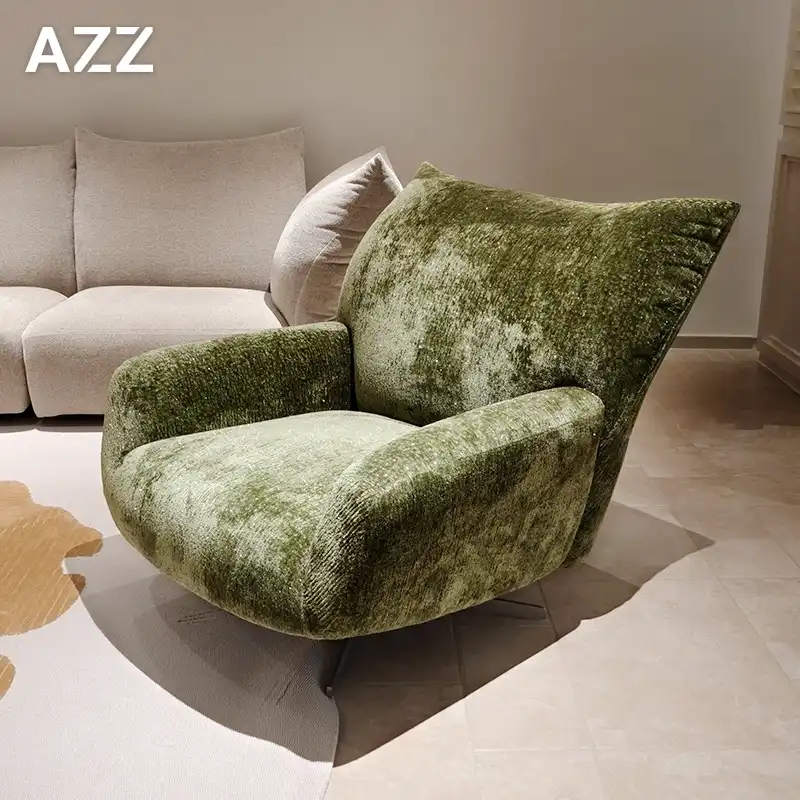
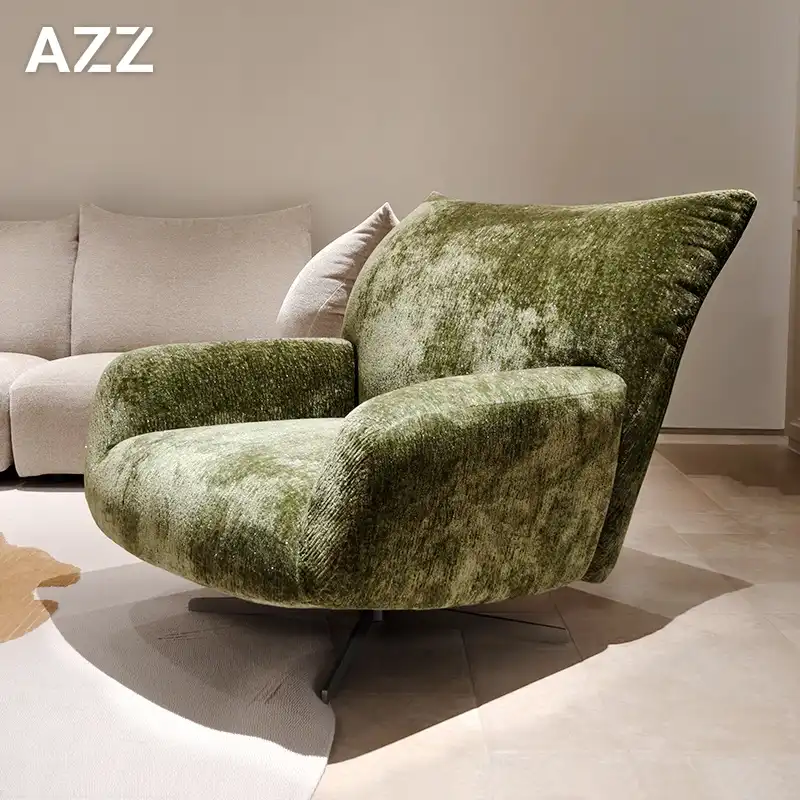
Good commercial seating is usually made of long-lasting materials that are chosen to last even after heavy daily use. Tubular steel frames keep the structure strong while keeping slim shapes that look good in modern rooms. (Furniture Today, 2022) says that chrome nickel plating on metal parts keeps them looking good even after thousands of uses. When wood elements are used, they are stabilized against wetness so that they don't warp in different conditions, which is an important thing to think about when buying things internationally. The Italian minimalist style, which focuses on clean lines and classic shapes, has become very popular in business settings because it goes beyond short-lived fashion trends and offers practical elegance.
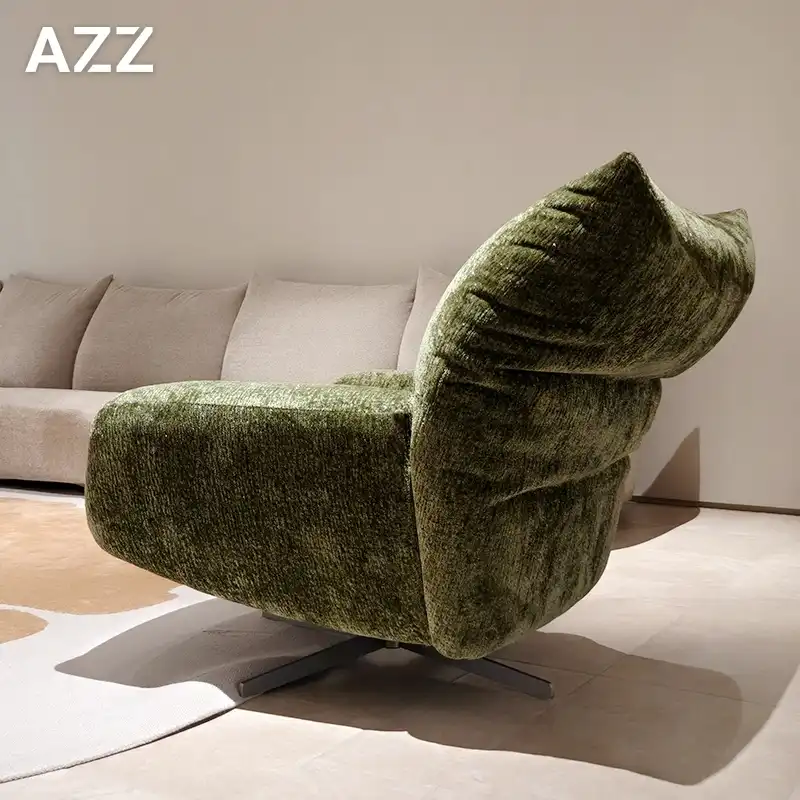
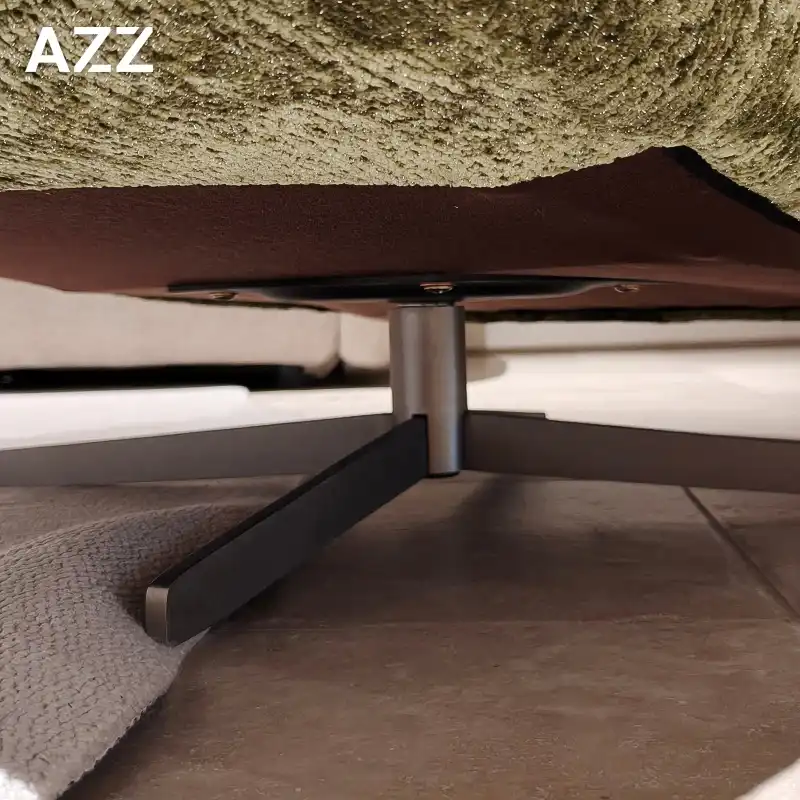
These material and design factors directly address common problems that come up in the buying process. Brushed metal styles are better at hiding fingerprints and smudges than polished ones, so they don't need as much upkeep in places that get a lot of use. Swivel devices that are designed to work smoothly and quietly improve the user experience without making noise in business settings. The backrest systems that can be adjusted naturally move with the body, giving enough support without having complicated controls that can be hard to use or need to be maintained.
Benefits Compared to Specialized Seating Categories
When you compare standard seating to task-specific options, you can see that the latter has clear benefits for bulk purchases. While ergonomic chairs allow for personalized adjustments, they make it harder to keep track of inventory when serving a wide range of users. Lounge chairs aren't good for places that need a lot of seats because they put rest ahead of saving room. The standard method is a good compromise because it provides enough comfort for long-term use while keeping the uniformity in dimensions that makes space planning and rearranging easier (Contract Magazine, 2021).
Well-designed standard seating is flexible enough to be used in a variety of settings within the same building. A hotel could use the same chairs in guest rooms, meeting rooms, and dining areas to make the whole place look better and make buying, storing, and maintaining them easier. This ability to work across functions is very useful for businesses that manage a lot of different types of properties or service areas.

Why Standard Chairs Are Ideal for Large-Scale Procurement?Cost-Effectiveness and Budget Optimization
Economies of scale naturally help with large orders, but standard seating makes these benefits even bigger by making production runs easier and logistics more streamlined. When manufacturers meet consistent standards instead of handling a lot of custom changes, they can get the most out of their production plans. Because of this, prices are affordable and budgets for purchases are met without lowering quality standards. Established makers offer an eight-week production timeline that lets you plan well and makes sure that quality control is done thoroughly throughout the manufacturing process (Hospitality Design, 2023.
Standardized seating like the Standard Chair saves money in the long run by making upkeep easier and lowering the cost of the original buy. When facilities teams manage uniform furniture inventory, they need fewer specialized tools and spare parts. When materials and building methods are consistent, it's easy to teach staff how to take care of things. Commercial-grade seating is made to last, so it doesn't need to be replaced as often. This spreads out capital costs over a longer period of time and improves estimates of return on investment.
Scalability and Supply Chain Reliability
As a company grows, it's helpful to be able to add more seats gradually without having to rethink whole rooms. Standardized sizes make it easy for new purchases to fit in with existing furniture, so the look stays the same even as the building grows. Reliable sources keep making popular models for long periods of time, so you can be sure that future orders will match what is already being installed. This consistency is very helpful for growth projects with multiple stages where buying furniture takes place over a number of years.
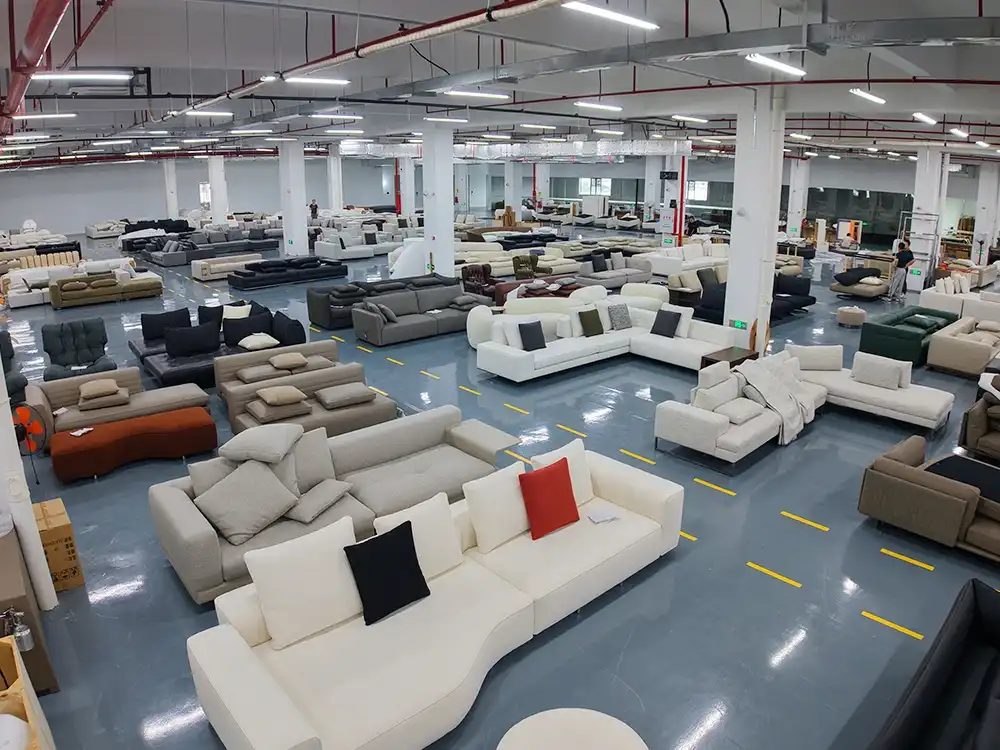
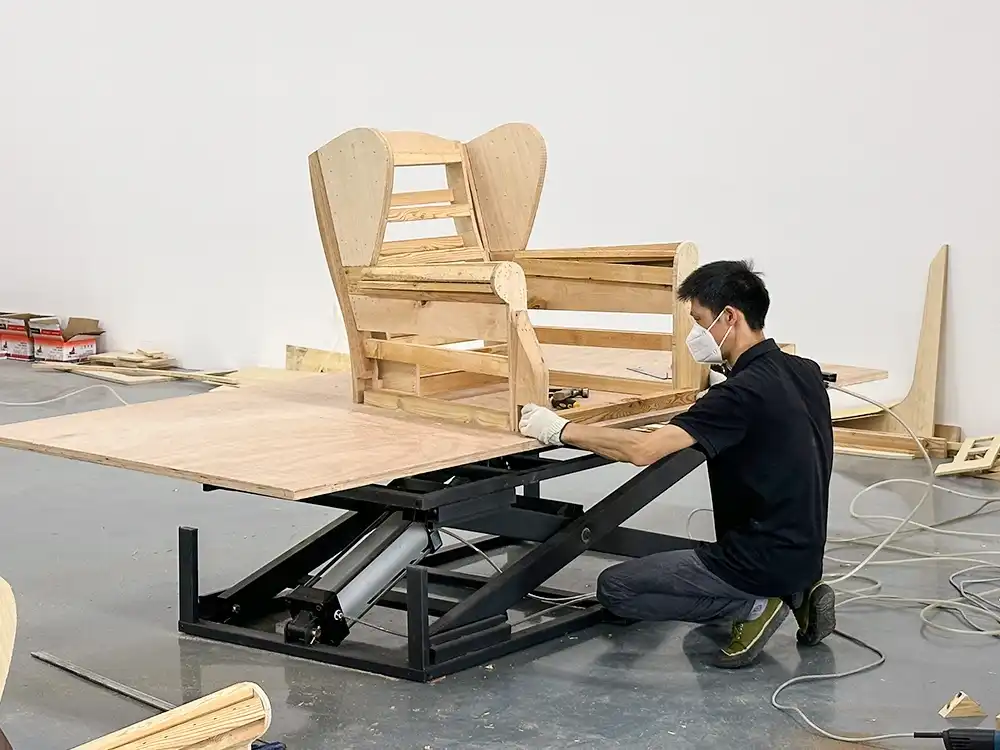
When there are tight deadlines for large installations, supply chain reliability is even more important. Manufacturers with large production sites, like the 50,000-square-meter plants used by well-known sellers, can meet large orders without lowering the quality of their products. Before a shipment, protocols for remote inspection give buyers extra peace of mind by letting them check specifications and quality of products before they leave factories. This step of checking lowers the chance of getting things that don't meet standards and gets rid of the time and money needed for returns and replacements.

Customization Within Standardization
Modern production techniques allow for a lot of customization while still keeping the main benefits of standard designs. You can choose from leather, performance fabrics, and eco-friendly options for materials, so you can match the look or function of your brand. Color schemes can be matched to existing interior designs without changing the basic sizes or building methods. Base finish choices, such as brushed chrome or powder-coated colors, give you a choice of looks while still meeting structural requirements.
The modular combination options make things more useful without making them more complicated. With the optional ottomans or matching side tables, you can make different sitting setups that fit a variety of room sizes. Standardization makes it possible to choose upholstery materials that meet specific performance standards. For example, materials that are stain-resistant for hospitality settings or flame-resistant for educational settings show how it can adapt to different needs within a uniform framework. With these customization choices, designers and buying professionals can make unique spaces while still taking advantage of the practical benefits of standard furniture systems.
How to Select the Right Standard Chair for Large-Scale Purchases?
Evaluating Material Quality and Construction Standards
A thorough material assessment saves purchase investments by making sure that furniture can withstand the conditions of its intended use for the duration of its expected service life. Metal parts should say what gage thickness they are and how they were finished. In harsh settings, smaller materials or poor surface treatments make them less durable. In high-use situations, welded joints usually work better than bolted connections. However, good fastener systems can provide enough strength if they are designed correctly. When choosing wood elements, you need to think about the species, the amount of moisture, and how long the finish will last so that they don't break down too quickly.
Cushioning systems need extra attention in situations where people will be sitting for long periods of time. High-density foam holds its form and support better than lower-grade foam after thousands of compression cycles. The materials used for the cover should be easy to clean. Performance fabrics made for business use are better at resisting stains and wear than residential-grade textiles. Looking over these specs before placing big orders keeps you from being let down and makes sure the furniture works the way you want it to.
Assessing Supplier Capabilities and Credentials
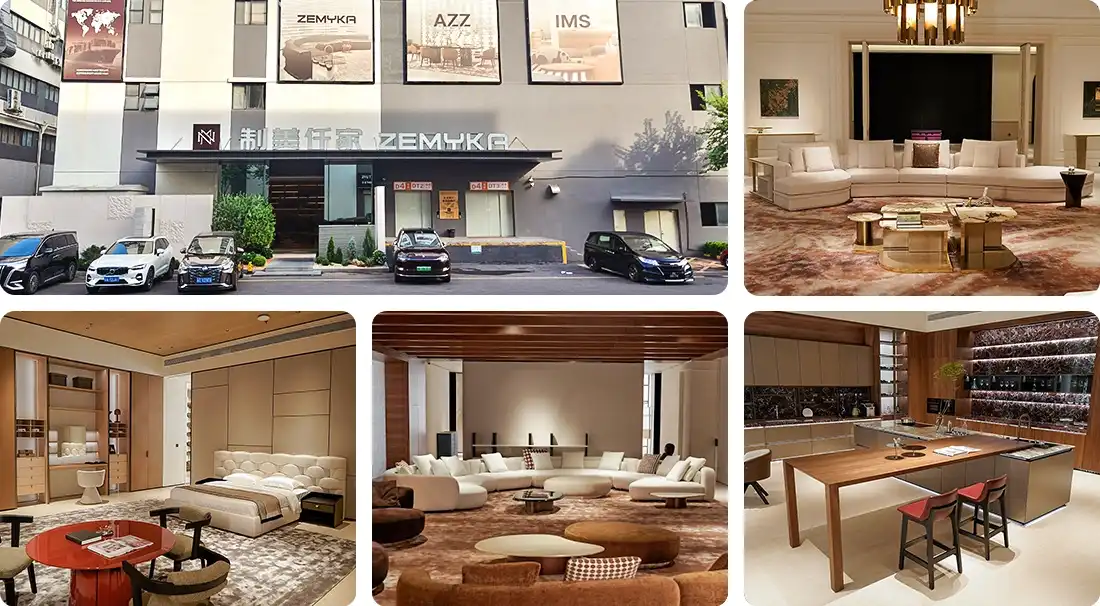
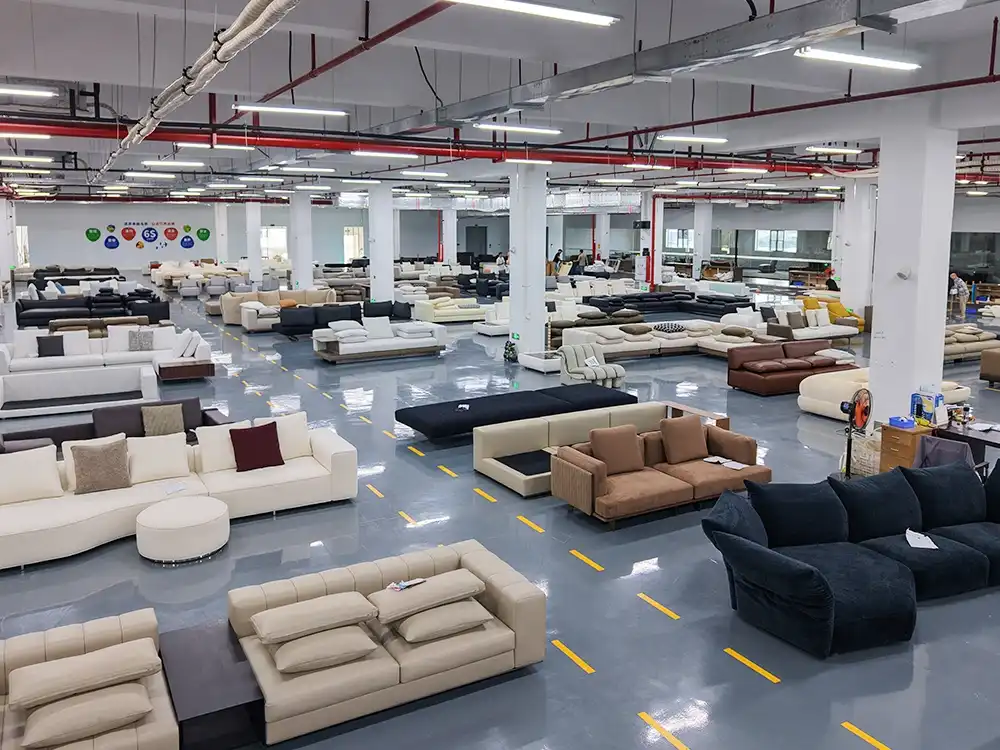
Evaluation of suppliers for the Standard Chair includes more than just product specs. It also looks at things like manufacturing capacity, quality systems, and customer support infrastructure. Visiting production facilities is a great way to learn about how to control quality and what kinds of things can be made. A 50,000-square-meter plant with up-to-date tools for making things shows that the company cares about quality and has enough space to handle big orders. Showrooms that are 30,000 square meters in size show that the company cares about the customer experience and how the products are presented. This lets customers see and feel all of the products before they decide to buy them.
Manufacturing certificates and following international quality standards are objective ways to show that a provider can be trusted. Using ERP systems for managing output shows that operations are more advanced, which cuts down on mistakes and improves delivery accuracy. The 6S way of production management focuses on organizing and standardizing the workplace, which is linked to consistent quality output and smooth operations. Suppliers who can meet demanding procurement needs are different from those who can only handle smaller, less complicated orders because of these organizational traits.
Dimensional Fit and Spatial Planning
Accurate measurements keep space planning from making mistakes that hurt usefulness or esthetic goals. Standard seating measures of about 860mm x 940mm x 980mm work for many situations, but making sure the numbers fit within certain space limits is the only way to be sure. Think about the space needs for swivel or reclining features that go beyond the stated dimensions when they're in use. With three-dimensional design and modeling services, you can see how furniture will look in real rooms before you buy it. This reduces uncertainty and helps you make a confident choice.
Streamlining the Procurement Process for Standard Chairs
Identifying Reliable Wholesale Sources
Finding makers and wholesalers with stable quality, reasonable prices, and reliable logistics is the first step to building good procurement relationships. When you deal directly with a manufacturer, you often get better prices, better communication about specifications, and more freedom to make changes to your order than when you deal with an intermediary distributor. Established manufacturers based in well-known furniture-making regions bring specialized knowledge and well-developed supply chains that can handle large orders.
Clear shipping terms and transparent price systems get rid of the uncertainty that makes budgeting and planning projects harder. Knowing how shipping times change depending on the country of location, the distance from the port, and the rules for importing goods keeps schedules from being caught off guard. Manufacturers who offer remote inspection services before shipping show that they care about quality control and customer happiness. This extra step of checking gives customers peace of mind that the standards will be met before the products go through the complicated foreign shipping process.
Coordinating Custom Orders and Managing Timelines
Clear communication rules and reasonable time frames are needed for complicated procurement projects that involve customization. The standard eight-week production schedule gives enough time for high-quality production while still allowing for flexibility with building or remodeling schedules. Specification freeze dates should be set by procurement teams to make sure that design decisions are finalized before production starts. Making changes at the last minute can cause delays and mistakes. Regular production updates during the manufacturing process keep everyone involved in the process updated and let problems be solved before they happen.
By coordinating transport times with installation teams and making sure the facility is ready, you can avoid expensive storage fees and project delays. It can be hard to get things done when furniture arrives before the buildings are ready, and deliveries that are late can throw off the whole project plan, changing when the big opening or move-in dates are. Experienced providers help coordinate deliveries by using their knowledge of logistics to find the best shipping methods and times.
Maximizing Value Through Strategic Purchasing
Value goes beyond unit pricing for the Standard Chair when you use strategic procurement practices. When you combine orders to reach certain volume thresholds, you can get better pricing and lower shipping costs per unit. Planning for future needs lets you combine current needs with planned growth into a single order that takes advantage of economies of scale. Setting up framework deals with chosen sellers gives you stable prices and priority production scheduling for furniture that you need to keep buying.
When comparing supplier proposals, you should look at things like warranty terms and after-sales support. Comprehensive warranties backed by helpful customer service departments keep investments safe and give people a way to get help if problems arise. Knowing the details of your warranty coverage, like what conditions void the coverage and how cases are handled, will help you avoid confusion in the future. Suppliers who do remote inspections with customers before shipping show that they are confident in the quality of their products and lower the risk of warranty claims due to flaws in the manufacturing process.
Case Studies and Success Stories in Large-Scale Standard Chair Procurement
Hospitality Sector Implementation
A regional hotel company just finished updating their properties by putting in 1,200 standard lounge chairs in twelve different places. The purchasing team chose Italian minimalist designs that look good and will last for a long time in places with a lot of foot traffic. Using the same type of chair across all sites produced visual brand consistency and made it easier to keep track of supplies and follow maintenance procedures. The swivel feature was especially useful in lobby areas, where it let guests talk to other people or look out at the view without having to move their chairs.
Coordinating deliveries to properties in different states, each with its own rules for getting items and setting up plans, proved to be difficult for the project. The procurement director worked closely with the manufacturer's logistics team to come up with a phased delivery plan that would work with the renovation schedules of each property. Before each shipment, remote checks made sure that the quality of the whole order was the same. The furniture still looks good and works well three years after it was installed, showing that the money spent on longevity was worth it and showing the long-term value of quality standardized seats.
Commercial Real Estate Development Success
A developer who was furnishing a 300-unit apartment building needed stylish, long-lasting sitting options that didn't break the bank. By choosing Standard Chairs for the common areas, clubhouses, and model units, the property looked better as a whole and cost less because of the higher volume. Being able to change the colors of the furniture in different parts of the building made small differences while keeping the overall design consistent.
Visiting the manufacturer's store and production site while the specifications were being made helped the buying process. Seeing how quality control is done in manufacturing and looking at samples of the materials raised trust in the supplier relationship. The developer liked that there was an eight-week lead time that worked with their construction plans and that they could phase orders to match the dates when the buildings were finished. The successful installation of the furniture led to positive feedback from residents and helped the property stand out as a premium rental in a competitive market.
Conclusion
Standardized seating like the Standard Chair is a smart choice for buying a lot of furniture because it saves money, makes the supply chain more reliable, and makes operations easier. These solutions are useful for many business uses because they have consistent sizes, have been shown to last, and look good with a variety of styles. Quality makers that offer customization within standardized frameworks give modern projects the freedom they need while keeping the practical benefits of standardization. Suppliers who can meet strict procurement needs can be identified by clear pricing structures, protocols for remote inspection, and proven production capabilities. Success stories from the hotel and real estate industries show how carefully choosing standard seats can help a project succeed and keep people happy for a long time.
FAQ
What distinguishes a standard chair from specialized seating options?
Standardized seating is better than specialized options because it has uniform sizes, can be used by anyone, and is easier to get. While ergonomic chairs have a lot of ways to change so that they are comfortable for each person, normal chairs are comfortable for a wide range of people without having to deal with complicated controls. The uniformity makes it easier to keep track of supplies, follow upkeep procedures, and plan out space, which is especially helpful for big installations. Standardized approaches are more useful in many business settings than specialized seating that is only used in certain situations.
How can procurement teams verify quality before committing to large orders?
Checking for quality starts with looking at the specifications of the materials, the way they were built, and the manufacturer's credentials. By asking for samples, you can test the goods yourself instead of just reading about them in marketing materials. By going to production sites, you can learn about the quality control methods and manufacturing skills that are needed to get consistent results. Before a shipment goes out, remote inspection services make sure that all the requirements have been met. It's easier to trust a supplier and their products when you look at their certifications, warranty terms, and customer references.
Can standardized seating accommodate sustainability objectives?
As companies make promises to be more environmentally friendly, modern industry uses more and more eco-friendly methods and products. You can choose from FSC-certified wood, recycled metal parts, and upholstered fabrics made from materials that have already been used. Eco-friendly finishing methods keep longevity standards high while lowering chemical emissions. Quality business seating has a long service life, which is another aspect of sustainability. When furniture lasts for decades, it doesn't need to be replaced as often, which lowers the environmental impact of that process. Talking to suppliers about sustainability priorities while developing specifications helps find options that are in line with the environmental goals of the organization.
Partner With Azz Furnishings for Your Next Large-Scale Standard Chair Procurement
Azz Furnishings has specialized knowledge in buying a lot of furniture. We combine Italian minimalist design ideas with manufacturing skills we've developed since our company opened in Foshan, Guangdong, in 2018. Our 50,000-square-meter plant uses 6S production management standards and ERP intelligent tools to make sure that quality is maintained throughout the whole process. The huge 30,000-square-meter showroom lets buying pros see for themselves how well the designs are made and how well they are designed before they place big orders.
As a supplier of Standard Chairs with a lot of experience, we can make any changes you want to materials, colors, and configurations while still keeping the consistent sizes needed for big projects. Our eight-week production schedule works with project planning needs, and our protocol for remote inspections before shipment protects your investment by ensuring quality. Our team helps with successful buying from developing specifications to final installation, whether it's for hotels, apartment buildings, or business buildings.
Email our procurement experts at shiyingfan826@gmail.com to talk about your specific needs and get detailed proposals that are made to fit the scope of your project. You can look at all of our furniture designs and learn more about how we make things by going to mdazzhome.com. We welcome facility tours and sample requests that give us a chance to fully evaluate the partnership before we commit to it.
References
1. Contract Magazine. (2021). "Commercial Seating Specifications for Multi-Use Environments." Contract Magazine. https://www.contractdesign.com/
2. Furniture Today. (2022). "Material Durability Standards in Commercial Furniture Manufacturing." Furniture Today. https://www.furnituretoday.com/
3. Hospitality Design. (2023). "Furniture Procurement Strategies for Multi-Property Hotel Groups." Hospitality Design Magazine. https://www.hospitalitydesign.com/
4. Interior Design. (2022). "Standardization Benefits in Large-Scale Furniture Projects." Interior Design. https://www.interiordesign.net/
5. Buildings Magazine. (2021). "Furniture Lifecycle Costing for Commercial Facilities." Buildings. https://www.buildings.com/
6. Architectural Digest. (2023). "Italian Minimalism in Contemporary Commercial Interiors." Architectural Digest Pro. https://www.architecturaldigest.com/