




Coupe Chair Ideas for Modern Dining Spaces
Choosing the right chairs is very important when it comes to changing the look of modern dining rooms. Because of its enveloping shape and polished look, a coupe chair is a good balance between usefulness and style. The shell shape of these chairs forms a half-circle around the person sitting in them, providing support and style. The scoop-like shapes and built-in armrests make them different from regular dining chairs. This makes them perfect for modern business and private projects that need to save room while still meeting high comfort standards.
Understanding Coupe Chairs: Design, Styles, and Materials
The Evolution and Core Design Features
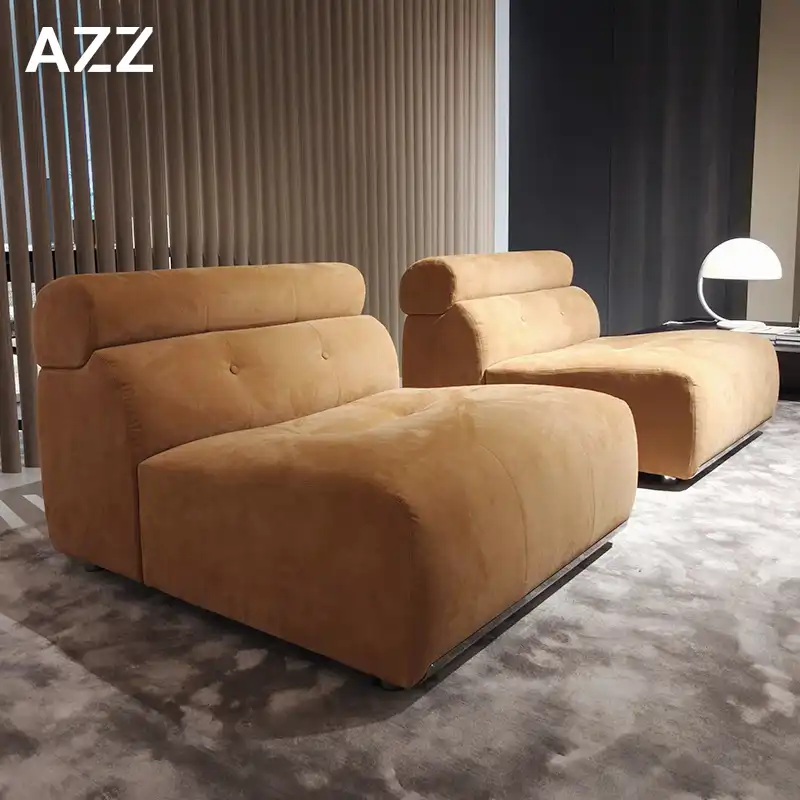
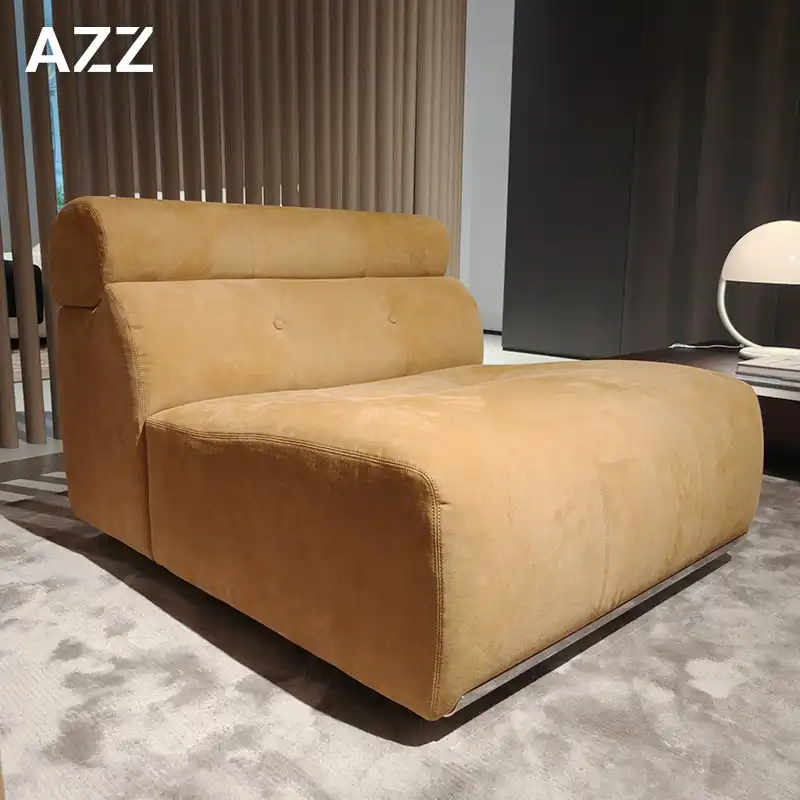
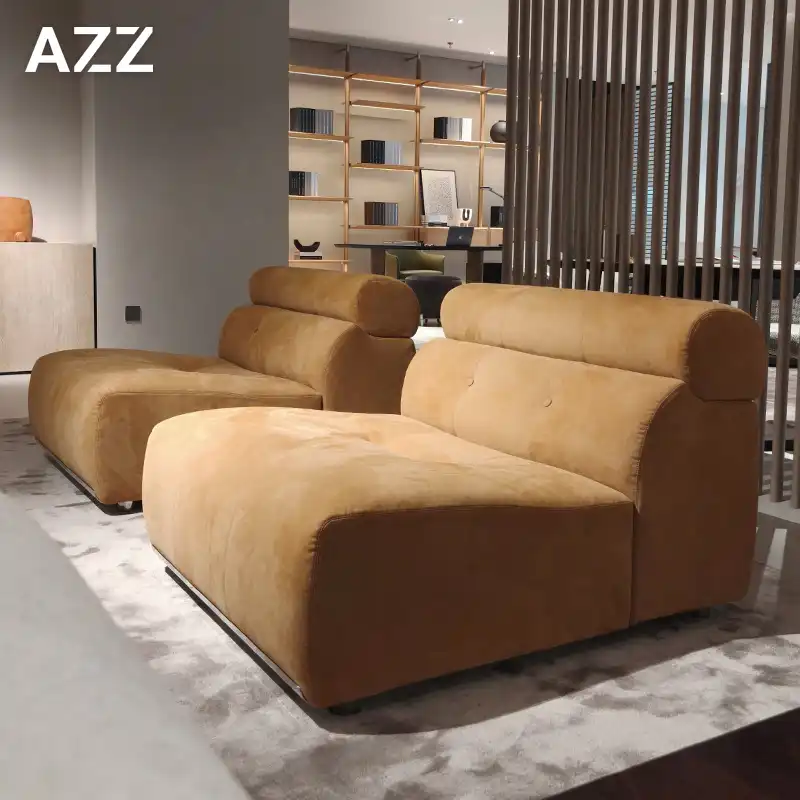
The history of this style of seats comes from mid-century modernism and the beauty of cars. The shape came from European furniture shops in the 1950s, but it has been improved to meet modern functional standards. A continuous curved backrest that runs into arms creates a protective yet open shape that makes this chair stand out. This structure supports your lower back while keeping a small size—typically around 915mm wide—making it perfect for places with a lot of people eating, like hotels, restaurants, and business offices.
Material Selection for Longevity and Style
The materials you choose have a direct effect on both how long something lasts and how it looks. Premium choices, such as the coupe chair, come with curved metal frames that have been varnished or polished to look less heavy while still keeping the structure strong. The internal frame is usually made of multi-layer solid wood sheets made of imported larch and birch. This makes the structure very stable even when it is used for business purposes over and over again. High-resilience foam (density 45-60kg/m³) and memory foam mixtures are used for upholstery. These materials are made to keep their shape for 8-12 years in high-traffic areas. Some surface treatments are performance fabrics that have been treated with technologies that make them less likely to stain and top-grain leather choices that are good for use in dining settings. Mirror-finished stainless steel gear adds a modern touch and meets ANSI/BIFMA standards for longevity.
Ergonomic Advantages in Modern Environments
These chairs are especially useful for B2B buyers who need to make the most of their floor plans because they are designed to take up less space. The raised leg structure and open lower back make the chair look smaller, and the 95-100 degree seat pitch helps you sit up straight while you eat for long periods of time. The sealed back also helps keep noise down in noisy restaurants, which is a technical benefit that procurement professionals are increasingly looking for when they buy furniture for high-end hospitality projects.
How to Choose the Perfect Coupe Chair for Your Dining Space
Defining Your Project Context
Early on in the decision process, people who work in procurement need to be able to tell the difference between business and residential uses. Extreme-use guidelines (EN 16139 L2) say that chairs in commercial settings like hotel dining rooms, business cafeterias, and high-end restaurants must be able to hold up to 250-300 lbs and be more resistant to stains. Residential projects like model homes or high-end flats give you more freedom in choosing the materials you use, but they still need to be built well so that they show the value of the property. Knowing how often it will be used, how easy it will be to maintain, and how well it will fit in with existing design themes helps you make good decisions.
Essential Selection Criteria
The first step in judging the quality of the materials for a coupe chair is building the frame. To keep the wood from bending, look for kiln-dried hardwood with a controlled moisture content (8-12%) or metal frames that have been strengthened and electrostatically powder coated. For business use, upholstery on a coupe chair should be made of contract-grade fabrics that have Martindale abrasion scores higher than 50,000 rounds. Testing arm height clearance is part of ergonomic validation for a coupe chair. Standard requirements say that arms must be less than 66cm and be able to slide under 75cm eating tables without damaging the furniture or the tablecloths. To match your style with a coupe chair, you need to make sure that the frame finishes, fabric colors, and scale are all in line with the rest of the dining room, whether it's minimalist Scandinavian, industrial chic, or classic modern.
Comparative Analysis and Options for Customization
Making the difference between similar chair options helps make buying decisions easier. Unlike club chairs with lower backs and deeper seats, these eating chairs keep a more upright stance that makes it easier to interact with others at the table. Unlike regular couches, the continuous shell design doesn't have any gaps where dirt and dust can gather, which is better for business settings where upkeep is important. Customization options let people who buy in bulk choose from a variety of modular combos, with different sizes and color schemes. Before committing to big orders, procurement heads should check with makers to see if they offer OEM/ODM services with 3D prototyping for quick effect presentation.
Top Coupe Chair Design Ideas for Modern Dining Spaces
Five different style lines are becoming popular among B2B buyers in 2024, according to current industry trends. When buying teams know about these choices, they can make purchases that fit changing customer tastes and design trends.
Italian Minimalist with Curved Aluminum Frames
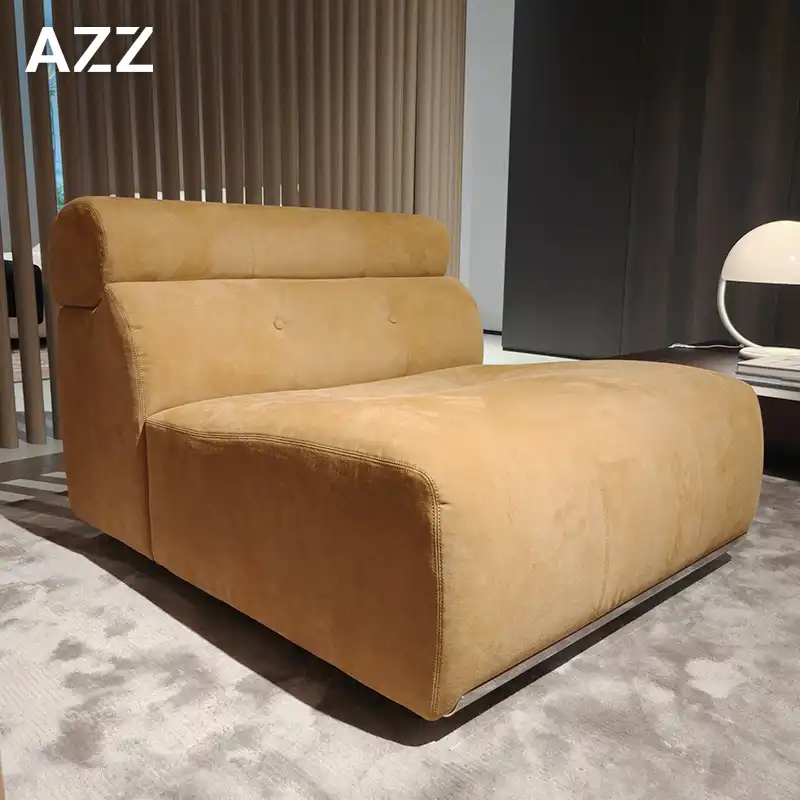
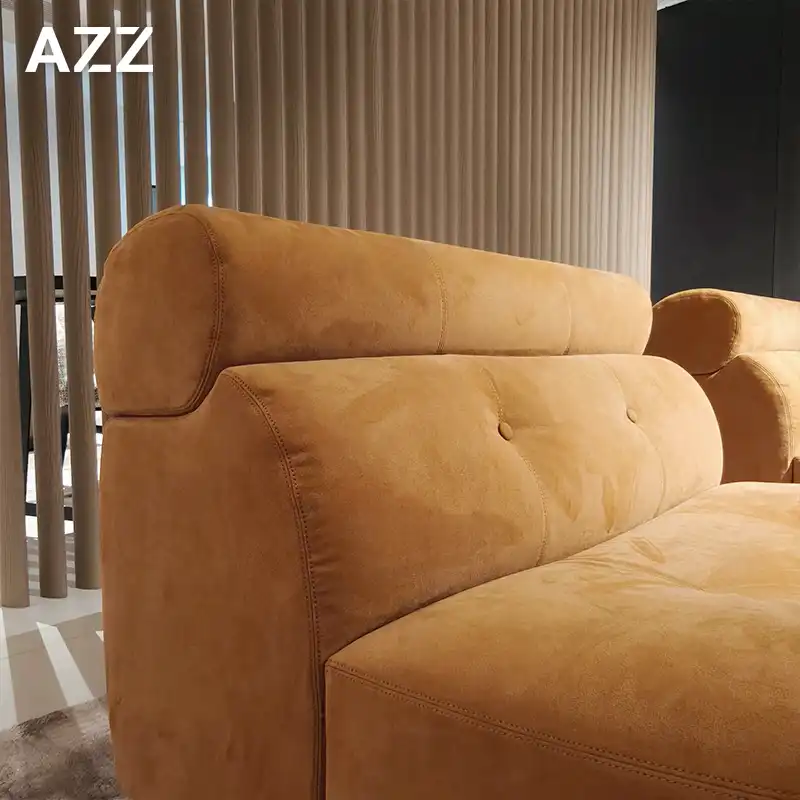
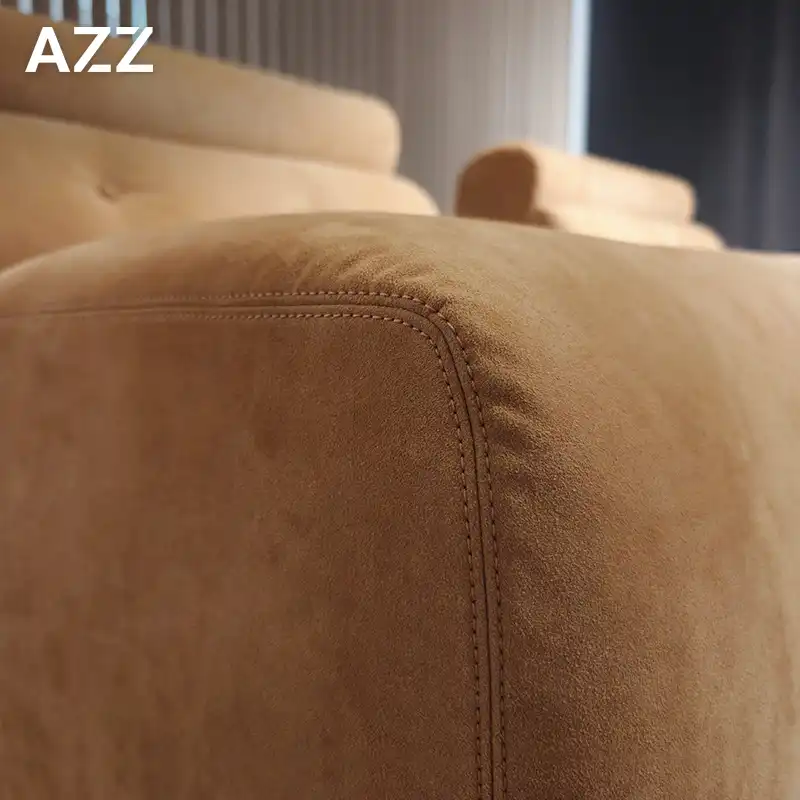
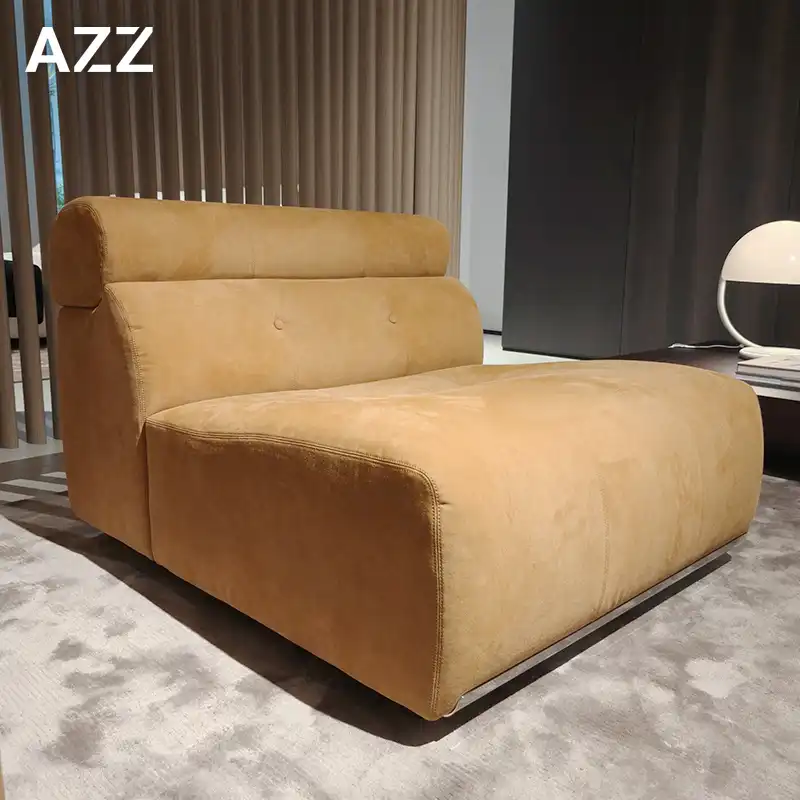
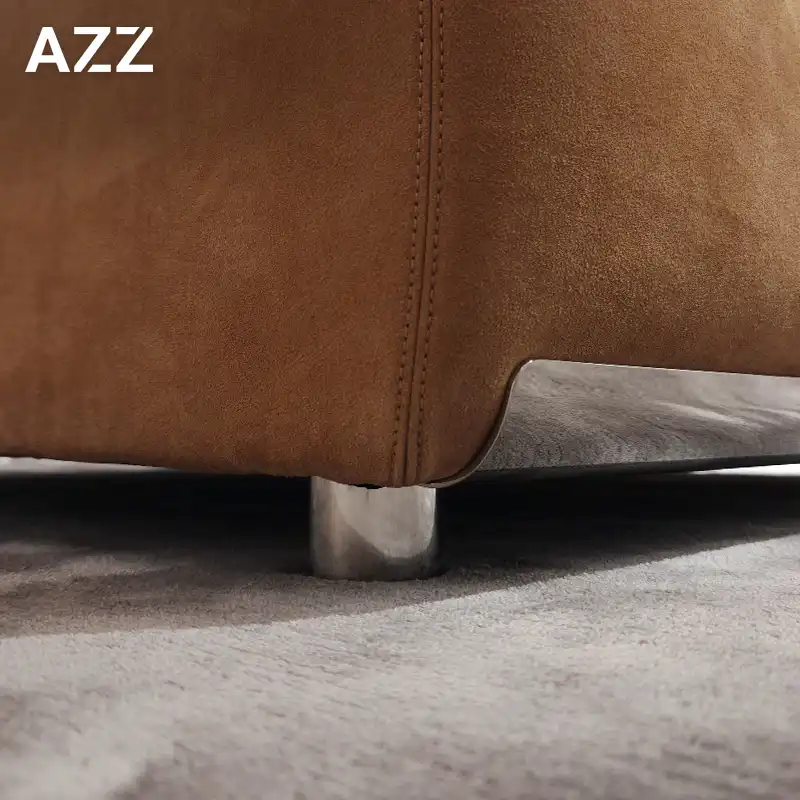
This method blends nostalgic modernist style with cutting-edge utility. The curved metal frame smoothly wraps around the front and back of the seat base, holding the fabric in place and giving the chair a unique look. Soft lines and carefully tailored details strike a mix between retro inspiration and modern tastes. In boutique hotels and high-end apartment halls, where furniture serves as sculptural focus points, this style works especially well.
Performance-Focused Commercial Models
These versions are made to withstand heavy use in hospitality settings. They have stronger bases that have been tested for greater support and fabric that can be cleaned easily. The tight-back design doesn't have replaceable pillows that could be lost or stolen in public places. Quick repair processes are necessary for restaurants with high turnover rates, and crypton or vinyl treatments make this possible. Even though the original investment is higher, hotel procurement teams value the cost saves over the long term.
Sustainable Wood and Eco-Friendly Upholstery
More and more people want chairs made from FSC-certified hardwoods and recyclable cloth, such as the coupe chair, because they care about the environment. Commercial projects that are LEED-certified and producers who care about the environment like these types. The water-based finishes and eco-friendly painting techniques meet strict VOC standards while still looking good, even on a coupe chair. These standards are in line with what real estate companies need to do in order to complete green building projects.
Modular Color-Blocked Collections
Interior designers can create a visual rhythm across big eating setups by mixing colors in ways that are unique to each client. Coordinating frame finishes with fabric in colors that go with or against each other makes design stories more flexible. This method works especially well in business eating areas and co-working spaces where integrating brand identities is important. Being able to order different color choices in the same production run speeds up the buying process and keeps the design cohesive.
Luxury Leather with Hand-Finished Details
In Michelin-starred restaurants and luxury dining rooms, hand-carved and polished top-grain leather upholstery makes the dinner experience better. Over time, the material naturally develops a sheen that gives it character while keeping its structural integrity. Different special treatments for leather make sure that the finishes are right for each type of use. These high-end choices cost more, but they offer the psychological benefit of enclosed, safe seating during important client meetings.
Maintenance needs are very different for each of these style groups. To keep mirror finishes on metal frames, they need to be polished every so often with the right tools. Avoid using rough materials that scratch the surface. Regular conditioning treatments are good for leather furniture, but cleaning performance fabrics needs to be done with manufacturer-approved products that have been tried in hidden areas. Professionals in procurement should include these continued care needs in calculations of the total cost of ownership, especially for sites that don't have their own support staff.
Procurement Insights: Buying Coupe Chairs for Business
Evaluating Supply Chain Partners
It's important to weigh direct producer ties against distributor networks when making sourcing choices. Working directly with factories lets you talk about customization, do workplace checks, and be clear about quality control. Procurement teams can check out manufacturing capabilities like 6S production management standards, ERP digital systems, and material traceability processes by visiting production settings like 50,000-square-meter buildings with built-in showrooms. Certifications that show you follow international safety and environmental rules give you even more trust. Reliable sellers are different from transactional vendors because they offer warranties that go beyond the standard terms, full after-sales service that includes remote pre-shipment checks, and clear information on where to find replacement parts.
Bulk Order Logistics and Lead Times
From the time an order is confirmed until it is ready to be shipped, production usually takes 8 weeks for a coupe chair. However, if customizations are needed, this time frame may be extended. When planning when to place furniture, procurement heads who are in charge of multiple property openings must take these wait times into account. Delivery times depend on how well the target country handles operations, how close the port is, and how well it follows regulations. These are all things that need to be coordinated with shipping partners early on. Optimizing the packaging is important for making containers work better, especially with flat-pack designs that make the best use of space while keeping goods safe during transport.
Budget Optimization Strategies
Cost factors include more than just unit price. They also include freight, duties, installation work, and upkeep costs over the product's lifetime. Volume discounts usually go into effect at levels that are worth discussing early on. When trying new property ideas or design directions, custom manufacturing that allows for small batch customization before committing to full production runs lowers the risk. Payment terms, safety against currency fluctuations, and financial choices for large orders are all things that should be talked about during contract talks. By asking for specific breakdowns of material prices, labor components, and markup structures, you can compare different offers in a smart way.
Introducing Quality-Assured Manufacturing Solutions
Azz Furnishings is an example of a high-quality manufacturing relationship that fully meets the needs of B2B buyers. The company was founded in 2018 in Foshan, Guangdong, and has a design, development, production, and sales business all in one. The 20,000-square-meter showroom lets customers see and feel the high standards of design and craftsmanship personally, while the 50,000-square-meter plant next door shows customers how modern furniture is made. Careful choice of raw materials, strict supervision of craftsmanship, and strict obedience to international standards in every detail guarantee high-quality furniture that meets strict requirements. End-to-end digital management with exact material traceability is possible with ERP intelligent systems. This level of openness builds trust among procurement professionals who are handling risk across multiple projects.
Conclusion
When choosing the right seats for a modern dining room, you have to balance your aesthetic goals with the needs of the space. The enclosed design profile of the coupe chair offers the practical benefits and space efficiency that business projects are looking for more and more. New materials and the ability to customize them make it possible to perfectly match brand identity and operational needs. To be successful at procurement, you need to carefully evaluate suppliers, know the total cost of ownership, and work with makers whose quality systems can be checked. The eight-week production time, the ability to make changes, and the remote pre-shipment inspection processes are all industry standards that protect buyers' interests and allow designers to stand out in the competitive hospitality and private markets.
FAQ
1. How do coupe chairs differ from traditional club chairs in dining applications?
Club chairs usually have lower backs and deeper seats that are better for relaxing than for interacting at a table. The dining-focused option has a more upright 95-100 degree seat pitch that helps you sit up straight while you eat, and the continuous shell doesn't have any upkeep holes where crumbs and other dirt can gather. For eating models, the arm height must be less than 66cm to clear normal table aprons. Club chair arms, on the other hand, usually go over this distance.
2. What cleaning protocols work best for commercial installations?
Performance fabrics that have been treated to prevent stains should be vacuumed once a week with the right furniture accessories and spot-cleaned with solutions recommended by the maker. Any cleaning product should be tried out first in small places that aren't visible. Stainless steel parts should only be polished with metal-specific tools and not with rough materials. Professional deep cleaning once a year can make furniture last longer, especially in restaurants with a lot of foot traffic and food service conditions.
3. Can dimensions and materials be customized for large hospitality orders?
Manufacturers that offer OEM/ODM services can make changes to the size, the way modules are put together, and the materials used based on the needs of the project. This gives buyers in the hotel industry the freedom to incorporate brand-specific design elements while still meeting structure performance standards. With production options like 3D modeling, you can see what the final product will look like quickly before committing to full production runs. This lowers the risk of making a custom order.
Partner with Azz Furnishings for Your Next Project
Azz Furnishings offers complete solutions for sourcing workers looking for dependable providers of coupe chairs that have a history of high-quality production. We can do everything, from making the first 3D prototypes of designs to making sure they are made perfectly using inheritance mortise-tenon joints, high-precision stitching control, and a variety of special treatment processes for leather and fabric. Using 6S management standards in the workplace for upholstered, panel, hardware, and luxury items makes sure that the quality is the same for all big orders. We invite people who make decisions to visit our facilities and see how committed we are to using eco-friendly painting techniques and strict quality standards. Our team can do quick samples and small-batch customizations before moving on to stable large-quantity production. This protects your investment and helps us meet tight project deadlines. You can email us at shiyingfan826@gmail.com to talk about your specific needs and get thorough quotes for your future furniture purchases.
References
1. Furniture Design Standards Committee. (2022). ANSI/BIFMA X5.1: General-Purpose Office Chairs—Tests and Performance Standards. Business and Institutional Furniture Manufacturers Association.
2. Peterson, R., & Hamilton, L. (2023). Contract Furniture Specification Guide for Hospitality Environments. Hospitality Design Publishing.
3. Chen, M. (2024). Material Science in Contemporary Seating: Foam Density and Longevity Analysis. Journal of Furniture Engineering, 18(3), 45-62.
4. European Committee for Standardization. (2021). EN 16139: Furniture—Strength, Durability and Safety—Requirements for Non-Domestic Seating. CEN Technical Standards.
5. Williams, K. (2023). Ergonomic Considerations in Commercial Dining Furniture Selection. Interior Design Quarterly, 29(2), 112-128.
6. Zhao, Y., & Liu, S. (2024). Sustainable Manufacturing Practices in the Chinese Furniture Industry: A Foshan Case Study. Global Supply Chain Review, 12(1), 78-95.