




How to Clean and Maintain a Bezier Sofa?
Because of its unique bent design and high-quality materials, a Bezier sofa needs extra care when it comes to maintenance. To keep its organic shape and fabric integrity, this sculptural sitting option needs to be cleaned with care. Procurement professionals can make these expensive items last longer by using the right maintenance methods, such as regular vacuuming, targeted stain treatment, and strategic fabric protection. This lowers the total cost of ownership while keeping the pieces' good looks in busy commercial settings.
Understanding the Bezier Sofa and Its Maintenance Needs
What Makes Curved Upholstery Unique
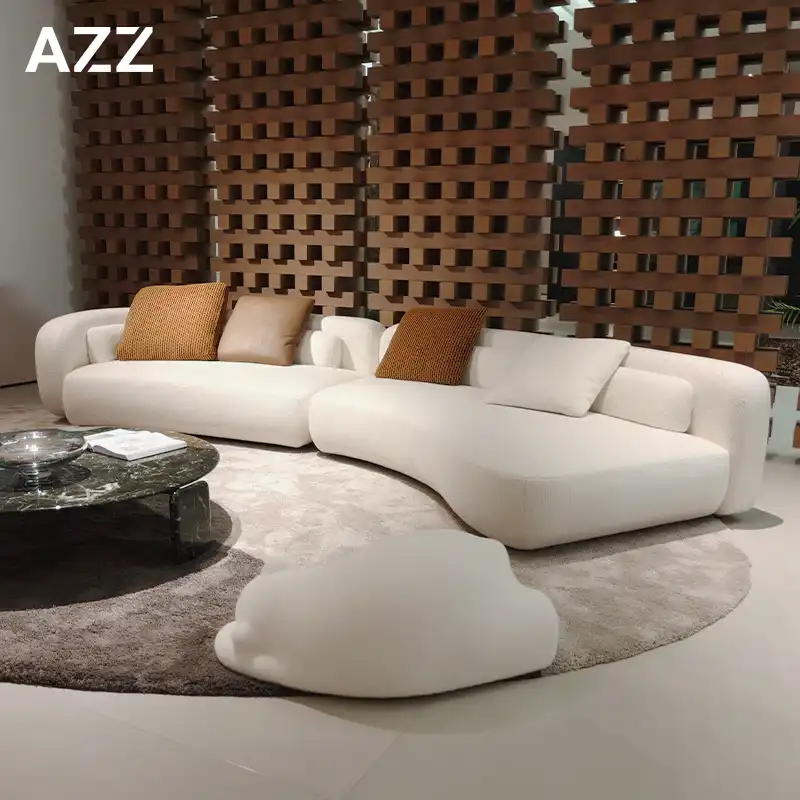
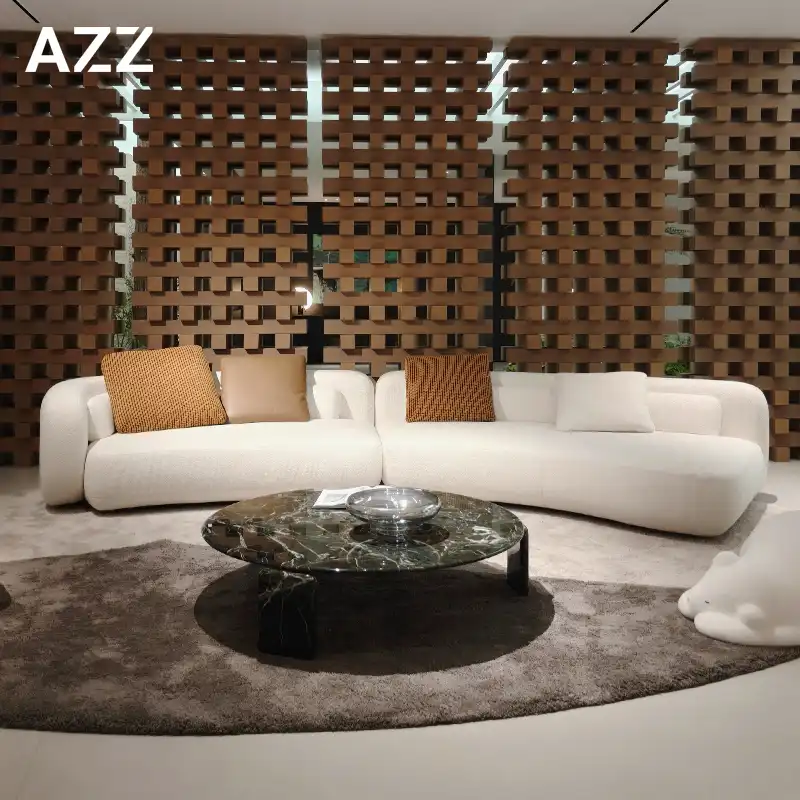
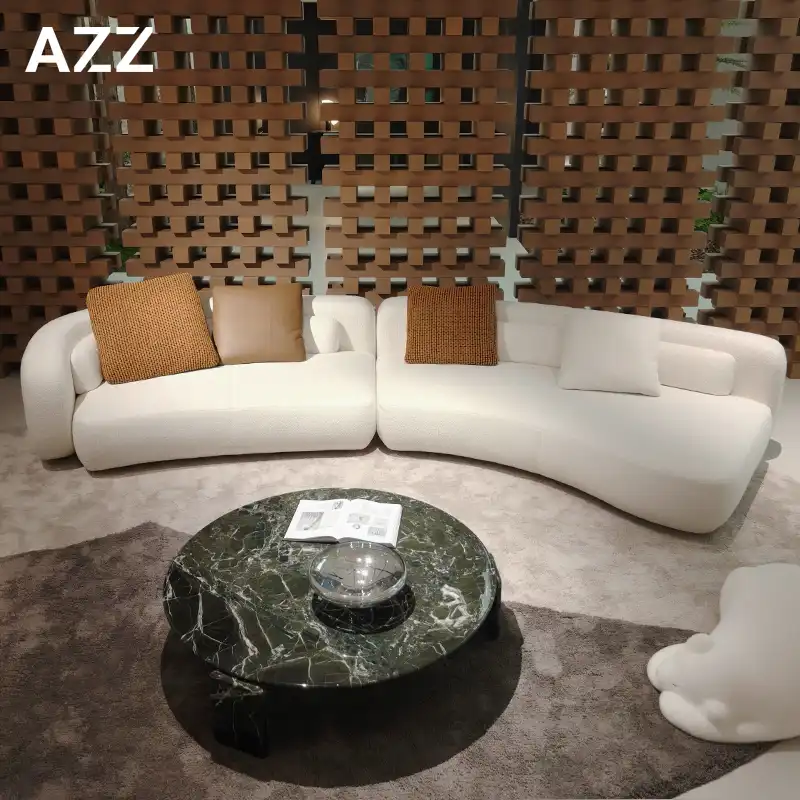
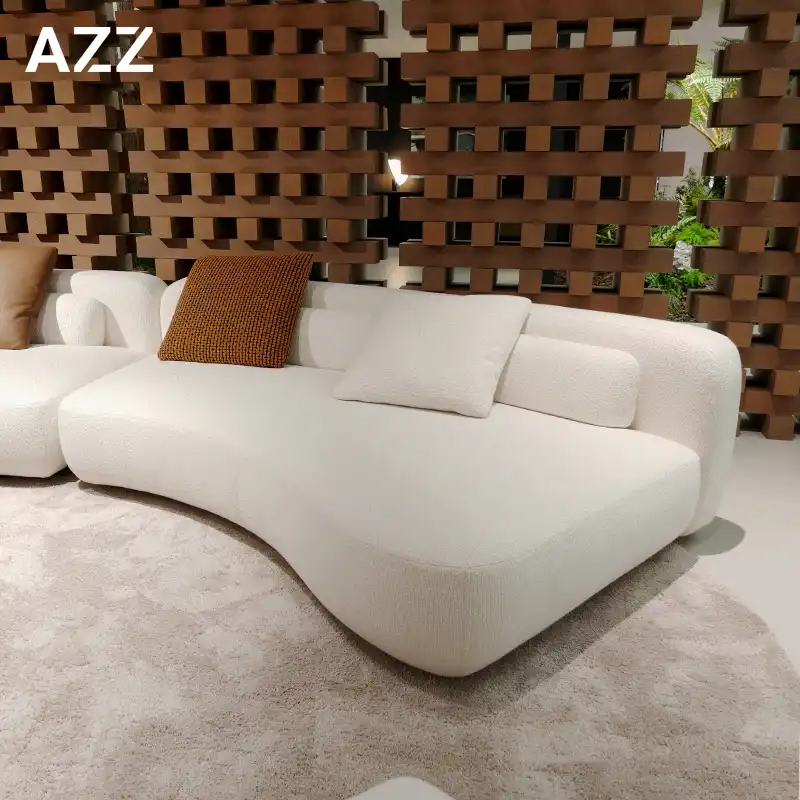
Curved modular seating has unique upkeep issues that aren't present in traditional straight furniture because of its organic geometry. Instead of flat surfaces and right angles like most chairs, these pieces have continuous, moving lines that come from parametric design. The furniture has to stretch and shape itself across both flat and curved surfaces at the same time. This puts more stress on the seams and fabric lines. Because the architecture is so complicated, cleaning methods have to take into account the different shapes of the surface. For example, liquid cleaners can pool in deep areas, and cleaning tools may skip over raised curves.
Material Composition and Care Requirements
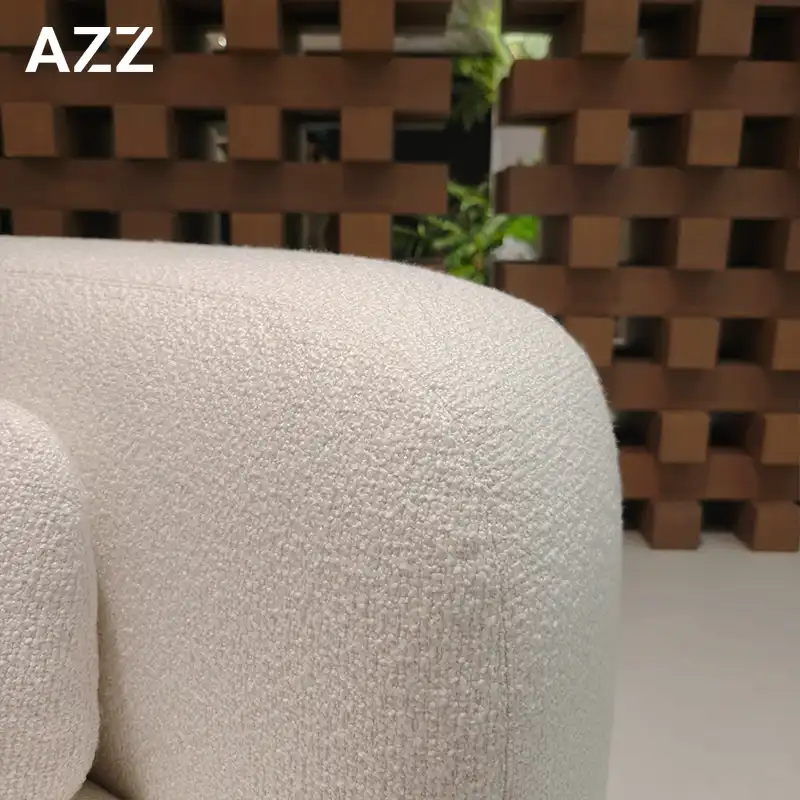
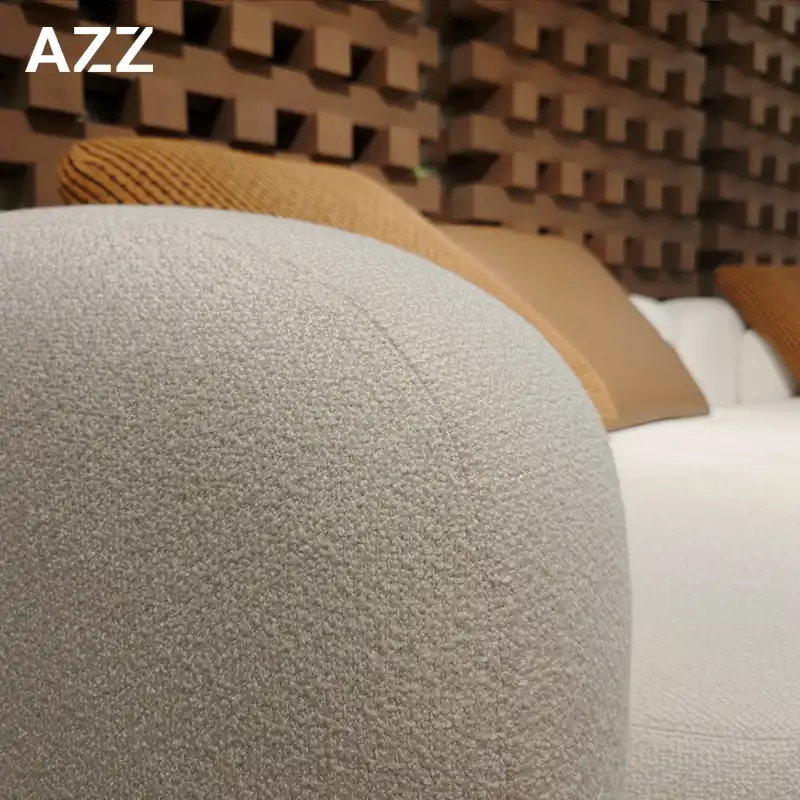
Multi-density foam layering—high-resilience cores surrounded by softer contact layers—is often used in high-end curved seats, such as the Bezier sofa. This foam is dressed in performance fabrics or treated leather. The inside framework is usually made of CNC-milled plywood or tube steel that has been bent to exact angles. When deep cleaning, extra care needs to be taken to keep water from getting in and weakening the structure. Understanding this building order helps facility managers come up with the right maintenance plans for cleaning the sofa's surface without damaging the structural elements that give it its unique shape.
Why Proper Maintenance Extends Commercial Lifespan
Curved modular seating is used all the time in places like showrooms, company break rooms, and hallways for guests. Strategic repair plans protect the large amounts of money that these statement pieces cost to buy. Regular care stops the cloth from wearing out too quickly, keeps the cushion shape consistent, and keeps the look that makes them worth the high price. Total lifecycle costs are looked at by procurement teams, and they find that strict maintenance plans cut down on the number of replacements needed and protect brand image by making sure that products are always presented in a spotless way.
Common Cleaning Challenges and How to Address Them
Stain Accumulation on Complex Surfaces
Sculptural seating has smooth, flowing shapes that make natural catch areas where spills can move and settle. The usual ways of cleaning flat surfaces don't work because liquids tend to sink into seam dips and cushion corners. Coffee, wine, and food leftovers tend to gather in these architectural cracks, so they need to be removed using specific methods instead of wiping the whole surface. When finding fabrics, procurement workers should ask about stain-resistant treatments, since applying them after the fact rarely works as well as applying them at the mill.
Fabric Stress and Seam Integrity Issues
When upholstery is stretched across complex shapes, such as on the Bezier sofa, it is under constant stress, which speeds up the wear patterns. High-contact areas, especially those on the edges of the circle where people naturally lean, lose their shine and fibers faster than the rest of the surface. Harsh cleaning methods or rough tools can make this damage worse, which could lead to seams slipping or fabrics coming apart. To deal with these problems, you need gentle cleaners and soft-bristle tools that can remove dirt without putting extra stress on fabrics that are already stretched.
Inadequate Drying and Moisture Retention
The layered foam design in curved seats keeps water from evaporating after it has been cleaned. Mold can grow and foam can break down when water gets trapped between density layers. This is especially true in climate-controlled business areas with little air flow. Normal air-drying doesn't work; careful control of airflow and moisture extraction are needed. Before putting cleaned items back into work, facility managers should set rules that include longer drying times and checking the humidity.
Step-by-Step Guide to Cleaning Your Bezier Sofa
Daily and Weekly Maintenance Protocols
Setting up regular light-touch care stops dirt from building up and needing heavy-duty action. Here are the core maintenance practices that preserve upholstery appearance:
- Vacuum thoroughly using upholstery attachments with soft brush heads, following the fabric grain and paying special attention to seam lines and pillow crevices where dirt and dust tend to gather
- Rotate modular components weekly to make sure that wear is spread evenly across all sections and that high-contact areas don't break down too quickly
- Inspect connection points where modules link, ensuring the locking mechanisms are still in place and that the surfaces that are lined up don't have any gaps between them
- Shield from environmental factors by placing seats away from direct sunlight and air vents that dry and fade fabrics quickly
When these basic steps are taken regularly, they greatly lower the number of deep cleanings that need to be done while still meeting show standards.
Using these guidelines only takes a short amount of time—about fifteen minutes per seating arrangement—but it has big benefits for preservation. Recording repair schedules shows that you did your research, which supports warranty claims and holds building management teams accountable.
Targeted Spot Cleaning Techniques
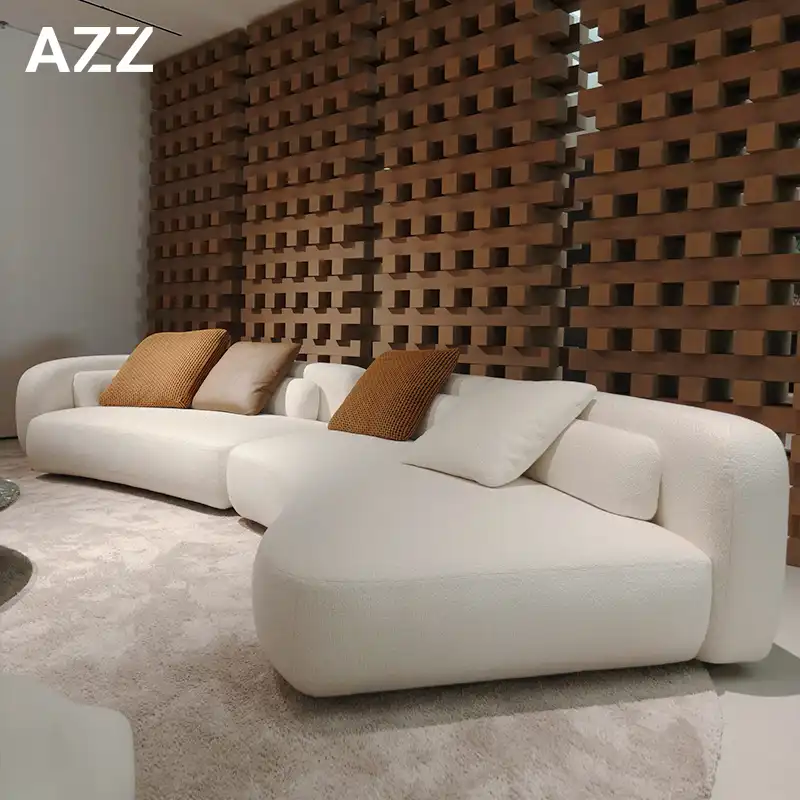
Responding right away to spills keeps them from becoming lasting stains and limits the amount of cleaning that needs to be done. When accidents happen on a Bezier sofa, wipe up liquids right away with clean, white cloths that can soak up a lot of water. Work from the sides of the spill toward the middle to stop it from spreading. Rub motions that push dirt deeper into fiber structures should be avoided. For spots that can be removed with water, use a pH-neutral fabric cleaner that has been diluted and very little water. Then, use clean, damp cloths to wipe the area clean. For oil-based spots, you may need special solvents that work with the cloth—always test cleaning products on areas that won't be seen before using them on visible surfaces.
Deep Cleaning Intervals and Methods
Professional deep cleaning should be done every six months in places with mild traffic and every three months in places with heavy traffic. When used with equipment that is set up to avoid over-wetting, steam extraction works best on cloth furniture. Operators should keep moving across surfaces instead of staying in one place for long periods of time, which can soak up foam layers. Different types of leather need cleaners that are pH-balanced and then cleaning treatments to bring back the protected oils. After cleaning, set up industrial air movers so that the whole thing is dry in 24 hours, monitoring cushion undersides where wetness tends to stay.
Maintaining Bezier Sofa Durability and Appearance Over Time
Proactive Inspection and Minor Repair
Once a month, thorough checks find new problems before they get worse and need expensive fixes. Check the stability of the seams along curved parts where strain is high by looking for loose stitches or thread breaks. Check the stability of the metal leg links and flexible locking devices. Minor tears in fabric should be fixed right away by a professional repair service, since small damage spreads quickly when used. Write down what you find to find patterns of degradation that help you plan replacements and judge the performance of suppliers.
Protective Treatments and Fabric Guards
The stain protection that was put on the Bezier sofa at the factory wears off over time and with repeated cleaning. Reapplying fluorochemical-free fabric protectors every 18 to 24 months returns the fabric's ability to absorb water without changing its feel or look. These treatments create molecular walls that stop liquids from penetrating and make them bead instead, significantly extending the window for successful spot cleaning. When requesting new purchases, buying teams should put an emphasis on furniture with built-in protection rather than post-production application on top of the fabric, since mill-treated fabrics last longer.
Customization Options for Enhanced Longevity
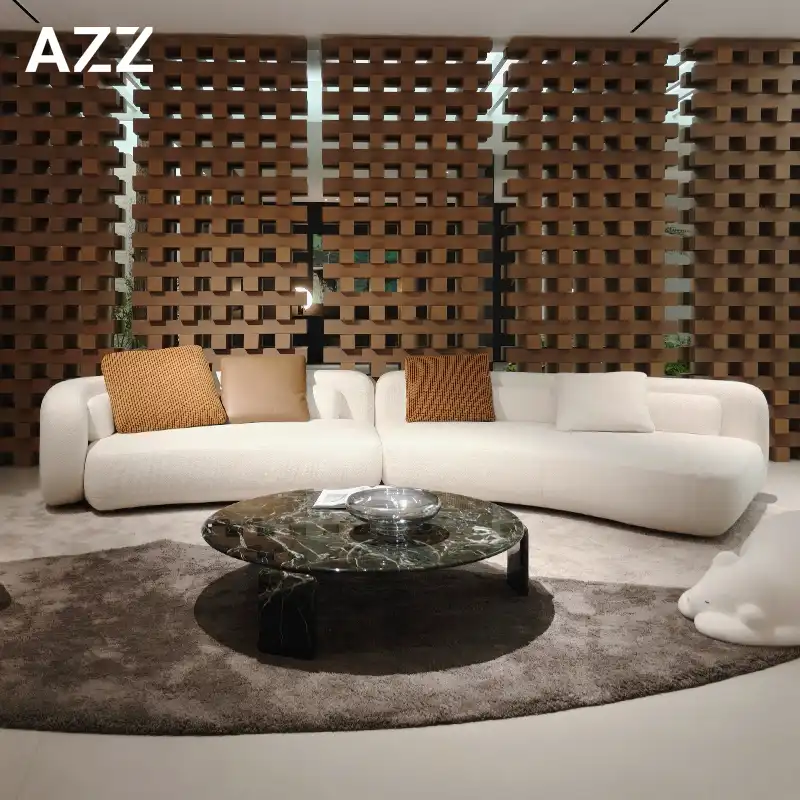
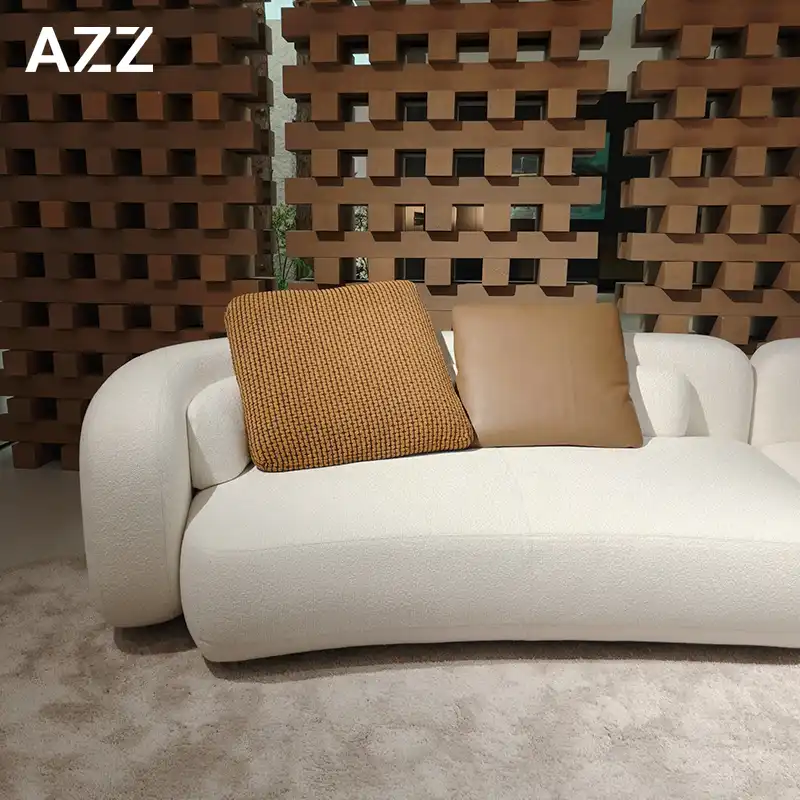
Strategic design during buying makes upkeep easier in the long run. With modular configurations, you can change worn-out parts without having to throw away whole groups of seats. If you choose performance-grade fabrics made for industrial use—like solution-dyed acrylics or polyurethane-backed weaves—you can cut down on how often you have to clean them while still meeting aesthetic standards. At Azz Furnishings, we offer a wide range of flexible combinations, sizes, materials, and color choices that can be changed to fit the needs of your business and your ability to maintain them.
When we make things, we think about upkeep from the very beginning of the planning process. The Italian minimalist style we've chosen strikes a good mix between style and functionality, thanks to contour-following sewing methods that evenly spread stress across upholstery panels. Our 50,000-square-meter production center uses precise manufacturing to make sure that every curved seating solution meets strict business requirements while still being easy to maintain according to standard procedures.
Case Studies & Real-World Applications in B2B Environments
Hospitality Sector Implementation
In the southwestern United States, a high-end lodge put in curved modular seats in the main lobby and other places where guests could move around. The property management team set up light sweeping twice a day, cushion turnover once a week, and professional steam cleaning every three months. Over the course of three years of use, the sitting kept its appearance, with only one module needing to be reupholstered because of a single stain. This performance was better than standard linear seats in nearby areas, which had to be replaced completely after two years because of wear and soiling that couldn't be cleaned off.
Corporate Office Environment Results
The joint office at a tech company had curved seats, including the Bezier sofa, in a number of breakout areas that got a lot of use every day. Facilities management set up a proactive maintenance plan that includes skilled spot cleaning every two weeks and deep cleaning of high-traffic sections once a month. After the changes were made, audits showed that the cost of replacing furniture was 40% lower than in previous furnishing cycles, while employee happiness polls showed that the space was better understood and used more often. Investing in strict maintenance practices paid off in a measured way by extending the life of assets and making workspaces more useful.
Showroom and Retail Applications
When furniture stores use curved seats as display items, they have to deal with some unique problems. The pieces have to be able to handle customer contact while still looking good in the showroom. One store with multiple locations started cleaning the surfaces of all of their products every day and reapplying protection treatments every month. This method kept the appeal of the product over longer show times, which cut down on the need for markdowns and supported strategies for charging higher prices. The maintenance investment proved substantially less costly than accelerated inventory rotation, demonstrating how strategic care enhances commercial viability.
Conclusion
To maintain curved modular seats such as the Bezier sofa well, you need to know how to deal with the unique problems that come up because of their organic shape and the way they were built. Procurement pros can make the most of the functional life and aesthetic value of these one-of-a-kind furniture purchases by giving them disciplined daily care, deep cleaning at strategic intervals, and proactive protective treatments. The care steps described here deal with common problems while protecting the building's structural stability, which is why it deserves to be placed at the top of the list in business settings. Successful implementation demands collaboration between facility management, procurement teams, and manufacturing partners committed to long-term performance rather than transactional relationships.
FAQs
1. How often should professional cleaning occur in high-traffic commercial settings?
Places with a lot of foot traffic, like hotel lobbies and business greeting areas, benefit from skilled deep cleaning every three months and spot treatment every week. Spaces with moderate traffic can get skilled help every six months while still following the same daily maintenance procedures. Changes to the schedule should be based on seasonal factors and unique usage trends.
2. What stain removal products are compatible with curved seating upholstery?
Most types of cloth are safest when cleaned with pH-neutral cleaners made for industrial use. Stay away from bleach-based products, strong solvents, and rough cleaners that damage fabrics. It is still standard practice to test any cleaning product on areas that won't be seen before using it on surfaces that will be seen. Leather variants require dedicated leather cleaning and conditioning products.
3. Does warranty coverage address cleaning-related damage?
The terms of the warranty depend on the maker, but they usually don't cover damage caused by using harsh chemicals or poor cleaning methods. But problems with how well the fabric works or how the structure breaks down when the right care steps are taken are usually covered. During talks for sourcing, procurement teams should make sure that warranty terms are clear, and they should keep records of upkeep activities to back up any claims that might be made.
Partner with Azz Furnishings for Superior Curved Seating Solutions
Azz Furnishings specializes in making high-quality curved modular seating that is designed to work in tough industrial settings. As a company that has been making the Bezier sofa since 2018, we make sure that the quality is always high during the whole process of designing and making them. Our 20,000-square-meter showroom and 50,000-square-meter plant in Foshan, Guangdong, are open to procurement workers who want to see for themselves how we build things and what materials we use. We use clever ERP systems for end-to-end digital management and accurate material tracking. Our 6S production management standards make sure that the quality of all of our upholstered, panel, and metal products is the same. Email our team at shiyingfan826@gmail.com to talk about unique solutions, advice on upkeep, and flexible payment terms that fit your business needs. At mdazzhome.com, you can learn more about our Italian simple collection.
References
1. Architectural Upholstery Institute. Commercial Seating Maintenance Standards and Protocols. Professional Facilities Management Series, 2022.
2. Chen, M. & Rodriguez, A. Parametric Furniture Design: Material Stress Analysis in Curved Upholstery Applications. Journal of Interior Architecture Research, Vol 15, 2021.
3. Hospitality Asset Management Association. Lifecycle Cost Analysis: Seating Systems in High-Traffic Environments. Annual Industry Benchmark Report, 2023.
4. National Textile Performance Council. Fabric Protection Technologies: Comparative Efficacy in Commercial Applications. Technical White Paper Series, 2022.
5. Patterson, J. Strategic Procurement in Contract Furnishings: Maintenance Considerations and Total Cost Modeling. Commercial Interior Design Quarterly, Spring 2023.
6. Walsh, K. & Thompson, D. Foam Degradation in Multi-Density Seating Systems: Environmental Factors and Prevention Strategies. Materials Science in Furniture Manufacturing, Vol 8, 2022.